Download App
Better Online and Trade Show Sourcing Experiences.Scan the QR code to download.
Learn More

1 year
 ,
Exporter,
Importer,
Agent,
Online Seller,
Buying Office,
Retailer,
Consultant,
Trading Company,
Distributor,
Wholesaler
| Model Number | EMM - 001-#6037 | Brand Name | Jinjue |
|---|---|---|---|
| origin | China | Small Orders | Accepted |
Detailed Introduction to Expanded Metal Mesh
I. Production Process
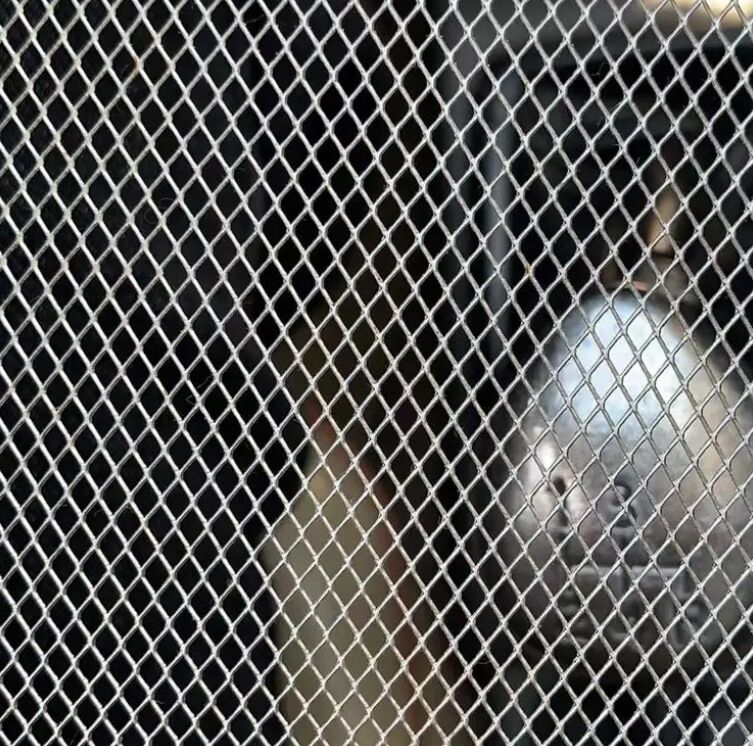
Expanded metal mesh is created through a unique and highly efficient manufacturing process. It begins with a solid metal sheet, typically made of materials like carbon steel, stainless steel, aluminum, or brass, depending on the desired properties and end use. The selected metal sheet is then fed into a specialized machine equipped with a set of precisely calibrated cutting and expanding dies.
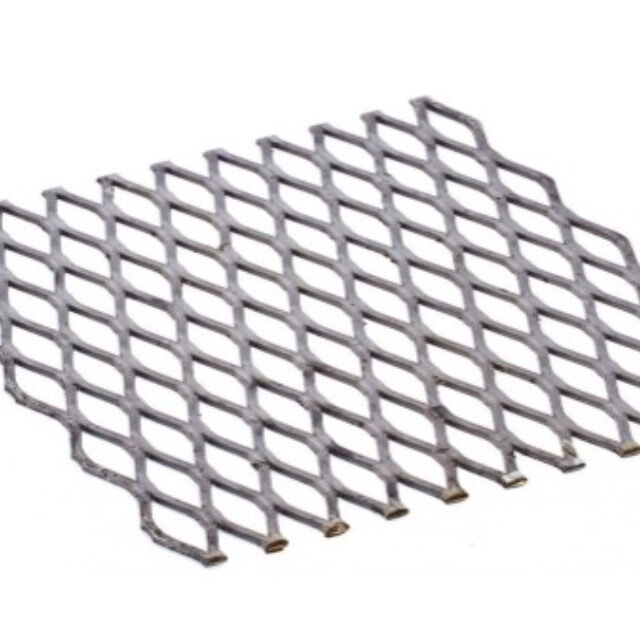
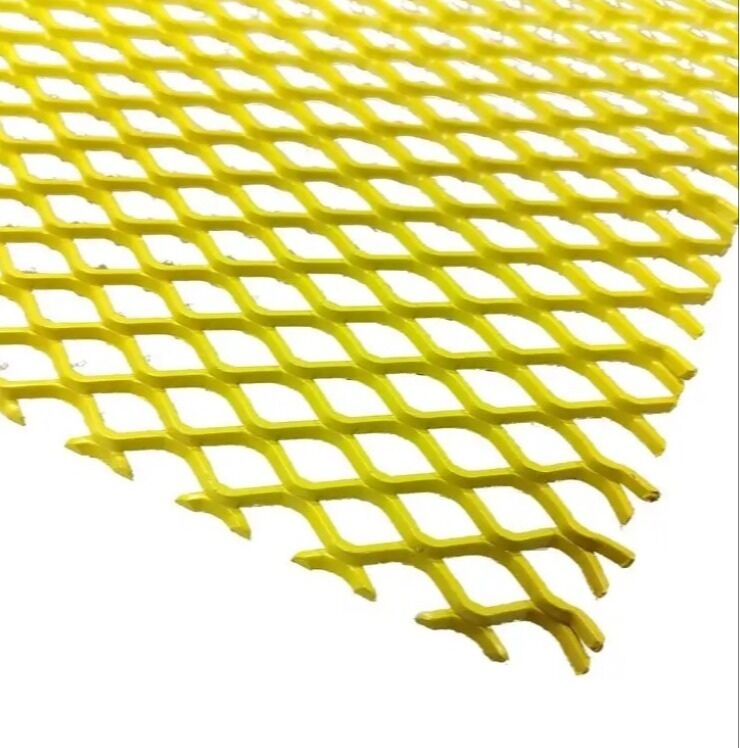
The machine operates by first making a series of parallel cuts at regular intervals across the width of the sheet. These cuts penetrate partially through the thickness of the sheet. Subsequently, the machine uses a mechanical force to stretch or expand the sheet in a perpendicular direction to the cuts. This stretching action causes the metal to form a diamond-shaped or hexagonal pattern of openings, with the interconnecting strands creating the mesh structure. The size and shape of the openings, as well as the thickness and width of the strands, can be precisely controlled by adjusting the die settings and the degree of expansion. After the expansion process, the edges of the mesh may be trimmed and finished to ensure smoothness and uniformity. Some expanded metal meshes also undergo additional treatments like heat treatment for enhanced strength or surface coating for improved corrosion resistance.
II. Physical Properties
Strength and Durability: Due to its integral construction, where the metal strands are interconnected and form a continuous lattice, expanded metal mesh offers significant strength. Carbon steel expanded metal meshes are known for their robustness and can withstand heavy loads and mechanical stresses, making them suitable for applications in industrial settings such as conveyor belts, heavy machinery guards, and flooring reinforcements. Stainless steel variants provide excellent corrosion resistance, ensuring longevity even in harsh environments like coastal areas, chemical plants, or food processing facilities. Aluminum expanded metal meshes, while relatively lighter in weight, still possess good strength and are highly resistant to rust, making them ideal for applications where weight is a concern, such as in the aerospace industry or for decorative purposes in architecture.
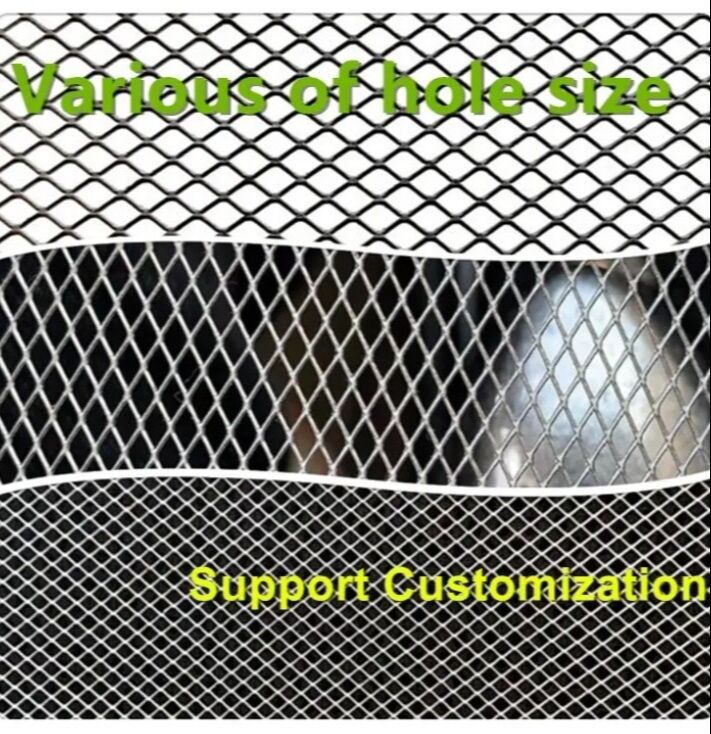
Open Area and Permeability: One of the key features of expanded metal mesh is its variable open area ratio. The diamond or hexagonal openings can be designed to allow for different levels of air, light, heat, and fluid passage. For example, in ventilation systems, a mesh with larger openings and a high open area ratio can facilitate efficient air circulation, while in filtration applications, a finer mesh with smaller openings can effectively trap particles while still permitting a certain flow rate. This permeability also makes it useful in applications like acoustic panels, where it can help control sound transmission and absorption.
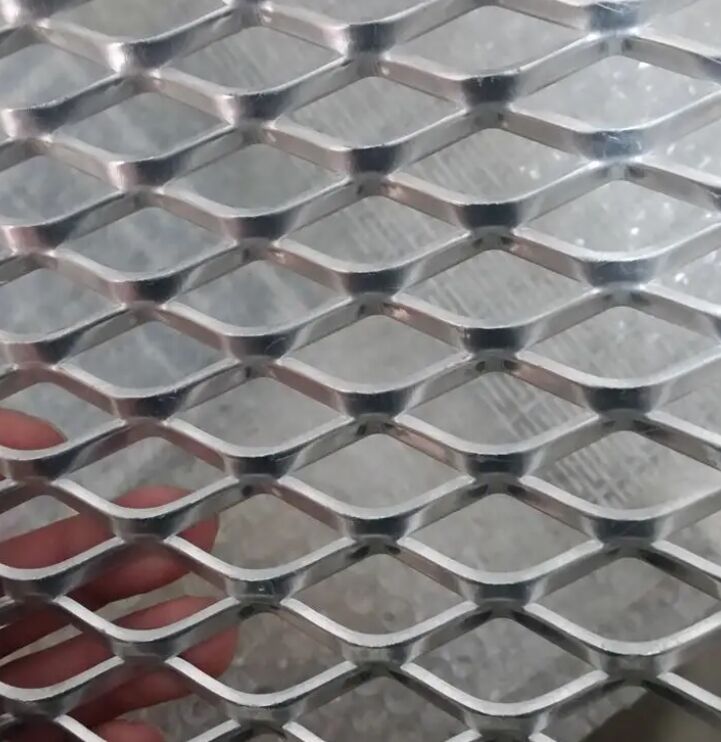
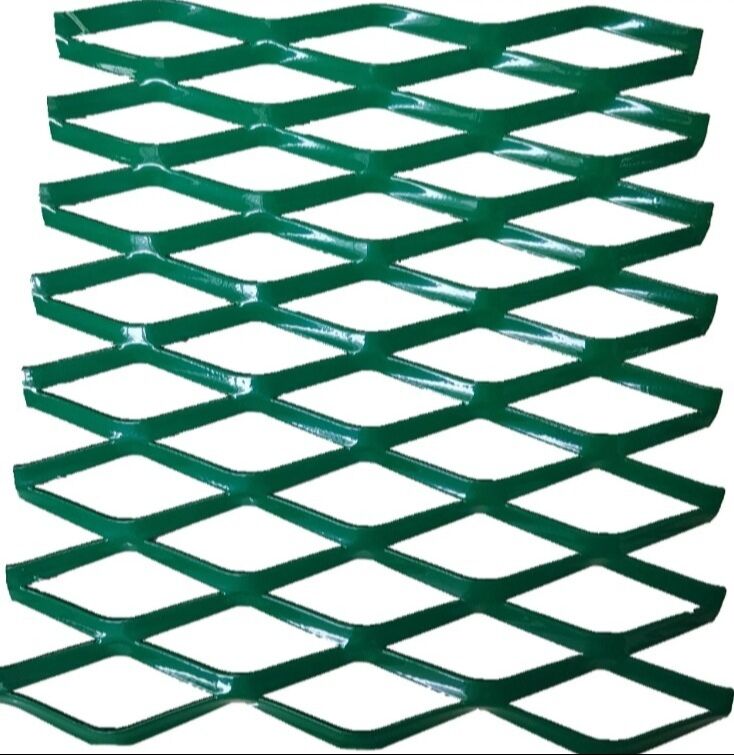
Surface Texture and Appearance: The expanded metal mesh has a characteristic textured surface due to the diamond or hexagonal patterns. This texture can add an aesthetic appeal, especially when used in architectural and interior design. It can be left in its natural state to showcase the raw metal look, or it can be finished with coatings, paints, or polishing to achieve a desired color and sheen. For instance, a polished stainless steel expanded metal mesh can create a sleek and modern appearance in a building facade or a decorative partition wall.
III. Main Applications
Industrial and Manufacturing:
- In the automotive industry, expanded metal mesh is used in radiator grilles to allow air to flow into the engine compartment for cooling while protecting the engine from debris. It is also employed in air filters to trap particulate matter, ensuring clean air intake for the engine. In addition, it can be found in the interiors of vehicles, such as in speaker grilles or as trim elements.
- In the construction of machinery and equipment, expanded metal mesh is used as guards to protect operators from moving parts. It is also used in conveyor systems to support and transport materials, as well as in platforms and walkways for its anti-slip and load-bearing properties. In factories, it can be seen in storage racks, fencing, and partitions.
Architectural and Interior Design:
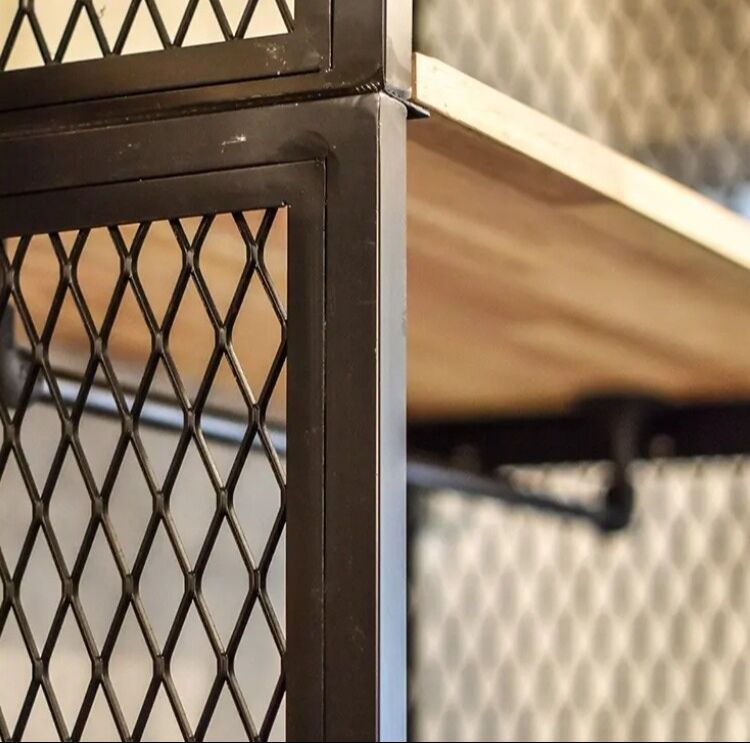
- For building facades, expanded metal mesh can be used to create unique visual effects. It can be installed as a cladding material to add texture and depth, or it can be used in combination with glass or other materials to form a translucent or perforated screen that controls light and privacy. In interior design, it can be used as room dividers, decorative ceilings, or wall panels. For example, a bronze-colored expanded metal mesh used as a backdrop in a hotel lobby can create a warm and inviting atmosphere.
Filtration and Separation:
- In air filtration systems, expanded metal mesh is often used as a pre-filter to remove larger particles before the air passes through more refined filtration media. In liquid filtration, it can be used to strain out debris in industrial processes, such as in wastewater treatment plants or in the filtration of hydraulic fluids. In the mining industry, it is used to separate different sized particles in ore processing.
Agricultural and Horticultural:
- In greenhouses, expanded metal mesh is used to support climbing plants and vines. It provides a sturdy structure for the plants to grow on while allowing sunlight and air to penetrate. In animal enclosures, it can be used as fencing to keep animals in while permitting ventilation and visibility. In agricultural storage facilities, it can be used to cover vents and openings to prevent pests from entering while still allowing air to circulate.
IV. Installation and Usage Tips
Installation:
- When installing expanded metal mesh in industrial applications, ensure that it is properly fastened to the supporting structure. Use appropriate bolts, rivets, or welding techniques depending on the application and the load requirements. In machinery guards, make sure the mesh is securely attached to prevent any gaps or loose ends that could pose a safety hazard. In building facades, follow the manufacturer's instructions for installation, which may involve using a sub-frame or clips to attach the mesh to the wall. When using it as a room divider or decorative element in interiors, consider the overall design and layout to ensure it is installed in a way that complements the space.
- In filtration applications, make sure the mesh is properly seated and sealed in the filter housing to prevent bypass of unfiltered air or liquid. Check for any leaks or gaps that could affect the filtration efficiency.
Usage:
- In areas where expanded metal mesh is used for load-bearing or mechanical support, regularly inspect it for signs of wear, fatigue, or damage. Check for broken strands, loose connections, or deformation. If any issues are detected, repair or replace the affected parts promptly. In architectural applications, monitor the appearance of the mesh for any signs of fading, corrosion, or dirt buildup. Clean it as needed using appropriate methods depending on the finish and material. In filtration applications, monitor the pressure drop across the mesh and clean or replace it when the pressure drop exceeds a certain threshold to maintain optimal filtration performance.
V. Maintenance and Storage
Cleaning:
- For expanded metal mesh used in indoor environments, a mild detergent solution and a soft brush can be used to wipe away dust, fingerprints, and light dirt. In outdoor or industrial applications, more aggressive cleaning agents may be required depending on the contaminants. For example, in a chemical plant, a specialized cleaner may be needed to remove chemical residues. When cleaning stainless steel mesh, avoid using chlorine-based cleaners that could cause corrosion. Use a soft cloth or sponge and rinse thoroughly after cleaning.
Corrosion Prevention:
- For expanded metal meshes made of ferrous metals like carbon steel, applying a rust inhibitor or coating is essential, especially in humid or corrosive environments. Regular inspections should be carried out to check for any signs of rust formation, and if detected, the affected areas should be treated promptly. For non-ferrous metals like aluminum and stainless steel, while they are more corrosion-resistant, they can still be affected in harsh conditions, so proper care is still needed. For example, in coastal areas, stainless steel mesh may need to be washed regularly to remove salt deposits.
Storage:
- When storing expanded metal mesh, it should be kept in a dry, well-vented area. Stacking should be done carefully to avoid denting or scratching the mesh. If possible, store them in their original packaging or use protective covers to prevent damage from moisture, dust, or other contaminants. Long-term storage may require periodic inspections to ensure the mesh remains in good condition.
| FOB Port | Tianjin | Lead Time | 8–12 days |
|---|---|---|---|
| Weight per Unit | 3.0 Kilograms | Dimensions per Unit | 30.0 x 20.0 x 10.0 Centimeters |
| HTS Code | 7314.41.00 00 | Units per Export Carton | 100.0 |
| Export Carton Dimensions L/W/H | 80.0 x 50.0 x 50.0 Centimeters | Export Carton Weight | 2.0 Kilograms |
| Main Export Markets |
Asia,
Australasia,
Central/South America,
Eastern Europe,
Mid East/Africa,
North America,
Western Europe | ||
|---|---|---|---|
| Payment Method | Telegraphic Transfer (TT,T/T) | ||||
|---|---|---|---|---|---|


关注 “环球资源外贸” 官方微信,获取实时外贸资讯