Download App
Better Online and Trade Show Sourcing Experiences.Scan the QR code to download.
Learn More

1 year
 ,
Exporter,
Importer,
Agent,
Online Seller,
Buying Office,
Retailer,
Consultant,
Trading Company,
Distributor,
Wholesaler
| Model Number | GB - 003-#1199 | Brand Name | Jinjue |
|---|---|---|---|
| origin | China | Small Orders | Accepted |
Gabion Boxes
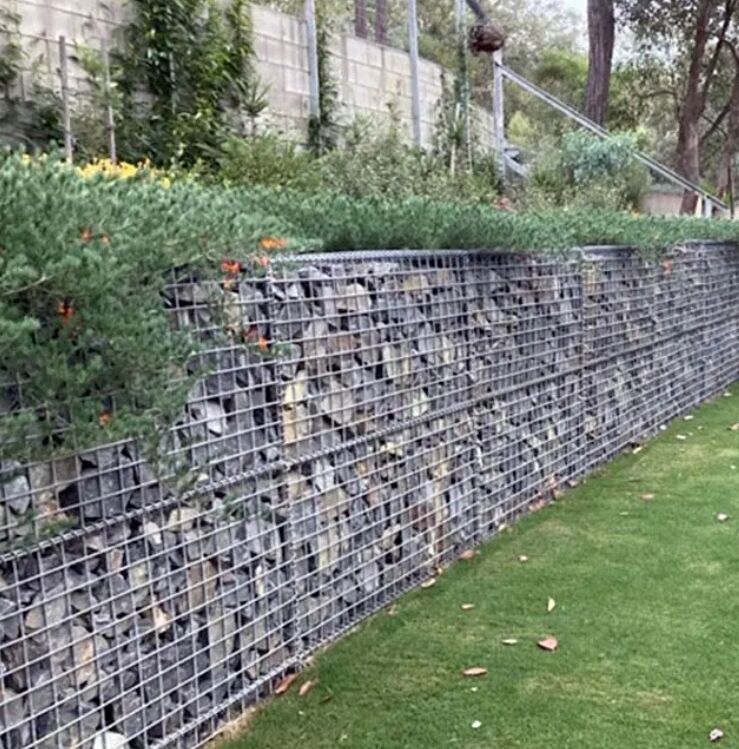
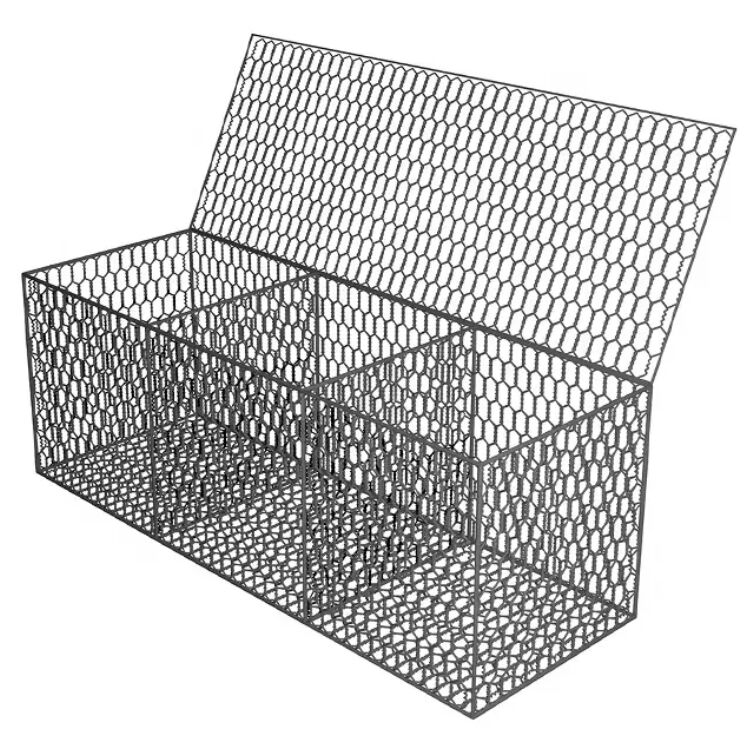
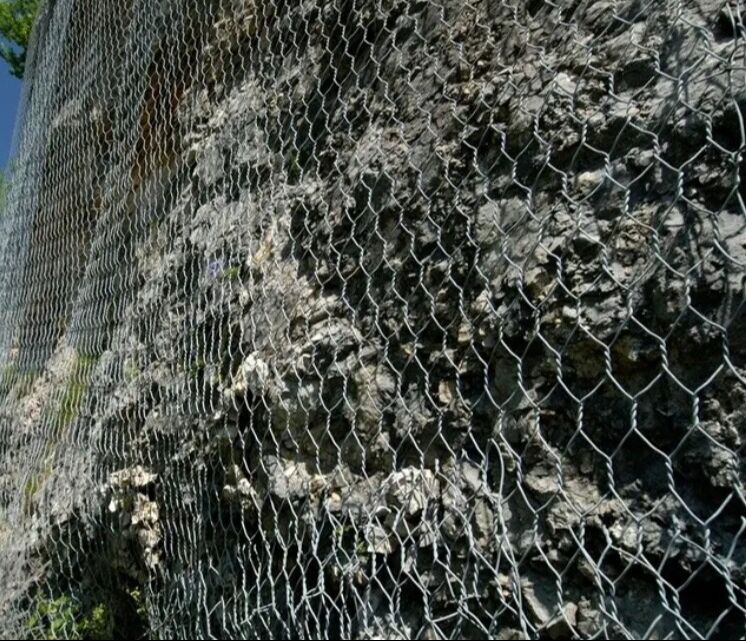
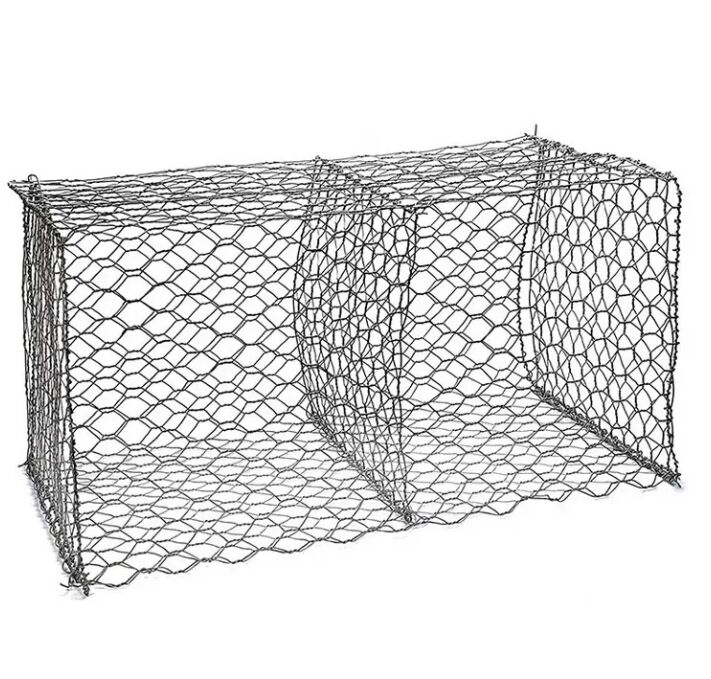
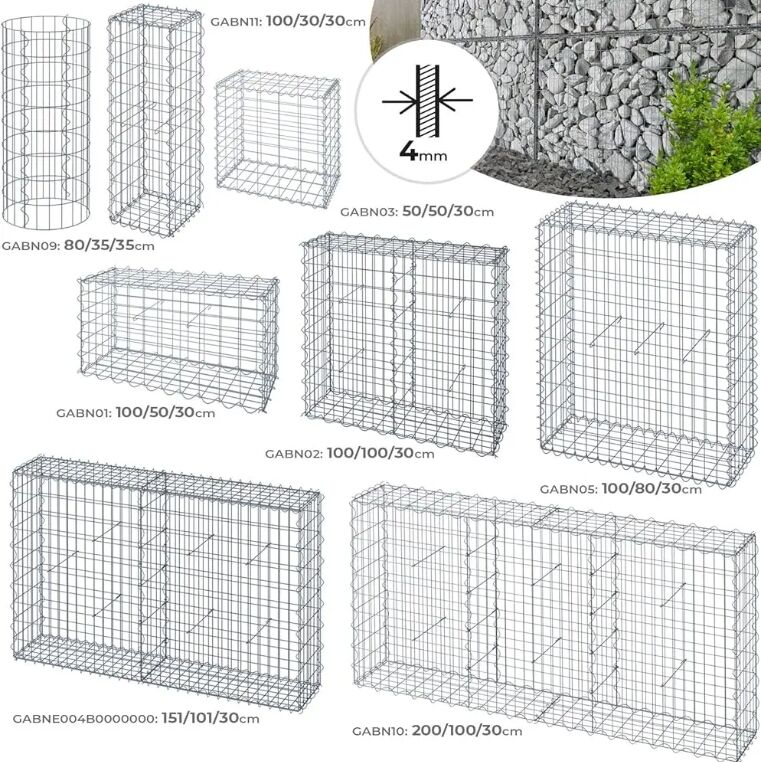
Gabion boxes, also known as wire mesh gabions, are modular structures made of galvanized or PVC-coated wire mesh assembled into box-like forms. This design endows them with distinct characteristics that make them widely utilized in various engineering and environmental projects.
1. Composition and Structure
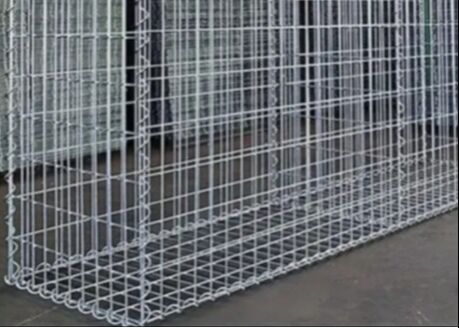
- Wire Mesh: The primary material of gabion boxes is wire mesh, typically fabricated from high-strength galvanized steel wire. The wire diameter can be adjusted according to the specific requirements of the project. For instance, in applications where greater durability against impact is needed, thicker wire diameters might be selected, while for more cost-sensitive and less demanding scenarios, relatively thinner wires could be used. The mesh openings also vary, with smaller openings providing better containment of fill materials and larger ones allowing for faster water drainage.
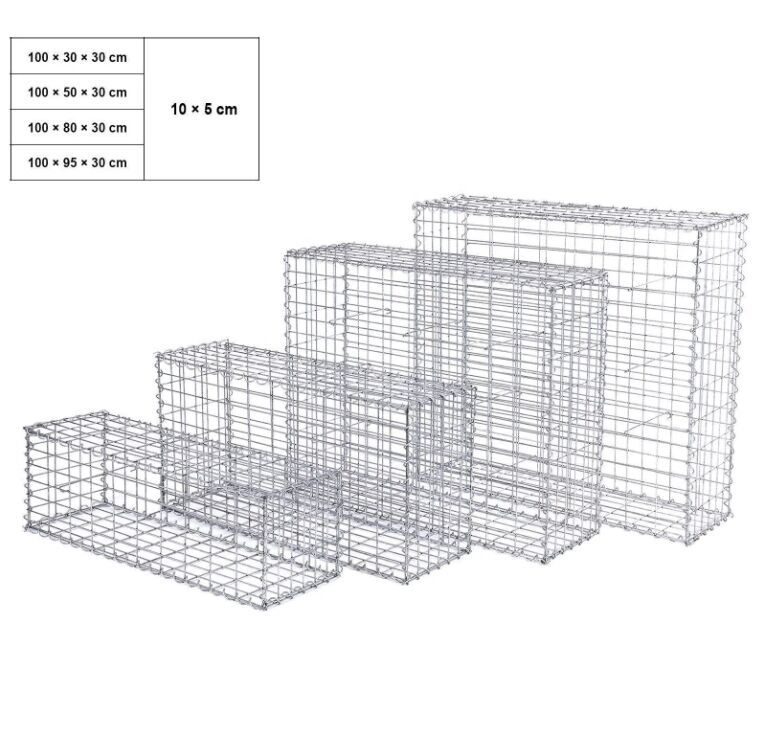
- Box Assembly: Multiple wire mesh panels are joined together to form the box shape. The edges are usually fastened with wire ties or clips, ensuring a secure and stable structure. The standard box dimensions can be customized based on the intended use. Some common shapes include rectangular and cubic, but irregular shapes can also be fabricated to fit particular site conditions.
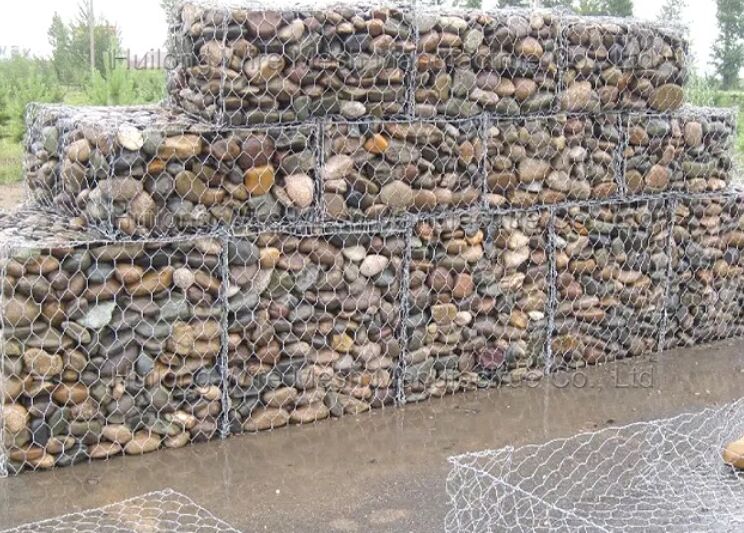
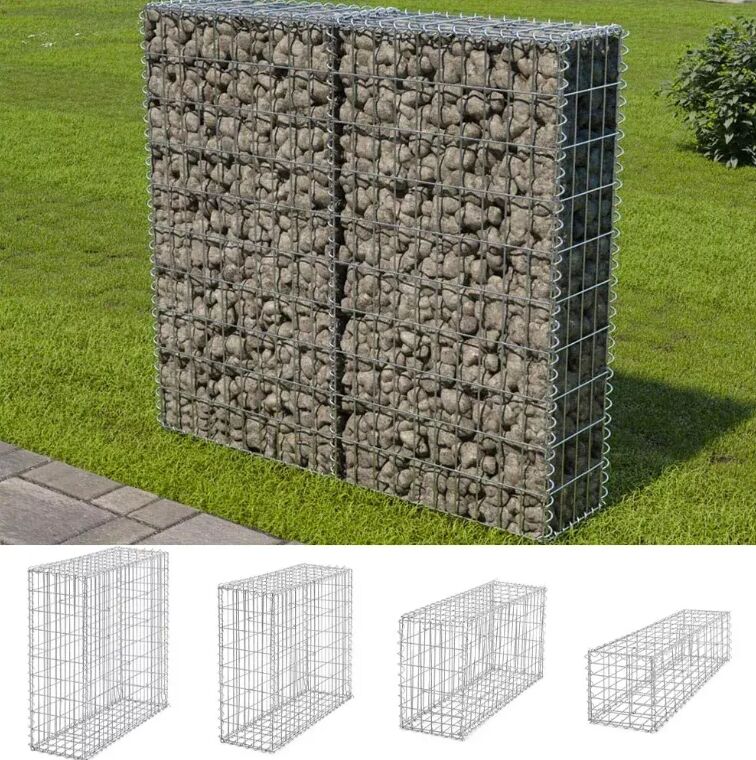
- Filling Material: Once assembled, the gabion boxes are filled with natural stones or gravel. The choice of filling material depends on factors such as availability, cost, and the desired functionality. Coarse-grained stones offer better stability and load-bearing capacity, while finer gravel can enhance water permeability in certain applications.
2. Properties and Advantages
- High Structural Stability: Gabion boxes possess excellent stability, especially when filled with appropriate materials. The interlocking wire mesh and the weight of the fill create a robust structure capable of withstanding significant lateral and vertical forces. This makes them ideal for applications like retaining walls, where they can resist the pressure exerted by soil or water behind them.
- Flexibility and Adaptability: They can conform to uneven ground surfaces and changes in terrain. The modular nature allows for easy adjustment and customization during installation. For example, in riverbank protection projects, gabion boxes can be arranged to follow the natural curvature of the river, providing effective erosion control.
- Good Permeability: The wire mesh construction and the gaps between the fill materials permit water to flow through freely. This feature helps in reducing hydrostatic pressure, preventing waterlogging, and promoting natural water circulation. In wetland restoration projects, gabion boxes can be used to create channels or barriers that maintain the water balance without disrupting the ecological system.
- Cost-Effectiveness: Compared to many traditional construction materials and methods, gabion boxes are relatively inexpensive. The raw materials are widely available, and the installation process is straightforward, often requiring minimal specialized equipment. This cost advantage makes them a popular choice for large-scale projects with budget constraints.
3. Applications
- Civil Engineering: In retaining wall construction, gabion boxes are commonly used to support slopes and prevent soil erosion. They can be stacked in multiple layers to achieve the required height and strength. In foundation reinforcement, they can be placed beneath structures to distribute loads evenly and improve soil stability.
- Environmental Restoration: For riverbank and shoreline protection, gabion boxes act as a buffer against water currents and wave action. They help in revegetating damaged areas by providing a stable substrate for plant growth. In wetland creation and restoration, they can be used to define water channels and control water levels.
- Landscaping and Architecture: Gabion boxes find applications in garden design, where they can be used to build decorative walls, planters, and water features. In urban architecture, they can add an industrial or rustic aesthetic to facades and public spaces while also serving functional purposes.
4. Maintenance and Safety Considerations
- Regular Inspection: Periodic visual inspections should be carried out to check for any damage to the wire mesh, such as breaks, rust, or loosening of wire ties. The fill material should also be inspected for signs of displacement or excessive settling.
- Repair and Replacement: If minor damage is detected, such as a few broken wires, they can be repaired promptly using replacement wire or clips. However, if the damage is extensive or the structure shows signs of significant deterioration, the affected gabion boxes should be replaced to maintain the integrity of the overall installation.
- Safety Precautions during Installation: During installation, proper safety equipment and procedures should be followed. Workers should wear protective gear, and the boxes should be placed and filled in a controlled manner to avoid accidents due to shifting or collapsing structures.
In conclusion, gabion boxes are a versatile and practical solution in modern construction and environmental management. Their combination of stability, flexibility, permeability, and cost-effectiveness, along with appropriate maintenance and safety measures, enables them to play a crucial role in a wide range of projects, enhancing both the built and natural environments.
| FOB Port | Tianjin | Lead Time | 8–14 days |
|---|---|---|---|
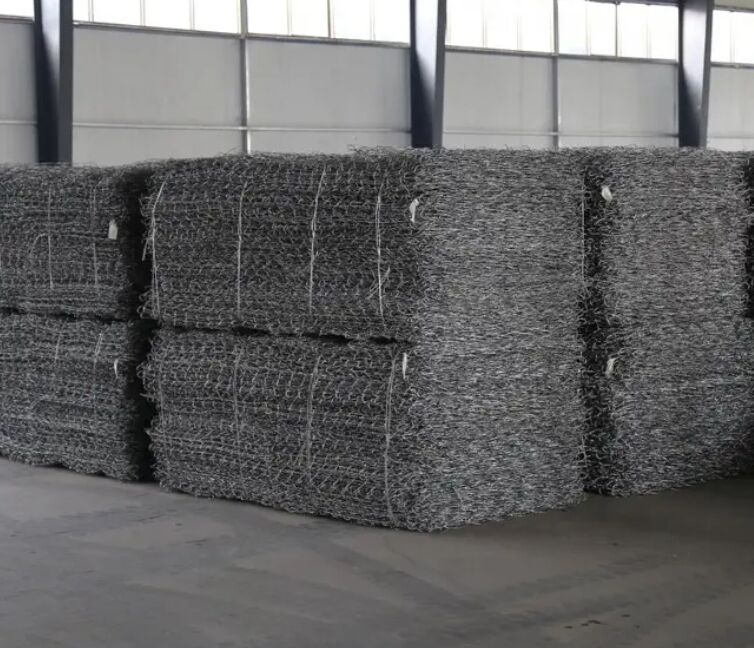
| Weight per Unit | 5.0 Kilograms | Dimensions per Unit | 40.0 x 30.0 x 30.0 Centimeters |
| HTS Code | 7314.31.00 00 | Units per Export Carton | 500.0 |
| Export Carton Dimensions L/W/H | 80.0 x 40.0 x 50.0 Centimeters | Export Carton Weight | 2.0 Kilograms |
| Main Export Markets |
Asia,
Australasia,
Central/South America,
Eastern Europe,
Mid East/Africa,
North America,
Western Europe | ||
|---|---|---|---|
| Payment Method | Telegraphic Transfer (TT,T/T) | ||||
|---|---|---|---|---|---|


关注 “环球资源外贸” 官方微信,获取实时外贸资讯