Download App
Better Online and Trade Show Sourcing Experiences.Scan the QR code to download.
Learn More

1 year
 ,
Exporter,
Importer,
Agent,
Online Seller,
Buying Office,
Retailer,
Consultant,
Trading Company,
Distributor,
Wholesaler
| Model Number | WMF- 001-#1149 | Brand Name | Jinjue |
|---|---|---|---|
| origin | China | Small Orders | Accepted |
Wire Welded Fence: Reinforcing Security and Boundaries with Excellence
I. Introduction
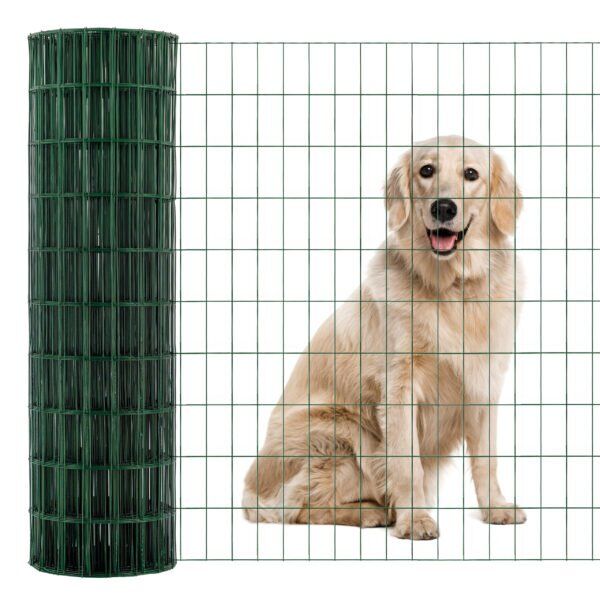
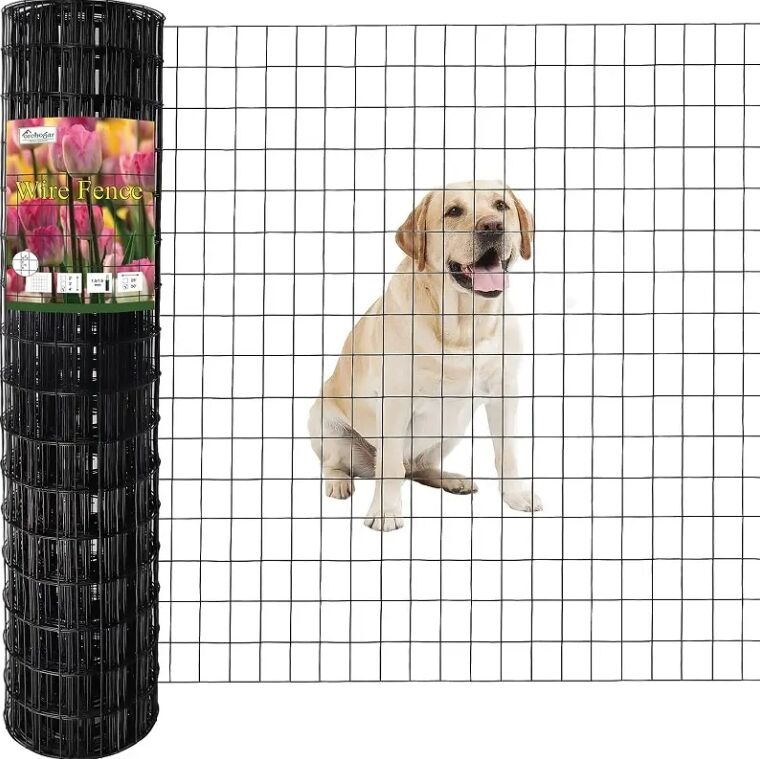
Wire welded fences, also known as security fences or Euro Panels, have emerged as a reliable and cost-effective solution for safeguarding a diverse array of spaces. Comprising high-quality low carbon galvanized wire expertly welded together and connected to robust metal posts via secure clamps, these fences offer an unbeatable combination of strength, durability, and ease of installation. Their unique V-shaped bending curves not only enhance their structural integrity but also lend an aesthetically pleasing appearance, making them a practical and attractive choice for numerous applications.
II. Manufacturing Process
1. Material Selection
- The choice of low carbon galvanized wire is crucial. This material provides excellent corrosion resistance, ensuring the fence can withstand exposure to the elements over extended periods. In areas with high humidity, near coastal regions, or in industrial settings where chemical pollutants may be present, the galvanized coating acts as a protective shield, preventing rust and deterioration. The low carbon content also imparts ductility, allowing for easy shaping during the manufacturing process without compromising strength.
- The metal posts are carefully selected for their sturdiness. Typically made from steel alloys, they are designed to provide a stable foundation for the fence panels. Their dimensions and thickness are calculated to bear the weight and stress exerted by the wire panels, as well as any external forces such as wind or accidental impacts.
2. Welding and Assembly
- Advanced welding techniques are employed to join the individual wires at their intersections. This creates a rigid and seamless lattice structure, maximizing the fence's strength. Automated welding processes ensure consistent quality, with precise control over the heat input to avoid weakening the wire. The V-shaped bending curves are then meticulously formed, adding an extra dimension of rigidity. These curves distribute stress more evenly across the panel, reducing the likelihood of deformation under heavy loads.
- The assembly of the fence panels to the metal posts is a straightforward yet critical step. High-quality clamps are used to secure the panels in place, allowing for easy installation and adjustment. The clamps are designed to provide a firm grip without damaging the wire or the posts, ensuring a long-lasting connection.
3. Quality Assurance
- Rigorous quality checks are carried out at multiple stages of production. The wire is inspected for proper galvanization thickness and uniformity, ensuring optimal corrosion protection. Welded joints are tested for strength and integrity, with any weak or defective welds repaired or rejected. The assembled fence panels are subjected to load tests to simulate real-world conditions, verifying their ability to withstand the forces they will encounter in different applications.
III. Applications
1. Construction Sites
- On construction sites, wire welded fences serve as a vital safety barrier. They prevent unauthorized access, protecting both the public and construction workers from potential hazards. The fences can be quickly erected and dismantled as the project progresses, providing flexible security solutions. Their durability ensures they can withstand the rough handling and impacts associated with construction activities, while the clear visibility through the wire mesh allows for easy monitoring of the site.
2. Residential Buildings
- Around residential properties, these fences offer both security and aesthetic appeal. They define property boundaries while allowing homeowners to maintain a sense of openness. The V-shaped curves and sleek design complement various architectural styles, enhancing the curb appeal of the house. In gated communities, wire welded fences provide a uniform and secure perimeter, giving residents peace of mind.
3. Sports Fields
- At sports fields, the fences act as a boundary marker, keeping spectators and players in the designated areas. Their durability is essential to withstand the constant pushing and leaning that occurs during sporting events. The open wire mesh design also allows for good air circulation, preventing the buildup of heat and humidity, which can be beneficial for the comfort of athletes and spectators alike.
4. Warehouses
- In warehouse settings, wire welded fences are used to partition storage areas, control access to valuable inventory, and protect against theft. The fences can be customized to fit different layouts and heights, providing tailored security solutions. Their ability to withstand forklift impacts and heavy loads makes them a practical choice for the industrial environment.
5. Highway or Airport Service Areas
- Along highways and at airport service areas, these fences play a crucial role in traffic management and security. They prevent pedestrians and unauthorized vehicles from straying into restricted zones, ensuring the safety of motorists and airport operations. The high visibility of the wire mesh is especially important in these settings, allowing for quick identification of any potential breaches.
6. Railway Stations
- At railway stations, wire welded fences are used to cordon off platforms, tracks, and other sensitive areas. They keep passengers away from moving trains and electrical equipment, reducing the risk of accidents. The fences can be integrated with access gates and signage, facilitating smooth passenger flow while maintaining a secure environment.
IV. Conclusion
Wire welded fences have proven themselves to be an indispensable asset in modern security and boundary management. Their affordable price ratio, ease of installation, and remarkable durability make them a go-to choice for a wide range of applications. Whether it's protecting a construction site during development, securing a residential neighborhood, or maintaining order in a busy transportation hub, these fences offer reliable and effective solutions. As technology and manufacturing continue to evolve, we can expect further enhancements in their design and performance, solidifying their position as a staple in the world of fencing and security infrastructure.
| FOB Port | Tianjin | Lead Time | 8–12 days |
|---|---|---|---|
| Weight per Unit | 5.0 Kilograms | Dimensions per Unit | 40.0 x 20.0 x 30.0 Centimeters |
| HTS Code | 7314.31.00 00 | Units per Export Carton | 0.5 |
| Export Carton Dimensions L/W/H | 80.0 x 40.0 x 50.0 Centimeters | Export Carton Weight | 2.0 Kilograms |
| Main Export Markets |
Asia,
Australasia,
Central/South America,
Eastern Europe,
Mid East/Africa,
North America,
Western Europe | ||
|---|---|---|---|
| Payment Method | Telegraphic Transfer (TT,T/T) | ||||
|---|---|---|---|---|---|


关注 “环球资源外贸” 官方微信,获取实时外贸资讯