Image source: Ralf Geithe/Getty
Gardening is an age-old practice that requires the right tools to achieve success. Among the essential implements in a gardener's arsenal are rakes and spading forks. Both these tools are typically long-handled and have projecting metal tines or prongs, but they are shaped differently to accomplish different gardening tasks.
These seemingly simple tools serve crucial functions in preparing and maintaining a garden, particularly in improving soil quality, removing organic debris and maintaining the garden’s attractiveness.
In this article, we will delve into the topic of rakes and spading forks, exploring their types, uses, and the importance of choosing the right one for the end-user’s particular gardening needs.
Uses of Rakes and Spading Forks
Soil Preparation: Garden rakes are instrumental in leveling and smoothing the soil, while spading forks help break up compacted earth and improve drainage.
Weed Control: Rakes can be used to gently remove surface weeds, while spading forks are effective at digging out deep-rooted ones.
Mulch and Compost: Rakes help spread mulch evenly, while pitchforks assist in turning and aerating compost piles.
Lawn Care: Thatch rakes are essential for maintaining a healthy lawn by removing excess thatch.
Types of Rake
Rakes come in various forms, each designed for specific tasks in the garden. Here are some common types:
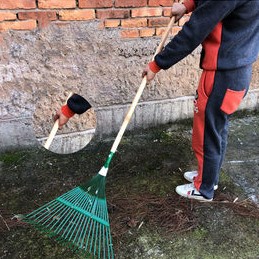
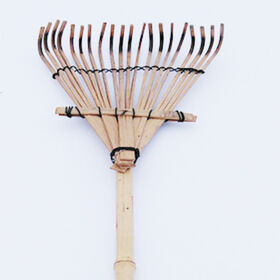
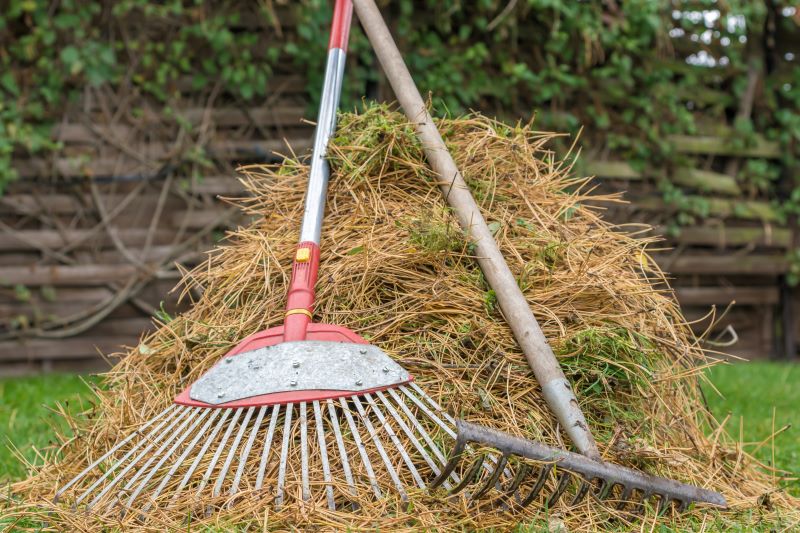
- Leaf Rakes: Characterized by their lightweight construction and wide, fan-shaped heads. They are good for gathering fallen leaves, grass clippings, and other lightweight debris without damaging the soil underneath.
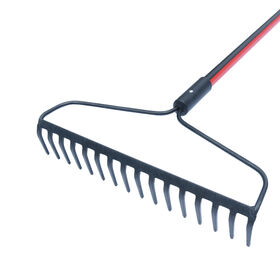
- Garden Rakes: Also known as bow rakes, these have sturdier construction and narrow, pointed tines. These are ideal for breaking up soil, leveling ground, and preparing garden beds for planting.
- Thatch Rakes: Designed to remove thatch—a layer of dead grass and roots—that can choke your lawn. They have sharp, curved tines that penetrate the thatch and lift it, allowing for better airflow and nutrient absorption.
- Landscape Rakes: Heavy-duty tools with adjustable tines. They are used for grading and leveling soil, spreading mulch, or removing debris from larger areas.
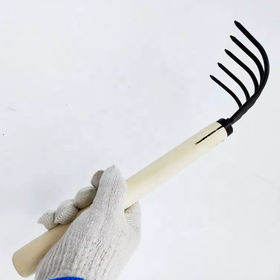
- Hand Rakes: These are essentially scaled-down garden rakes with a short handle, like a trowel. Garden hand rakes have hard tines designed to dig into or till soil. They are ideal for getting rid of weeds and small stones out of a garden bed or flowerpot, or smaller areas in a garden where a full-size rake will not fit or is at risk of damaging plants.
Types of Spading Fork
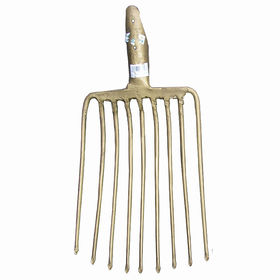
Spading forks are sturdy, multipronged tools designed for digging, turning, and aerating soil. Their tines or prongs are usually flat. Like rakes, they also have various types, including:
- Digging Forks: These forks have four sturdy, pointed tines that make them ideal for digging into compacted soil and lifting out rocks or roots.
- Border Forks: These have smaller heads and shorter handles, making them suitable for working in confined spaces or near established plants.
- Pitchforks: With their long, slender tines, pitchforks are primarily used for turning compost piles and moving bulk materials like hay or straw.
Choosing the Right Tool
Selecting the right rake or spading fork depends on the specific task and the type of soil in the garden. Factors to be considered include the handle material (wood or fiberglass), handle length (long for extended reach or short for maneuverability), and the number and type of tines or prongs.
It's essential for gardeners to invest in high-quality tools that are comfortable to use and durable. Well-maintained rakes and spading forks can serve a user for many years, making them a cost-effective choice for any gardener.
Conclusion
Rakes and spading forks may appear to be simple tools, but they are indispensable in the world of gardening. By understanding their types, uses, and how to choose the right one, gardening enthusiasts can elevate their gardening game and ensure that their plants thrive.
Whether the user is a novice or hobby gardener or one managing a sprawling garden, rakes and spading forks can be instrumental for their success in their horticultural goals.
Frequently Asked Questions
What is a spading fork and what is it used for?
A spading fork, also known as a garden fork or digging fork, is a gardening tool that is used for a variety of purposes. It typically consists of a handle, usually made of wood or metal, and several sturdy tines or prongs attached to it.
The main function of a spading fork is to loosen and turn over soil. It is particularly useful for tasks such as digging, aerating, and breaking up compacted soil. The tines of the fork are designed to penetrate the soil easily and allow for effective lifting and turning of the earth.
Spading forks are commonly used in gardening and landscaping activities. They are especially handy when preparing garden beds, planting or transplanting plants, and incorporating amendments or fertilizers into the soil. The fork's sturdy construction makes it suitable for working with dense or heavy soils.
Aside from soil cultivation, spading forks can also be used for tasks like lifting and dividing perennials, harvesting root crops, and removing weeds. The fork's tines can help loosen the plant's roots gently, minimizing damage during transplanting or harvesting.
Overall, a spading fork is a versatile tool that plays a vital role in various gardening tasks, allowing for efficient soil preparation and maintenance in both small and large-scale gardening projects.
What is a garden trowel?
A garden trowel is a small handheld tool used for various gardening tasks involving digging, planting, and transplanting. It typically consists of a handle and a flat, pointed, or scoop-shaped metal blade.
The blade of a garden trowel is usually made of stainless steel or hardened carbon steel, which makes it durable and resistant to rust. The shape and size of the blade can vary, but it is generally wider and shorter than that of a spade or shovel.
Garden trowels are designed to be versatile and handy for a range of gardening activities. Here are some common uses of a garden trowel:
- Digging small holes: The pointed or scoop-shaped blade of the trowel is ideal for digging small holes for planting seeds, seedlings, or small plants. It allows for precise placement and control while working in confined spaces.
- Transplanting: When moving plants from one location to another, a trowel is useful for carefully digging around the plant's root ball and lifting it out of the ground. The compact size of the trowel makes it easier to handle delicate plant roots.
- Weeding: Garden trowels can be helpful for removing weeds, especially those with taproots or shallow root systems. The blade can be used to dig around the weed and lift it out of the soil, minimizing damage to surrounding plants.
- Mixing soil and amendments: A trowel can be used to blend soil with compost, fertilizer, or other amendments. Its flat blade allows for efficient mixing and distribution of materials during soil preparation.
- Cultivating and loosening soil: The edge of the trowel can be used to break up compacted soil, loosen surface roots, or create furrows for planting rows of seeds.
Garden trowels are considered essential tools for gardeners of all skill levels due to their versatility, ease of use, and ability to handle a wide range of gardening tasks.
What are the uses of a hand fork?
A hand fork, also known as a hand cultivator or hand weeder, is a small handheld gardening tool that consists of a handle and several short, sturdy tines or prongs. It is designed to be held and used with one hand.
The primary purpose of a hand fork is to cultivate and aerate the soil in small or confined spaces, where larger tools like spades or forks may be impractical. Here are some common uses of a hand fork:
- Weeding: Hand forks are particularly effective for removing weeds from garden beds, containers, or tight spaces between plants. The tines can be inserted into the soil around the weed's roots, allowing for easy lifting and removal while minimizing disturbance to nearby plants.
- Loosening soil: The tines of a hand fork can be used to break up compacted soil, especially in smaller areas or around the base of plants. By gently working the fork into the soil and loosening it, the tool helps improve drainage, airflow, and nutrient penetration.
- Mixing soil and amendments: Hand forks are handy for blending soil with compost, mulch, or other organic matter. The tines can be used to incorporate amendments into the soil, ensuring even distribution and improved soil structure.
- Planting and transplanting: Hand forks can be used to create small planting holes or loosen the soil around existing plants before transplanting. The tool helps ensure proper root development and reduces the risk of damage to delicate roots.
- Cultivating and raking: In raised beds, containers, or small garden plots, a hand fork can be used to cultivate the soil or lightly rake the surface. It helps to remove debris, break up clumps, and prepare the soil for seeding or planting.
Hand forks are lightweight, versatile tools that provide precision and control when working in smaller gardening areas. They are often preferred for tasks that require careful handling and minimal soil disruption. Whether it's weeding, loosening soil, or preparing for planting, a hand fork is a valuable tool for maintaining healthy and well-tended gardens.
What is the difference between a spading fork and a garden fork?
While the terms "spading fork" and "garden fork" are sometimes used interchangeably, there can be some variations in their design and purpose. Here are the main differences between the two:
- Design and Construction: A spading fork typically has four sturdy, flat tines or prongs that are relatively straight and closely spaced. The tines of a spading fork are often broader and thicker than those of a garden fork, which makes it suitable for digging and turning over soil. On the other hand, a garden fork usually has three or four broader, curved tines that are spaced slightly farther apart. The tines of a garden fork are generally thinner and more flexible, making it better suited for tasks like lifting and turning compost, mulch, or other lighter materials.
- Primary Purpose: The primary purpose of a spading fork is to loosen and turn over compacted soil, making it easier to work with or prepare for planting. It is commonly used for tasks like digging garden beds, incorporating amendments, or breaking up clumps of earth. A garden fork, on the other hand, is more versatile and can be used for a wider range of gardening activities. It is suitable for tasks like turning compost piles, lifting or spreading mulch, and aerating the soil.
- Soil Penetration: Due to the sturdier and more closely spaced tines, a spading fork is generally better at penetrating denser or heavier soils, such as clay or loam. It can effectively break through compacted soil and lift it, facilitating soil improvement and cultivation. Garden forks, with their broader and more flexible tines, are better suited for lighter or looser soils, as well as for delicate tasks around plant roots.
- Size and Weight: Spading forks tend to be larger and heavier than garden forks. The larger size and weight of a spading fork provide more leverage and power for digging and turning soil. Garden forks, being smaller and lighter, offer greater maneuverability and control in tighter spaces or when working with lighter materials.
Ultimately, the choice between a spading fork and a garden fork depends on the specific gardening tasks at hand and the type of soil being worked with. If the primary need is to dig and turn over dense or compacted soil, a spading fork would be the more suitable option. However, if the user requires a versatile tool for a variety of garden maintenance activities, including composting, mulching, and aerating, a garden fork may be a better choice.
What is the difference between a spading fork and a digging fork?
The terms "spading fork" and "digging fork" are sometimes used interchangeably, and the distinction between them can vary depending on regional or personal preferences. However, there are a few general differences that are often associated with these terms:
- Tine Design: One common distinction is in the design of the tines. A spading fork typically has four straight and flat tines that are evenly spaced. These tines are often broader and thicker compared to those of a digging fork. In contrast, a digging fork typically has three or four curved tines that are spaced slightly farther apart. The curved shape of the tines allows for more efficient digging and lifting of soil.
- Intended Use: The primary purpose of a spading fork is to loosen and turn over compacted soil. It is commonly used for tasks like digging garden beds, incorporating amendments, or breaking up clumps of earth. A spading fork is especially effective for working with heavy or dense soils. On the other hand, a digging fork is designed specifically for digging tasks. It is ideal for tasks like loosening soil, lifting plants or bulbs, and harvesting root crops.
- Soil Penetration: Due to the differences in tine design, spading forks and digging forks may have varying levels of soil penetration. The straight, flat tines of a spading fork are generally better at penetrating denser or heavier soils, such as clay or loam. They can effectively break through compacted soil and lift it. Digging forks, with their curved tines, are well-suited for looser or lighter soils, as well as for tasks that require efficient digging and lifting of soil.
- Size and Weight: Spading forks and digging forks can vary in size and weight. However, there is no fixed rule regarding the size or weight of each type. In general, both types of forks are available in different sizes to accommodate various preferences and needs. The size and weight of the tool can impact its maneuverability and the level of effort required during use.
How do spades and trowels differ?
Spades and trowels are both gardening tools used for digging, but they differ in their design, size, and intended uses. Here are the main distinctions between spades and trowels:
- Design: A spade typically has a flat, rectangular metal blade with a sharp edge on one side. The blade is attached to a long handle, allowing for leverage and power during digging. Spades are often larger and heavier than trowels, designed for heavier digging tasks. Trowels, on the other hand, have a smaller, handheld design. They have a pointed or scoop-shaped metal blade attached to a handle, which can be wooden, plastic, or metal. Trowels are more compact and lightweight compared to spades, making them suitable for precise and detailed work.
- Size: Spades are generally larger and longer in size compared to trowels. The blade of a spade can range from 8 to 12 inches in width, while the handle can be around 3 to 4 feet long. Trowels, on the other hand, typically have a blade width of 2 to 6 inches and a handle length of around 6 to 12 inches.
- Intended Use: Spades are primarily used for heavy-duty digging tasks, such as breaking new ground, turning over soil, or digging trenches. Their larger size and sturdy construction make them well-suited for tasks that require significant force and endurance. Trowels are more versatile and are used for various gardening activities, including planting, transplanting, weeding, and soil preparation. Their compact size and precise blade shape allow for more delicate and detailed work, making them ideal for working in tight spaces, containers, or around established plants.
- Digging Technique: When using a spade, the gardener typically places a foot on the top edge of the blade to drive it into the ground and leverage the soil. Spades are designed for more substantial digging and breaking up compacted soil.
Trowels are used by hand, with the gardener applying downward pressure on the blade to penetrate the soil. The small size and maneuverability of trowels make them suitable for tasks that require precision and control, such as digging small holes, planting seeds, or transplanting delicate seedlings.
Overall, spades are larger, heavier, and designed for heavy-duty digging, while trowels are smaller, lighter, and more versatile for a range of gardening tasks. The choice between them depends on the specific gardening needs and the scale of the project at hand.
Product Recommendations
Rhinoceros Manufacturing (Zhongshan) Ltd
VitalGold Industries Co. Ltd