Download App
Better Online and Trade Show Sourcing Experiences.Scan the QR code to download.
Learn More

2 years
 ,
Exporter,
Importer,
Agent,
Online Seller,
Buying Office,
Retailer,
Consultant,
Trading Company,
Distributor,
Wholesaler
| Model Number | fence - 001-#1607 | Brand Name | Jinjue |
|---|---|---|---|
| origin | China | Small Orders | Accepted |
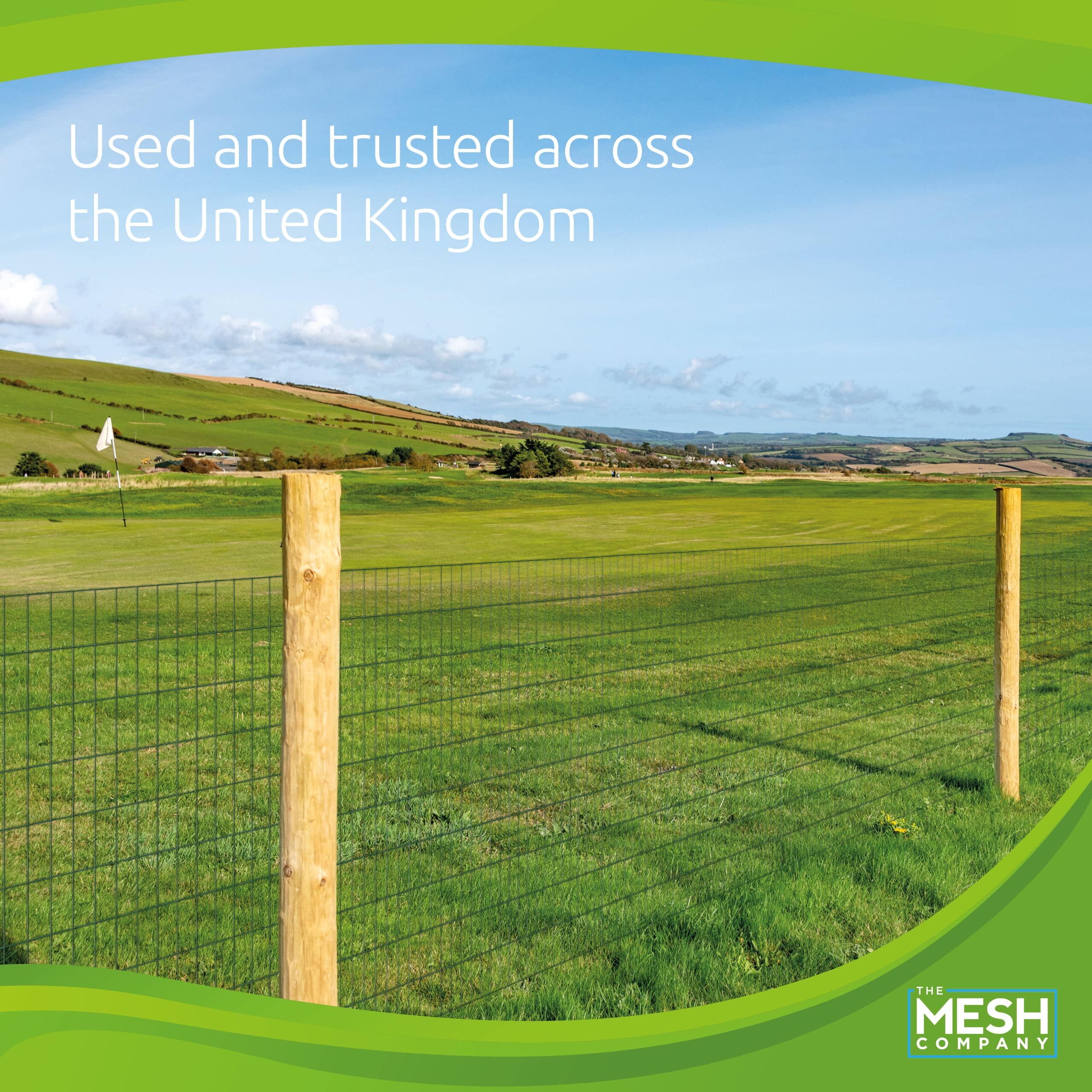
Galvanized Wire Mesh Fence for Cattle, Horse and Goat Farms
I. Product Overview
Galvanized wire mesh fences designed specifically for cattle, horse, and goat farms are essential facilities in modern livestock breeding and farm management. Meticulously engineered to meet the unique requirements of enclosing and partitioning areas for these domestic animals, these fences combine advanced material technologies and exquisite craftsmanship. They offer outstanding protective capabilities, durability, and adaptability to a wide range of complex environments. Whether it's vast prairie pastures or neatly organized farm fields, they can create safe, comfortable, and clearly defined activity spaces for livestock, safeguarding the prosperous development of the livestock industry.
II. Material Characteristics
1. Base Material
- High-quality low-carbon steel wire is selected as the core raw material, with its carbon content precisely controlled within the ideal range of 0.05% - 0.25%. This carbon content range endows the wire with excellent processing properties, enabling it to be easily fabricated into various fine specifications. At the same time, it ensures that the wire possesses a certain level of strength while maintaining good flexibility, facilitating subsequent processing steps such as weaving and shaping, laying a solid foundation for constructing a tough and durable fence.
2. Galvanizing Process
- Employing industry-leading hot-dip galvanizing technology, the wire is thoroughly immersed in a high-temperature molten zinc bath. Through this meticulous treatment, a uniform and dense zinc layer with a thickness of 50 - 85μm is evenly adhered to the wire surface. This zinc layer serves as a robust armor, shielding the wire from corrosive attacks by the external environment and significantly prolonging the service life of the fence. Even under harsh outdoor conditions such as wind, rain, and sun exposure, it can stand firm for 10 - 15 years. Moreover, the unique self-healing property of the zinc layer enables it to automatically form a protective film when the wire surface sustains minor scratches or other damages, continuously safeguarding the wire matrix and ensuring the integrity of the overall fence structure.
3. Optional Additional Treatments
- For even greater protection, an additional PVC/PE coating option is available. This coating not only further enhances the fence's resistance to ultraviolet rays, preventing color fading and material degradation caused by prolonged sun exposure, but also significantly improves its abrasion resistance. This makes it particularly suitable for use in regions with high humidity, saline-alkali soil, or other harsh environmental conditions where the fence is subjected to more intense wear and tear.
III. Physical Properties
1. Tensile Strength
- The tensile strength of the wire used in the fence is carefully calibrated to range from 450 to 600 MPa, depending on the specific wire diameter. This level of tensile strength is crucial as it enables the fence to withstand the continuous pulling and pushing forces exerted by livestock. Whether it's a large and powerful cattle trying to lean against the fence or a frisky horse galloping and nudging it, the fence remains steadfast, providing reliable containment.
2. Mesh Specifications
- Different mesh sizes are tailored to suit the characteristics of different livestock. For cattle and horses, a larger mesh size of 150mm × 150mm is typically employed. This not only reduces material costs but also allows for better visibility and air circulation, creating a more comfortable living environment for these large animals. Meanwhile, for goats and other smaller or more agile livestock, a finer mesh size of 50mm × 50mm is used to prevent them from squeezing through the gaps and escaping, ensuring tight security.
3. Wire Diameter Range
- The wire diameter of the fence varies from 2.5 to 4.0mm, with options for heavier-duty applications reaching up to 5.0mm. The appropriate wire diameter is selected based on the specific requirements of the farm, such as the size and strength of the livestock being contained, the local wind and weather conditions, and the expected lifespan of the fence. A thicker wire diameter provides enhanced strength and durability, while a thinner one may be more suitable for lighter-duty or temporary fencing needs.
IV. Structural Design
1. Weaving or Welding Method
- The fence can be fabricated using either a precise weaving technique or a robust welding process. In the weaving method, the wires are interlaced in a carefully designed pattern, resulting in a flexible and resilient mesh structure. This allows the fence to absorb some of the impact forces from livestock without easily deforming. On the other hand, the welding process creates strong and permanent joints, ensuring the integrity of the fence even under heavy loads. The choice between the two methods depends on factors such as cost, installation requirements, and the desired level of rigidity.
2. Roll Length and Height Dimensions
- Standard roll lengths typically range from 25 to 50 meters, providing convenient installation options for different fence lengths. The height of the fence is adjustable to meet various needs, with common heights ranging from 1.2 to 2.4 meters. Custom heights can also be manufactured upon request to accommodate specific farm layouts or livestock management requirements. For example, if the farm has particularly tall or jumpy animals, a higher fence may be necessary to prevent escapes.
3. Edge Treatment
- To enhance the overall stability and safety of the fence, special attention is given to edge treatment. The edges can be finished with a folded design, which not only strengthens the border of the mesh but also eliminates sharp edges that could potentially harm livestock. Alternatively, a border frame can be added, providing additional rigidity and support. This is especially important when the fence is installed in areas with high winds or where it may be subject to accidental impacts.
V. Application Scenarios
1. Farm and Pasture Use
- On livestock farms, the galvanized wire mesh fence is used to divide grazing areas, allowing for efficient rotational grazing management. It can also isolate sick or injured animals to prevent the spread of disease and protect young and vulnerable livestock from potential harm. In vast pastures, it helps define property boundaries, ensuring that livestock do not stray into neighboring areas.
2. Temporary Fencing Applications
- For temporary needs such as outdoor events, construction sites, or emergency quarantine areas, these fences offer a quick and reliable solution. They can be easily installed and removed as required, providing a flexible means of creating temporary enclosures. For instance, during a local fair or exhibition where livestock are on display, the fence can be set up to ensure the safety of both the animals and the public.
3. Pet and Zoo Enclosures
- In petting zoos or larger zoo enclosures for deer, camels, and other similar animals, the wire mesh fence provides a safe and visible barrier. It allows visitors to observe the animals up close while ensuring the animals remain within their designated areas. The appropriate mesh size and height are selected to match the specific behaviors and sizes of the animals, creating a comfortable and secure environment for both the animals and the visitors.
4. Agricultural Protection
- In agricultural fields, the fence serves to keep out wild animals that could damage crops. Deer, rabbits, and other pests are effectively deterred by the sturdy fence, protecting the farmer's hard-earned harvest. This helps reduce losses due to wildlife foraging and enables more sustainable agricultural practices.
VI. Installation Guide
1. Tool Preparation
- To install the galvanized wire mesh fence, you will need a set of essential tools. These include metal or wooden posts, wire cutters, tensioners, U-shaped nails, and a measuring tape. For heavier-duty fences, an electric welder or wire binding tools may be required to ensure secure connections. The choice of tools depends on the specific type and size of the fence being installed.
2. Installation Steps
- Post Installation: Begin by digging holes at predetermined intervals, usually 2 - 3 meters apart depending on the fence design. Insert the metal or wooden posts firmly into the ground, ensuring they are plumb and stable. Use concrete or other suitable anchoring methods to secure the posts in place. This provides the foundation for the entire fence structure.
- Mesh Unrolling and Attachment: Once the posts are in place, carefully unroll the wire mesh along the line of the posts. Use U-shaped nails or wire ties to attach the mesh to the posts at regular intervals. Start at one end and work your way along, ensuring the mesh is taut and properly aligned. For longer fences, it may be necessary to use a tensioner to achieve the appropriate tension in the wire, preventing sagging and ensuring the fence remains effective.
- Edge and Corner Reinforcement: Pay special attention to the edges and corners of the fence. At the edges, use additional bracing or border frames to strengthen the structure. In corners, use diagonal braces or specially designed corner connectors to distribute the forces evenly and prevent the fence from buckling under stress. This extra reinforcement is crucial for maintaining the integrity of the fence over time.
VII. Maintenance and Longevity
1. Regular Inspection
- Periodically inspect the fence for any signs of damage, such as broken wires, loose connections, or rust spots. Check the integrity of the zinc layer and any additional coatings. Inspect the posts for stability, especially after heavy winds or other extreme weather conditions. Early detection of problems allows for timely repairs and helps extend the lifespan of the fence.
2. Cleaning and Repairs
- If the fence becomes dirty or covered with debris, use a soft brush and mild detergent solution to clean it gently. Rinse thoroughly with clean water and dry completely. For minor wire breaks, use wire connectors or splicing tools to repair the damage. If the rust damage is extensive, consider applying a rust converter or touch-up paint to protect the underlying metal. In cases where the zinc layer has been severely compromised, re-galvanizing or applying a protective coating may be necessary.
3. Long-Term Durability
- By following proper maintenance procedures, the galvanized wire mesh fence can maintain its functionality and appearance for many years. The combination of high-quality materials, advanced manufacturing processes, and regular care ensures that the fence provides reliable protection for livestock and agricultural areas, making it a cost-effective investment for farmers and ranchers alike.
| FOB Port | Tianjin | Lead Time | 8–12 days |
|---|---|---|---|
| Weight per Unit | 5.0 Kilograms | Dimensions per Unit | 40.0 x 20.0 x 30.0 Centimeters |
| HTS Code | 7314.31.00 00 | Units per Export Carton | 200.0 |
| Export Carton Dimensions L/W/H | 50.0 x 20.0 x 30.0 Centimeters | Export Carton Weight | 2.0 Kilograms |
| Main Export Markets |
Western Europe,
Asia,
Australasia,
Central/South America,
Eastern Europe,
Mid East/Africa,
North America | ||
|---|---|---|---|
| Payment Method | Telegraphic Transfer (TT,T/T) | ||||
|---|---|---|---|---|---|


关注 “环球资源外贸” 官方微信,获取实时外贸资讯