




Smart manufacturing continues to attract attention in China, especially as a “modern industrial system” is the first key objective stated in the 15th Five-Year Plan (2026 to 2030).
“This means both fostering emerging and future industries (like aerospace, biomanufacturing, hydrogen, new materials and quantum) as well as upgrading traditional industries (such as mining, chemicals and machinery),” according to Alexander Brown writing for MERICS Briefs. “Officials are to accelerate the application of digital, smart and green technologies in all areas to drive innovation and productivity.”
The electronics manufacturing services (EMS) sector, in China as elsewhere, has been leveraging smart technology to realize higher levels of production efficiency and product quality while lowering costs.
Chinese manufacturers have begun to introduce the Industrial Internet of Things (IIoT) concept into their work in PCB assembly (PCBA), a core component of EMS. Adopting an advanced smart planning and scheduling system enables them to generate an optimal operations program based on customers’ orders, equipment capacity and materials inventory. This flexibility ensures suppliers can respond quickly to customers and guarantee multi-variety small-batch orders.
Meanwhile, all manufacturing, test and packaging equipment will be integrated into a loop via IIoT to share production data, monitor processes and send alerts for any breakdown.
Implementation
Many PCBA companies in China have installed smart systems in their factories in recent years.
Shenzhen JDB adopted a hybrid approach, combining a flexible platform with the stability and control of a rigid manufacturing process. This ensures shorter delivery lead time and better compliance with the specific requirements of customers.
Shenzhen HTY, meanwhile, has developed an MES+ERP+CRM+IoT program to fully control the whole production process for PCB assemblies. The company has ISO 9001, 13485, 14001, 45001 and IATF 16949 credentials and ensures its products are compliant with CE, FCC, CCC and RoHS standards.
Assured EMS growth
Globally, the EMS market reached $512.9 billion in 2025 and is projected to have a CAGR of 5.54 percent up to 2032, with the value estimated at $748.3 billion by the end of the forecast period, according to Sohu News.
The same source said that China maintained its lead position in 2025, realizing $265.3 billion. In the next two years, its EMS sector is expected to experience an annual growth of 5 to 10 percent, driven by high demand in the electric vehicle, 5G communication, AI, cloud computing and robotics markets.
In PCB assemblies, meanwhile, the high-end segment has seen faster growth worldwide, posting a 15.6 percent increase in 2025 over the previous year, according to Prismark. Chinese companies have a market share of over 30 percent in this category.
Outward expansion
A December 2025 Wall Street Journal report stated that manufacturing in China was, despite US tariffs, still the “world’s indispensable factory floor,” with China’s trade surplus above $1 trillion that year.
A number of challenges face Chinese manufacturing at present, among them the increased stringency of European ESG regulations, with the EU’s Carbon Border Adjustment Mechanism (CBAM) officially taking effect in 2026 as one of the most significant regulatory changes in recent years. With rising labor and production costs at home, too, more Chinese companies are building factories in Southeast Asian countries such as Thailand, Vietnam and Malaysia.
Top PCB manufacturers are among them, including Shennan Circuits, Shengyi and Victory Giant as well as Chinese subsidiaries of some major electronics industry players. This overseas expansion has encouraged PCB assembly suppliers to follow suit. Shenzhen TKE Intelligent Technology, based in Shenzhen with a 20,000sqm facility, has set up a 30,000sqm PCB assembly factory in Vietnam.
Others are pursuing expansion at home. Yabosion, for instance, invested $21.3 million in a production site scheduled to have been completed in end-2025. The project includes the installation of 384 sets of state-of-the-art equipment to achieve an annual capacity of 1.25 billion points.
Still the largest
China remains the largest production base for PCB assemblies, home to hundreds of suppliers that include foreign companies such as Foxconn, Flex and Jabil.
Most homegrown manufacturers operate on a small and medium scale, while larger concerns include companies such as Avary Holding, DSBJ, Victory Giant, Yabosion and Fastprint.
Many factories are found in Guangdong, Fujian, Zhejiang and Jiangsu, with others in southern, eastern and central provinces to serve domestic customers.
Chinese PCB assembly companies source components domestically or abroad, depending on buyers’ preferences. For high-end PCBAs, they usually turn to foreign providers such as TI, Fairchild, AMD, Intel and Samsung for ICs and Murata, TDK, Nippon, Yageo, Vishay, ROHM and Panasonic for passive components.
Materials account for 40 to 60 percent of the total production outlay. In 2025, there were increases, with the cost of memory chips nearly doubling and that of multilayer ceramic capacitors rising by 5 to 40 percent. This upward trend is expected to continue in 2026 but possibly at a lower rate.
To stay competitive, Chinese PCBA suppliers will try to keep their prices unchanged or limit adjustments.
The products in this gallery have been handpicked by our China market analyst for representing current trends in HDI PCB assemblies from China makers.
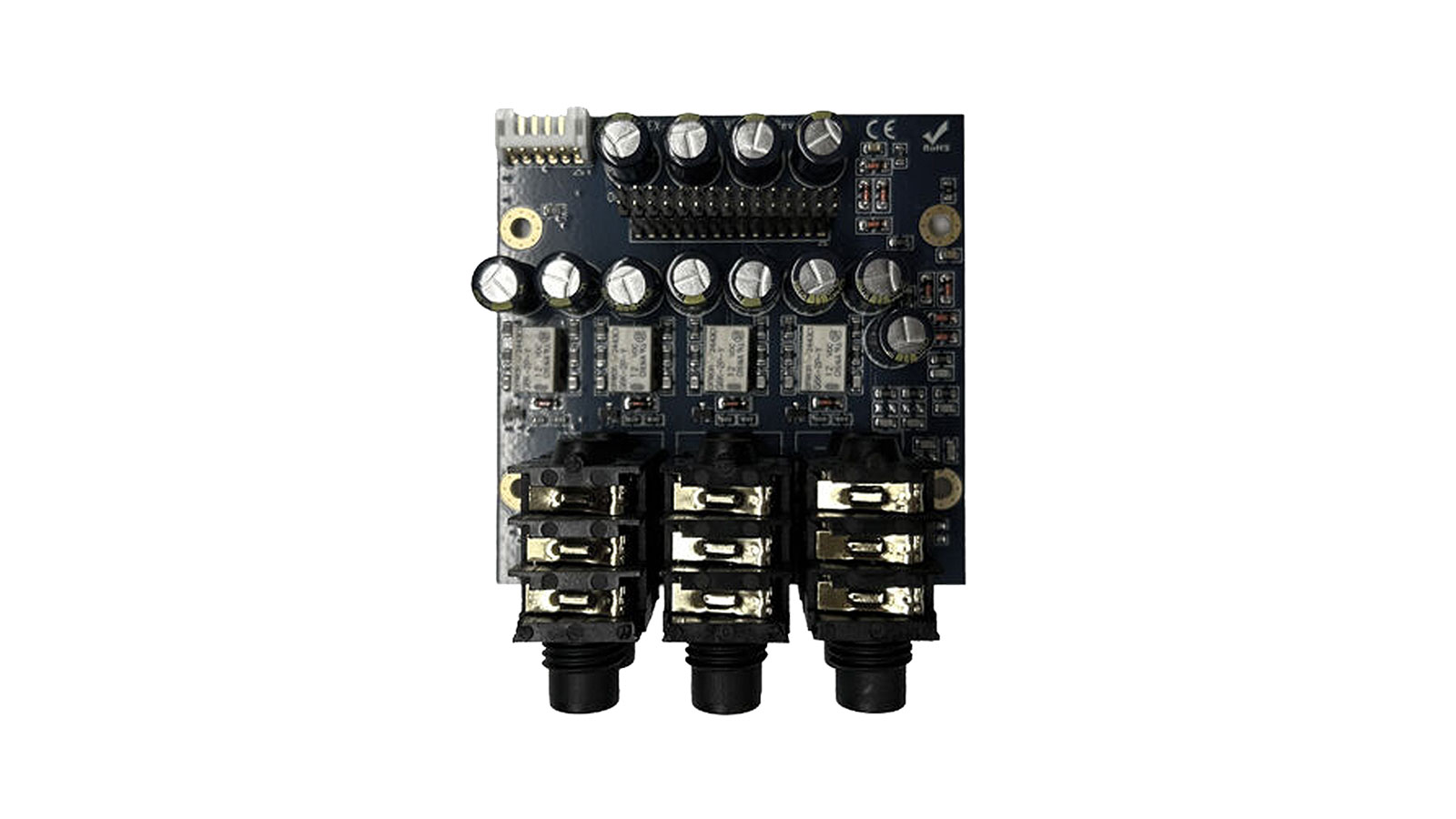
PCBA on single-, double-sided or multilayer PCB
Company: Shenzhen Jiubaba Electronics Co.Ltd
Available using a single-, double-sided or multilayer PCB, the JBB-0055 PCB assembly from Shenzhen Jiubaba is suitable for use in BMS, communication devices and consumer electronics. It conforms to CE and RoHS requirements.
MOQ: Negotiable
Lead time: 7 days
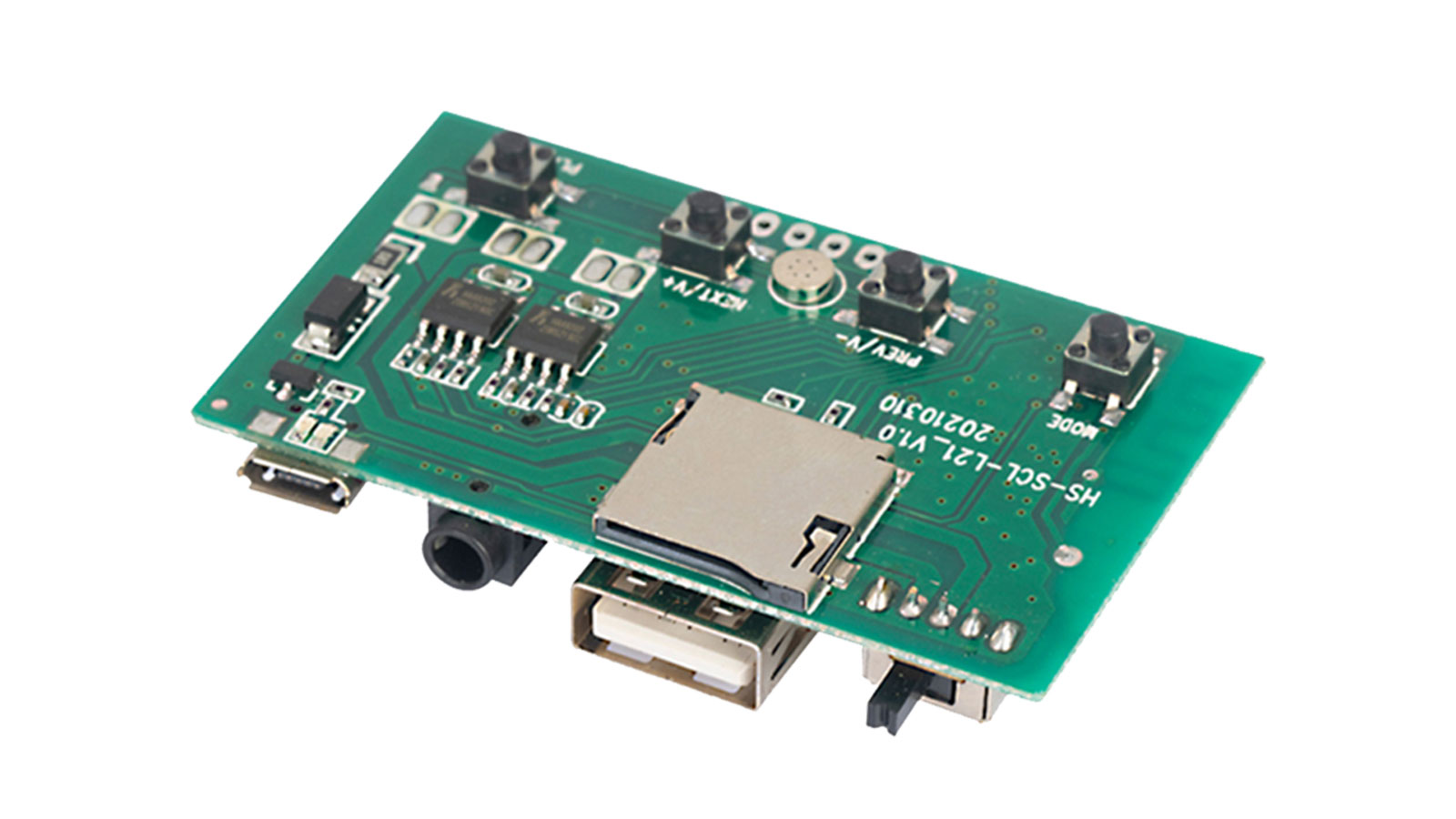
PCBA for 10W soundbars
Company: Shenzhen King Well Technology Co. Ltd
Designed for 10W soundbars, the KW-L21 PCB assembly from Shenzhen King Well uses an FR-4 base with a green solder mask and measures 58.5x36.3mm.
MOQ: Negotiable
Lead time: 7 days
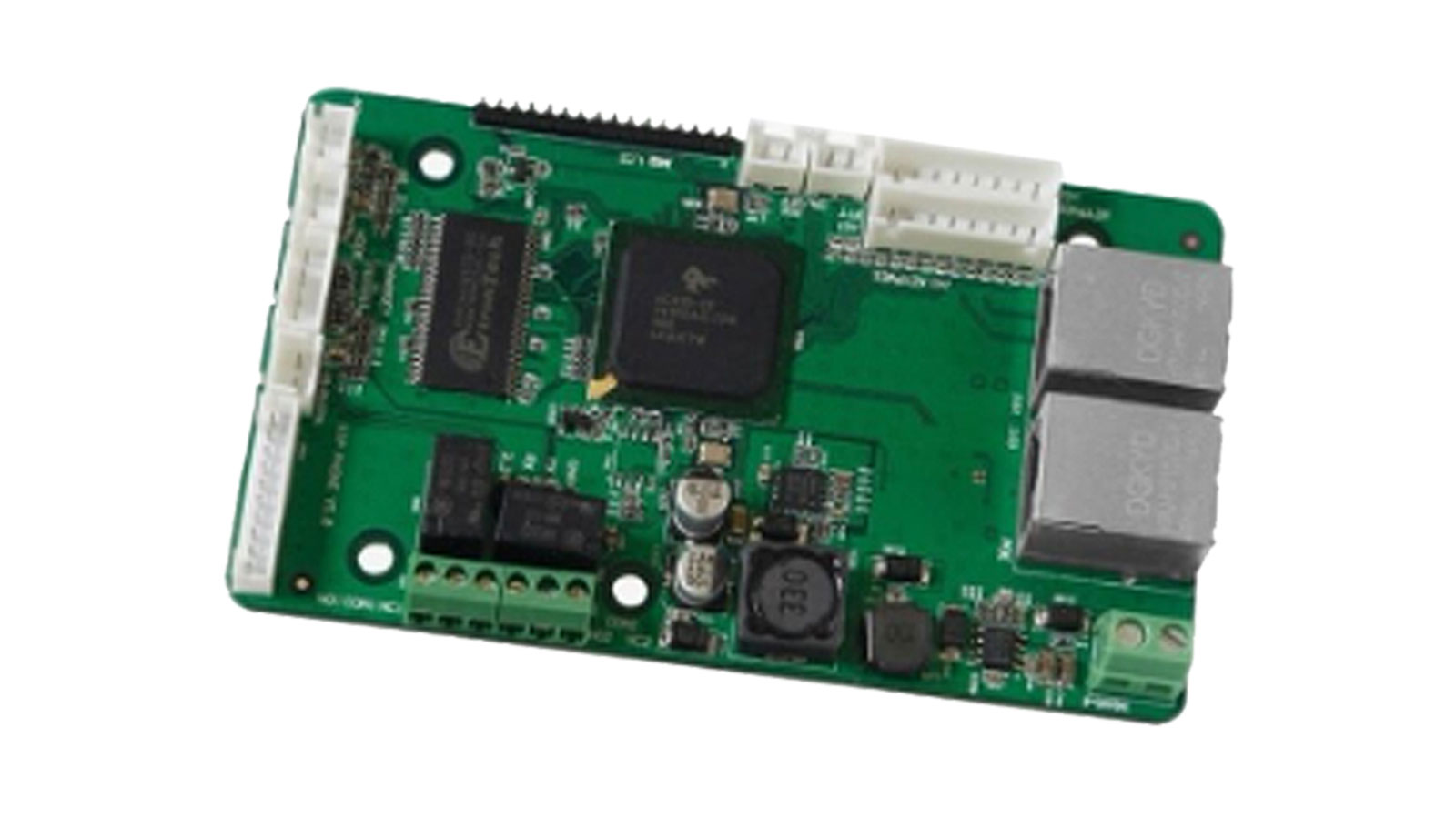
PCBA with 0201 components
Company: Suntek Electronics Co. Ltd
Model PCBA-S1016 from Suntek is a PCB assembly that uses a rectangular, circular or irregular-shaped rigid, flexible, rigid-flex or metal-core board. It has as small as 0201 and 0.25mm-pitch components. The maximum board size is 400x1,200mm.
MOQ: Negotiable
Lead time: 7 days
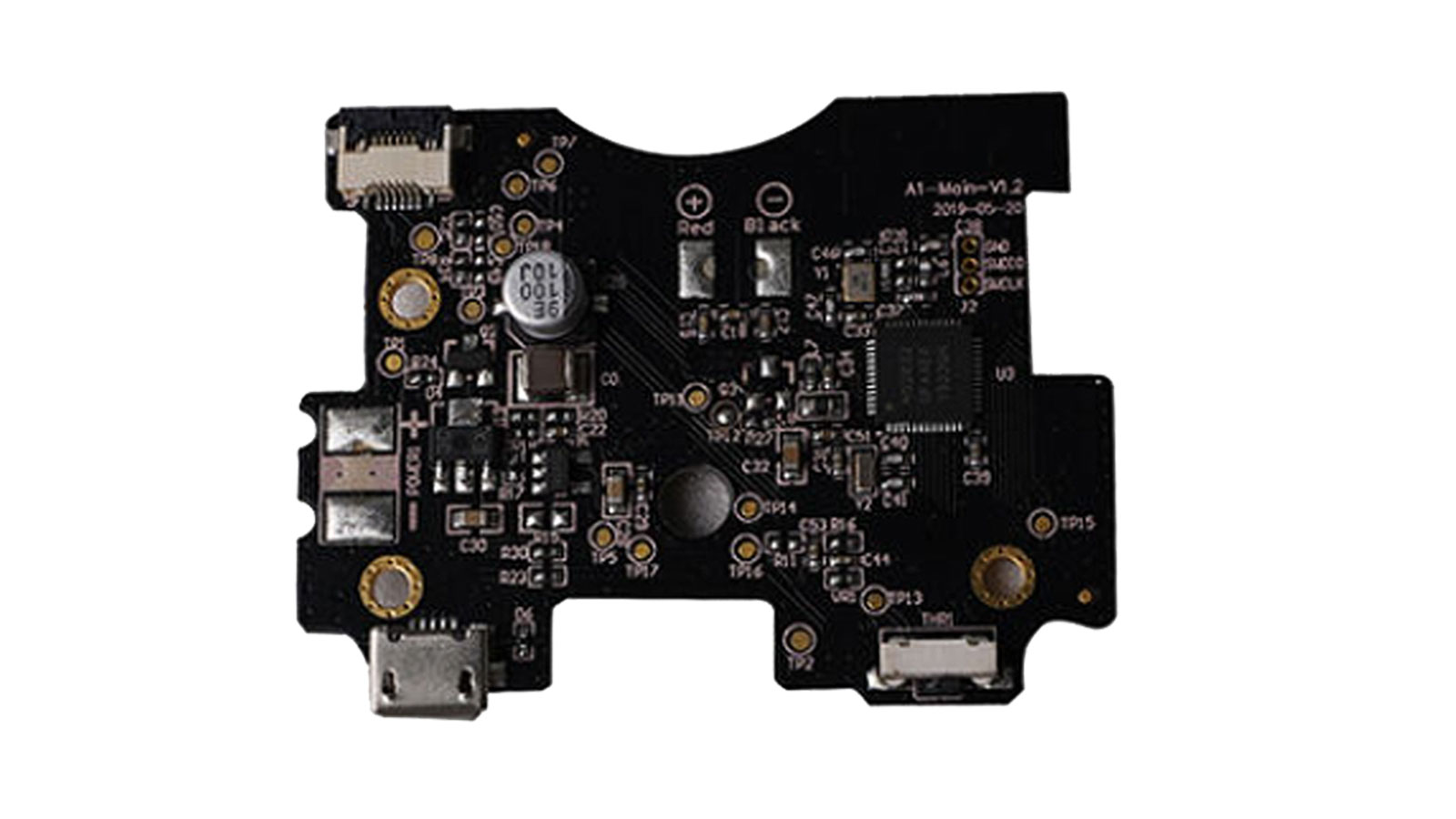
PCBA based on FR-4 PCB
Company: Syhogy (Xiamen) Tech Co. Ltd
Syhogy’s N-PCBA004 PCB assembly uses a double-sided FR-4 board with 2mm thickness. It has 24VDC input voltage, 2A rated current and 48W rated power.
MOQ: 3,000 units
Lead time: 15 days

