Download App
Better Online and Trade Show Sourcing Experiences.Scan the QR code to download.
Learn More
Hot Topics
The plant's anti-inflammatory property, and rich source of vitamins C and E make it the top natural ingredient in the cosmetics industry.
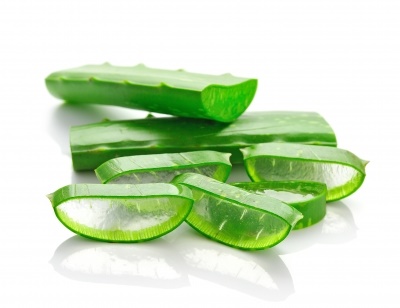
Image courtesy of SOMMAI at Freedigitalphotos.net
The growing popularity of natural and organic beauty products, along with the shifting preferences of several fashion and beauty brands toward more sustainable options, is pushing the status of aloe vera as among the most-essential ingredient in the global cosmetics industry.
According to a recent study by market research firm Future Market Insights, the global volume of aloe vera is set to exceed 60,700 tonnes this year, generating sales of up to $1.6 billion. This figure is predicted to top $3.3 billion in the next 10 years.
The cosmetics industry is the largest-market for aloe vera extracts, accounting for about 45 percent of global demand in 2016, a 6 percent increase from last year. Aloe vera is also widely used in food and medicine.
Germany remains the top consumer of aloe vera extracts, taking in 3,139 tonnes in 2015 and witnessing a 5.3 percent YoY ascent this year. Demand in the Asia-Pacific region is likewise increasing, thanks to the rising incomes of the middle class, which are now allowing them to turn to natural and organic beauty products. These include halal cosmetics.
Aloe vera, one of the most-scientifically studied plants in the world, is known for its health and medicinal benefits. It boasts anti-inflammatory properties that help fight acne and other skin imbalances. The plant's natural clear gel has also long been used to cure wounds and infections. Incorporated in cosmetic treatments, aloe vera can help remedy eczema, dandruff and psoriasis. It likewise contains anti-oxidants, and vitamins C and E that help firm, hydrate and improve the skin's elasticity.
More Sourcing News
Read Also

关注 “环球资源外贸” 官方微信,获取实时外贸资讯
iOS & Android
iOS & Android(Mainland China)
Copyright © 2026 Publishers Representatives Limited. All rights reserved.




