Download App
Better Online and Trade Show Sourcing Experiences.Scan the QR code to download.
Learn More
Hot Topics
In today's fast-paced world, industries are constantly seeking innovative ways to streamline their operations and improve efficiency. One such technological advancement that has revolutionized material handling and transportation is the battery-operated trolley. These trolleys are designed to provide a convenient, eco-friendly, and cost-effective solution for moving goods and materials within various settings, such as warehouses, factories, and retail spaces. In this article, we will explore the key features of battery-operated trolleys, their benefits, and potential applications across different industries.
A battery-operated trolley is a motorized cart that uses rechargeable batteries as its power source. These trolleys are designed to transport goods and materials over short to medium distances, making them ideal for use in warehouses, factories, and other industrial settings. Battery-operated trolleys come in various sizes and capacities, with some models capable of carrying loads of up to several tons.
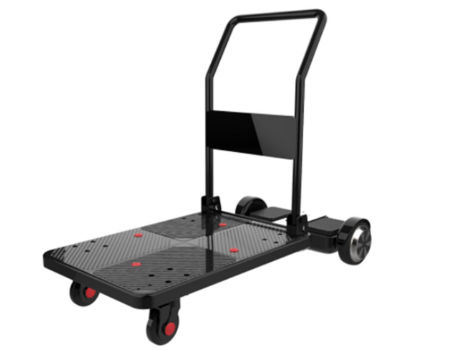
Electric trolley, grocery shopping cart, express car cargo, electric flat cart, warehouse, electric
Battery-operated trolleys offer several key features that set them apart from traditional manual trolleys:
Battery-operated trolleys offer several advantages over traditional manual trolleys:
Battery-operated trolleys can be used across various industries and settings, including:
Battery-operated trolleys have become an essential tool in various industries, providing an efficient and eco-friendly solution for material handling and transportation. While the specific operation of a battery-operated trolley may vary depending on the model and manufacturer, the general process of using one remains relatively similar. In this guide, we will walk you through the basic steps to operate a battery-operated trolley safely and effectively.
Before using a battery-operated trolley, it is crucial to familiarize yourself with its components and features. This may include the control system, such as handlebars with throttle and brake controls or a remote control system, as well as any safety features like emergency stop buttons, anti-collision sensors, and speed limiters.
Ensure that the trolley's battery is fully charged before use. Connect the battery to the appropriate charger and follow the manufacturer's instructions for charging. Some trolleys may have a built-in battery lift that makes changing out batteries easier.
Once the battery is charged, load the materials or goods onto the trolley. Ensure that the load is evenly distributed and secured, if necessary. Be mindful of the trolley's maximum load capacity to avoid overloading and potential damage to the equipment.
Turn on the battery-operated trolley by activating its power switch. The specific location of this switch may vary depending on the model, so consult your user manual if needed.
With the trolley powered on, you can now begin to operate it. Use the control system to maneuver the trolley as needed. For example, if your trolley has handlebars with throttle and brake controls, gently squeeze the throttle to move forward and release it to slow down or stop. If your trolley features a remote control system, follow the specific instructions provided by the manufacturer for operation.
While operating the battery-operated trolley, pay close attention to its safety features. Be prepared to use the emergency stop button or engage other safety mechanisms if necessary. Maintain a safe distance from obstacles and be aware of your surroundings at all times.
Once you have reached your destination, carefully unload the materials or goods from the trolley. Ensure that you follow proper lifting techniques and safety protocols to prevent injuries.
After completing your task, power off the battery-operated trolley and store it in a designated area. Make sure to recharge the battery if needed, so it is ready for its next use.
Operating a battery-operated trolley is a relatively straightforward process that can greatly improve efficiency in material handling and transportation tasks. By familiarizing yourself with the trolley's components, following proper safety protocols, and adhering to the manufacturer's guidelines, you can ensure a smooth and successful operation.
Battery-operated trolleys have emerged as a popular choice for material handling and transportation in various industries, including warehouses, factories, retail spaces, and hospitals. These innovative devices offer numerous advantages over traditional manual trolleys and other forms of material handling equipment. In this article, we will discuss the top reasons why choosing a battery-operated trolley is a smart decision for your business or organization.
One of the primary reasons to choose a battery-operated trolley is the significant increase in efficiency and productivity it offers. With their motorized capabilities, these trolleys can transport goods and materials faster and more effortlessly than manual trolleys, allowing workers to complete tasks more quickly and with less physical exertion. This enhanced efficiency translates to increased productivity, ultimately benefiting your business's bottom line.
Battery-operated trolleys are designed with ergonomics in mind, reducing the risk of workplace injuries associated with manual material handling. By eliminating the need for workers to push or pull heavy loads, these trolleys help prevent musculoskeletal disorders, such as strains, sprains, and back injuries. Additionally, many battery-operated trolleys are equipped with safety features like emergency stop buttons, anti-collision sensors, and speed limiters, further ensuring the safety of workers during operation.
Although battery-operated trolleys may have a higher initial cost than manual trolleys, they can save your business money in the long run. By increasing efficiency and productivity, these devices can help you complete tasks more quickly, reducing labor costs. Additionally, the reduced risk of workplace injuries can lead to lower workers' compensation claims and insurance premiums, further contributing to cost savings.
With their rechargeable battery-powered motors, battery-operated trolleys offer an environmentally friendly alternative to gas- or diesel-powered material handling equipment. By eliminating the need for fossil fuels, these trolleys produce zero emissions, reducing your business's carbon footprint and contributing to a cleaner, greener environment.
Battery-operated trolleys are available in a wide range of sizes, capacities, and configurations, making them suitable for a variety of applications and industries. Whether you need to transport small packages in a retail environment or move heavy pallets in a warehouse, there is likely a battery-operated trolley designed to meet your specific needs. Moreover, many trolleys can be customized with adjustable shelves, specialized attachments, or integrated with automated material handling systems for even greater versatility.
Compared to gas- or diesel-powered equipment, battery-operated trolleys operate much more quietly. This reduced noise pollution can contribute to a more pleasant working environment for employees and minimize disruptions in noise-sensitive areas, such as hospitals or residential neighborhoods.
Battery-operated trolleys generally have fewer moving parts than their gas- or diesel-powered counterparts, resulting in lower maintenance requirements. With proper care and regular battery charging, these devices can provide reliable performance with minimal downtime for maintenance.
As industries continue to adopt sustainable practices and prioritize eco-friendly solutions, battery-operated trolleys are poised to become an increasingly popular choice for material handling and transportation. By investing in a battery-operated trolley now, you can stay ahead of the curve and ensure that your business is prepared for the future of material handling technology.
In summary, choosing a battery-operated trolley offers numerous benefits that can improve efficiency, productivity, worker safety, and environmental sustainability within your organization. With their versatile designs and low maintenance requirements, these devices are a smart investment for businesses looking to optimize their material handling processes and stay competitive in an ever-evolving market.
More Sourcing News
Read Also

关注 “环球资源外贸” 官方微信,获取实时外贸资讯
iOS & Android
iOS & Android(Mainland China)
Copyright © 2026 Publishers Representatives Limited. All rights reserved.




