




Table of Contents
Understanding Dry Eyes and Contact Lenses
Key Features to Look for in Contact Lenses for Dry Eyes
Best Contact Lenses for Dry Eyes
Managing Dry Eyes with Contact Lenses
Tips for Managing Dry Eyes with Contact Lenses
The Importance of Professional Guidance
The discomfort of dry eyes can significantly impact your daily life, especially if you rely on contact lenses. Fortunately, advancements in contact lens technology have led to the development of daily contacts specifically designed to alleviate dry eye symptoms. This guide will help both individual consumers and wholesale buyers understand the best options available, ensuring comfort and convenience.
Understanding Dry Eyes and Contact Lenses
What is Dry Eye?
Dry eye is a condition where your eyes don't produce enough quality tears to stay lubricated. Tears are crucial for maintaining eye health and clear vision. Common among older adults, dry eye can be managed with lifestyle adjustments, artificial tears, or medical treatments recommended by an eye care professional.
What Causes Dry Eyes?
Several factors can contribute to dry eye, including:
- Age: Tear production naturally declines with age.
- Environment: Dry climates, air conditioning, and wind can all sap moisture from your eyes.
- Screen time: Staring at digital screens reduces blinking, leading to increased tear evaporation.
- Medications: Antihistamines, antidepressants, and some blood pressure medications can cause dry eye as a side effect.
- Medical conditions: Certain medical conditions like diabetes, thyroid disorders, and autoimmune diseases can increase your risk of dry eye.
- Contact lens wear: Wearing contact lenses can sometimes worsen dry eye symptoms.
- Gender: Hormonal changes in women can lead to dry eyes.
- Surgery: Some eye surgeries can reduce tear production.
Symptoms of Dry Eyes
Symptoms of dry eyes include:
- Burning or stinging sensation
- Redness
- Blurred vision
- Feeling of grittiness or foreign objects in the eyes
- Excessive tearing (paradoxically)
- Difficulty wearing contact lenses for extended periods
The Advantages of Daily Disposable Lenses for Dry Eyes
Daily disposable contact lenses are often recommended for people with dry eyes. These lenses are designed to be worn for a single day and then discarded, offering several benefits:
- Reduced Buildup: Daily lenses eliminate the accumulation of deposits that can occur with longer-wear lenses, which can contribute to eye irritation.
- Fresh Lens Every Day: Each day, you start with a brand new, clean lens, reducing the risk of contamination and infection.
- No Need for Cleaning Solutions: Since you dispose of the lenses daily, you don't need to use cleaning solutions that might irritate sensitive eyes.
- Convenience: Daily lenses are easy to use and require minimal maintenance, making them ideal for busy lifestyles.
Do Contact Lenses Cause Dry Eye?
While contact lenses don't directly cause dry eyes, improper care and extended wear can lead to dryness. Different lens materials have varying moisture-retaining abilities. Soft lenses allow more oxygen but can absorb tears, whereas rigid gas permeable lenses provide a stiffer barrier. Taking breaks and using appropriate lenses can help manage dry eyes.
Dry eye syndrome is often accompanied by several misconceptions:
Solely Due to Tear Deficiency
While reduced tear production is a factor, dry eyes can also stem from an imbalance in tear composition or increased evaporation due to environmental conditions, prolonged screen time, or eyelid issues.
Always a Minor Condition
Although it can be mild, dry eyes can become severe, potentially leading to complications such as a higher risk of eye infections, damage to the eye surface, and a decreased quality of life due to discomfort and vision problems.
Hydration Alone Can Cure It
While overall hydration is important, treating dry eyes typically requires specific interventions like eye drops, medications, or adjustments to environmental factors. Drinking more water alone is not a solution.
Caused by Allergies
Although allergies can worsen dry eyes, the condition can exist independently of allergic reactions. Various factors, including autoimmune diseases, hormonal changes, or eyelid problems, can cause dry eyes.
No Contact Lenses for Dry Eyes
While contact lenses can contribute to dry eyes, many individuals with this condition can still wear contacts comfortably. Specialized lenses and proper care practices can help manage this issue.
Eye Drops Are the Only Solution
While artificial tears or eye drops are common treatments, other options include prescription medications, lifestyle modifications, and sometimes surgical interventions.
No Impact on Vision
Chronic dry eyes can affect visual quality, causing blurry vision and discomfort that can interfere with daily activities.
Key Features to Look for in Contact Lenses for Dry Eyes
- Silicone Hydrogel Material: Allows more oxygen to reach the eye
- Daily Disposable Options: Reduce buildup and provide a fresh lens daily
- Low Water Content: Can help prevent moisture loss from the eye
- Advanced Moisture Technologies: Help retain moisture throughout the day
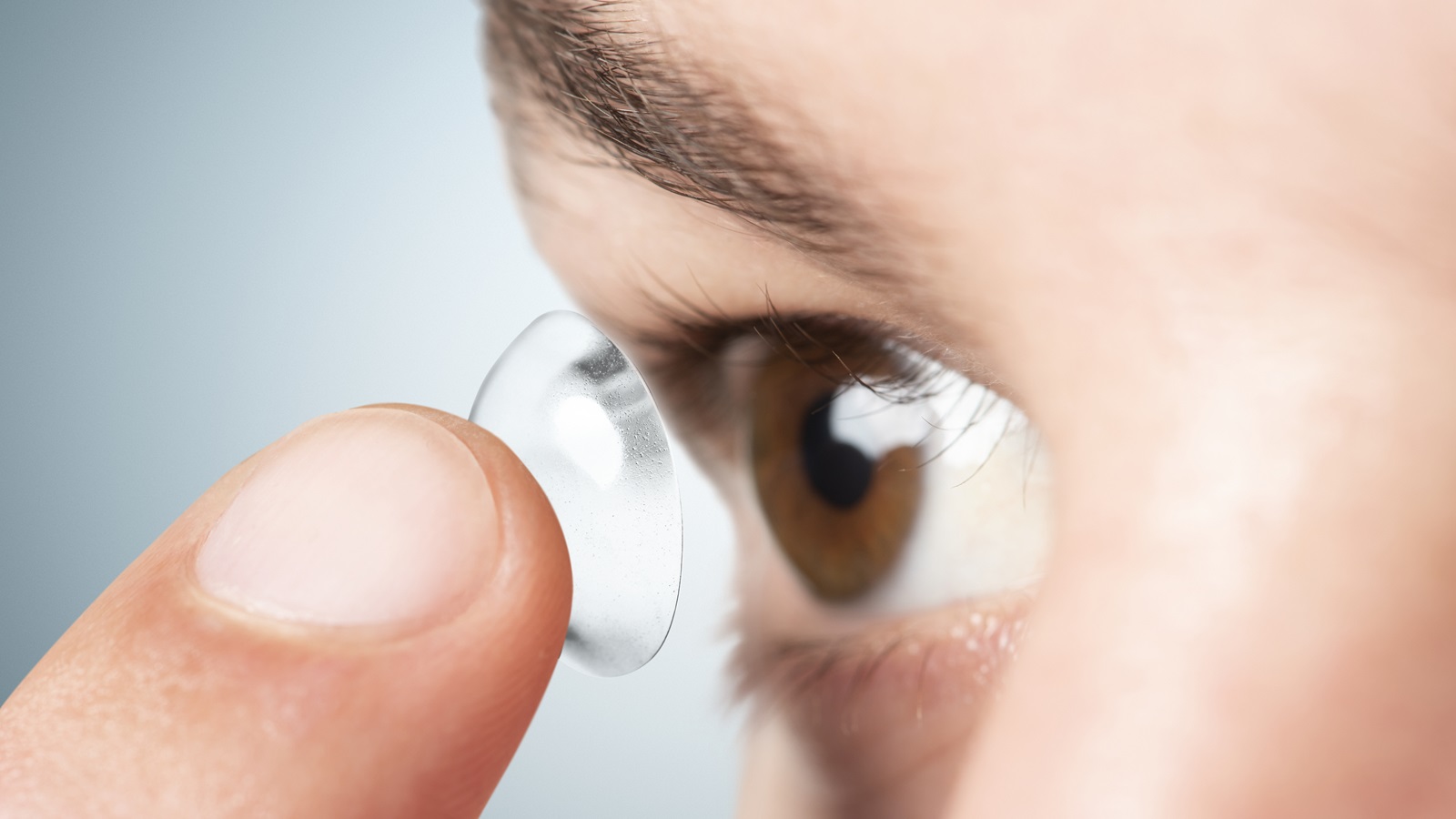
Best Contact Lenses for Dry Eyes
Top Silicone Hydrogel Contacts
#1. ACUVUE® OASYS with HYDRACLEAR® PLUS Technology
- Replacement: 1-2 weeks
- Material: Senofilcon A
- Water Content: 38%
- Features: HYDRACLEAR PLUS Technology, UV protection, visibility tint
- Lenses per Box: 12 or 24
#2. Bausch + Lomb ULTRA
- Replacement: Monthly
- Material: Samfilcon A
- Water Content: 46%
- Features: MoistureSeal™ Technology, visibility tint
- Lenses per Box: 6
#3. AIR OPTIX® AQUA
- Replacement: Monthly
- Material: Lotrafilcon B
- Water Content: 33%
- Features: SmartShield® Technology, TriComfort™ Technology, visibility tint
- Lenses per Box: 6
#4. Biofinity®
- Replacement: Monthly
- Material: Comfilcon A
- Water Content: 48%
- Features: Aquaform® Technology, Aberration Neutralizing System™, visibility tint
- Lenses per Box: 6
Best Daily Disposable Contacts
#5. 1-DAY ACUVUE MOIST
- Replacement: Daily
- Material: Etafilcon A
- Water Content: 58%
- Features: LACREON® Technology, UV protection, visibility tint
- Lenses per Box: 30 or 90
#6. Biotrue® ONEday
- Replacement: Daily
- Material: Nesofilcon A
- Water Content: 78%
- Features: HyperGel™, UV protection, visibility tint
- Lenses per Box: 90
#7. DAILIES TOTAL1®
- Replacement: Daily
- Material: Delefilcon A
- Water Content: 33%
- Features: Water Gradient Technology, SmarTears® Technology, visibility tint
- Lenses per Box: 90
Best Low Water Content Contacts
#8. ACUVUE OASYS 1-DAY with HydraLuxe® TECHNOLOGY
- Replacement: Daily
- Material: Senofilcon A
- Water Content: 38%
- Features: HydraLuxe Technology, UV protection, visibility tint
- Lenses per Box: 90
#9. PureVision®
- Replacement: Monthly
- Material: Balafilcon A
- Water Content: 36%
- Features: AerGel material, enhanced optical design, visibility tint
- Lenses per Box: 6
#10. AIR OPTIX plus HydraGlyde®
- Replacement: Monthly
- Material: Lotrafilcon B
- Water Content: 33%
- Features: SmartShield Technology, HydraGlyde Moisture Matrix, visibility tint
- Lenses per Box: 6
Managing Dry Eyes with Contact Lenses
Clean Hands: Always Wash and Dry Your Hands Before Handling Contacts
Maintaining proper hygiene is crucial when handling contact lenses. Always wash your hands with soap and water before touching your lenses. Dry your hands thoroughly with a lint-free towel to prevent transferring any dirt, oils, or bacteria from your fingers to your lenses. This simple step can significantly reduce the risk of eye infections and ensure that your lenses stay clean and comfortable.
Remove Before Bed: Never Sleep in Contacts Unless They Are FDA-Approved for Overnight Wear
Sleeping in contact lenses that are not designed for overnight wear can deprive your eyes of oxygen, leading to dryness and increasing the risk of eye infections. Even if your lenses are FDA-approved for extended wear, it's beneficial to remove them before bed to allow your eyes to breathe and recover. This practice helps maintain the health of your eyes and ensures a more comfortable wearing experience.
Replace as Scheduled: Follow the Replacement Schedule for Your Lenses
Adhering to the recommended replacement schedule for your contact lenses is essential for maintaining eye health. Whether you use daily, bi-weekly, or monthly lenses, replacing them on time prevents the buildup of deposits and bacteria that can cause discomfort and infections. Always follow the guidelines provided by your eye care professional and the lens manufacturer to ensure optimal eye health.
Fresh Solution: Change the Solution in Your Contact Lens Case Daily
Using fresh contact lens solution every day is vital for disinfecting and storing your lenses properly. Avoid "topping off" the old solution with new; instead, empty the case, rinse it with fresh solution, and fill it with new solution each day. This practice helps eliminate bacteria and debris, ensuring that your lenses remain clean and safe to wear.
Use Rewetting Drops: Apply Rewetting Drops Regularly, Even If Your Eyes Don't Feel Dry
Rewetting drops, also known as artificial tears, are essential for maintaining moisture and comfort while wearing contact lenses. Use these drops regularly throughout the day, even if your eyes don't feel dry. This proactive approach helps prevent dryness and irritation, keeping your eyes hydrated and your lenses comfortable.
Give Eyes a Break: Let Your Eyes Rest Without Contacts Periodically
Giving your eyes a break from contact lenses allows them to receive adequate oxygen and moisture from the environment. Even if your lenses are designed for extended wear, it's beneficial to remove them for a few hours each day. This practice helps maintain the health of your eyes and reduces the risk of dryness and irritation.
Regular Check-ups: Visit Your Eye Care Professional Regularly to Ensure Your Prescription Is Up-to-Date
Regular visits to your eye care professional are crucial for monitoring your eye health and ensuring that your contact lens prescription is accurate. During these check-ups, your eye doctor can assess your tear film, check for any signs of dryness or irritation, and recommend any necessary changes to your lens type or care routine. Staying proactive with your eye care appointments helps maintain optimal eye health and comfort.
By following these tips, you can manage dry eyes effectively while wearing contact lenses. Proper hygiene, regular lens replacement, and consistent use of rewetting drops are key to ensuring a comfortable and healthy contact lens-wearing experience. Always consult with your eye care professional for personalized advice and recommendations tailored to your specific needs.
Tips for Managing Dry Eyes with Contact Lenses
While choosing the right contact lenses is crucial, there are additional steps you can take to manage dry eyes:
- Stay Hydrated: Drink plenty of water throughout the day to help maintain overall hydration, which can benefit your eyes.
- Use Artificial Tears: Over-the-counter artificial tears can provide additional moisture. Look for preservative-free options that are compatible with contact lenses.
- Take Breaks: Follow the 20-20-20 rule: every 20 minutes, look at something 20 feet away for at least 20 seconds to give your eyes a rest.
- Maintain Good Hygiene: Always wash your hands thoroughly before handling your lenses to reduce the risk of infection.
- Consider Omega-3 Supplements: Some studies suggest that omega-3 fatty acids may help improve tear production and quality.
- Adjust Your Environment: Use a humidifier in dry environments and avoid direct air from fans or air conditioning units.
- Regular Check-ups: Visit your eye care professional regularly to monitor your eye health and adjust your treatment plan as needed.
The Importance of Professional Guidance
While this guide provides valuable information on the best daily contacts for dry eyes, it's essential to consult with an eye care professional before making any changes to your contact lens regimen. They can perform a comprehensive eye exam, assess your specific needs, and recommend the most suitable lenses for your condition.
For those looking to explore a wide range of contact lens options, including the brands mentioned in this article, Global Sources offers a comprehensive marketplace connecting buyers with reputable suppliers. Their platform can be an excellent resource for eye care professionals and retailers seeking to stock high-quality contact lenses for their patients and customers.
Conclusion: Finding Your Perfect Fit
Dry eyes don't have to mean the end of comfortable contact lens wear. With the right daily disposable lenses, you can enjoy clear vision and all-day comfort. Whether you're a consumer looking for relief or a wholesale buyer aiming to meet market demand, understanding the best daily contacts for dry eyes is essential. Consider the options highlighted in this guide and consult with an eye care professional to find the perfect fit for your needs.
For wholesale buyers, partnering with a reliable source like Global Sources can ensure you have access to a wide range of high-quality contact lenses that cater to the needs of your customers. By staying informed and providing top-notch products, you can enhance customer satisfaction and drive sales growth.
FAQs
Are Daily Contacts Better for Dry Eyes?
Daily disposable contact lenses are often considered a better option for individuals with dry eyes. One of the primary reasons is that daily lenses are designed to be worn once and then discarded, which minimizes the buildup of deposits, allergens, and bacteria that can contribute to dryness and irritation. This frequent replacement schedule ensures that your eyes are always interacting with a fresh, clean lens, reducing the risk of discomfort associated with prolonged wear.
Daily lenses are usually made from advanced materials that retain moisture better than traditional lenses. Many daily disposables incorporate hydrating agents or moisture-rich technologies that help maintain a moist environment on the eye's surface. For example, some lenses use water gradient technology, where the water content increases from the core to the surface, providing a cushion of moisture that can be particularly beneficial for dry eye sufferers.
Another advantage of daily disposables is the elimination of the need for cleaning solutions and storage cases, which can sometimes introduce irritants or allergens. The convenience of simply discarding the lenses at the end of the day also reduces the time and effort required for lens care, making it easier to maintain good hygiene practices.
However, it's essential to note that not all daily lenses are created equal, and individual experiences may vary. Some people with dry eyes might find certain brands or materials more comfortable than others. Therefore, it's crucial to consult with an eye care professional to determine the best type of daily disposable lenses for your specific needs. They can conduct a thorough evaluation of your eye health, tear film quality, and lifestyle requirements to recommend the most suitable options.
In summary, daily disposable contact lenses offer several benefits for individuals with dry eyes, including reduced risk of deposit buildup, advanced moisture-retaining materials, and the convenience of not needing cleaning solutions. These factors can contribute to a more comfortable and healthier contact lens-wearing experience. However, it's essential to work closely with your eye care professional to find the right daily lenses tailored to your unique needs. By doing so, you can enjoy the advantages of daily disposables while effectively managing dry eye symptoms.
What is the Best Daily Contact Lens for Dry Eyes?
Determining the best daily contact lens for dry eyes involves considering several factors, including the lens material, moisture retention capabilities, and individual comfort. One of the top contenders in the market is the DAILIES TOTAL1® contact lenses, known for their innovative water gradient technology. This technology ensures that the water content increases from 33% at the core to over 80% at the surface, providing a cushion of moisture that can significantly enhance comfort for dry eye sufferers.
Another excellent option is the 1-DAY ACUVUE® MOIST lenses. These lenses utilize LACREON® Technology, which embeds a moisture-rich ingredient directly into the lens material. This technology helps maintain a stable tear film and provides long-lasting hydration, making them a popular choice for individuals with dry eyes. Additionally, these lenses offer UV protection, which can be beneficial for overall eye health.
Biotrue® ONEday lenses are also highly recommended for dry eyes. Made from a unique material called Nesofilcon A, these lenses have a high water content of 78%, which mimics the natural water content of the cornea. The HyperGel™ technology used in these lenses helps maintain moisture and ensures that the lenses remain comfortable throughout the day.
For those looking for a lens with a silicone hydrogel material, the ACUVUE OASYS 1-DAY with HydraLuxe® TECHNOLOGY is an excellent choice. These lenses feature HydraLuxe® Technology, which integrates a tear-like molecule into the lens material to maintain hydration and reduce dryness. The lenses also provide UV protection and have a visibility tint for easy handling.
While these lenses are among the best options for dry eyes, it's important to remember that individual experiences may vary. What works well for one person might not be as effective for another. Therefore, it's crucial to consult with an eye care professional who can conduct a thorough evaluation of your eye health and recommend the most suitable daily contact lenses for your specific needs.
In conclusion, the best daily contact lens for dry eyes depends on various factors, including the lens material, moisture retention capabilities, and individual comfort. DAILIES TOTAL1®, 1-DAY ACUVUE® MOIST, Biotrue® ONEday, and ACUVUE OASYS 1-DAY with HydraLuxe® TECHNOLOGY are among the top options available. However, consulting with an eye care professional is essential to determine the most appropriate lenses for your unique requirements.
Are DAILIES TOTAL1® Good for Dry Eyes?
DAILIES TOTAL1® contact lenses are widely regarded as an excellent option for individuals with dry eyes. These lenses are designed with innovative water gradient technology, which significantly enhances their moisture retention capabilities. The water content of DAILIES TOTAL1® lenses increases from 33% at the core to over 80% at the surface, creating a cushion of moisture that can provide exceptional comfort for dry eye sufferers.
One of the standout features of DAILIES TOTAL1® lenses is their ability to maintain a stable tear film. The high surface water content mimics the natural moisture of the eye, reducing the risk of dryness and irritation. This is particularly beneficial for individuals who experience discomfort due to dry eyes, as the lenses help keep the eyes hydrated throughout the day.
In addition to their moisture-retaining properties, DAILIES TOTAL1® lenses are made from a silicone hydrogel material called Delefilcon A. This material allows for high oxygen permeability, ensuring that the eyes receive adequate oxygen even during extended wear. Adequate oxygen supply is crucial for maintaining healthy eyes and preventing dryness and irritation.
The comfort provided by DAILIES TOTAL1® lenses is further enhanced by their SmarTears® Technology. This technology releases a natural ingredient found in tears, phosphatidylcholine, which helps stabilize the tear film and reduce symptoms of dryness. As a result, wearers can enjoy a comfortable and clear vision experience even in challenging environments.
While DAILIES TOTAL1® lenses offer numerous benefits for dry eye sufferers, it's essential to note that individual experiences may vary. Some people may find these lenses exceptionally comfortable, while others might prefer different brands or materials. Therefore, it's crucial to consult with an eye care professional to determine if DAILIES TOTAL1® lenses are the right choice for your specific needs.
In summary, DAILIES TOTAL1® contact lenses are highly regarded for their innovative water gradient technology, high surface water content, and excellent oxygen permeability. These features make them an excellent option for individuals with dry eyes, providing exceptional comfort and hydration throughout the day. However, it's essential to work closely with an eye care professional to ensure that these lenses are the best fit for your unique requirements and to receive personalized recommendations for managing dry eye symptoms.
Can I Wear Contact Lenses if I Have Dry Eyes?
Yes, you can wear contact lenses if you have dry eyes, but it requires careful management and selecting the right type of lenses. Dry eyes can make wearing contact lenses more challenging, but with the right approach, many individuals with dry eyes can enjoy the convenience and benefits of contact lenses without significant discomfort.
The first step is to consult with an eye care professional who can evaluate the severity of your dry eyes and recommend the most suitable contact lenses. They may suggest lenses specifically designed for dry eyes, such as daily disposables or lenses made from advanced materials that retain moisture better. Daily disposable lenses are often recommended because they reduce the risk of deposit buildup and provide a fresh, clean lens every day, which can be more comfortable for dry eye sufferers.
Several types of contact lenses are designed to address dry eye issues. Silicone hydrogel lenses, for instance, allow more oxygen to reach the eye, which can help reduce dryness and irritation. Additionally, lenses with moisture-rich technologies, such as water gradient lenses or those with embedded hydrating agents, can help maintain a moist environment on the eye's surface.
In addition to choosing the right lenses, it's essential to follow proper lens care and hygiene practices. Always wash and dry your hands before handling lenses, replace lenses as scheduled, and use fresh contact lens solution daily. Using rewetting drops or artificial tears specifically formulated for contact lens wearers can also help keep your eyes hydrated and comfortable.
Taking regular breaks from wearing contact lenses can be beneficial as well. Allowing your eyes to rest without lenses for a few hours each day can help maintain their natural moisture balance. If you experience persistent dryness or discomfort, consult your eye care professional for further evaluation and potential adjustments to your lens type or care routine.
In some cases, your eye care professional may recommend additional treatments for dry eyes, such as prescription eye drops, punctal plugs, or lifestyle changes to improve tear production and reduce symptoms. Combining these treatments with the right contact lenses can help you manage dry eyes effectively while enjoying the benefits of contact lens wear.
In conclusion, wearing contact lenses with dry eyes is possible with the right approach and careful management. Consulting with an eye care professional, choosing suitable lenses, following proper lens care practices, and taking regular breaks can help you maintain comfort and eye health. By working closely with your eye care professional, you can find the best solutions for managing dry eyes while wearing contact lenses.

