




Table of Contents
Part 1. Common Materials for Kitchen Utensils
Part 2. Factors to Consider When Choosing the Material for Kitchen Utensils
Part 3. What Materials Are Cooking Utensil Handles Made of?
Part 4. Which Cooking Utensil Material is Best for Health?
Part 5. Which Materials of Cooking Utensils Should You Avoid?
Part 6. Stainless Steel: Which Kind is Best for Cooking?
Part 7. Nylon vs. Silicone: Which One is Better?
Kitchen utensils are an essential part of our daily lives - indispensable tools that assist us in creating delectable meals. Their quality and the material they are made from can significantly impact our cooking experience and, more importantly, the safety of our food. With the plethora of options available today, it can be challenging to discern which material is the best for our cooking utensils. This comprehensive guide aims to demystify this process, providing valuable insights into various materials and their pros and cons.
Part 1. Common Materials for Kitchen Utensils
In the quest for the best kitchen utensils, it's essential to understand the characteristics of various materials used in their manufacturing. The material of your utensils can influence their durability, heat resistance, ease of cleaning, and safety. Here's a breakdown of the most commonly used materials:
Nylon
Nylon is a synthetic material used to make various kitchen utensils, including spoons and spatulas, owing to its heat resistance. It's a popular choice for utensils used with non-stick cookware as it doesn't scratch the surface.
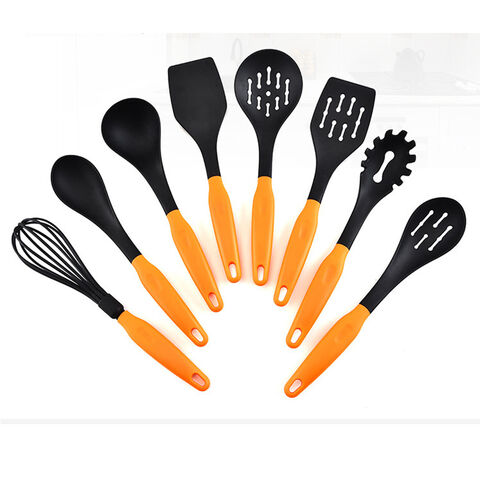
7 Pcs Plastic Nylon Kitchen Accessories Cooking Utensils
Nylon kitchen utensils are a boon for businesses looking for durability, flexibility, and affordability in their cooking tools. Renowned for their resistance to wear and tear, nylon utensils can withstand repeated use in busy commercial kitchens, making them a cost-effective choice for businesses. Their ability to resist heat up to a certain point without melting makes them suitable for a variety of cooking tasks, although caution is advised for high-heat applications. Nylon's non-stick compatibility ensures that it won't scratch or damage delicate cookware surfaces, preserving the lifespan of other kitchen investments. However, businesses should be mindful of nylon's limitations in high-temperature environments and its environmental impact, as it is not as easily recyclable as other materials.
| Pros | Cons |
|---|---|
| Non-reactive with food Smooth surface finish Dishwasher safe Flexible, making it easy to reach hard-to-access cooking areas | Not environmentally friendly (non-biodegradable) Less durable than silicone Can crack over time and harbor bacteria May release harmful chemicals into food when heated above its heat resistance limit |
Silicone
Silicone is another synthetic material used in kitchen utensils, particularly those used for baking. It is known for its high heat resistance and
flexibility.
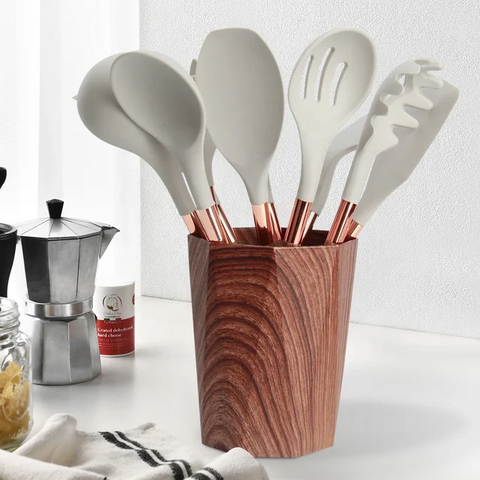
Cooking utensils set pink rose gold silicone kitchen utensils set
Silicone kitchen utensils are increasingly favored by businesses for their versatility, heat resistance, and non-stick properties. Capable of withstanding high temperatures without melting or warping, silicone tools are ideal for a wide range of cooking tasks, from stirring to baking. Their non-reactive nature ensures that they do not impart any flavors or odors onto the food, maintaining the integrity of dishes. Additionally, silicone's flexibility allows for easy scraping and scooping, maximizing efficiency and reducing waste. Despite its higher cost compared to some materials, silicone's durability and low maintenance requirements make it a wise long-term investment for businesses. Its eco-friendly aspect, being non-toxic and recyclable, aligns with growing consumer expectations for sustainable practices.
| Pros | Cons |
|---|---|
| Heat resistant Non-reactive with food Flexible and easy to clean Does not scratch non-stick surfaces | Not biodegradable May leach chemicals when overheated |
Stainless Steel
Stainless steel is a robust and durable material that is widely used in making kitchen utensils. It is known for its rust resistance and longevity.
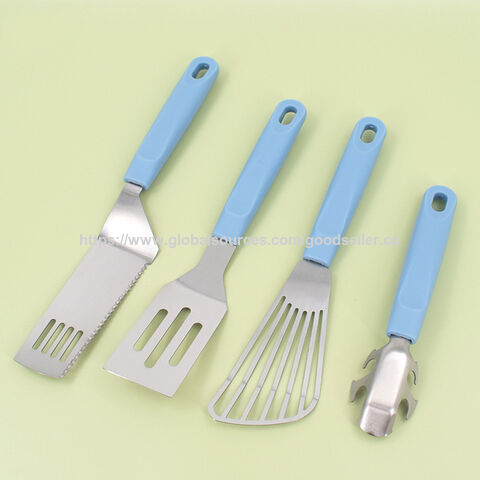
Wholesale spoon spatula bowl holder stainless steel kitchenware kitchen cooking utensils
Stainless steel kitchen utensils stand out for their strength, durability, and sleek appearance, making them a preferred choice for many businesses. Highly resistant to rust and corrosion, stainless steel ensures longevity and reliability in the demanding conditions of commercial kitchens. Its excellent heat conductivity facilitates efficient cooking processes, while its ease of cleaning and maintenance supports stringent hygiene standards. Stainless steel's aesthetic appeal enhances the professional image of culinary establishments. However, its potential to react with highly acidic foods and scratch non-stick cookware surfaces requires mindful use. Despite these considerations, stainless steel's overall benefits position it as a staple material in the culinary industry.
| Pros | Cons |
|---|---|
| Oven safe Rust-resistant Dishwasher safe Scratch-resistant Highly durable | Clad stainless steel may become harmful if not maintained well. Nickel or chromium may leach into food and cause health problems under certain conditions. Pure stainless steel is not a good conductor of heat; metals such as aluminum and copper are often added to increase conductivity. |
Wood
Wooden kitchen utensils have a timeless appeal and are known for their durability and heat resistance. They are ideal for use with non-stick cookware as they don't scratch the surface.
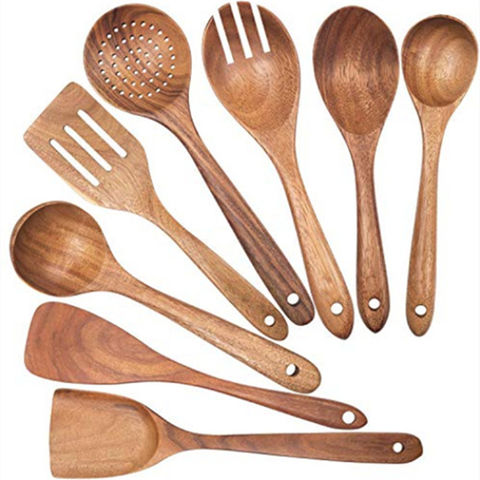
Hot selling 8pcs Wooden Cooking Utensils Set Kitchen Utensil Wooden Crockery
Wooden kitchen utensils bring a touch of traditional charm and natural warmth to any culinary setting, valued for their durability and natural antibacterial properties. Perfect for businesses aiming to create a rustic or eco-friendly ambiance, wood is gentle on cookware surfaces, preventing scratches on pots and pans. Its insulation properties make it ideal for handling hot foods without transferring heat. However, wooden utensils require more maintenance than their metal or plastic counterparts, including regular oiling and careful cleaning to prevent water damage and cracking. While not suitable for dishwasher cleaning, wood's aesthetic appeal and sustainability credentials make it an attractive choice for businesses prioritizing environmental responsibility and unique dining experiences.
| Pros | Cons |
|---|---|
| Durable Does not scratch non-stick surfaces Environmentally friendly (biodegradable) Does not react with food | Can absorb smells Prone to staining due to its porous surface Can break and harbor bacteria if not maintained well Not dishwasher safe |
Glass
Glass is often used for bakeware and storage containers. It is non-reactive, making it safe for cooking various types of food.
Glass kitchen utensils offer elegance and purity, appealing to businesses that prioritize aesthetics and food safety. Being non-porous, glass does not absorb flavors or odors, ensuring that food tastes as intended. Its chemical inertness makes it safe for use with acidic foods without risk of contamination. Glass utensils are easy to clean and sterilize, supporting high hygiene standards in commercial kitchens. However, their fragility requires careful handling and storage to prevent breakage. Despite this, the timeless appeal and environmental benefits of glass — it's 100% recyclable without loss of quality — make it a distinguished choice for businesses aiming to combine style with sustainability.
| Pros | Cons |
|---|---|
| 100% recyclable Retains heat for a long duration Can last for 7 to 10 years with proper care Does not react with food | Heavier than many other materials Can break easily with force or sudden temperature change |
Teflon (Non-stick)
For businesses in the culinary industry, Teflon-coated kitchen utensils represent a popular choice due to their non-stick properties, which significantly reduce the need for cooking oils and fats, promoting healthier cooking options. These utensils are especially favored for their ease of cleaning and maintenance, offering a practical solution in fast-paced kitchen environments. However, it's crucial for businesses to consider the durability and safety concerns associated with Teflon. The material can degrade and release harmful chemicals if overheated, posing health risks and necessitating frequent replacements. Thus, while Teflon utensils can be cost-effective and convenient, their potential health implications and shorter lifespan require careful consideration in business procurement strategies.
| Pros | Cons |
|---|---|
| Non-stick surface | Can release harmful chemicals if overheated |
| Easy to clean | Not very durable, scratches easily |
| Requires less oil for cooking | Not suitable for high-heat cooking |
Ceramic
Ceramic kitchen utensils are esteemed for their non-reactive nature, making them ideal for cooking and storing a wide variety of foods without altering flavors or causing contamination. Their eco-friendly appeal, derived from sustainable production processes, aligns with the growing consumer demand for environmentally responsible products. Ceramic's heat resistance and ease of cleaning further enhance its attractiveness to businesses focused on efficiency and food safety. However, the material's fragility necessitates careful handling and storage, potentially increasing operational costs due to breakage. Businesses must balance these factors, considering the premium experience ceramic utensils offer against their higher investment and maintenance requirements.
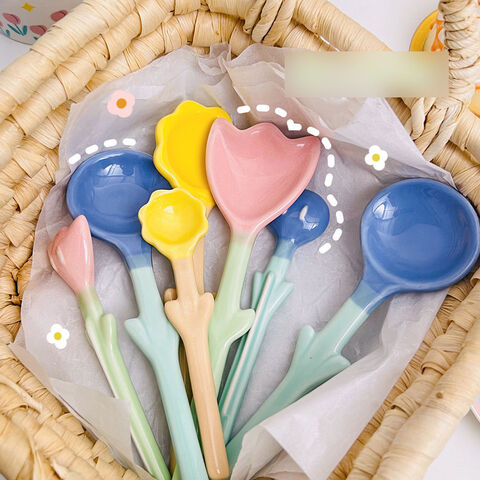
New Asian Small Coffee Dessert Spoon Cute Color Flower Shape Design Ceramic Soup Spoon
| Pros | Cons |
|---|---|
| Non-reactive | Can be fragile and break easily |
| Eco-friendly | Not as durable as metal utensils |
| Easy to clean | Often more expensive than metal |
| Generally safe for high-heat cooking |
Aluminum
Aluminum kitchen utensils are lauded for their excellent heat conductivity, ensuring uniform cooking and energy efficiency. Their lightweight nature facilitates ease of handling, a crucial factor in fast-paced commercial kitchens. Additionally, aluminum's affordability makes it an attractive option for businesses seeking cost-effective kitchen solutions. However, the potential health risks associated with aluminum's reactivity, particularly with acidic foods, necessitate informed usage and sometimes additional non-reactive coatings. Businesses must weigh aluminum's benefits against these considerations, ensuring that utensils are used appropriately to avoid food safety issues.
| Pros | Cons |
|---|---|
| Lightweight | Can react with acidic foods |
| Excellent heat conductivity | May not be as durable as other metals |
| Affordable | Potential health concerns with long-term use of untreated aluminum |
Plastic
Plastic utensils offer unparalleled versatility and cost-effectiveness, making them staples in many commercial kitchens. Their lightweight design and resistance to breakage reduce replacement costs and enhance operational efficiency. Furthermore, the wide array of available designs allows businesses to tailor their kitchen tools to specific aesthetic or branding requirements. Despite these advantages, plastic's susceptibility to heat damage and environmental impact are significant drawbacks. Businesses must navigate these concerns by selecting high-quality plastics suited to their specific needs while considering sustainable practices and consumer preferences towards eco-friendly materials.
| Pros | Cons |
|---|---|
| Lightweight | Can melt or warp at high temperatures |
| Inexpensive | Not environmentally friendly |
| Available in various colors and designs | May absorb flavors and odors |
Cast Iron
Cast iron utensils are prized for their durability and exceptional heat retention properties, making them ideal for high-temperature cooking and achieving evenly cooked dishes. Their longevity presents a cost-effective solution for businesses, with proper maintenance ensuring decades of service. Additionally, the health benefits of iron fortification in food cooked with cast iron add a unique selling point. However, the material's weight and maintenance requirements, including seasoning and rust prevention, pose operational challenges. Businesses adopting cast iron must invest in training and maintenance protocols to fully leverage its advantages while mitigating its drawbacks.
| Pros | Cons |
|---|---|
| Excellent heat retention | Heavy |
| Very durable | Requires seasoning to maintain non-stick surface |
| Can be used at high temperatures | Prone to rust if not properly maintained |
| Adds iron to food, beneficial for health |
Copper
Copper utensils stand out for their superior heat conductivity, offering precise temperature control that is essential for delicate cooking processes. Their durability and timeless aesthetic appeal add value to any commercial kitchen, enhancing both functionality and design. However, copper's reactivity with acidic foods requires a careful approach to usage or the application of a protective lining. Additionally, the higher cost and maintenance demands of copper, including regular polishing to prevent tarnishing, necessitate a considered investment. Businesses opting for copper must balance its unparalleled cooking performance against the operational commitments it entails.
| Pros | Cons |
|---|---|
| Excellent heat conductivity | Expensive |
| Precise temperature control | Requires regular polishing to prevent tarnishing |
| Durable | Can react with acidic foods, potentially leading to copper ingestion |
Part 2. Factors to Consider When Choosing the Material for Kitchen Utensils
Choosing the right material for your kitchen utensils is crucial not only for cooking efficiency and safety but also for maintaining the longevity of your cookware. Different materials offer varied benefits and drawbacks, making it important to consider several factors before making a decision. This comprehensive guide will help you navigate through these considerations to select the best materials for your kitchen needs.
1. Heat Resistance
One of the primary considerations when selecting materials for kitchen utensils is their heat resistance. Cooking often involves high temperatures, and the material of your utensils should withstand these without melting, deforming, or releasing harmful substances.
- Silicone and Metal: Silicone utensils can withstand temperatures up to 600°F, making them ideal for most cooking tasks. Metal utensils, especially those made of stainless steel, are also excellent for high-heat cooking.
- Wood and Plastic: Wooden utensils have good heat resistance but can catch fire if left too close to a heat source. Plastic utensils, unless specifically designed for high heat, can melt or warp, releasing potentially toxic chemicals.
2. Durability
Durability is key to ensuring that your utensils last a long time and can withstand the wear and tear of daily use.
- Stainless Steel: Known for its robustness, stainless steel is highly resistant to rust, corrosion, and staining.
- Wood: While aesthetically pleasing, wood can crack and warp if not properly maintained. Regular oiling is required to keep wooden utensils in good condition.
- Silicone and Plastic: Both materials are generally durable but can be cut or nicked by sharp edges over time. High-quality silicone is more durable than plastic.
3. Maintenance
The ease of maintenance is another critical factor. Some materials require more care than others to maintain their appearance and functionality.
- Stainless Steel: Easy to clean and dishwasher safe, stainless steel is low maintenance.
- Wood: Requires more care, including hand washing and occasional oiling to prevent drying out.
- Silicone and Plastic: Dishwasher safe and easy to clean, though they can retain odors and stains from strong-flavored foods.
4. Reactivity
Certain materials can react with acidic foods, affecting the flavor of your dishes or even posing health risks.
- Metal: Aluminum and untreated cast iron can react with acidic foods, leading to discoloration and a metallic taste. Stainless steel is largely non-reactive.
- Wood, Silicone, and Plastic: Generally non-reactive, these materials are safe to use with acidic foods.
5. Compatibility with Cookware
To avoid damaging your cookware, especially non-stick surfaces, it's important to choose utensils that are compatible.
- Wood and Silicone: Soft materials like wood and silicone are gentle on all types of cookware surfaces, including non-stick coatings.
- Metal: Can scratch the surface of non-stick pans unless specifically designed with soft edges or coatings.
6. Ergonomics and Comfort
The design and material of a utensil's handle can significantly affect comfort and ease of use, especially during long cooking sessions.
- Rubber and Silicone Handles: Offer a comfortable grip and good insulation against heat.
- Wood: Provides a warm, natural feel but can become slippery if oily.
- Metal Handles: Durable but can become hot, requiring pot holders or grips for handling.
7. Aesthetics
While functionality is paramount, the appearance of kitchen utensils also contributes to the overall ambiance of your kitchen.
- Wood: Offers a classic, rustic look that many find appealing.
- Stainless Steel: Provides a modern, sleek appearance that matches well with contemporary kitchen designs.
- Silicone: Available in a wide range of colors to match any kitchen decor.
8. Environmental Impact
For those concerned with sustainability, the environmental impact of the material may influence their choice.
- Wood: Renewable and biodegradable but requires responsible sourcing to ensure sustainability.
- Silicone: Durable and long-lasting, reducing waste, but not biodegradable.
- Stainless Steel: Highly recyclable, making it a more environmentally friendly option compared to plastics.
Selecting the right material for your kitchen utensils involves balancing various factors including heat resistance, durability, maintenance needs, reactivity, compatibility with cookware, ergonomics, aesthetics, and environmental impact. By carefully considering each of these aspects, you can choose utensils that not only enhance your cooking experience but also contribute to a more functional and sustainable kitchen environment.
Part 3. What Materials are Cooking Utensil Handles Made of?
Cooking utensil handles are crafted from a diverse range of materials, each selected for its unique properties such as durability, heat resistance, and ease of handling. Here's an overview of the most common materials used:
- Wood: Traditional and widely used due to its excellent insulation against heat, making it comfortable to handle even when the utensil is hot. Wood is also appreciated for its aesthetic appeal. However, it requires more maintenance to prevent cracking or warping.
- Stainless Steel: Known for its strength and durability, stainless steel handles are resistant to rust and corrosion. They can withstand high temperatures, but they can also become hot, which might require the use of pot holders for handling.
- Silicone: Silicone handles are heat-resistant, flexible, and offer a comfortable grip. They can withstand very high temperatures without heating up, making them safe and convenient to use. Silicone is also easy to clean and available in various colors.
- Plastic: Often found in less expensive utensils, plastic handles are lightweight and can be heat-resistant up to a certain point. However, they are not suitable for high-heat cooking as they can melt or warp.
- Rubber: Similar to silicone, rubber handles provide a comfortable and secure grip, along with good heat resistance. They are often used on utensils designed for non-stick cookware to prevent scratching.
- Phenolic Resin (Bakelite): A type of heat-resistant plastic, Bakelite is commonly used for handles on pots and pans due to its ability to remain cool to the touch even when exposed to high temperatures.
- Metal with Heat-Resistant Coating: Some metal handles are coated with materials like silicone or rubber to enhance grip and provide heat resistance, combining the durability of metal with the comfort of heat-resistant coatings.
Each material has its advantages and drawbacks, and the choice often depends on the specific cooking task, personal preference, and the overall design of the utensil.
Part 4. Which Cooking Utensil Material is Best for Health?
Choosing the best cooking utensil material for health involves considering safety, durability, and how it interacts with food. Here's an overview of popular materials:
- Stainless Steel: Highly durable and resistant to corrosion and rust. It doesn't react with acidic or alkaline foods, making it a safe choice for various cooking tasks. However, stainless steel doesn't conduct heat as well as some other materials, so it often features a core of aluminum or copper.
- Cast Iron: Known for its excellent heat retention and distribution. When seasoned properly, it offers a naturally non-stick surface. Cast iron can also add small amounts of iron to your food, which can be beneficial for those with iron deficiencies. However, it's heavy and requires more maintenance to prevent rust.
- Ceramic: Offers a non-toxic, non-stick surface without the potential health risks associated with some non-stick coatings. Ceramic cookware can withstand high temperatures and is often microwave and dishwasher safe. However, it can be prone to chipping or cracking if not handled carefully.
- Glass: Completely non-reactive, meaning it won’t leach chemicals into your food even when cooking acidic dishes. Glass is also easy to clean and offers a clear view of food as it cooks. However, it has poor heat distribution and can break under high heat or sudden temperature changes.
- Silicone: BPA-free and can withstand high temperatures, making it ideal for baking mats, spatulas, and other baking tools. It's flexible, non-stick, and easy to clean. However, it's not suitable for high-heat cooking methods like frying.
- Bamboo and Wood: Excellent for utensils like spoons and cutting boards. They won't scratch cookware and are biodegradable. However, they can absorb flavors and odors over time and require regular maintenance to prevent cracking.
- Anodized Aluminum: Treated to prevent the metal from reacting with acidic foods and creating a harder surface. It's lightweight and heats up quickly, but the anodization process can wear off over time.
- Copper: Excellent thermal conductivity, allowing for precise temperature control. However, copper can react with acidic foods, leading to metal leaching into food. It often comes lined with tin or stainless steel to mitigate this issue.
In summary, the best material depends on your specific health concerns, cooking needs, and maintenance preferences. Stainless steel and cast iron are generally safe and versatile choices for most cooking tasks, while ceramic and glass offer non-toxic surfaces for baking and slow cooking. Silicone is great for low or no-heat tasks like baking and mixing, whereas bamboo and wood are ideal for serving and prep work that doesn't involve heat. Always consider the maintenance and care required for each material to ensure its longevity and safety.
When choosing kitchen utensils, it's essential to consider their safety level. Glass, Ceramic, Cast Iron, and Stainless Steel are considered among the safest materials for heat-conducting cookware. On the other hand, for spoons, whisks, stirring handles, non-sticking mats, etc., safe materials include Wood, Nylon, Silicone, and Bamboo.
Part 5. Which Materials of Cooking Utensils Should You Avoid?
Certain materials should be avoided when choosing kitchen utensils to ensure the safety of your food. These include Teflon (PTFE), Copper, Aluminum, and Cheap Plastic. These materials are known to leach harmful chemicals into the food, especially when heated.
When it comes to cooking utensils, certain materials can be harmful to your health or simply not ideal for cooking due to their chemical properties, durability, or impact on food taste. Here are some materials you might want to avoid or use with caution:
- Aluminum: While widely used due to its excellent heat conductivity, untreated aluminum can leach into food, especially when cooking acidic foods like tomatoes or citrus. This leaching can potentially lead to health risks over time. Anodized aluminum is a safer option as it's treated to prevent this leaching.
- Non-Stick Coatings (Teflon): Non-stick pans are popular for their convenience, but concerns have been raised about their safety. When overheated, non-stick coatings can release toxic fumes. PFOA (perfluorooctanoic acid), a chemical once used in the production of Teflon, has been linked to several health issues, although it's no longer used in non-stick coatings.
- Plastic: Plastic utensils can melt or warp when exposed to high heat, potentially leaching chemicals into food. BPA (bisphenol A) and phthalates, found in some plastics, are particularly concerning due to their potential endocrine-disrupting effects. Opt for BPA-free plastics and avoid using plastic utensils for hot foods.
- Copper: Pure copper cookware can release copper into food, leading to toxicity with excessive exposure. However, copper cookware lined with another metal, such as stainless steel, is safe to use.
- Ceramic Coated Cookware: While generally considered safe, low-quality ceramic coatings can chip or wear down over time, potentially exposing the underlying material, which might be harmful.
- Lead or Cadmium Glazed Ceramics: Some ceramics, especially older ones or those from certain countries without strict regulations, may contain lead or cadmium in their glazes, which can leach into food.
Choosing the right materials for your cooking utensils and cookware is crucial for both health and culinary performance. Stainless steel, cast iron (especially when well-seasoned), glass, and high-quality silicone are generally safe and durable choices. Always consider the source and quality of the materials you're using in the kitchen to ensure they're safe for food contact.
Part 6. Stainless Steel: Which Kind is Best for Cooking?
Stainless steel comes in many grades, but for kitchen utensils, food-grade stainless steel is the best. These include the 201, 304, and 316 types, which are safe for cooking and offer different levels of corrosion resistance.
| Feature | 201 Stainless Steel | 304 Stainless Steel (18/8 and 18/10) | 316 Stainless Steel | Winner |
|---|---|---|---|---|
| Composition | 16% Chromium, 5.5% Nickel, 5.5% Manganese | 18% Chromium, 8% or 10% Nickel | 16% Chromium, 10% Nickel, 2% Molybdenum | 316 Stainless Steel for its enhanced composition |
| Corrosion Resistance | Moderate | High | Very High | 316 Stainless Steel for its superior corrosion resistance |
| Reactivity | Slightly reactive with acidic foods | Non-reactive | Non-reactive | Tie between 304 and 316 for non-reactivity |
| Heat Conductivity | Good (but potentially uneven heating) | Good (better with aluminum or copper core) | Good (better with aluminum or copper core) | Tie between 304 and 316 for enhanced heat conductivity with core |
| Durability | Less durable than 304 and 316 | Very durable | Extremely durable | 316 Stainless Steel for its exceptional durability |
| Cost | $ | $$ | $$$ | 201 Stainless Steel for being the most budget-friendly |
| Best For | Budget-friendly options, less frequent cooking | Everyday cooking, versatile | Cooking in corrosive environments (e.g., high salt content), professional kitchens | Depends on specific needs |
Part 7. Nylon vs. Silicone: Which One is Better?
While both Nylon and Silicone are popular materials for kitchen utensils, each has its unique set of pros and cons. While Nylon is cheaper, Silicone is more heat resistant, crack-resistant, and has a longer lifespan.
| Feature | Nylon Cooking Utensils | Silicone Cooking Utensils |
|---|---|---|
| Heat Resistance | Typically resistant up to 400°F (204°C). | Generally resistant up to 482°F (250°C) or more. |
| Durability | Strong and durable, but can melt or warp at high temperatures. | Extremely durable, more resistant to heat and less likely to warp or degrade. |
| Flexibility | Less flexible compared to silicone. Ideal for harder, tougher foods. | Highly flexible, making it great for scraping bowls or folding ingredients. |
| Safety | Safe for non-stick cookware; however, if melted, can release harmful chemicals. | Non-reactive and does not produce harmful substances when heated; safe for all types of cookware. |
| Maintenance | Easy to clean, generally dishwasher safe. | Very easy to clean, stain-resistant, and dishwasher safe. |
| Cost | Generally less expensive than silicone. | Slightly more expensive but offers better heat resistance and durability. |
| Taste and Odor | Does not absorb tastes or odors but can melt into food at high temperatures. | Does not absorb tastes or odors and does not interact with food substances. |
| Environmental Impact | Less environmentally friendly due to potential release of harmful substances when disposed of incorrectly. | More environmentally friendly, made from sand (silica) and long-lasting. |
While both nylon and silicone cooking utensils have their advantages, silicone utensils tend to offer better heat resistance, flexibility, and safety for a wide range of cooking tasks. They are slightly more expensive but are considered a worthwhile investment for their durability and low impact on the environment. Nylon utensils are a cost-effective choice for lower temperature cooking and are quite durable but must be used with caution at higher temperatures to avoid melting or warping.
In conclusion, choosing the right material for your kitchen utensils is a critical decision that requires careful consideration of various factors. This guide provides a comprehensive overview of popular materials to help you make an informed decision. Remember, the right utensils can enhance your cooking experience and ensure the safety of your food.

