




Table of Contents
Global Window Tint Market Overview and Development Status
Understanding Window Tint Types and Technologies Trend
10 Best Window Tint Brands Leading the Market
How to Source Window Tint on GlobalSources.com
Best Window Tint on GlobalSources.com
The automotive aftermarket continues to evolve, and window tinting remains one of the most requested services across repair shops, dealerships, and specialty installers worldwide. For professionals looking to source reliable, high-performance products, understanding the current market landscape and identifying the best car window tint options has become essential to staying competitive. This guide walks through the global window tint industry, explores leading technologies, and shows how GlobalSources.com connects buyers with verified suppliers offering the best tint for car applications.
Global Window Tint Market Overview and Development Status
Market Size and Growth Trajectory
The automotive window tint industry has experienced steady expansion over the past decade, driven by increasing consumer awareness around UV protection, energy efficiency, and privacy. Current market valuations place the global automotive window film sector at approximately $2.8 billion, with projections suggesting growth to $4.2 billion by 2030. This represents a compound annual growth rate of around 6.8%, fueled by rising vehicle ownership in emerging economies and stricter regulations around cabin temperature control in regions experiencing extreme heat.
Regional Market Characteristics
Regional market dynamics reveal distinct purchasing patterns that matter for wholesale buyers. North America remains the largest consumer market, accounting for roughly 35% of global demand. The region shows strong preference for premium ceramic films, particularly in states like Arizona, Texas, and Florida where heat rejection performance directly impacts customer satisfaction. Regulatory frameworks vary significantly—California's strict VLT (Visible Light Transmission) requirements differ substantially from more lenient standards in southern states, creating demand for diverse product specifications.
European markets demonstrate the highest adoption rates for environmentally certified films, with Germany, France, and the UK leading consumption. The EU's emphasis on reducing vehicle cabin temperatures to lower air conditioning load aligns with energy efficiency directives, pushing demand toward high-performance car window tinting solutions. Buyers targeting European clients should prioritize suppliers offering REACH-compliant materials and proper documentation.
Asia-Pacific represents the fastest-growing segment, with China, India, and Southeast Asian nations driving volume increases. The region's dual character—serving as both manufacturing hub and expanding consumer market—creates unique opportunities. Chinese manufacturers have significantly improved quality standards over the past five years, now producing best car tint brand alternatives that compete with established Western names at 40-60% lower price points. This shift has reshaped global supply chains, with many North American and European distributors now sourcing base products from Asian manufacturers while adding proprietary warranties and branding.
| Region | Market Share | Key Characteristics | Primary Product Preference |
|---|---|---|---|
| North America | 35% | Mature market, strict regulations | Premium ceramic films |
| Europe | 28% | Environmental compliance focus | Certified eco-friendly films |
| Asia-Pacific | 30% | Fastest growth, manufacturing hub | Mid-range to premium products |
| Middle East | 5% | Extreme climate demands | Maximum heat rejection films |
| Others | 2% | Emerging markets | Budget-friendly options |
The Middle East presents a specialized market where extreme temperatures create demand for maximum heat rejection. Professional installers in Dubai, Riyadh, and other Gulf cities consistently seek films offering 90%+ infrared rejection, making this region particularly receptive to premium ceramic technologies despite higher costs. African markets remain price-sensitive but growing, with South Africa leading regional adoption.
Supply Chain and Manufacturing Landscape
Supply chain considerations have become increasingly important post-2020. The window tint industry relies heavily on PET (polyethylene terephthalate) base films, adhesive systems, and specialized coatings. Taiwan and South Korea dominate high-quality PET production, while coating technologies remain concentrated among a handful of specialized manufacturers. Smart buyers now evaluate supplier relationships with these upstream producers to ensure consistent quality and availability during material shortages.
Understanding Window Tint Types and Technologies Trend
Entry-Level Solutions: Dyed Films
Selecting the best car window tint requires understanding how different technologies address specific performance requirements and price points. The industry has moved far beyond simple dyed films, though each technology category maintains its place in the market.
Dyed window films continue serving entry-level markets where budget constraints dominate purchasing decisions. These films use multiple dye layers to absorb solar energy and reduce glare. While manufacturing costs remain low—typically $0.80-$1.50 per square foot at wholesale volumes—performance limitations restrict their application. Dyed films offer minimal heat rejection (usually 25-35%), fade over time when exposed to UV radiation, and provide primarily aesthetic benefits. However, they maintain relevance in markets where car window tint serves mainly privacy purposes rather than thermal management. Installers targeting cost-conscious consumers or operating in moderate climates can build profitable businesses around quality dyed products, particularly when paired with strong warranties that address fading concerns.
Mid-Tier Performance: Metalized Films
Metalized films emerged as the industry's first significant performance upgrade, incorporating microscopic metal particles within the film structure. These products reflect solar energy rather than merely absorbing it, achieving heat rejection rates of 40-55%. The technology delivers legitimate performance improvements at moderate price premiums—wholesale costs typically range from $2.00-$3.50 per square foot. The primary drawback involves potential interference with radio frequencies, GPS signals, and mobile phone reception, though modern formulations have largely mitigated these issues through careful metal layer engineering. Metalized films work well for commercial fleets and mid-market retail customers who need proven performance without premium pricing.
Advanced Solutions: Carbon Technology
Carbon window films represent a significant technological step, utilizing carbon particle technology that blocks infrared radiation without metal content. This eliminates signal interference while delivering heat rejection comparable to metalized products (45-50%). Carbon films also resist fading better than dyed alternatives and provide a distinctive matte appearance that appeals to certain customer segments. Wholesale pricing falls between $3.00-$5.00 per square foot, positioning these products in the mid-to-upper market range. Professional installers appreciate carbon films for their consistency and lower defect rates during application compared to some metalized products.
Premium Category: Ceramic Films
Ceramic window tint has transformed the premium segment and increasingly defines what professionals consider the best tinted glass for cars. These films use nano-ceramic particle technology to achieve heat rejection rates of 60-85% while maintaining high visible light transmission. This means customers can stay within legal VLT limits while still experiencing substantial thermal comfort improvements. Ceramic films block up to 99% of UV radiation and virtually all infrared heat without any metal content, ensuring zero signal interference. The technology's superior optical clarity prevents the hazy appearance sometimes associated with lower-grade films.
From a business perspective, ceramic films offer the highest profit margins—wholesale costs range from $5.50-$12.00 per square foot depending on specifications, while retail installations command premium pricing. Customer satisfaction rates run notably higher with ceramic products, driving referrals and repeat business. The technology has matured enough that quality differences between manufacturers have narrowed, making supplier reliability and consistency more important than minor performance variations.
Hybrid and Emerging Technologies
Hybrid films combine multiple technologies—typically metal and dye layers—to balance performance and cost. These products occupy a specific niche for buyers who need better performance than pure dyed films but face price resistance to full ceramic solutions. Smart procurement strategies often include hybrid options to address diverse customer segments without maintaining excessive inventory.
| Technology Type | Heat Rejection | UV Blocking | Signal Interference | Wholesale Cost (per sq ft) | Best Application |
|---|---|---|---|---|---|
| Dyed | 25-35% | 40-60% | None | $0.80-$1.50 | Budget markets, privacy |
| Metalized | 40-55% | 95-99% | Possible (minimal) | $2.00-$3.50 | Mid-market, fleets |
| Carbon | 45-50% | 99% | None | $3.00-$5.00 | Premium mid-range |
| Ceramic | 60-85% | 99% | None | $5.50-$12.00 | High-end retail |
| Hybrid | 35-45% | 90-99% | Minimal | $2.50-$4.00 | Value-conscious buyers |
The industry's current trajectory points toward continued ceramic film adoption as manufacturing scale drives costs downward. Emerging technologies include electrochromic (smart tint) films that adjust darkness in response to electrical current, though these remain largely confined to OEM applications due to complexity and cost. For aftermarket professionals, the practical focus remains on mastering ceramic film installation and building supplier relationships that ensure consistent access to quality products.
10 Best Window Tint Brands Leading the Market
Established Premium Leaders
Understanding which manufacturers consistently deliver quality helps buyers navigate the crowded best car tint brand landscape. The following companies have established strong reputations through years of product development, though buyers should always verify current specifications and conduct their own testing.
3M remains the industry benchmark, with their Crystalline and Color Stable series setting performance standards. Their ceramic films achieve 97% infrared rejection while maintaining 70% visible light transmission, addressing the most demanding applications. 3M's global distribution network and extensive warranty programs provide reassurance for professional installers, though premium pricing limits market penetration in price-sensitive regions.
Llumar (Eastman Performance Films) offers comprehensive product lines spanning all technology categories. Their FormulaOne Pinnacle ceramic series competes directly with 3M at the premium level, while their mid-range options provide strong value. Llumar's particular strength lies in consistent film quality across production runs, reducing installer waste from defective material.
Madico has built its reputation on durability, with their Wincos ceramic line offering excellent heat rejection and notably strong scratch resistance. The company focuses heavily on the professional installer channel, providing technical support and training that helps shops maximize installation quality.
Performance-Focused Innovators
SunTek (Eastman) delivers innovative products like their CXP (Carbon XP) series, which combines carbon and ceramic technologies for balanced performance. Their React window film includes self-healing properties that eliminate minor scratches, addressing a common customer complaint about film longevity.
Huper Optik specializes in high-performance ceramic films with particularly strong infrared rejection characteristics. Their products appeal to customers in extreme climates where maximum heat reduction justifies premium pricing. The brand maintains strong presence in Middle Eastern and Southeast Asian markets.
XPEL has expanded beyond their paint protection film origins to offer competitive window tint products. Their Prime XR Plus ceramic line delivers solid performance, and the company's strong brand recognition in automotive protection helps drive window tint sales through existing dealer networks.
Value-Oriented Quality Brands
Rayno offers aggressive pricing on ceramic films without dramatic performance compromises, making them popular among installers building volume businesses. Their Phantom series provides legitimate ceramic technology at price points that undercut traditional premium brands by 20-30%.
Johnson Window Films maintains a diverse portfolio serving both automotive and architectural markets. Their Formula One Stratos ceramic film offers 98% infrared rejection, competing with top-tier products while leveraging the company's long manufacturing history for quality consistency.
Avery Dennison brings materials science expertise from their broader industrial film business. Their automotive window films benefit from advanced adhesive technologies that simplify installation and reduce failure rates from adhesive degradation.
Solar Gard (Saint-Gobain) leverages parent company resources to deliver consistent quality across global markets. Their Galaxie ceramic series provides strong performance, while their extensive product range allows buyers to source multiple tint categories from a single supplier, simplifying logistics.
| Brand | Technology Specialty | Market Position | Warranty Period | Geographic Strength |
|---|---|---|---|---|
| 3M | Premium ceramic | Industry leader | Lifetime | Global |
| Llumar | Full range | Premium to mid | 10+ years | North America, Europe |
| Madico | Durability focus | Professional grade | 10 years | North America |
| SunTek | Innovation | Premium | Lifetime | Global |
| Huper Optik | High performance | Premium | 10 years | Middle East, Asia |
| XPEL | Multi-product | Premium | 10 years | North America |
| Rayno | Value ceramic | Mid-premium | 10 years | North America, Asia |
| Johnson | Diverse portfolio | Mid to premium | 10 years | Global |
| Avery Dennison | Adhesive tech | Professional | 7-10 years | Global |
| Solar Gard | Consistency | Mid to premium | 10 years | Global |
When evaluating these or other brands, professional buyers should prioritize suppliers who provide complete technical specifications, maintain consistent product availability, offer meaningful warranties, and demonstrate responsive customer service. Brand reputation matters, but the specific supplier relationship often determines actual business success more than the film brand itself.
How to Source Window Tint on GlobalSources.com
Starting Your Search Strategically
GlobalSources.com has evolved into a critical platform for automotive professionals seeking to establish reliable supply chains for window tint car products. The platform's verification systems and buyer protection mechanisms address common concerns about international sourcing, particularly for buyers new to direct manufacturer relationships.
Starting your search effectively means using the platform's filtering capabilities strategically. Rather than simply searching "car window tint," narrow results by specifying technology type (ceramic, carbon, metalized), target price range, and minimum order quantities that match your business scale. The advanced search allows filtering by supplier verification level—prioritize "Verified Suppliers" and "Onsite Checked" designations, which indicate GlobalSources has physically audited the manufacturer's facilities.
Pay attention to supplier transaction history and response rates. Manufacturers showing 90%+ response rates and multiple completed transactions demonstrate reliability. Review product listings carefully for technical specifications—quality suppliers provide detailed performance data including VLT percentages, UV rejection rates, infrared rejection percentages, and film thickness measurements. Vague specifications often indicate less sophisticated manufacturers or trading companies rather than actual producers.
Evaluating Potential Suppliers
The supplier evaluation process should follow a structured approach. Begin by requesting product catalogs and technical data sheets for your target categories. Quality manufacturers provide comprehensive documentation including test reports from recognized laboratories (SGS, Intertek, TÜV). Ask specific questions about manufacturing capacity, typical lead times, and quality control procedures. Suppliers who respond with detailed, specific answers demonstrate operational maturity.
Request samples before committing to significant orders. Most suppliers offer sample rolls (typically 12" x 60") at nominal costs. Test these samples yourself or through your installation team, evaluating optical clarity, adhesive performance, and ease of application. Compare samples from multiple suppliers simultaneously to identify quality differences that may not be apparent in specifications alone.
Negotiating Terms and Pricing
Understanding minimum order quantities and pricing structures prevents costly misunderstandings. MOQs vary significantly—some manufacturers require container loads (typically 5,000-10,000 square feet), while others accommodate smaller initial orders for new customers. Clarify whether quoted prices include packaging, whether they're FOB or CIF, and what payment terms apply. Many suppliers offer better pricing for repeat orders or when establishing ongoing relationships, so discuss volume projections honestly.
Negotiate payment terms that balance supplier needs with your risk management. For first orders, many buyers use letter of credit arrangements that protect both parties. As relationships develop, moving to deposit-plus-balance terms (typically 30% deposit, 70% on delivery) reduces transaction costs while maintaining reasonable protections. Some established suppliers offer net-30 or net-60 terms to qualified buyers, though this typically requires demonstrating business history and financial stability.
Implementing Quality Controls
Quality assurance mechanisms should be built into your sourcing process from the start. For significant orders, consider hiring third-party inspection services to verify products before shipment. Services like SGS, Bureau Veritas, or AsiaInspection cost $200-400 per inspection but provide independent verification that products match specifications and quality standards. Specify inspection criteria in advance, including acceptable defect rates, packaging requirements, and documentation needs.
Establish clear communication channels and expectations. Quality suppliers assign dedicated account managers who understand your business needs and can address issues quickly. Test responsiveness during the evaluation phase—suppliers who take days to answer simple questions will likely prove frustrating when urgent issues arise.
Building Long-Term Partnerships
Building long-term supplier relationships delivers compounding benefits. Once you identify reliable manufacturers, invest in the relationship through consistent communication, timely payments, and realistic forecasting. Suppliers who view you as a valued customer provide priority during capacity constraints, accommodate special requests, and often share advance notice of price changes or new product developments.
Consider visiting supplier facilities when possible, either independently or through GlobalSources' organized buyer missions. Physical facility visits provide insights into manufacturing capabilities, quality systems, and operational scale that no amount of online research can match. Seeing production lines, meeting management teams, and observing quality control processes builds confidence and strengthens business relationships.
Best Window Tint on GlobalSources.com
Guangzhou Topcolor Plastic Products Co., Ltd.
Specialization: Advertising materials and decorative film manufacturing
Product Range
Automotive Films: Car window films, high-transparency vehicle stickers, and electrostatic printing films for automotive customization.
Advertising Materials: Cold laminating films, AB transfer films, crystal films, and UV-compatible self-adhesive materials for commercial projects.
Architectural Films: Window decal films, mirror films, erasable whiteboard films, and high-transmittance tapes for building applications.
Manufacturing Specifications
•Monthly Output: 100,000 square meters
•Facility: 5,000 square meter production facility
•Equipment: Advanced coating production lines with dust-free workshop
•Applications: Automotive exterior, studio advertising, and commercial decoration
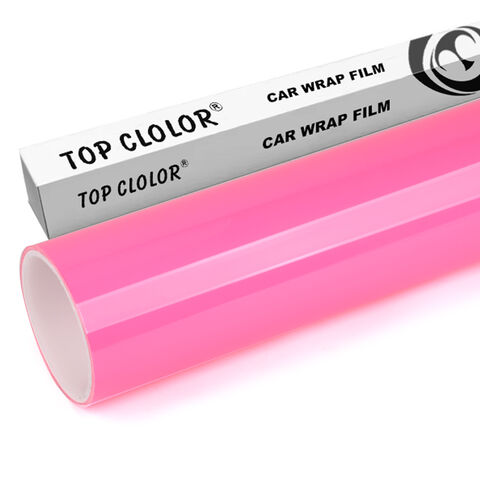
High brightness crystal phosphor car color change film PVC car protective film
Conclusion
The automotive window tint market offers substantial opportunities for professional buyers who approach sourcing strategically. Understanding the technology landscape—from basic dyed films through advanced ceramic solutions—enables matching products to specific customer segments and price points. The best car window tint for your business depends on your target market, competitive environment, and operational capabilities rather than simply choosing the highest-performing or lowest-cost option.
GlobalSources.com provides access to a diverse supplier base that has matured significantly in recent years. Chinese and other Asian manufacturers now produce films that meet or exceed Western quality standards while maintaining cost advantages that translate directly to competitive pricing or improved margins. Success requires moving beyond simple price comparisons to evaluate suppliers holistically—considering quality consistency, communication effectiveness, payment terms, and long-term reliability.
The most successful buyers treat supplier relationships as strategic partnerships rather than transactional arrangements. Investing time in thorough evaluation, starting with manageable order sizes, and building trust through consistent business practices creates supply chains that support growth and adapt to changing market conditions. Whether you're establishing a new tint car windows service or optimizing an existing operation, the combination of quality products and reliable suppliers forms the foundation for sustainable business success.
As the market continues evolving toward premium ceramic technologies and customers become increasingly sophisticated about performance differences, professional buyers who establish relationships with capable suppliers position themselves to capture growing demand. The window tint industry rewards those who balance quality, cost, and service—exactly what platforms like GlobalSources.com enable when approached with clear strategies and realistic expectations.

