




In the rapidly evolving landscape of global e-commerce, China stands as a titan, dominating the digital marketplace with its innovative platforms and vast consumer base. As we delve into 2024, the Chinese e-commerce market continues to expand, with projections indicating that global marketplace Gross Merchandise Value (GMV) will surpass $3.8 trillion this year. This article will explore the top 10 Chinese online marketplaces, examining their unique features, market share, and impact on both domestic and international trade. We'll also discuss how these platforms are shaping the future of e-commerce and provide insights for businesses looking to tap into this lucrative market.
1. Global Sources: Leading B2B Sourcing Platform

While not exclusively a Chinese platform, Global Sources plays a crucial role in connecting Chinese suppliers with international buyers. Founded in 1971, Global Sources has evolved into a comprehensive B2B sourcing platform that facilitates trade between China and the rest of the world.
Key Features:
- Verified supplier listings and detailed company profiles
- Online trade shows and virtual exhibitions
- Industry-specific verticals for electronics, fashion, and home products
Global Sources' importance in the Chinese e-commerce ecosystem lies in its role as a bridge between Chinese manufacturers and global markets. The platform has been instrumental in promoting Chinese exports and helping international buyers source quality products from China.
Statistics:
- Global Sources reported over 1.5 million international buyers registered on its platform as of 2023
- The company facilitates billions of dollars in trade annually between China and international markets
2. Alibaba Group: The E-commerce Giant

At the forefront of China's digital revolution stands Alibaba Group, a conglomerate that has redefined online shopping and B2B transactions. Founded by Jack Ma in 1999, Alibaba has grown into a multifaceted empire with several key platforms:
a) Taobao:
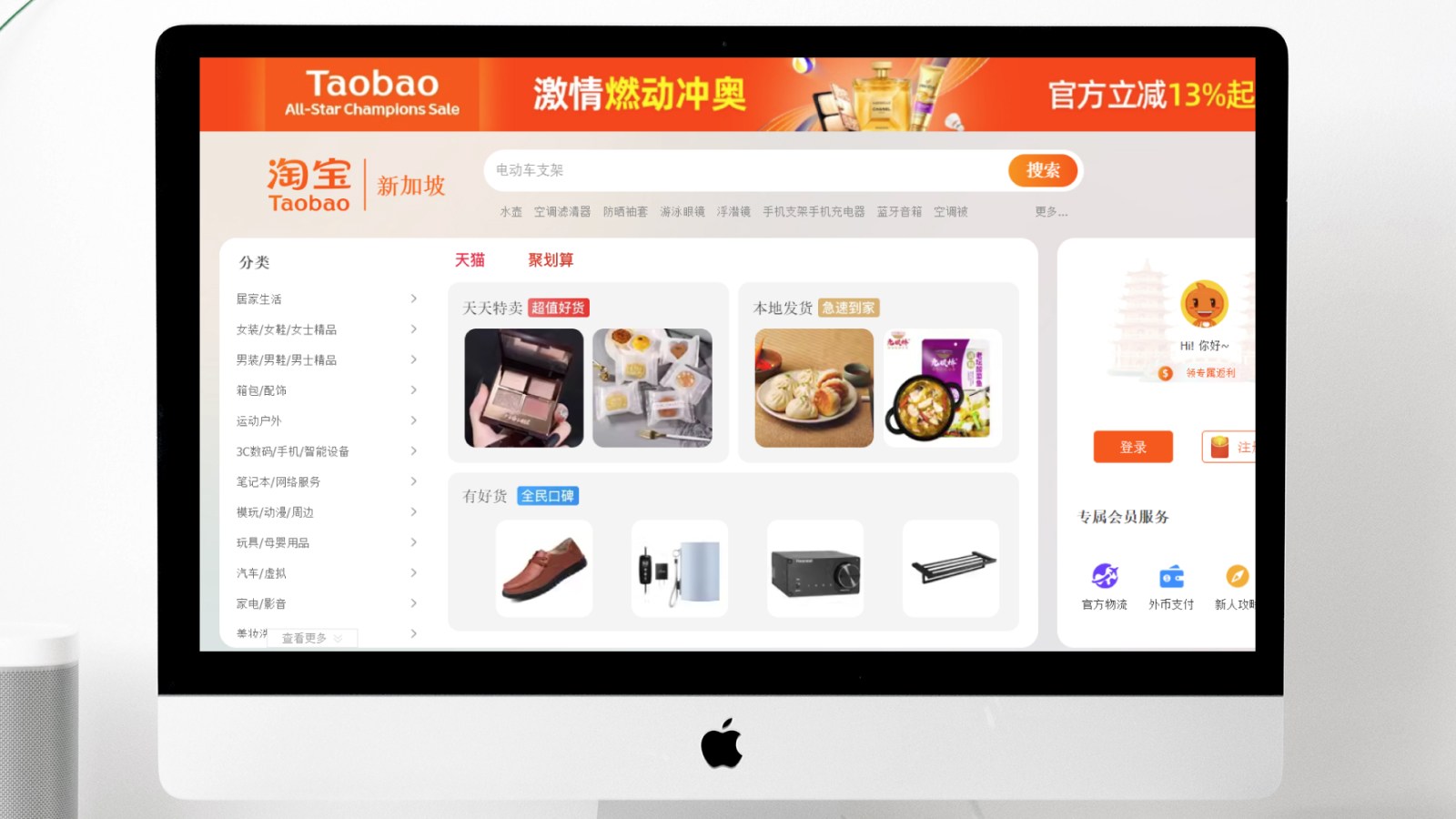
Taobao, launched in 2003, is China's largest consumer-to-consumer (C2C) online shopping platform. With its vast array of products and services, Taobao has become an integral part of Chinese daily life. In 2023, Taobao, along with Tmall, contributed significantly to Alibaba's impressive 1.28 billion annual active consumers worldwide.
Key Features:
- User-friendly mobile app with personalized recommendations
- Live-streaming capabilities for real-time product demonstrations
- Alipay integration for secure transactions
b) Tmall:
Tmall, originally an offshoot of Taobao, has evolved into China's premier business-to-consumer (B2C) online retail platform. It hosts both domestic and international brands, offering a curated shopping experience for quality-conscious consumers.

Statistics:
- Tmall Global featured over 40,000 overseas brands from 90 countries and regions as of 2023.
- Combined with Taobao, Tmall helped Alibaba achieve a GMV of 8.3 trillion yuan (approximately $1.2 trillion) in the 2023 fiscal year
c) AliExpress:
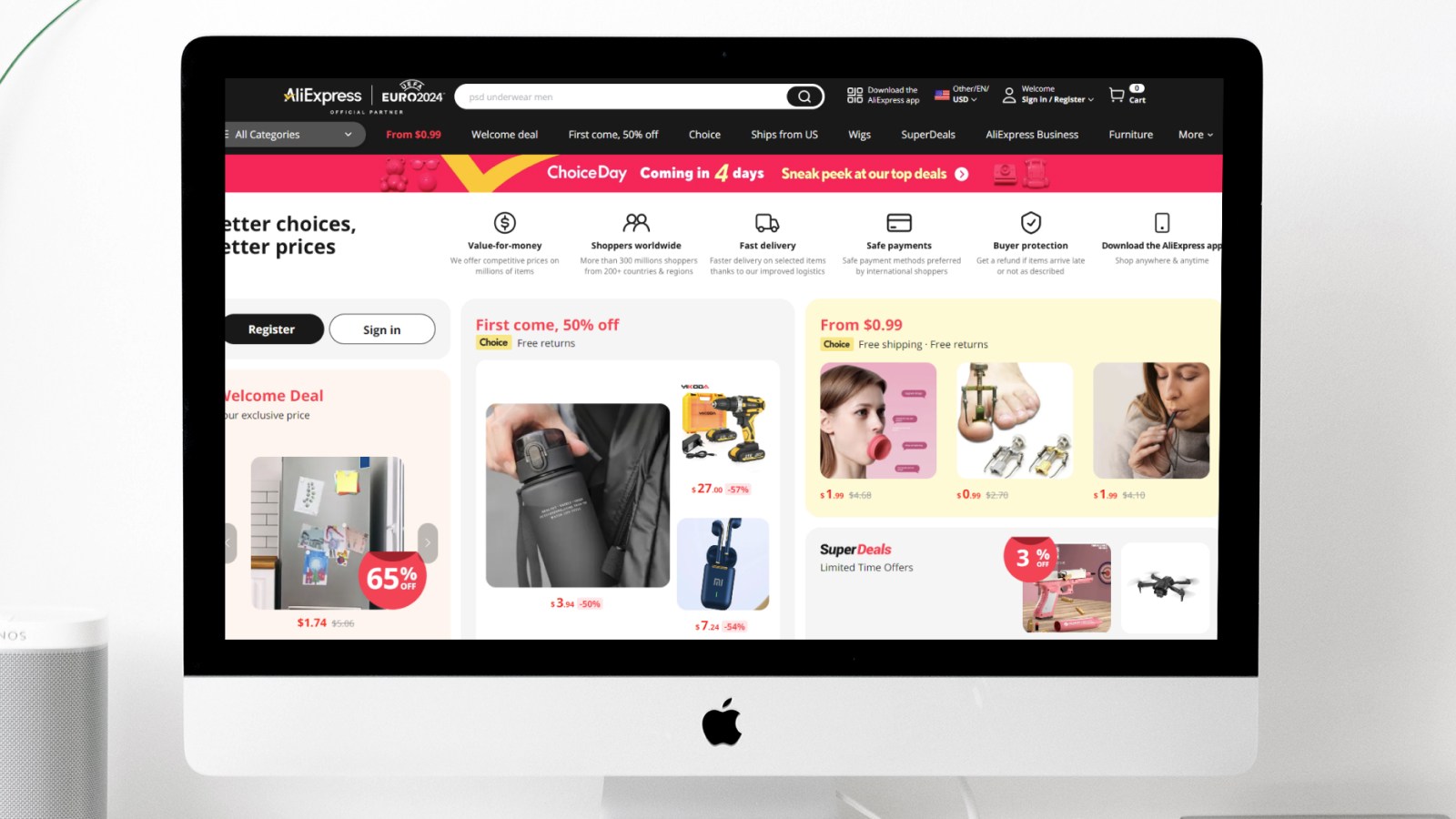
AliExpress serves as Alibaba's international retail marketplace, connecting Chinese sellers with global buyers. It has gained popularity in regions such as Europe, the Americas, and Southeast Asia.
3. Pinduoduo: The Social Commerce Disruptor
Launched in 2015, Pinduoduo has rapidly risen to become a major player in China's e-commerce scene. The platform's innovative "team purchase" model and gamification of shopping have resonated strongly with price-sensitive consumers, particularly in lower-tier cities and rural areas.

Key Features:
- Group-buying discounts
- Interactive games and rewards for user engagement
- Direct connection between farmers and consumers for fresh produce
Statistics:
- Pinduoduo reported 881.9 million annual active buyers in 2023
- The platform's GMV reached 3,374.2 billion yuan (approximately $467.4 billion) in 2023
4. WeChat Mini Programs: The Social Media Integration
While not a traditional marketplace, WeChat's Mini Programs have revolutionized e-commerce in China by integrating shopping experiences directly into the country's most popular messaging app. Launched in 2017, Mini Programs allow businesses to create app-like experiences within WeChat, blurring the lines between social media and e-commerce.
Key Features:
- Seamless integration with WeChat's ecosystem
- Easy-to-use interface for both merchants and consumers
- Wide range of services, from e-commerce to food delivery and travel booking
Statistics:
- WeChat reported over 1.3 billion monthly active users in 2023
- The number of daily active users for Mini Programs exceeded 500 million in 2023
5. Douyin (TikTok): The Short-Video E-commerce Platform
Douyin, known internationally as TikTok, has emerged as a powerful force in China's e-commerce landscape. By seamlessly integrating shopping features into its short-video platform, Douyin has created a new paradigm for social commerce.

Key Features:
- Shoppable video content
- Live-streaming capabilities with real-time purchasing options
- Influencer collaborations and product recommendations
Statistics:
- Douyin reported over 700 million daily active users in China as of 2023
- The platform's e-commerce GMV reached an estimated 1.2 trillion yuan (approximately $166 billion) in 2023
6. Suning.com: The Omnichannel Retail Leader
Suning.com has successfully transformed from a traditional electronics retailer into a leading omnichannel e-commerce platform. By leveraging its extensive offline presence and embracing digital innovation, Suning has created a seamless online-to-offline (O2O) shopping experience.
Key Features:
- Integration of online and offline retail channels
- Strong focus on home appliances and electronics
- Smart retail solutions and IoT product offerings
Statistics:
- Suning.com reported 476 million registered members in 2023
- The company's online platforms GMV reached 416 billion yuan (approximately $57.6 billion) in 2023
7. Vipshop: The Flash Sales Specialist
Vipshop has carved out a unique position in China's e-commerce market by focusing on flash sales of discounted branded products. The platform offers a curated selection of fashion, beauty, and lifestyle items at competitive prices.
Key Features:
- Daily flash sales with limited-time offers
- Partnerships with both domestic and international brands
- Personalized recommendations based on user preferences
Statistics:
- Vipshop reported 49.8 million active customers in Q4 2023
- The platform's total net revenue for 2023 reached 103.2 billion yuan (approximately $14.3 billion)
8. Xiaohongshu (Little Red Book): The Social Discovery Platform
Xiaohongshu, also known as Little Red Book or RED, has evolved from a product review site into a full-fledged social commerce platform. It combines elements of Instagram, Pinterest, and e-commerce to create a unique shopping experience driven by user-generated content.
Key Features:
- User-generated product reviews and lifestyle content
- Integration of social media and e-commerce functionalities
- Focus on beauty, fashion, and lifestyle products
Statistics:
- Xiaohongshu reported over 200 million monthly active users in 2023
- The platform hosted content from more than 300 million users as of 2023
9. Meituan: The Super App for Local Services
While primarily known for food delivery, Meituan has expanded its offerings to become a comprehensive platform for local services and e-commerce. The app now covers everything from restaurant bookings and movie tickets to hotel reservations and grocery delivery.
Key Features:
- Wide range of local services and e-commerce offerings
- Integration of multiple service categories within a single app
- AI-powered recommendations and personalized user experiences
Statistics:
- Meituan reported 684.7 million annual transacting users in 2023
- The company's total revenue reached 237.3 billion yuan (approximately $32.9 billion) in 2023
10. JD.com: The Logistics Powerhouse
JD.com, also known as Jingdong, has carved out a significant niche in China's e-commerce landscape by focusing on authentic products and efficient logistics. Founded in 1998 by Richard Liu, JD.com has grown to become China's largest online retailer by revenue.

Key Features:
- Extensive self-operated logistics network
- Focus on electronics, home appliances, and fast-moving consumer goods
- Same-day and next-day delivery options in major cities
Statistics:
- JD.com reported 588.3 million annual active customers in 2023
- The platform achieved a net revenue of 1,046.2 billion yuan (approximately $144.9 billion) in 2023
The Impact of Chinese Online Marketplaces on Global E-commerce
The rise of Chinese online marketplaces has had a profound impact on global e-commerce trends and practices:
- Mobile-First Approach: Chinese platforms have led the way in mobile commerce, with a significant portion of transactions occurring on smartphones. In 2023, mobile e-commerce sales in China accounted for over 80% of total e-commerce sales.
- Social Commerce Integration: The seamless blend of social media and e-commerce pioneered by platforms like WeChat and Xiaohongshu is inspiring similar innovations worldwide.
- Live-Streaming Commerce: Chinese marketplaces have popularized live-streaming as a powerful sales channel, a trend that is now gaining traction globally.
- AI and Big Data Utilization: Chinese e-commerce giants are at the forefront of using artificial intelligence and big data to personalize shopping experiences and optimize operations.
- Cross-Border E-commerce: Platforms like AliExpress and Global Sources have facilitated the growth of cross-border e-commerce, making it easier for Chinese products to reach global consumers.
Future Trends and Challenges
As Chinese online marketplaces continue to evolve, several trends and challenges are emerging:
- Regulatory Scrutiny: Increased government regulation of tech companies in China may impact the growth and operations of these platforms.
- Rural E-commerce Expansion: There is a growing focus on penetrating lower-tier cities and rural areas, as seen with Pinduoduo's success.
- Sustainability and Ethical Consumption: Chinese consumers are becoming more environmentally conscious, pushing platforms to adopt more sustainable practices.
- International Expansion: Many Chinese platforms are looking to expand their presence in international markets, facing competition from established global players.
- Technological Innovation: Continued investment in technologies like augmented reality (AR), virtual reality (VR), and the Internet of Things (IoT) will shape the future of online shopping experiences.
Conclusion
China's online marketplaces represent a dynamic and innovative force in global e-commerce. From Alibaba's vast ecosystem to emerging players like Pinduoduo and Xiaohongshu, these platforms are not only reshaping the retail landscape within China but also influencing e-commerce trends worldwide. As we move further into 2024 and beyond, the continued growth and evolution of these digital bazaars will undoubtedly play a crucial role in shaping the future of global trade and consumer behavior.
For businesses looking to enter the Chinese market or source products from China, understanding these platforms and their unique characteristics is essential. Whether it's leveraging the massive reach of Taobao and Tmall, tapping into the social commerce revolution led by WeChat and Douyin, or utilizing B2B platforms like Global Sources for international trade, the opportunities presented by China's online marketplaces are vast and varied.
As the e-commerce landscape continues to evolve, staying informed about the latest developments in China's digital marketplace will be crucial for businesses, consumers, and policymakers alike. The innovations and trends emerging from these platforms today may well become the global standards of tomorrow, making China's online marketplaces a bellwether for the future of digital commerce.

