




Digitalization has accelerated in recent years, with the need for automation hastened by the pandemic. It helped mitigate the impact of disruptions, enabling remote work and online operations while increasing productivity levels in many sectors.
Sensors play a crucial role in this digital transformation because of their use in a wide range of applications and environments. They help monitor, analyze and process changes that occur. In the Industry 4.0 sphere and large automation systems used in the chemical, paint, oil and gas, petrochemical sectors, there are industrial types of temperature, pressure, level, infrared, gas and vibration sensors.
China hub
In China, the world's largest production hub, there are about 50,000 sensors-related manufacturers, according to QCC, an enterprise information-searching platform there. They are found in Guangdong, Jiangsu and Zhejiang provinces.
In recent years, this product category has flourished in Ningbo, a major port and industrial city in Zhejiang, which has gathered hundreds of suppliers. There is a smart sensor manufacturing center in Jiangbei District where nearly 400 upstream and downstream enterprises operate and collectively realized a production value of $2.28 billion in 2022.
The key suppliers in Ningbo include Keli Sensing Technology (Ningbo) Co. Ltd, Ningbo CRRC and Siterwell Electronics. More companies in the sensor field, both from home and abroad, are expected to set up operations in the city in the future as projects continue thanks to industrial digital transformation.
Keli, for instance, has invested $114.28 million in a new facility for sensors and instruments in a 49,421sqm area in the Jiangbei High-tech Zone. Scheduled to be completed before May 2024, this venture is anticipated to yield a production value of $42.85 million after operating on a mass scale in 2025. In subsequent years, this will further go up and hit $64.28 million by 2026 and $107.14 million by 2027.
Explore Our Selection of Premium Electronic Components
Heading into MEMS sensor territory
Chinese manufacturers will pursue the development of MEMS sensors in consonance with the trend favoring them in various applications.
CSMS, a company formed in 2022 specializing in MEMS technology, focuses on the R&D and production of gas sensors for smart homes and manufacturing, automotive, medical, oil and chemical, food production and environmental inspection fields. It has already reached mass production level, with total sales value estimated at $1.38 million in 2023 and anticipated to increase by 100 percent in 2024.
Globally, MEMS sensors reached $18.477 billion in 2022, according to Omdia. Of this total, consumer electronics, medical, automotive and industrial applications respectively accounted for 41.8, 28.1, 16.7 and 9.1 percent.
Ningbo-made industrial sensors
Widely available industrial sensors from manufacturers in Ningbo include pressure, temperature, flow, gas, level and acceleration types used in the automotive, medical and chemical industries as well as in smart meters and robotics. Major suppliers such as Ningbo CRRC can also offer current and voltage sensors.
Chinese companies will keep working on their manufacturing capability to develop more midrange and high-end industrial sensors that meet a diverse range of requirements.
They obtain ICs, sensing components, passives, PCBs and cases from domestic or foreign providers depending on customers’ preferences. For ICs, their go-to sources include major players Renesas, Bosch, TI, Fairchild and TDK and key China-based suppliers such as OmniVision, GigaDevice, MEMSensing, FATRI and Novosense.
Component and material costs are expected to stabilize in the coming months and keep price increases at bay.
Great prospects ahead
A crucial input for achieving greater automation, industrial sensors are forecast to expand at 8.6 percent CAGR based on an estimated value of $25.2 billion in 2023 and $38.23 billion by 2028, according to Mordor Intelligence.
Qianzhan Industrial Research Institute’s report shows that sensors shipped worldwide are mostly for consumer electronics and industrial applications, with the robotics and automotive sectors expected to dominate in the coming years.
By 2026, China’s automotive-use sensors will have a market size of $20.7 billion, according to CICC. This will represent 38.1 percent of the world total, which is projected to reach $54.32 billion that year.
SUPPLIER PROFILES
Keli Sensing Technology (Ningbo) Co. Ltd
Year established: 1995
Key export products: Sensors
Head office location: Jiangbei Investment Park, Ningbo, Zhejiang
Main export markets: Europe, North America, Asia-Pacific
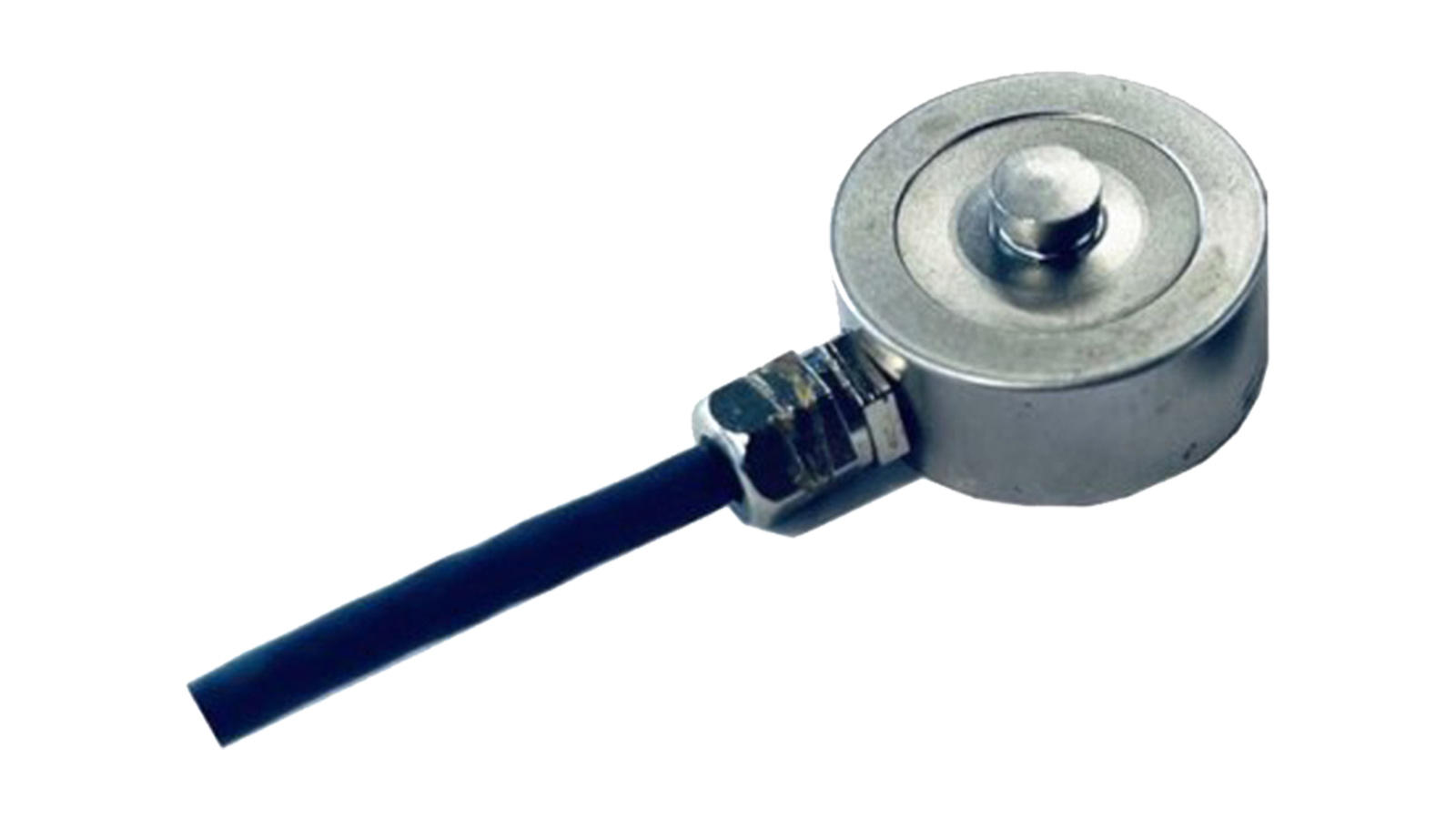
Model: NK-SS100N-1000N
MOQ: Negotiable
Lead time: 7 days
Description: Sensor; 100, 200, 300, 500, 1,000N rated load; 1.5±0.5mV/V sensitivity; 350±50mohm input resistance; -30 to 70 C operating temperature; IP65
Ningbo Jingfeng Measurement & Control Technology Co. Ltd
Year established: 2016
Head office location: Ningbo, Zhejiang
Key export products: Sensors
Export ratio: 50%
Main export markets: Europe, North America, Asia-Pacific
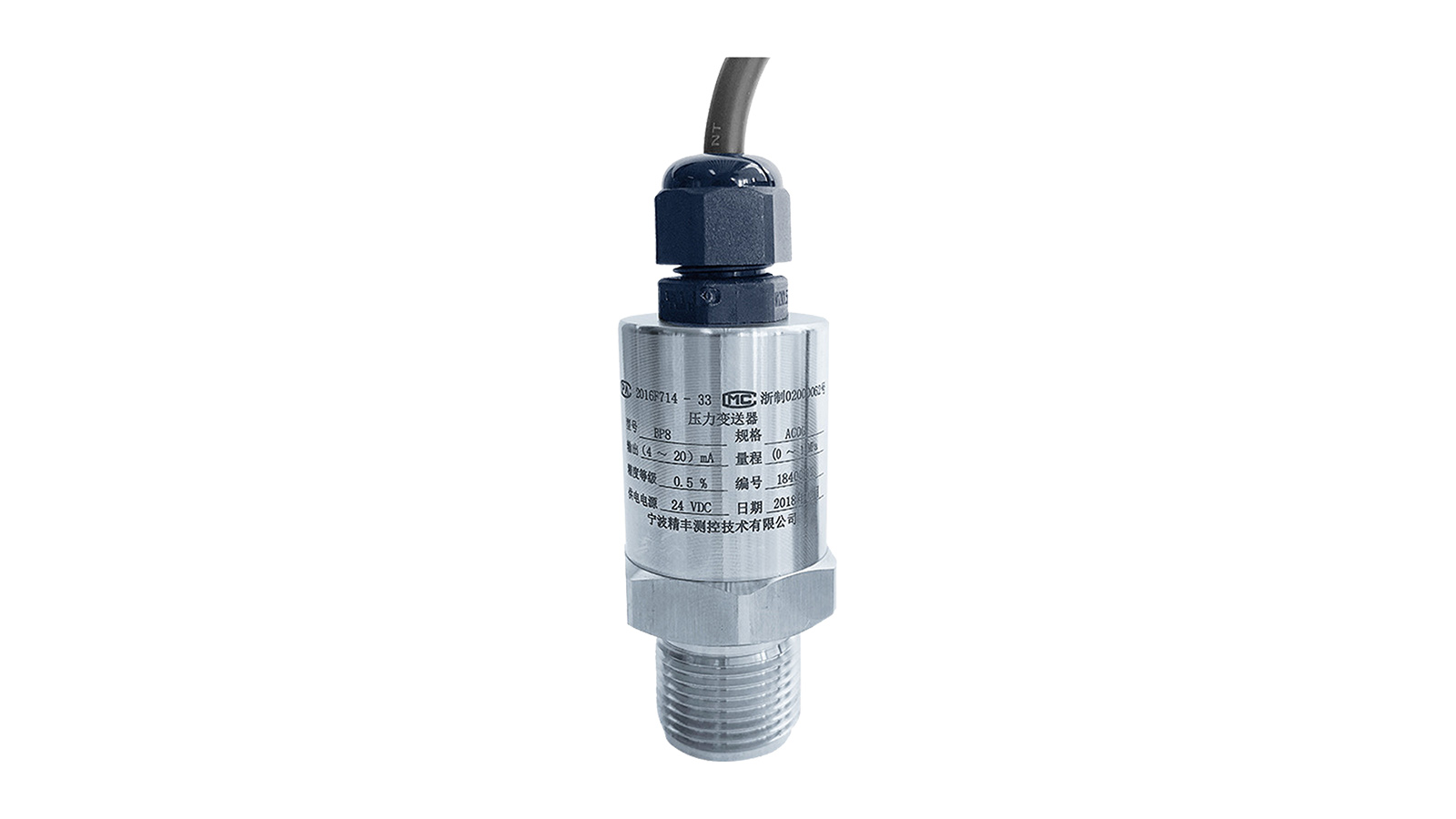
Model: BP8
MOQ: Negotiable
Lead time: 15 days
Description: Pressure sensor; 0 to 100, 200, 400 and 600kPa, 0 to 1, 1.6, 2, 2.5, 3.5, 4 and 5MPa gauge ranges; 0.5 percent precision; 12 to 30VDC supply voltage; -20 to 85 C operating temperature; IP65
Ningbo Mingrui Sensor Co. Ltd
Year established: 2007
Head office location: Ningbo, Zhejiang
Key export products: Sensors
Export ratio: 30%
Main export markets: Europe, North America, Asia-Pacific
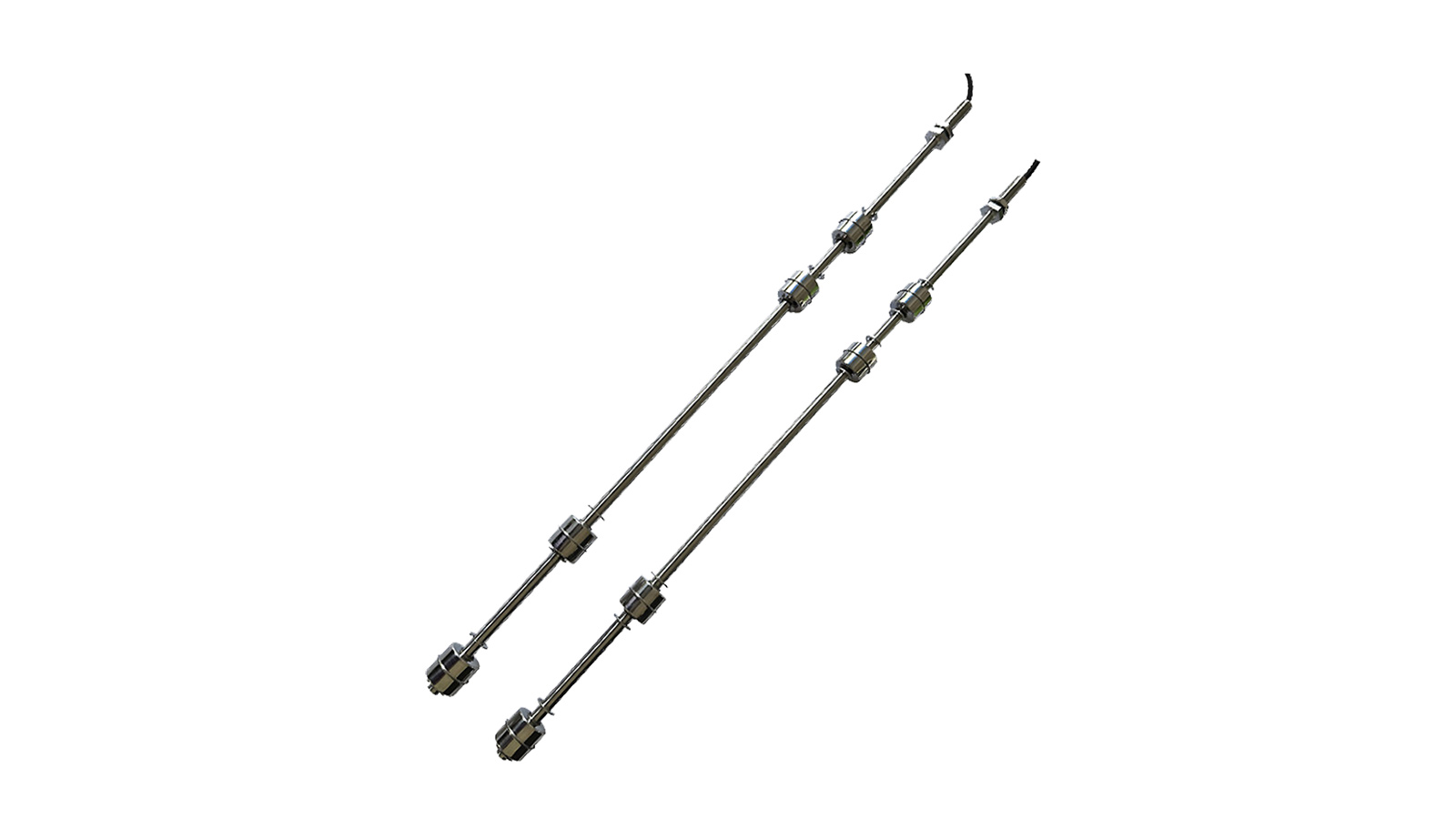
Model: MR10520-SS
MOQ: 50 units
Lead time: 7 days
Description: Sensor; 0.7MPa float pressure; 1,000V/10sec withstand voltage; >100Mohm insulation resistance; -10 to 85 C operating temperature
Ningbo Noblefu Electromechanical Co. Ltd
Year established: 2008
Head office location: Ningbo, Zhejiang
Key export products: Sensors
Annual export sales: $6 million
Export ratio: 90%
Main export markets: Europe, US, Asia-Pacific
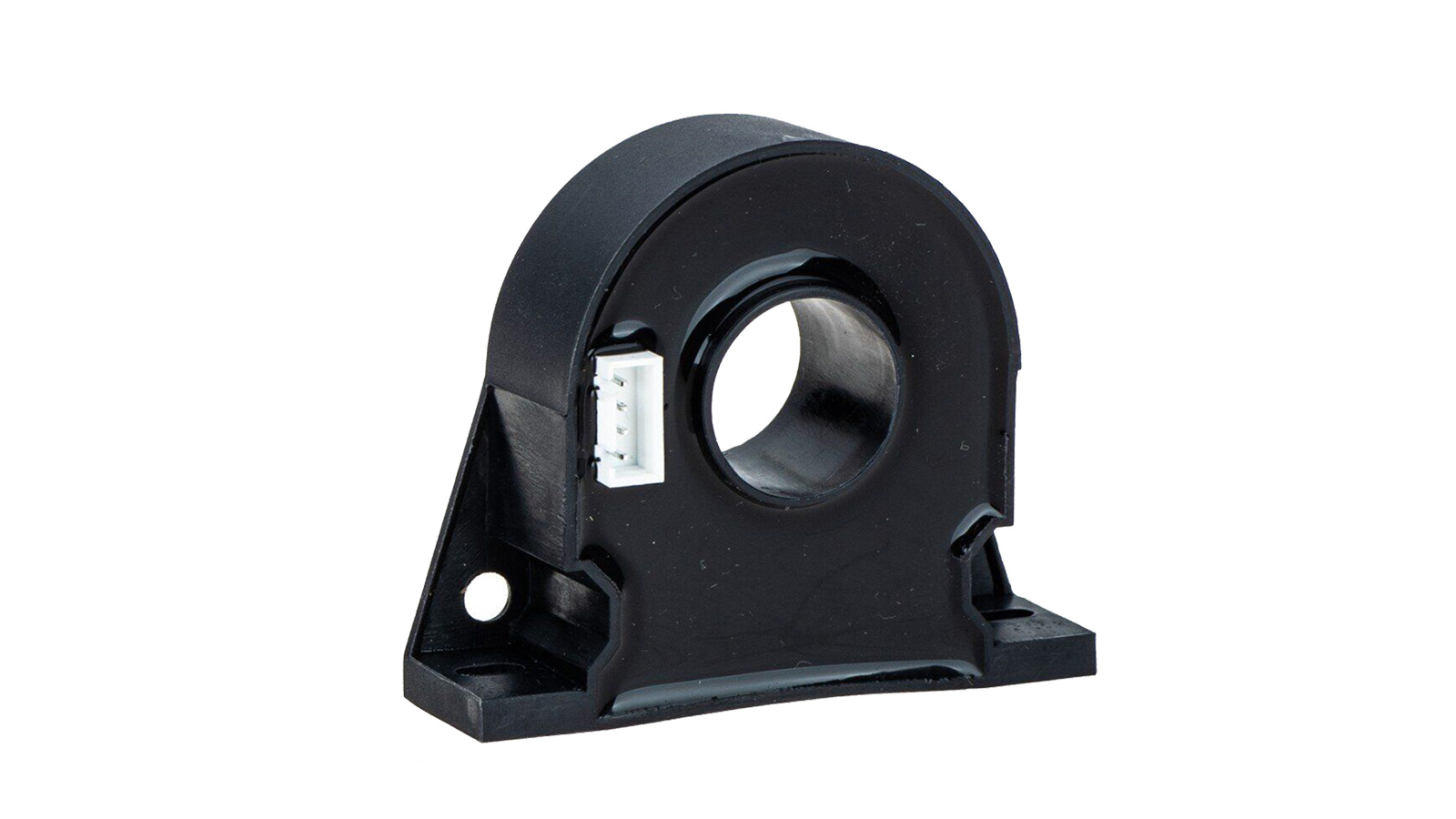
Model: NBF-C1-7104
MOQ: 100,000 units
Lead time: 10 days
Description: Sensor; 50 to 400A input current; 2.5±2V output voltage at 25 C; ≥10kohm load resistance; 12VDC±5 percent supply voltage; ≤15mA current consumption; -25 to 80 C operating temperature

