




Advancements in electronics, driven by the consumer electronics, automotive and industrial sectors, will keep the global electronics manufacturing service (EMS) market on the growth path, underscoring businesses’ appreciation of outsourcing production. This industry is estimated to have reached $537.23 billion in 2024 and will expand with a 6.2 percent CAGR to 2031 according to US-based Market Research Intellect. By the end of the forecast period, its value will be $820.71 billion.
Dominating the field is the Asia-Pacific region, with China, Japan and South Korea being the major players. North America and Europe follow, with Latin America and the Middle East emerging as new markets, according to the same source.
In particular, China has developed as an EMS hub, which was already in the scale of $273 billion in 2023 based on information from Beijing Puhua Youce Information Consulting.
Smart manufacturing agenda
Accelerating growth is China’s adoption of smart manufacturing, announced in 2015 as part of the Made in China 2025 plan. Based on this program, the country “will see 70 percent of its major manufacturing firms basically digitalized and networked and build more than 500 industry-leading smart-manufacturing demonstration plants by 2025,” as reported by Xinhua News in 2022.
Between 2016 and 2021, this industrial policy yielded a CAGR of 26.33 percent for China’s smart manufacturing market, according to market research firm Zhong Jin Qi Xin. In 2022, the total value went up further and reached $49.62 billion.
Grand View Research likely had a smaller 2022 figure based on its 2023 report saying that China realized $49.05 billion revenue. Still, its projection is a sizeable CAGR of 18.2 percent from 2024 to 2030, with the country arriving at $158.2 billion by end of the period. This report noted that while software is the largest segment, it is the services branch that will deliver the fastest growth.
Flexing flexibility
Chinese manufacturers have been leveraging their decades-long flexibility to small-batch and high-mix low-volume orders to boost competitiveness with major industry players operating in the country.
They have extended this strategy to the smart era, acquiring compliant equipment and systems in recent years while improving their technology to achieve a high level of precision in products and efficiency in manufacturing.
Some companies, especially tier-one players, will continue to expand their production capacity to meet rising demand domestically and abroad. Etron, for instance, has embarked on such a project for its second manufacturing base in Suzhou. The facility covers an area of 66,700sqm. The first phase began operating on a mass scale in early 2023 while the second one is still under construction. Both phases will double Etron’s production value.
EMS hub
There are nearly a thousand EMS providers in China, and most are small and midsize businesses. Many are found in the Pearl River Delta, the Yangtze River Delta and the Bohai Bay Rim Economic Region.
Some of the world’s top EMS providers are homegrown, including Shenzhen Kaifa, DBG and Prime Group. PC Partner, a Hong Kong SAR company, has moved its headquarters to Singapore. Most have factories outside China.
Other global players with China operations include Foxconn, USI, Pegatron, Wistron, Jabil, Flex (formerly Flextronics), Sanmina, Celestica, New Kinpo Group and Plexus.
Many use robotics to ensure high accuracy and fast production. Foxconn, for instance, has installed 40,000 robotic units for welding and assembly in its factories in Zhengzhou, Chengdu, Kunshan and Jiashan. It will continue to cooperate with domestic robotics companies to introduce more such units in the coming years.
China EMS
Most Chinese EMS suppliers cater to overseas clients, with such products accounting for 30 to 80 percent of their shipments. There are some companies exporting all their output. The main destinations include North America, Europe and Southeast Asia.
These suppliers usually source ICs from TI, Fairchild, AMD, ST, Renesas, Infineon and NXP, and chip-type passive components from suppliers in Japan and the Taiwan region.
Although domestic manufacturers rely on these international players for these critical components, they leverage a key advantage in sourcing PCBs. After all, China accounts for 58.7 percent of global production of these boards, according to the World Electronic Circuits Council, while Europe only has a 2 percent share and the US much less.
There had been fluctuations in the cost of ICs and MLCCs in 2024, but despite this, Chinese EMS providers kept their quotes unchanged to boost competitiveness. The outlook for components in 2025 is much better and is a welcome trend.
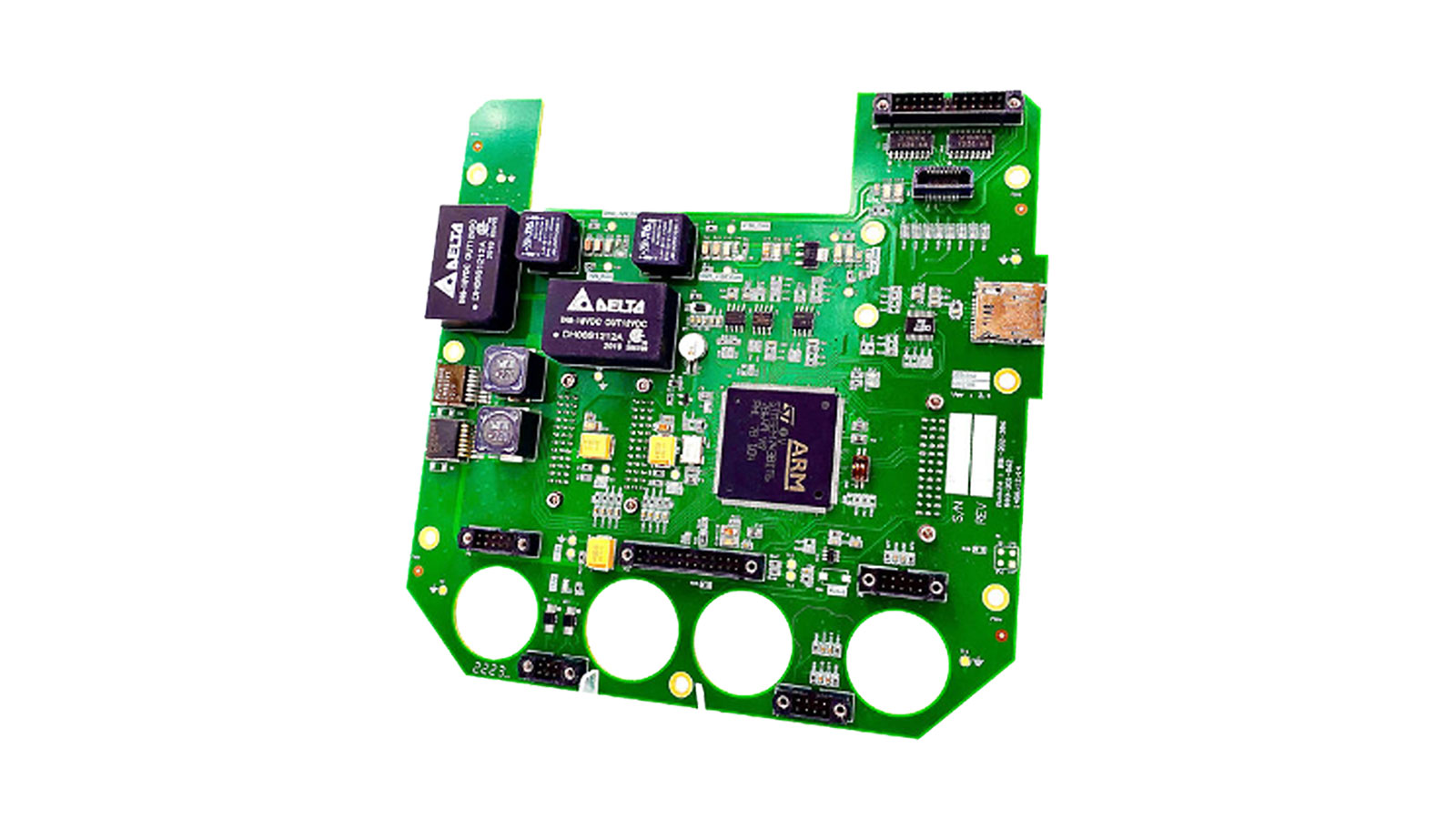
PCB assembly, 2.95mil minimum line width, spacing
Company: China Dragon Electronic Industrial Co. Ltd
China Dragon’s CDC-4456 PCB assembly uses an FR-4, high-Tg FR-4, high-frequency, aluminum or flexible board with 0.1 to 4mm±10 percent thickness and 2.95mil minimum line width and spacing. It may have HASL, lead-free HASL, immersion gold, tin or silver, hard gold, flash gold or OSP surface finish and green, blue, black, white, yellow, red or matte green, black or blue solder mask.
MOQ: Negotiable
Lead time: 7 days
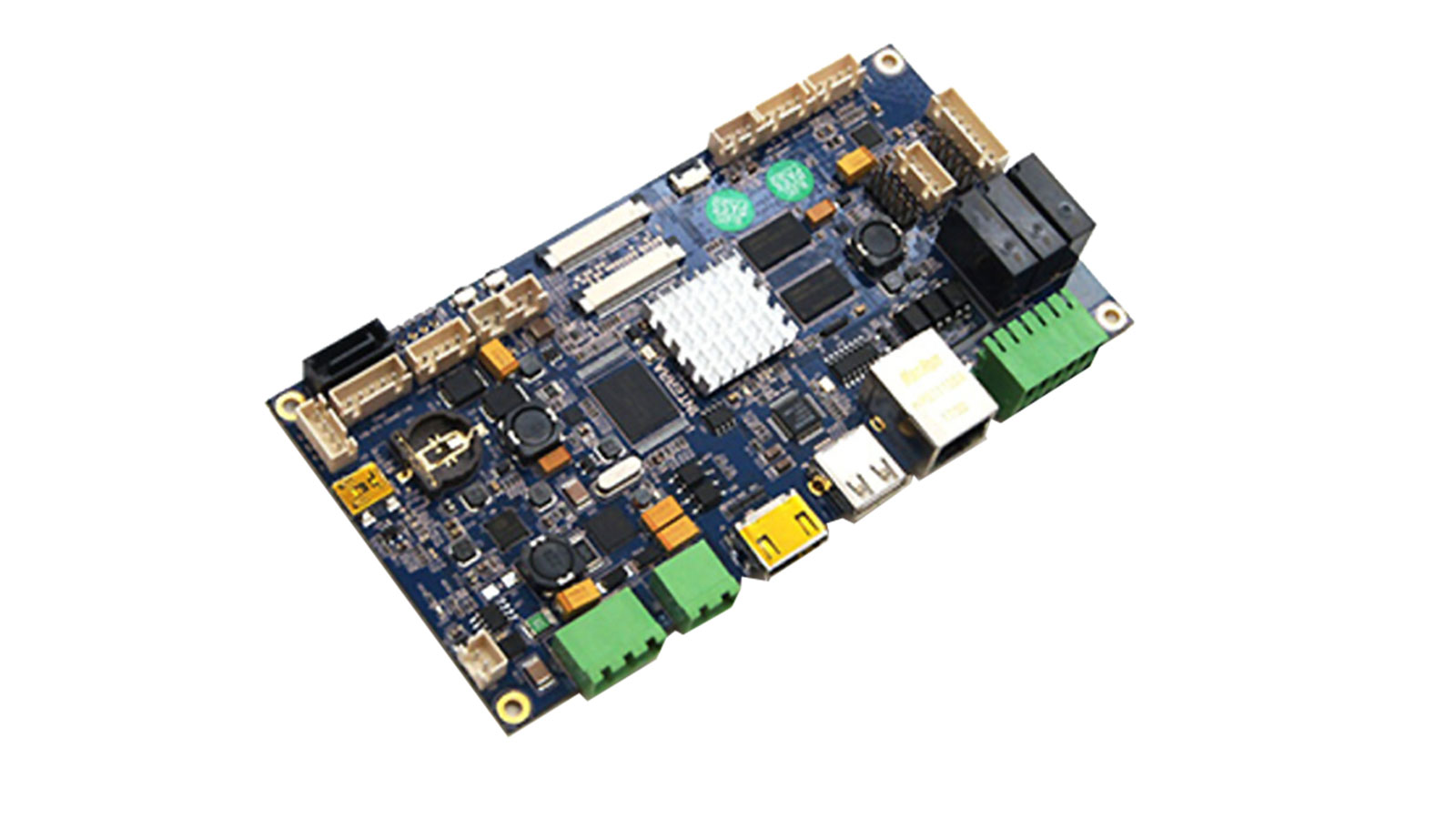
PCB assembly based on FR-4, high-Tg, high-frequency, aluminum board
Company: Hua Xing PCBA Ltd
Hua Xing’s HX012_0001 is a PCB assembly based on a 0.2 to 8mm-thick FR-4, high-Tg FR-4, high-frequency or aluminum or a 0.1 to 0.25mm-thick flexible PCB, with ±10 percent thickness tolerance. It has 0.5 to 3oz inner and 0.5 to 4oz outer copper, as small as 0.1mm mechanical and 0.075mm laser drilled holes, and 3mil minimum line width and spacing. Surface finish options include HASL, ENIG, immersion silver and tin and OSP.
MOQ: Negotiable
Lead time: 10 days
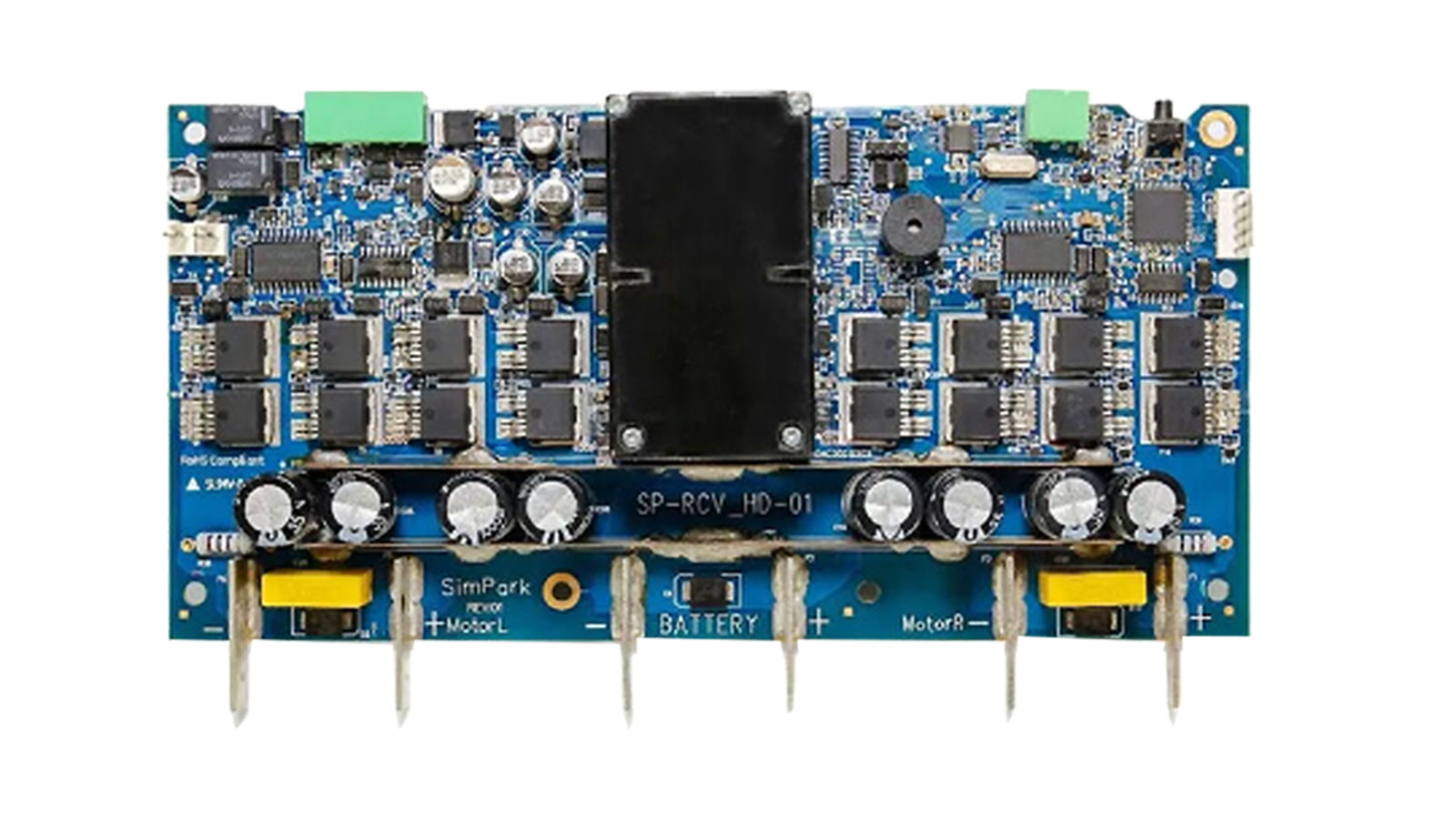
PCB assembly on up to 64-layer board
Company: Shenzhen Benqiang Circuit Co. Ltd
The PCBA-0296-1-9125 from Shenzhen Benqiang is based on an up to 64-layer FR-4, Rogers, high-Tg or aluminum board with HASL, OSP or immersion gold surface finish and white, black, green, blue or red solder mask. The copper used is 1 to 5oz.
MOQ: Negotiable
Lead time: 5 days
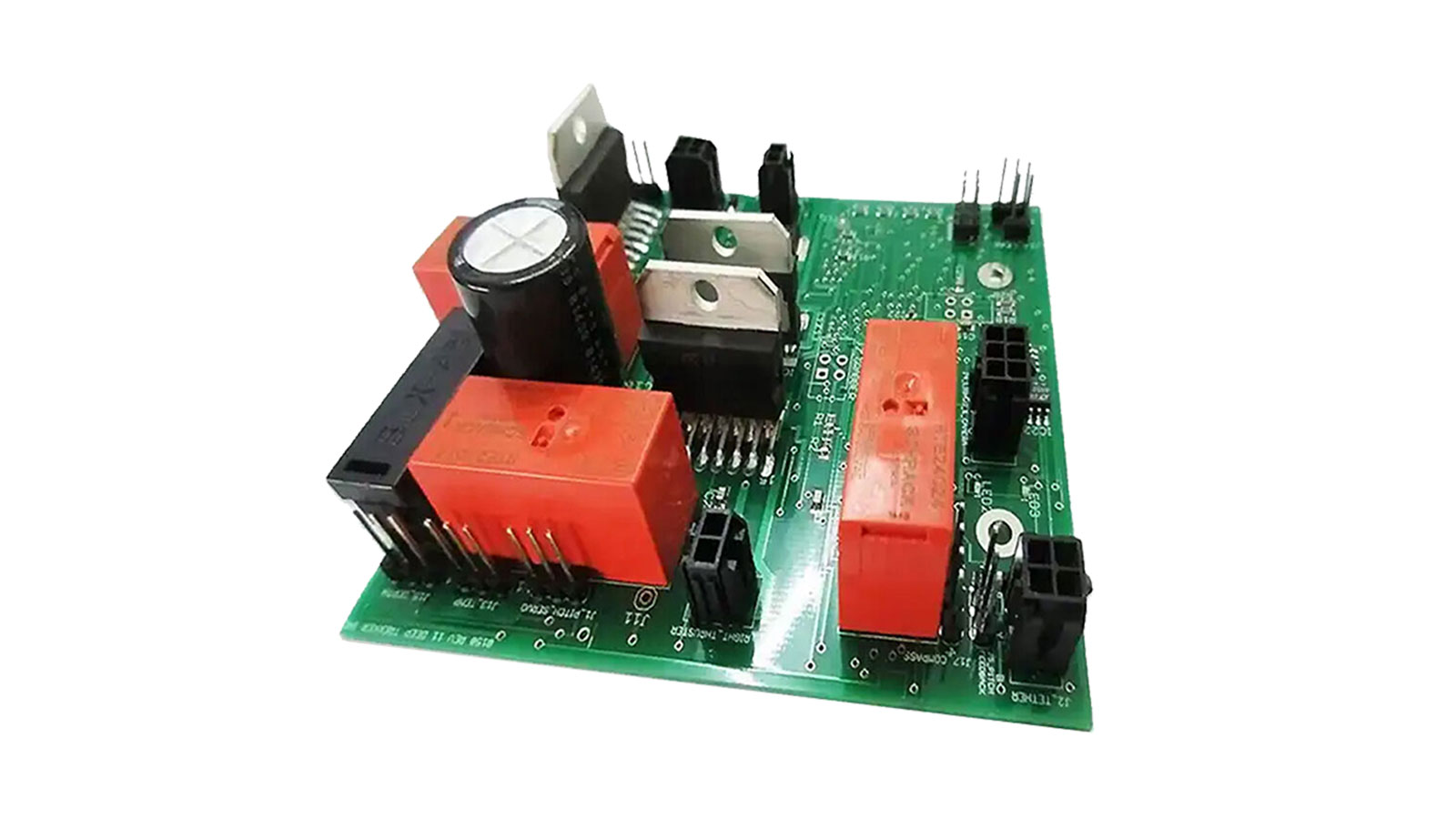
PCB assembly, single-, double-sided, multilayer FR-4 board options
Company: Shenzhen Gaofuheng Electric Technology Co. Ltd
For medical and industrial equipment, IoT devices, automotive applications and other electronics, the PA-002 PCB assembly from Shenzhen Gaofuheng is based on a single-, double-sided or multilayer FR-4 PCB.
MOQ: Negotiable
Lead time: 10 days

