




The pendulum of kitchen design is swinging back. After decades of open-concept dominance, the closed kitchen trend is experiencing a remarkable resurgence in 2025 and 2026. This shift represents a golden opportunity for home decor stores to tap into a profitable niche market, offering products that cater to homeowners seeking privacy, functionality, and a return to traditional compartmentalized living spaces.
The closed kitchen movement enters 2026 not as a passing fad, but as a firmly established counterpoint to decades of open-concept dominance. What began as a quiet reaction to noisy, exposed living spaces has matured into a fully articulated design philosophy centered on privacy, focus, and intentionality. Homeowners are no longer merely “closing off” their kitchens—they’re curating them as distinct, high-performance rooms that support daily routines, remote work realities, and a renewed appreciation for home as sanctuary.
In 2026, this shift deepens in two important ways: first, closed kitchens are becoming more customized to household lifestyles, with layouts, storage systems, and door solutions tailored to how people actually cook, host, and live. Second, the aesthetic language of these spaces is evolving beyond simple nostalgia. Warmer palettes, softer silhouettes, and cleverly concealed storage are combining to create kitchens that feel calm and composed even when they’re working hard behind the scenes. The result is a new standard of “quiet luxury” in the heart of the home.
For home decor retailers, 2026 marks a transition from reacting to the closed kitchen trend to strategically leading it. Shoppers are arriving with clearer expectations: they’re seeking products that solve the real-world issues of noise, odor, clutter, and light while also delivering on style, sustainability, and long-term value. Stores that can connect door systems, organizational tools, lighting, and decorative finishes into cohesive, closed-kitchen solutions will stand out in a crowded marketplace.
As the following 2025-focused insights show, the resurgence of enclosed kitchens has already created robust demand for doors, hardware, storage, and ventilation. In 2026, the opportunity lies in refining and expanding these offerings—positioning closed kitchens not as a retreat from modern living, but as its most thoughtful expression. The core drivers remain the same; what changes this year is how deliberately retailers and homeowners are embracing them.
Why Closed Kitchens Are Making a Comeback
The End of the Open-Concept Era
Open-concept kitchens have reigned supreme since the 1990s, but homeowners are increasingly recognizing their limitations. The closed kitchen revival reflects a broader cultural shift toward intentional living and defined spaces. Designers predict that kitchens in 2026 will feel warmer, softer, and more considered, moving away from the stark openness that characterized previous decades .
The trend toward kitchens that don't look like kitchens is gaining momentum, with designers emphasizing concealed storage and separate, defined spaces that create visual calm . This movement away from exposed everything marks a fundamental rethinking of how kitchens function within the home.
Practical Benefits Driving the Trend
The closed kitchen trend isn't merely aesthetic—it addresses real functional concerns that open kitchens fail to solve. Noise reduction stands as a primary advantage, offering homeowners a quieter living environment by containing kitchen sounds within a separate space . This becomes particularly valuable for families with different schedules or those who work from home.
Privacy for culinary tasks represents another compelling benefit. Strong smells, smoke, and clutter stay behind closed doors, allowing homeowners to maintain a pristine appearance in living areas while cooking chaos remains hidden . This separation offers greater concentration and a more private space for meal preparation, ideal for those who prefer keeping certain activities contained .
The enclosed kitchen provides better control over the cooking environment, preventing cooking odors from permeating furniture, curtains, and carpets throughout the home . This containment also helps manage temperature control more effectively, reducing energy costs associated with heating or cooling open spaces.
Key Design Elements of Modern Closed Kitchens
Doors and Separation Solutions
The defining feature of closed kitchens is, naturally, the door. However, 2025/2026 iterations go beyond simple barriers. Homeowners are embracing pocket doors, French doors, sliding barn doors, and glass-paneled doors that offer flexibility. These solutions allow kitchens to be opened when desired while maintaining the option for complete separation .
Glass doors with frosted or textured panels provide a middle ground, offering visual connection while maintaining acoustic and olfactory separation. This hybrid approach appeals to homeowners transitioning from open concepts who aren't ready to commit to complete enclosure.
Concealed Storage Revolution
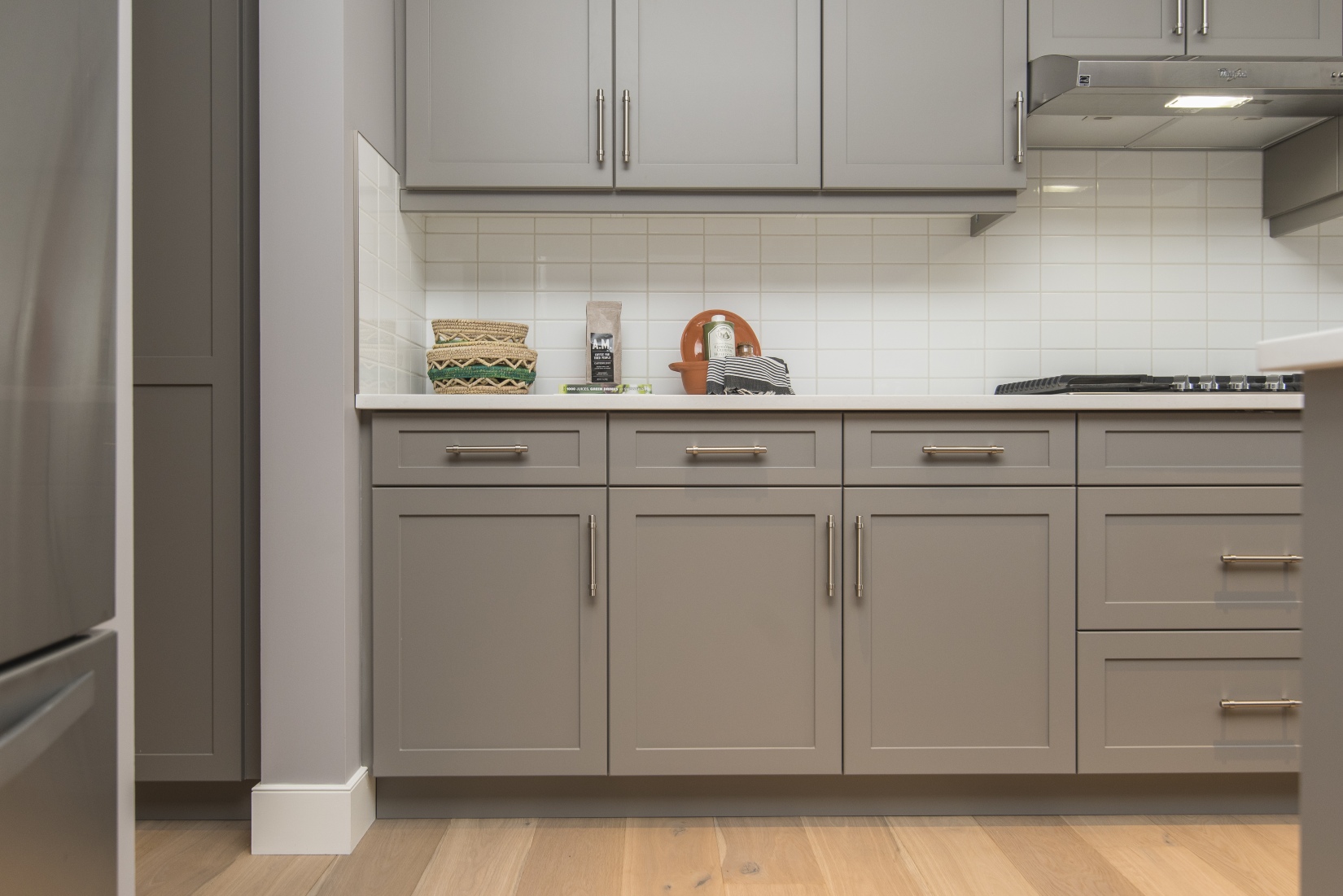
The future kitchen design trend emphasizes concealed storage over open shelving, creating cleaner, more organized spaces . This shift represents a rejection of the exposed dish and pantry aesthetic that dominated Instagram feeds for years. Closed kitchens naturally complement this trend, as both prioritize hidden functionality over constant display.
Cabinet systems with integrated appliances, hidden pantries, and floor-to-ceiling storage solutions are becoming standard expectations. This creates opportunities for home decor stores to stock organizational systems, custom cabinet hardware, and storage accessories designed specifically for closed kitchen environments.
Warm, Considered Aesthetics
Kitchens in 2026 will feature warmer, softer palettes with nature-inspired colors like sage, terracotta, and warm neutrals leading the way . This departure from stark white minimalism aligns perfectly with the closed kitchen concept, which inherently feels cozier and more intimate than sprawling open spaces.
Curved profiles are emerging as a major trend, softening the angular lines that dominated modern kitchen design . Rounded cabinet edges, arched doorways, and circular design elements create a more welcoming, less institutional atmosphere that complements the enclosed kitchen's intimate character.

Profitable Product Opportunities for Home Decor Stores
High-Demand Door Hardware and Systems
The closed kitchen trend creates immediate demand for quality door hardware. Retailers should stock premium hinges, soft-close mechanisms, decorative handles, and specialized door systems. Pocket door hardware kits, sliding door tracks, and French door hardware sets represent particularly profitable categories.
Smart door solutions incorporating sensors, automatic closers, and integrated lighting systems appeal to tech-savvy homeowners. These products command premium prices while addressing practical concerns about ventilation and accessibility.
Organizational and Storage Solutions
Closed kitchens require superior organization since everything gets tucked away. This creates opportunities for retailers to offer pull-out pantry systems, drawer organizers, lazy Susans, vertical dividers, and specialized storage for small appliances. The emphasis on concealed storage means homeowners will invest more in systems that maximize every inch of cabinet space .
Custom organizational solutions, modular storage systems, and adjustable shelving units represent high-margin products that solve real problems for closed kitchen owners. Retailers who position themselves as organizational experts can build loyal customer bases.
Decorative Elements and Finishing Touches
While closed kitchens hide clutter, they still require aesthetic appeal. Window treatments become more important in enclosed spaces, creating demand for café curtains, Roman shades, and decorative valances. These products add personality while maintaining the privacy that closed kitchen owners value.
Lighting solutions take on increased importance in separated spaces. Pendant lights, under-cabinet lighting, and statement fixtures become focal points rather than afterthoughts. Retailers should curate collections specifically for enclosed kitchen environments, emphasizing fixtures that provide both task lighting and ambiance.
Ventilation and Air Quality Products
Closed kitchens require robust ventilation systems to prevent moisture buildup and odor accumulation. This creates opportunities for retailers to partner with ventilation specialists or stock range hood filters, air purifiers, and ventilation accessories. Educating customers about proper ventilation becomes a value-added service that builds trust and repeat business.
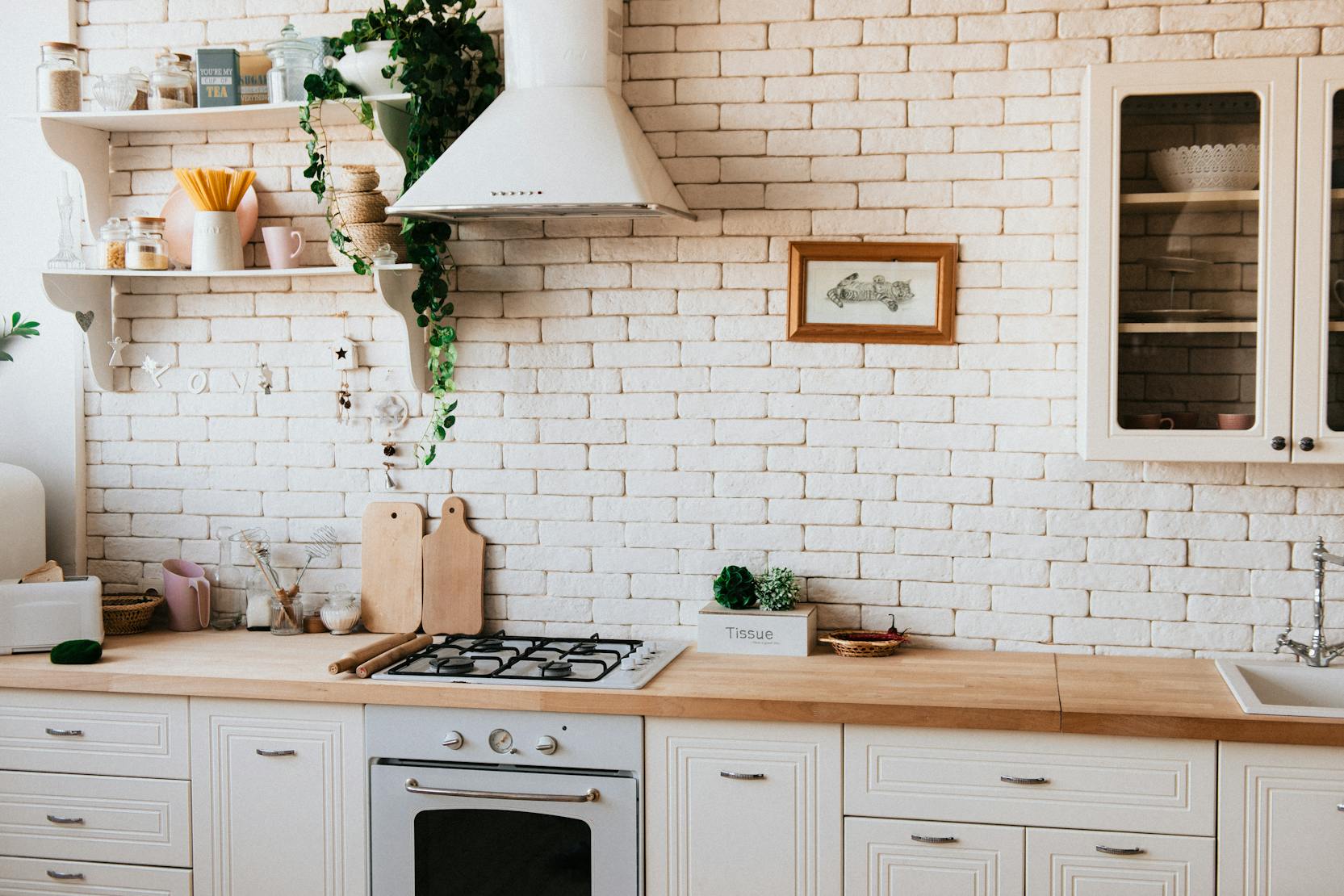
Decorative range hoods that serve as design statements while providing powerful ventilation represent a particularly profitable category. These products combine functionality with aesthetics, commanding premium prices from homeowners committed to the closed kitchen concept.
Marketing Strategies for Home Decor Retailers
Positioning Closed Kitchens as Luxury and Intentional
Retailers should frame the closed kitchen trend as a premium choice rather than a step backward. Marketing messages should emphasize intentional living, curated spaces, and the luxury of separation. This positioning justifies higher price points and attracts customers willing to invest in quality products.
Highlighting the practical benefits—noise reduction, odor control, and privacy—appeals to practical buyers, while emphasizing design sophistication attracts aesthetically-driven customers , . This dual approach broadens market appeal.
Creating Inspirational Displays and Vignettes
In-store displays should showcase closed kitchen concepts through room vignettes that demonstrate how separation creates cozier, more functional spaces. Display door hardware alongside organizational systems and decorative elements to show how products work together.
Before-and-after imagery showing open kitchens transformed into enclosed spaces helps customers visualize possibilities. Partner with local designers or contractors to create case studies demonstrating successful closed kitchen conversions.
Educational Content and Expert Positioning
Retailers who educate customers about the closed kitchen trend position themselves as industry experts. Blog posts, social media content, and in-store workshops explaining the benefits of enclosed kitchens build credibility and drive traffic.
Comparison content showing open versus closed kitchen advantages helps undecided customers understand why the trend is gaining momentum , . This educational approach builds trust and establishes the retailer as a go-to resource.
Targeting Specific Customer Segments
The closed kitchen trend appeals to multiple demographics. Multi-generational households value the privacy and noise reduction enclosed kitchens provide. Remote workers appreciate separation between professional and domestic spaces. Empty nesters downsizing from large homes want efficient, contained kitchens.
Retailers should develop targeted marketing campaigns addressing each segment's specific concerns. This personalized approach increases conversion rates and builds customer loyalty.
Design Considerations for Closed Kitchen Success
Balancing Enclosure with Accessibility
Modern closed kitchens shouldn't feel claustrophobic or disconnected. Wide doorways, glass panels, and pass-through windows maintain connection with adjacent spaces while preserving separation benefits. Retailers should stock products that facilitate this balance, such as café doors, half-walls with countertops, and serving hatches.
Flexible solutions that allow homeowners to adjust the degree of separation based on circumstances appeal to those hesitant about full enclosure. Products enabling this flexibility represent a sweet spot in the market.
Maximizing Natural Light
Enclosed spaces require careful attention to lighting. Windows become crucial for preventing closed kitchens from feeling dark or confined. Retailers should offer window treatment solutions that maximize natural light while providing privacy when needed.
Reflective surfaces, light-colored cabinetry, and strategic mirror placement help brighten enclosed kitchens. Stocking products that enhance light distribution positions retailers as problem-solvers rather than mere product vendors.
Incorporating Eat-In Areas
Designers identify eat-in kitchen areas as one of 2026's biggest trends . Closed kitchens naturally accommodate this concept, as the enclosed space creates an intimate dining environment. Retailers should stock compact dining furniture, banquette seating, and space-saving table solutions designed for enclosed kitchen dimensions.
This trend creates cross-selling opportunities, allowing retailers to bundle kitchen products with dining furniture and accessories. Package deals combining organizational systems with eat-in furniture appeal to customers undertaking complete kitchen renovations.
Future-Proofing Your Inventory
Anticipating Evolution Beyond 2026
While the closed kitchen trend is gaining momentum, smart retailers recognize that design preferences continue evolving. Stocking versatile products that work in both open and closed configurations protects against sudden trend shifts. Modular systems, adjustable solutions, and timeless designs provide the flexibility customers need.
The trend toward kitchens that don't look like kitchens suggests that concealment and discretion will remain valued even if complete enclosure falls out of favor . Products supporting this aesthetic have staying power beyond the immediate closed kitchen trend.
Sustainable and Timeless Materials
The 2025/2026 design landscape emphasizes sustainable materials and timeless aesthetics over trendy finishes . Retailers should prioritize natural wood, stone, and metal products that age gracefully rather than fast-fashion alternatives. This approach aligns with the intentional living philosophy driving the closed kitchen trend.
Quality over quantity resonates with customers investing in closed kitchen renovations. These homeowners typically undertake comprehensive projects rather than cosmetic updates, creating opportunities for higher-value sales.
Conclusion: Seizing the Closed Kitchen Opportunity
The closed kitchen trend represents more than a nostalgic return to traditional layouts—it reflects a fundamental reassessment of how homes should function in contemporary life. For home decor stores, this shift creates a profitable niche with multiple revenue streams spanning door hardware, organizational systems, decorative elements, and specialized accessories.
Retailers who position themselves as closed kitchen experts through curated product selections, educational content, and inspirational displays will capture market share as this trend gains momentum through 2025 and 2026. The key lies in understanding that today's closed kitchens aren't replicas of pre-1990s designs but sophisticated spaces that balance separation with connectivity, privacy with accessibility, and concealment with beauty.
By stocking products that address the practical benefits driving this trend—noise reduction, odor control, and organized storage—while also offering aesthetic solutions that create warm, considered spaces, home decor retailers can build a sustainable business model around the closed kitchen comeback. The homeowners embracing this trend are typically committed to comprehensive renovations, making them valuable long-term customers willing to invest in quality products that enhance their intentionally designed spaces.

