




Induction motors are the most used type of AC motor, especially in oil and gas, refining, power distribution, manufacturing and HVAC industries as well as in healthcare and household appliances. They are known for their simplicity, reliability and efficiency. Because they do not have brushes and commutators that are prone to wear and tear, they require less maintenance. The absence of brushes also means a lack of sparks, making these motors suitable in explosive or dusty environments. For these attributes, induction motors have found applications in electric vehicles, renewable energy systems, marine and aerospace.
In the EV sector, in particular, induction motors are considered well-suited for both hybrid and plug-in types because they “do not suffer a drag loss when the motor turns and do not lose efficiency during high speed, low torque conditions,” according to the US-based Copper Development Association Inc. (CDA).
To keep up with upgrades in these established and new markets, manufacturers are improving the performance of motors. One way is to replace conventional aluminum rotors with those made of copper, using this material for the bars and end rings.
Substituting copper, which has a higher electrical conductivity than aluminum, reduces losses and therefore boosts efficiency. According to IEEE, “overall motor losses as measured in laboratory dynamometer tests using IEEE Specification 112B were reduced by 14 to 23 percent in copper rotors compared to aluminum counterparts.”
The reduced rotor losses from using copper, in turn, result in lower operating temperatures and longer life span of the motor.
Copper rotors also allow motor design to be optimized further for an additional 10 to 15 percent reduction in overall losses. This target was met based on CDA’s research project conducted with the International Copper Association (ICA).
In addition, motors with a copper rotor can be smaller than a motor with an aluminum one. CDA said that it could be by 15 to as much as 25 percent, which offsets the higher cost of copper. This is because a more compact motor means a lesser amount of electrical-grade lamination steel and stamping is needed.
Induction AC motors going copper and more
In China, suppliers are electing to go the copper route to achieve their goal of producing smaller induction motors with higher efficiency and reliability in the coming years. They believe copper rotors will eventually replace aluminum counterparts for all the advantages offered and motors with them will be in great demand.
In the meantime, many manufacturers are planning to increase their output to meet domestic and overseas demand. Dongguan Jinhong, for instance, allocated $27.77 million for a project in Hengli, which began in 2022. The 18,582sqm facility will be turning out induction, AC brushless and brushless DC motors with an annual production value of about $69.44 million in 2024.
Widely available induction AC motors from Chinese companies are single- and three-phase types with two, four or six poles. They have a rated voltage of 110V, 220V or 380VAC, frequency of 50/60Hz and rated power ranging from 1 to 100kW. These units comply with UL, CE and RoHS standards. There are also water-resistant variants that have an IP44 to IP67 rating.
Manufacturers remain open to customization, which may cover motor design, materials and other specifications.
For parts such as stators, rotors, shafts, bearings and shells, they usually turn to domestic providers. The first two components have a combined share of more than 80 percent of total production costs. Outlay for these inputs is expected to remain relatively stable and will not affect motor prices.
There are hundreds of suppliers of induction AC motors in China. The major homegrown players include Wolong Electric, Jiangsu DaZhong and Wannan Motor.
Many factories are found in major cities such as Shenzhen, Dongguan, Zhongshan, Changzhou, Suzhou, Nanjing, Ningbo and Yueqing, with some in the inland provinces of Anhui and Hebei.
Guangdong is the main hub, which generated 19.84 percent of China’s total AC motor output in 2022 according to Newsijie. Jiangsu followed with 17.61 percent.
Despite the competition, this market will continue to attract new investment domestically and from overseas.
AC motor market
The AC motor market is poised for growth, with the increasing use in EVs considered a major driver. It is expected to reach $17.67 billion in 2024 and $21 billion by 2029, posting a CAGR of 3.51 percent, according to Mordor Intelligence. The fastest-growing and still the largest market is the Asia-Pacific region.
Globally, the key players include Siemens AG, Nidec, Baldor, ABB and Mitsubishi.
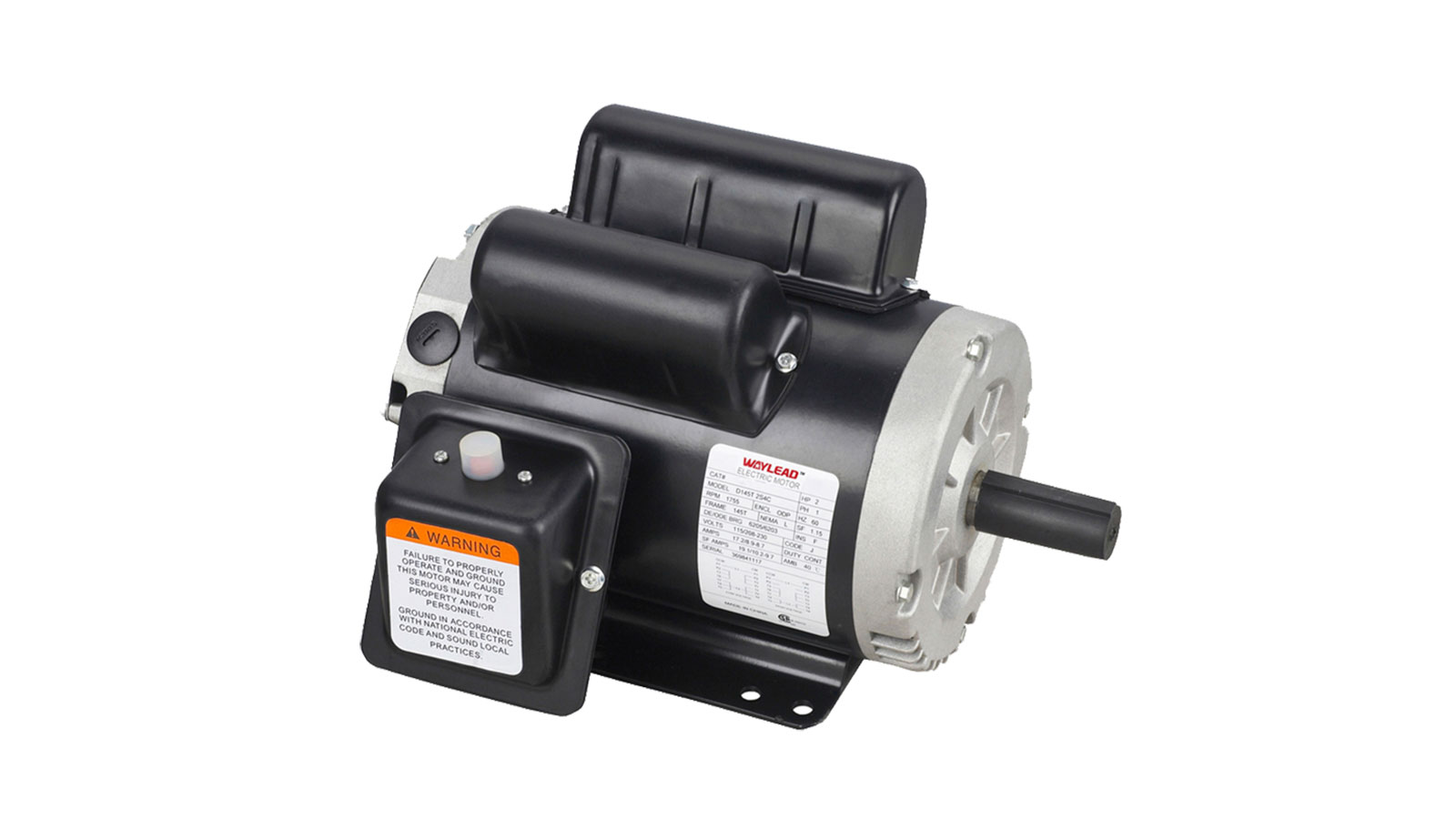
Induction AC motor, 1/3 to 10hp horsepower
Company: Cixi Waylead Electric Motor Mftg Co. Ltd
This IP44-rated induction AC motor from Cixi Waylead, the ODP, is available in two- and four-pole variants with 1/3 to 10hp. It has a 56-215T frame and a TEFC enclosure, and conforms to CSA/CUS standards.
MOQ: 36 cartons
Lead time: 35 days
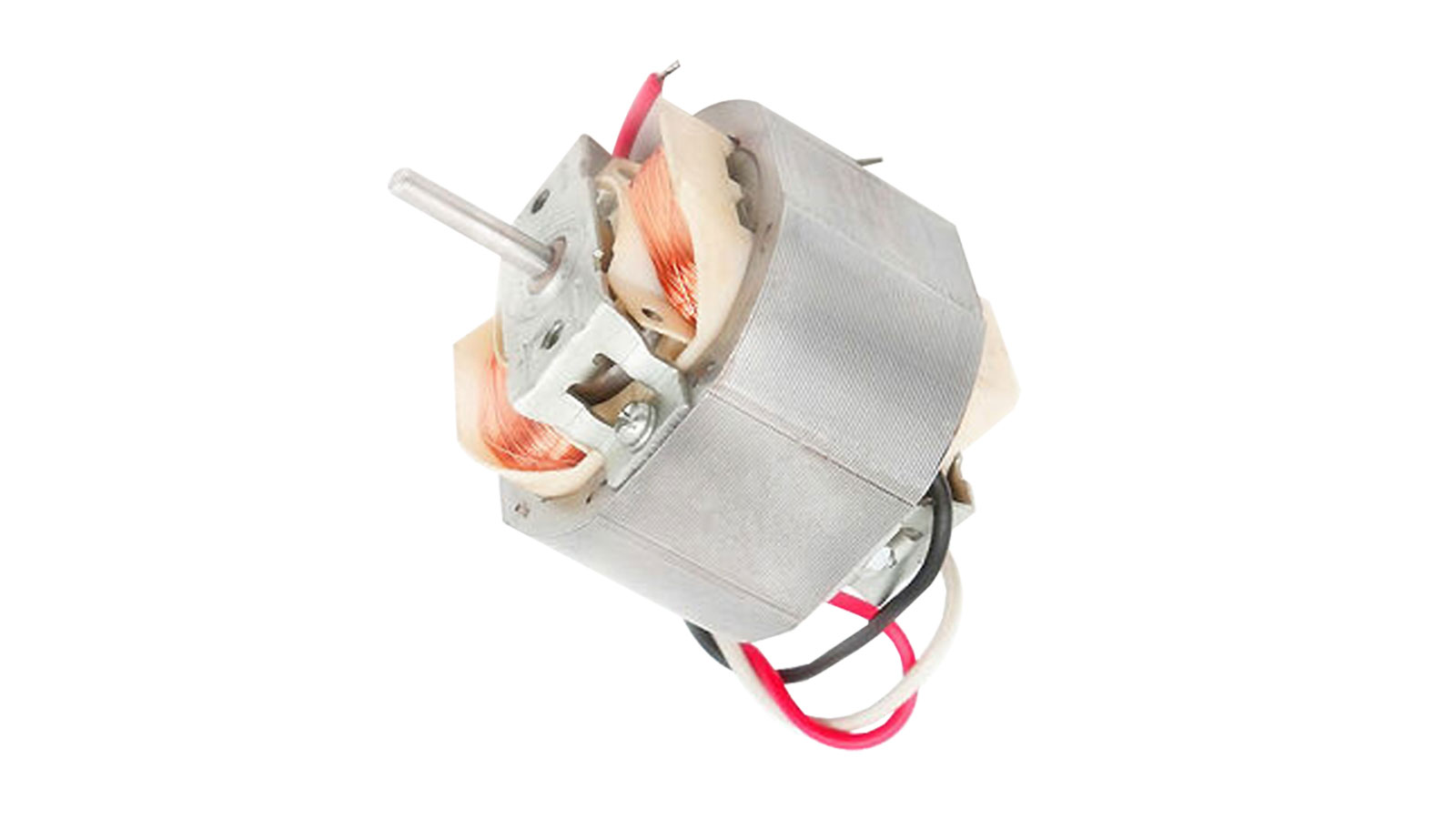
Induction AC motor, 3,500rpm rated speed
Company: Dongguan City Lianfeng Motor Co. Ltd
Model 5830 from Dongguan City Lianfeng is a single-phase IE2 induction AC motor with 3,500rpm rated speed and 12.91mN.m torque. It has 110 to 240VAC rated voltage, 0.21A current and 51W power. It meets CE, UL, CCC and RoHS requirements.
MOQ: 1,000 units
Lead time: 15 days
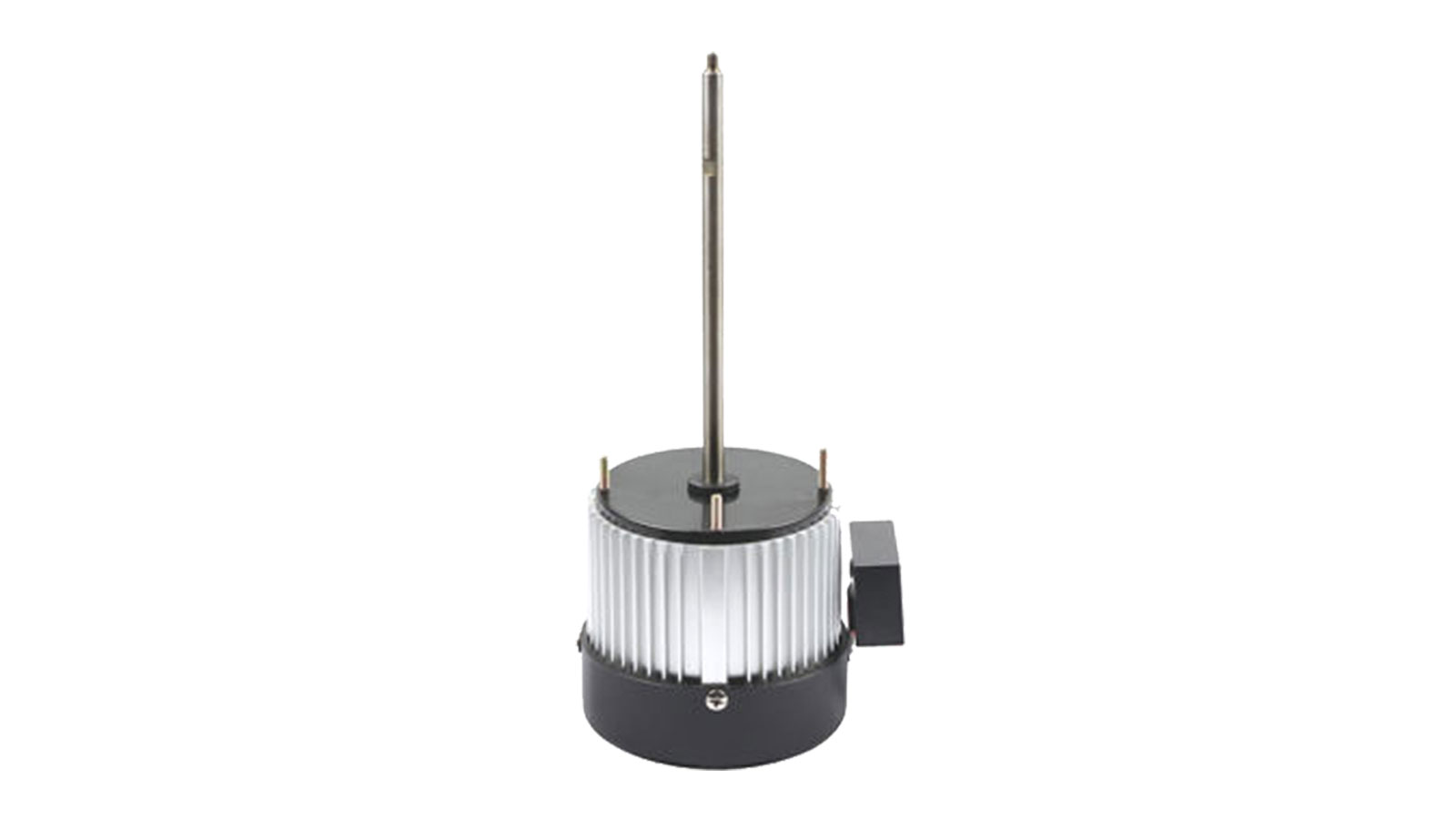
Induction AC motor, 37W power
Company: Powerstar Motor Mfg Co. Ltd
Rated at 208 to 230 or 240VAC, 50Hz, the YDZ-37-2P induction AC motor from Powerstar has 37W power and -10 to 43 C operating temperature. It has two poles and class B insulation.
MOQ: 200 units
Lead time: 25 days

Induction AC motor, 850rpm rated speed
Company: ZJTEX Electric Group Co. Ltd
ZJTEX markets this YDK140 induction AC motor with 850rpm rated speed, 220V voltage, 50Hz frequency, 0.85A current and 90W nominal output power. It has a 5µF capacitor and meets UL, CE, CSA and GS standards.
MOQ: Negotiable
Lead time: 15 days

