Download App
Better Online and Trade Show Sourcing Experiences.Scan the QR code to download.
Learn More
Hot Topics
The kitchenware industry in India is experiencing rapid growth due to increasing channels of distribution.
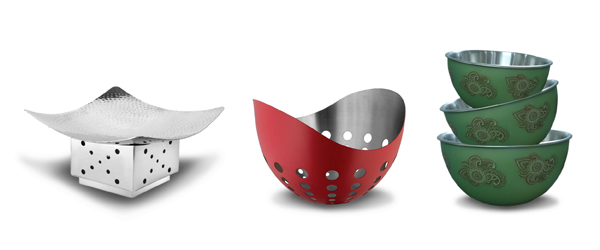
Kitchenware models include cookware, food storage containers, kitchen accessories and utensils
Demand for kitchen products is growing at an average rate of 15 percent annually, particularly nonstick cookware, sustainable models and a wider range of cutlery and storage containers.
More than 90 percent of total sales currently happen through traditional methods but now modern retail such as direct selling and online transactions are becoming popular. Industry associations like the Home Decor, Gifts and Houseware India indicate that there will also be more specialized stores dealing in kitchenware products. These can be in the form of large format 'category-killers' or small stores catering to the high-end segment.
India kitchenware exports
India Garments & Textiles Industry Overview ExportsAccording to India's Department of Commerce, total sales for kitchen and tableware have been steadily increasing over the past three fiscal years. Foreign revenue jumped by 14 percent in 2014-15 compared with the previous period. Models made of plastic are the largest contributors to shipments, followed by those made of porcelain.
The EU remains the largest market, accounting for one-quarter of exports. The key destinations there are the UK and Germany. Emerging destinations in the Middle East and Africa are also fast becoming a consistent source of orders.
Competitive advantages
The kitchenware industry in India benefits from quick access to several types of raw materials, and a long history of craftsmanship and intricate design.
India Sourcing: Kitchenware Industry overview supplier exports. The most commonly used component among suppliers of kitchenware is stainless steel, which is a major product line for India. The country is one of the world's 20 largest exporters of the material and the second-biggest in Asia, after Taiwan. In March 2015, however, India overtook the US to become the third-largest producer of crude steel and the country continues to be the largest manufacturer of sponge iron in the world.
Stainless steel production in India is rapidly growing every year. Currently, 75 percent of the end used market of stainless steel is in the kitchen segment. Ready availability of stainless steel and other kinds of metal helps manufacturers eliminate costs associated with importation, and allows easy inspections of inputs.
Another competitive advantage enjoyed by the sector is its extensive experience in various metalwork-related design processes. As each type of kitchenware normally has a fixed range of applications, India enterprises set their products apart by offering items with elaborate motifsand wide selection of colors and finishes. An important upshot of this strength is the capability of many makers to promote models under in-house brands. In fact, most companies send at least 50 percent of shipments on ODM basis.
Challenges
The industry is confronting a number of difficulties. The most crucial of these is the rising cost of raw materials, particularly metal. Over the past 12 months the price of stainless steel has surged as much as 20 percent, and that of brass and copper by 10 percent.
Although the supply of these components is stable, demand has been growing significantly because of expansion in India's real estate, construction and transportation industries. This is complemented by rising government expenditure for public works requiring steel and other types of metal.
Increased spending for these inputs has prompted many manufacturers to push up kitchenware quotes by at least 10 percent. Some companies have started importing 430 stainless steels from Thailand to offset its escalating cost in the local market.
Another problem facing the sector is acute power shortage, which has been affecting large sections of the country in the past few years. Major industrial centers are commonly left without electricity from four to seven hours everyday, resulting in diminished efficiency.
To cope, many enterprises procure generators, the operation and maintenance of which add to production costs. Some move their work shifts at night, when power is usually restored. This approach also equates to increased expenditure since employees receive extra compensation when rendering labor beyond regular schedules.
This article and its contents are provided by the Hinrich Foundation, a partner of Global Sources in promoting trade across Asia. The products and the suppliers featured in this article are export assistance program beneficiaries of the Hinrich Foundation.
More Sourcing News
Read Also

关注 “环球资源外贸” 官方微信,获取实时外贸资讯
iOS & Android
iOS & Android(Mainland China)
Copyright © 2026 Publishers Representatives Limited. All rights reserved.





