




Image from iStock
Door and window screens represent a mature yet consistently profitable product category, with steady global demand driven by residential construction, renovation cycles, pest control needs and the growing popularity of indoor-outdoor living spaces. For buyers sourcing this category, the market splits into two primary formats: screen mesh rolls sold for DIY repair and professional installation, and preframed or ready-to-install screen units designed for direct fitting.
Residential demand accounts for most of the global insect screen market, though commercial applications, including hospitality, healthcare and food service, continue to expand. Climate trends, particularly the northward spread of mosquitoes and other disease-carrying insects in temperate regions, have increased retail demand for both replacement mesh and upgraded screen systems.
Retail channels have shifted significantly over the past decade. Big-box home improvement retailers remain dominant for both rolls and preframed units in North America, while e-commerce marketplaces have become critical for DIY roll sales and magnetic or adhesive-mounted screens. Specialty distributors serving window and door contractors handle much of the professional-grade volume, typically with longer sales cycles and higher technical specification requirements.
Screen rolls
Screen rolls are sold by the linear foot or meter and in standard widths, typically ranging from 24 to 96 inches or 2 to 8 feet.
Fiberglass mesh is the volume leader in North America and much of Europe. PVC-coated fiberglass yarn is woven into an 18x16 mesh count as the standard, though finer counts such as 20x20 are common for no-see-um applications. Fiberglass is inexpensive, does not crease permanently and resists corrosion, making it the default for residential window replacement. Typical FOB prices from manufacturers depend on mesh count, coating weight and order volume.
Aluminum mesh offers greater durability and a crisper appearance but is prone to denting and oxidation if not properly coated. Charcoal- or black epoxy-coated aluminum remains popular for premium residential and commercial projects. Aluminum screens carry higher input costs tied to metal commodity pricing and typically sell at roughly twice the FOB price of comparable fiberglass.
Stainless steel mesh, generally in 304 or 316 grade, serves security screen applications and high-wear commercial environments. Marine-grade 316 is specified for coastal installations.
Polyester mesh with PVC coating competes with fiberglass and offers improved tear strength. Pet-resistant screens, typically seven-times stronger than standard fiberglass through heavier yarn construction, have become a fast-growing subcategory with healthy margins.
Solar screens woven from vinyl-coated polyester or fiberglass with specific openness factors block 70 to 90 percent of solar heat gain and represent a premium tier with strong margins for brands that can document UV blocking performance.
When evaluating roll suppliers, buyers must request documentation of yarn tensile strength, PVC coating weight in grams per square meter and mesh count verified under magnification. Many quality issues in this category trace back to under-coated yarn degrading quickly under UV exposure, or to inconsistent weave density that creates visible variation across a roll.
Preframed and ready-to-install screens
Preframed screens comprise a more complex product category with several distinct subtypes for different installation scenarios and price points.
Traditional fixed-frame window screens use roll-formed aluminum frames in standard profiles, with the mesh secured by a rubber or vinyl spline pressed into a channel. These are sold both as standard-size stock units and as made-to-measure products. Standard sizes move well through retail while custom units dominate contractor and direct-to-consumer channels.
Sliding screen doors for patios are a high-volume category with significant SKU complexity driven by varying door opening dimensions and roller configurations. Sourcing them requires careful attention to roller quality, frame rigidity and shipping efficiency because oversized cartons drive up landed costs.
Retractable and roll-up screens represent the fastest-growing premium segment, marketed in the renovation channel. These systems use a spring-loaded or chain-operated cassette to retract the mesh when not in use. Quality varies, with the primary failure points being spring fatigue, mesh tracking misalignment and plastic component degradation. Margins can be strong, but warranty exposure is also significant, making supplier selection critical.
Magnetic screen doors, which attach to door frames with hook-and-loop tape and close via embedded magnets, have become a staple seasonal item on e-commerce marketplaces. This is a volume play with thin margins at the low end and heavy competition, though branded versions with better magnets, heavier mesh and reinforced edges can sustain stronger price points.
Plisse or pleated screens for doors and large openings use accordion-folded mesh on tracked systems. These command premium prices in European markets and are increasingly sold into North American custom door channels.
For buyers, the key decisions involve whether to source finished units, semifinished components for local assembly or to invest in domestic fabrication using imported mesh. Finished units offer the lowest landed labor cost but the highest freight cost per unit because of cube inefficiency. Local assembly using imported frame extrusions and mesh rolls supports made-to-measure retail programs but requires fabrication equipment investment.
QC and testing
Preshipment inspection should verify frame squareness, spline seating uniformity, mesh tension free of waves or bubbles and corner connector integrity. For retractable systems, cycle testing of the retraction mechanism through at least several hundred operations catches early-failure spring assemblies before containers ship.
Relevant standards and certifications vary by market. In the US, ASTM D3656 covers woven fiberglass insect screening for performance requirements, and pet screens have their own informal industry benchmarks for tear strength. Australia enforces AS 5039, AS 5040 and AS 5041 for security screen doors, with compliance testing required for any product marketed as a security screen. European markets emphasize EN 13561 for external blinds and sunscreens where applicable, and CE marking requirements for construction products.
Packaging specifications deserve attention because damage rates on framed products can exceed 5 percent without proper corner protection and double-wall cartons. Negotiating stronger packaging is usually less expensive than absorbing claims.
Supplier evaluation checklist
When evaluating potential suppliers, buyers must request factory audit reports or commission a third-party audit for orders above one container. They should verify business licenses, export experience with your destination market and existing customer references in comparable channels. Sample evaluation should include destructive testing, UV exposure simulation for outdoor products and dimensional verification against your specifications.
For retractable and mechanical products, sourcing professionals must insist on published warranty terms from the supplier that match or exceed what they intend to offer end customers. Suppliers unable to warrant their own products for at least two years are generally not worth the pricing advantage they may offer.Buyers who invest in material specification, supplier qualification and quality control systems build defensible positions in a category where many competitors compete purely on price. For new entrants, starting with standard-size fiberglass-framed window screens and basic magnetic door screens offers a manageable introduction before expanding into the technical complexity of retractable systems and security screens.
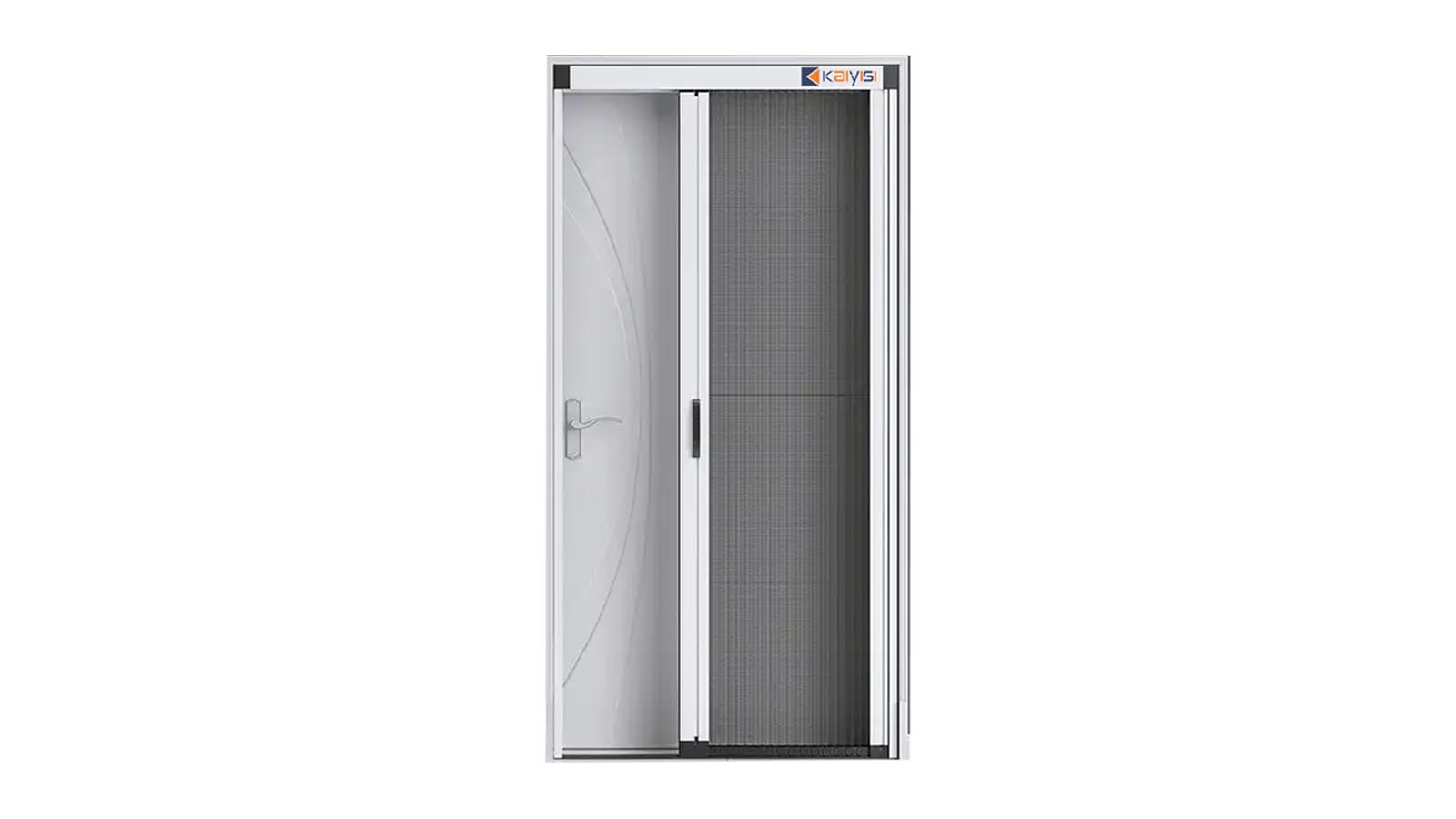
Trackless, retractable door screen
Company: Anhui Kaiyisi Technology Co. Ltd
Anhui Kaiyisi markets the WGSM-0183, an invisible, trackless, retractable sliding door screen for home use. This building hardware, with push-pull opening, has a mesh of flame-retardant fiberglass or PP and 20 mesh size, an aluminum alloy frame and a bottom track measuring less than 4mm in thickness. It requires no drilling and can be installed using glue or screws. Single- and double-opening versions in custom sizes and colors are available.
Lead time: 3 to 7 days
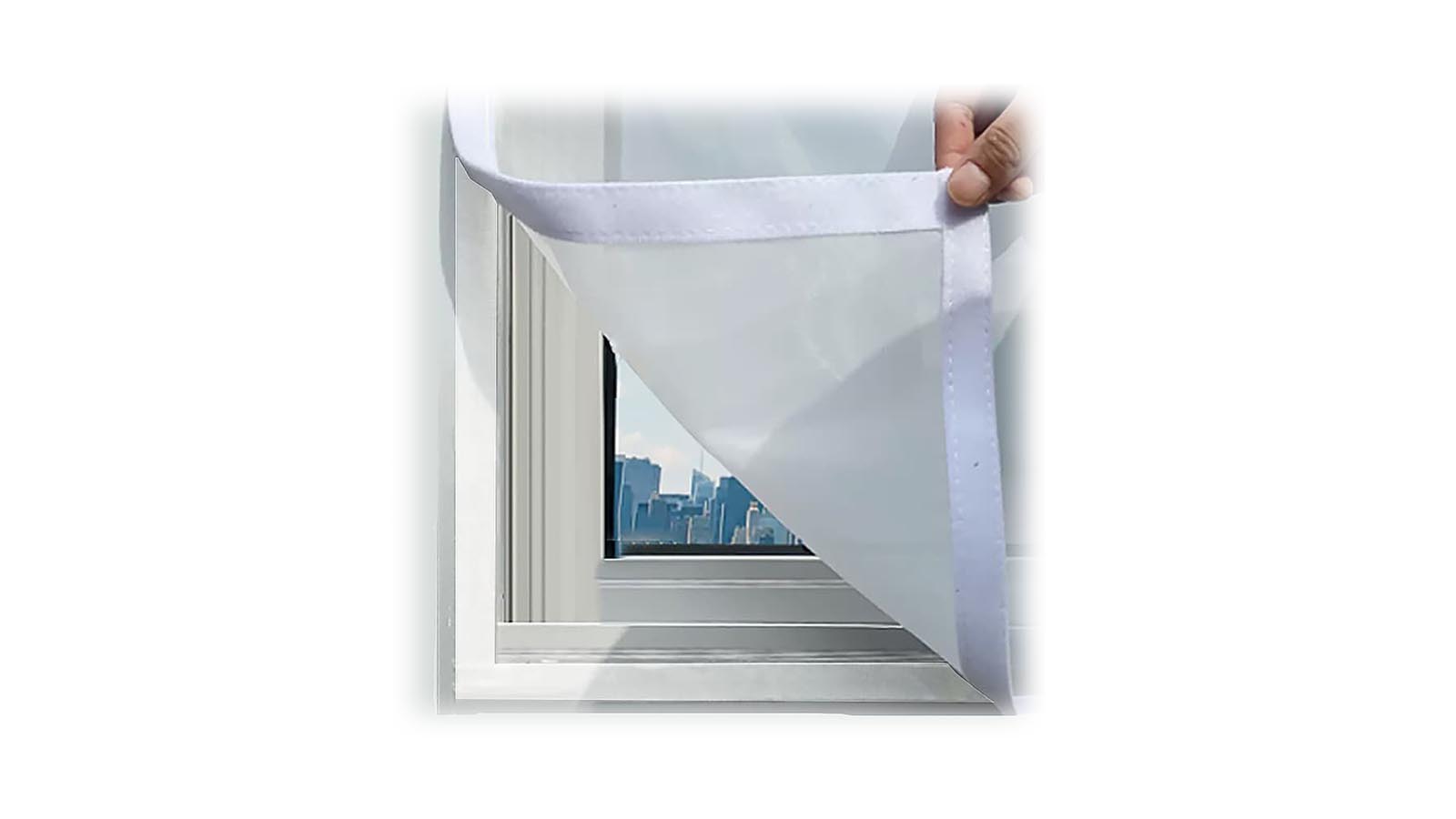
Stainless steel window screen
Company: Anping County Jinjue Hardware Wire Mesh Co. Ltd
The JJ-060-2300 from Anping County Jinjue is a window screen made of 304, 316 or 316L stainless steel, with wire diameter measuring 0.4, 0.35 or 0.28mm and mesh count of 14x14, 16x16, 18x18 or 20x20. It has a glossy, polyester powder- or epoxy-coated finish in silver gray, black, white or custom color. Available widths are 0.8, 1, 1.2, 1.5, 1.8 and 2 meters and lengths are 30 and 50 meters per roll.
Lead time: 15 to 25 days
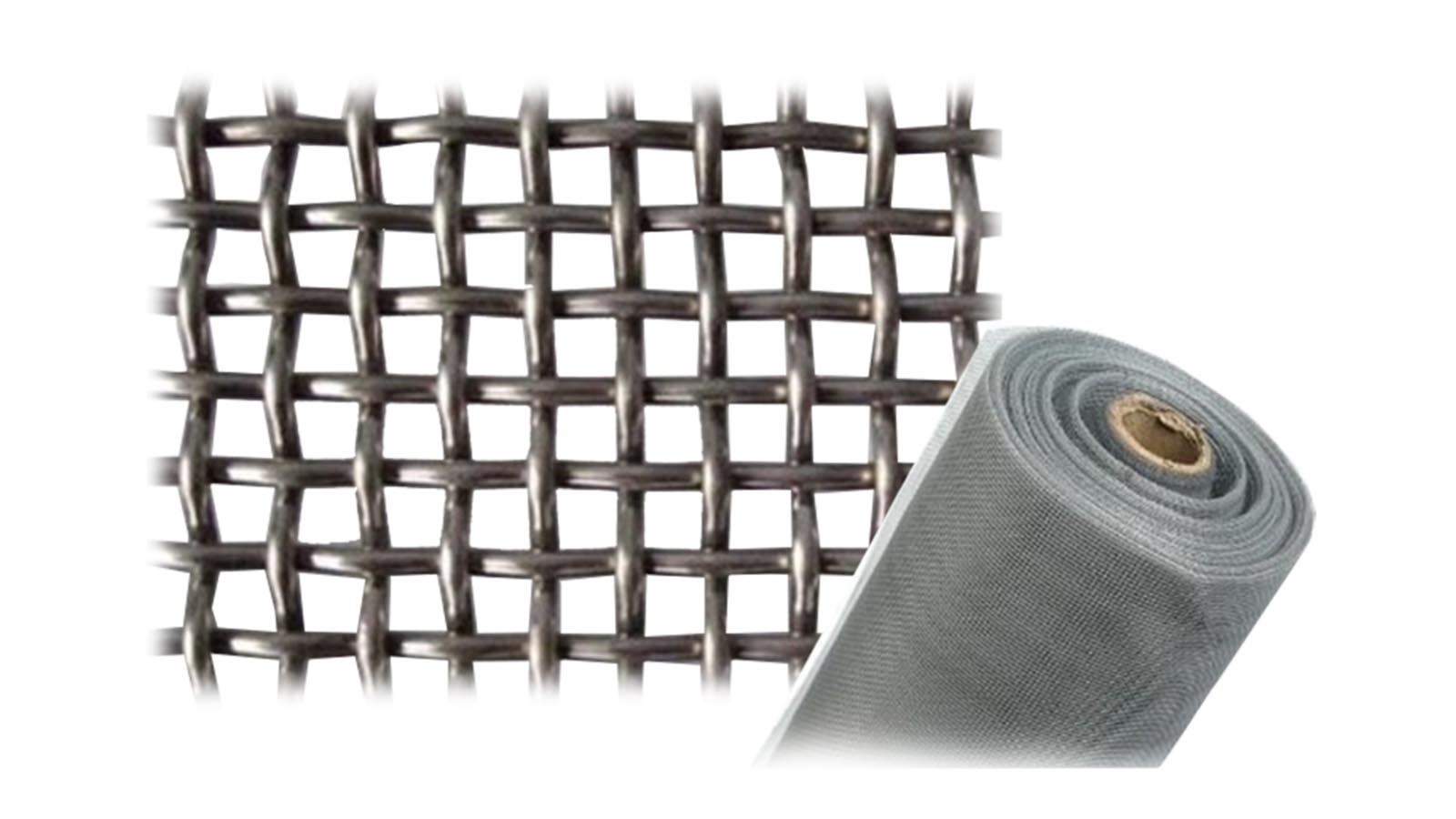
Woven mesh
Company: Dingzhou Huaxin Metal Products Co. Ltd
Dingzhou Huaxin offers the HXW 4935-9265#0401-2897, a mesh screen for sliding windows and doors. This product is made of woven stainless steel, galvanized or aluminum wire in diameters of 18, 24, 31, 32, 33, 34, 35, 36, 37 and 38 SWG and mesh counts of 10x10, 14x14, 18x14, 16x16, 18x18, 22x22 and 24x24. A roll is usually 3, 4 or 5 feet or 0.9, 1.2 or 1.5 meters in width, with length at 100 feet or 30.5 meters, and weighs 1.84kg/sqm.
MOQ: 50 rolls
Lead time: 10 to 25 days
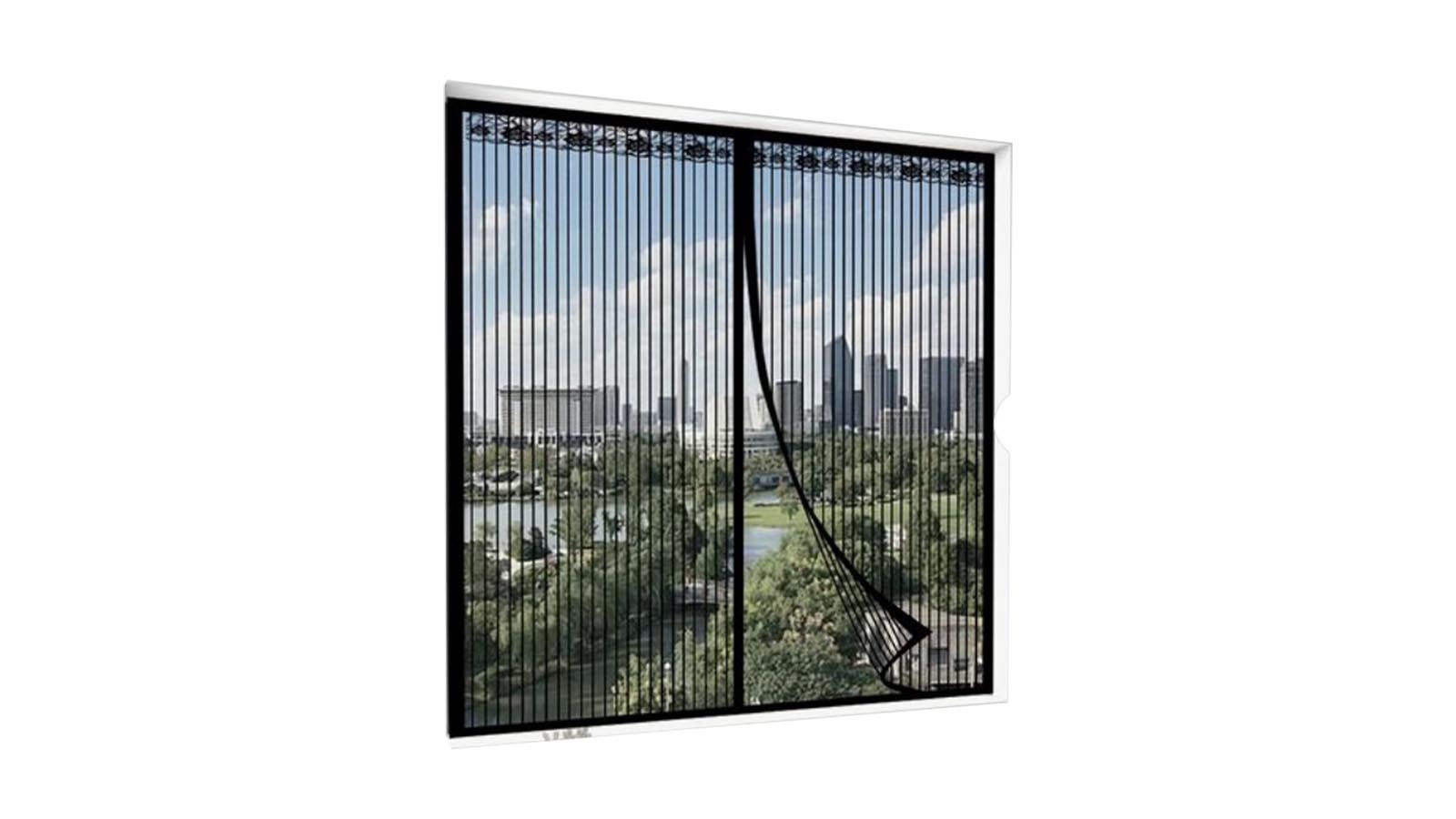
Magnetic window screen
Company: Haitan GuardLock Technologies Co. Ltd
This anti-mosquito magnetic window screen from Haitan, with model number 9711, is available in mesh material of fiberglass or aluminum. It measures 120x150cm or 47.24x59.06 inches.
MOQ: 1 piece
Window screen in plain weave
Company: Hebei Zhengjia Wire Mesh Manufacture Co. Ltd
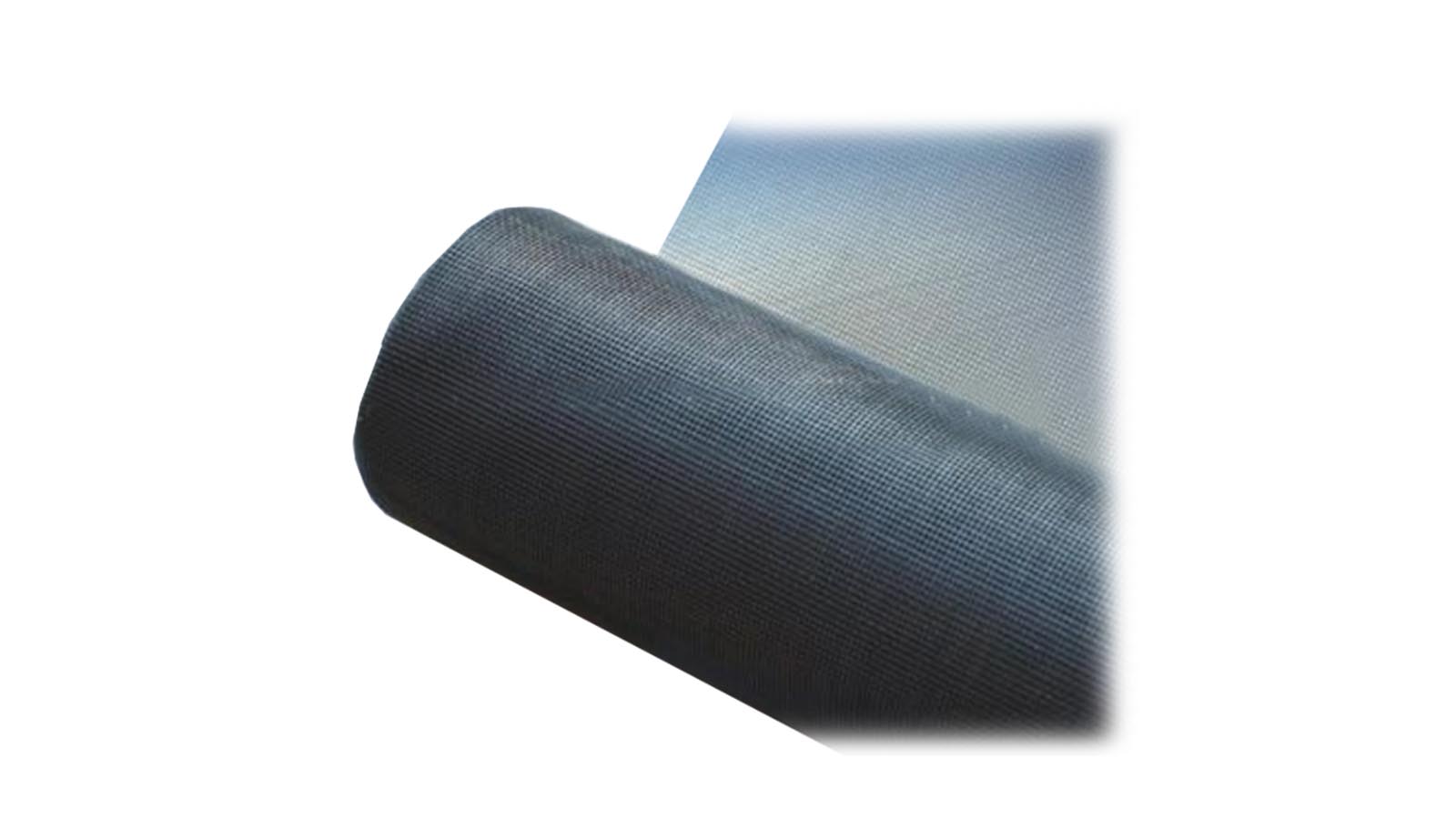
Hebei Zhengjia markets this anti-insect window screen, model ZJ-11-193-7065, in 12 to 24 mesh sizes. The mesh material used is metal, fiberglass or other synthetic fiber in plain weave, with wire diameter ranging from 0.18 to 0.9mm. In terms of edge processing techniques, the options are closed selvage or selvedge, flash or welded and permanent or bonded. This CE-marked product is available in widths of 0.5 to 1.5 meters and in white, black, green, gray and other colors.
MOQ: 1,000sqm
Lead time: 15 to 25 days
Mesh for window, door screens
Company: Qingdao Bright Building Materials Co. Ltd
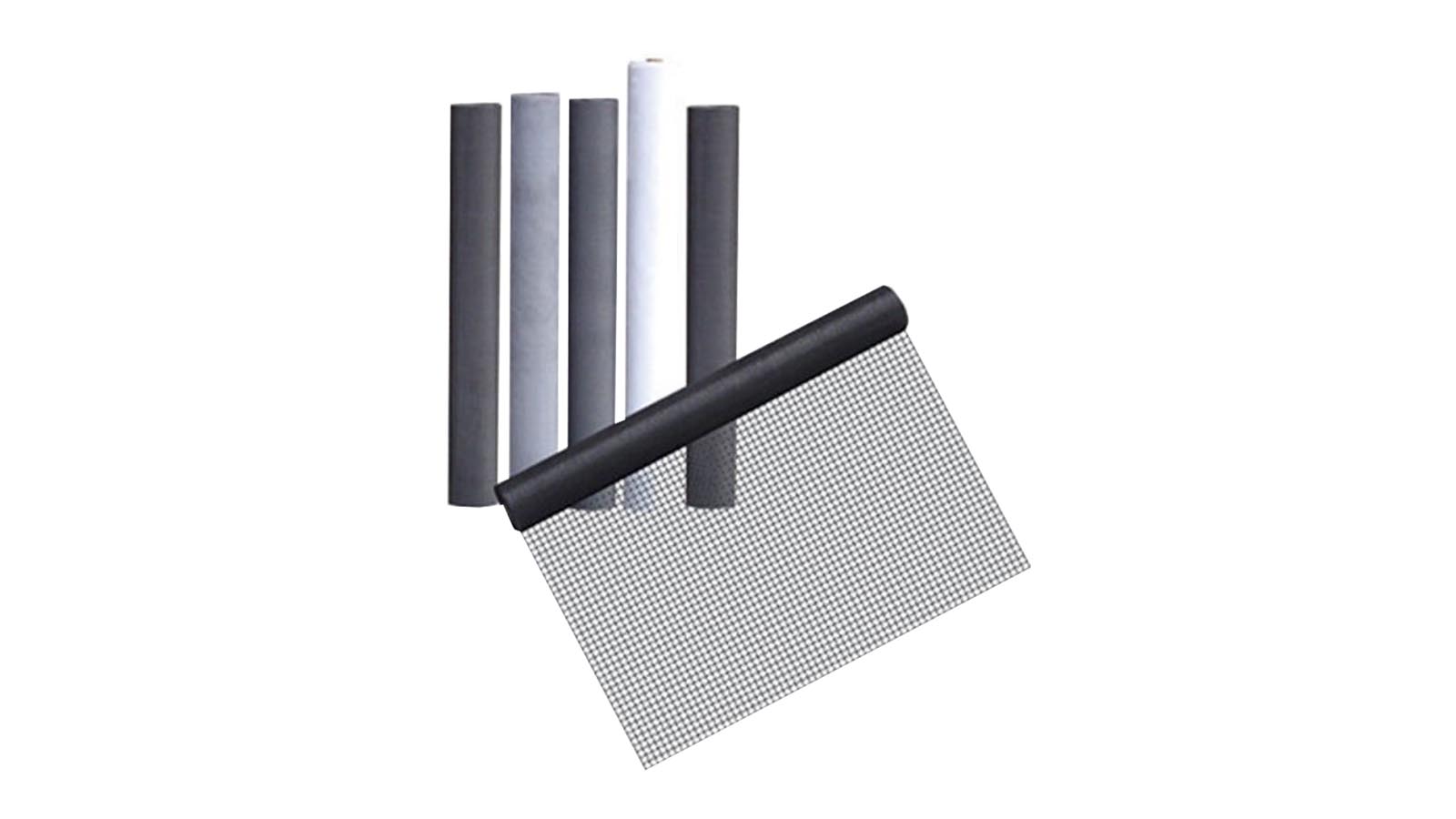
The SMT-Z-001-42500 from Qingdao Bright is a window and door screen mesh made of 32 percent fiberglass and 68 percent PVC. It is available in mesh sizes of 18x16, 18x18 and 19x19, standard widths of 0.6 to 3.2 meters and roll lengths of 30, 50, 90, 100, 183 and 300 meters.
Lead time: 7 to 30 days

