




Technological advancements are rapidly transforming industries, including the automotive sector where ensuring vehicle safety and security is of paramount importance. The automotive industry is continuously reshaped by innovative technologies aimed at minimizing accidents and enhancing passenger protection. From airbags to automated braking systems, each has a role in safeguarding lives on the road.
And as vehicles become more connected, the potential for cyber threats increases, making security a top priority. Protecting from unauthorized access and data breaches is essential to maintain consumer trust and ensure the longevity of automotive innovations. Understanding both automotive safety and security is essential for manufacturers, suppliers and policymakers alike.
Enhanced vehicle safety
In recent years, the focus on vehicle safety has intensified, driven by consumer demands and regulatory pressures. Enhanced safety features not only protect occupants but also reduce the likelihood of accidents, thereby saving lives and minimizing economic losses associated with vehicle collisions. A safer vehicle translates into higher consumer confidence and brand loyalty.
Modern vehicles have advanced safety systems that can predict and prevent potential accidents. These systems, including collision avoidance technologies, lane departure warnings and adaptive cruise control, are designed to assist drivers in making better decisions. The integration of these features is becoming a standard expectation among consumers who prioritize safety in their purchasing decisions.
Furthermore, the economic implications of improved vehicle safety cannot be overstated. Reduced accident rates mean lower insurance costs and fewer legal expenses, benefiting both consumers and manufacturers. As such, enhanced features will remain a central focus, driving the industry toward a safer future for all.
Key safety features in today's vehicles
Modern vehicles boast an array of safety features designed to protect occupants and prevent accidents. These technologies have evolved significantly over the past few decades, transforming the driving experience and setting new standards for vehicle safety.
Airbags and seatbelts: While airbags and seatbelts are fundamental, their designs have become more sophisticated. Advanced airbag systems offer tailored protection depending on the severity of a crash and the position of occupants.
Electronic stability control: ESC systems help drivers maintain control of their vehicles during extreme steering maneuvers, significantly reducing the risk of skidding and rollovers.
Anti-lock braking system: ABS prevents wheels from locking up during braking, allowing drivers to maintain steering control and avoid obstacles.
These standard features are complemented by more advanced technologies, such as:
Adaptive headlights: These swivel in the direction of travel to improve visibility during nighttime driving.
Blind spot detection: This alerts drivers to vehicles in their blind spots, reducing the risk of collisions when changing lanes.
Automatic emergency braking: AEB systems can automatically apply brakes if an imminent collision is detected, potentially preventing accidents.
The integration of these features highlights how technological advancements have made driving safer than ever before.
Vehicle security
With the rise of connected vehicles, security threats have evolved from traditional theft to sophisticated cyber-attacks. Understanding these threats is essential for manufacturers and consumers alike, as the consequences of inadequate vehicle security can be severe.
Keyless entry hacking: Criminals exploit vulnerabilities in keyless entry systems to gain unauthorized access to vehicles.
Data theft: Modern vehicles collect vast amounts of data, which can be targeted by hackers seeking personal information.
Malware attacks: Cybercriminals can introduce malware into a vehicle's system, potentially disrupting its functionality.
To counter these threats, manufacturers are implementing robust security measures, including encryption, firewalls and software updates. They are doing this not only to protect their customers but also safeguard their brand reputation.
Innovative technologies enhancing safety
The automotive industry is at the forefront of innovation, with new technologies being developed and implemented at a rapid pace to transform the driving experience and set new benchmarks for vehicle safety. Some of the most notable innovations include:
Autonomous driving systems: They use a combination of cameras, sensors and artificial intelligence to navigate roads with minimal human intervention. These systems hold the promise of reducing human error, which is a leading cause of accidents.
Vehicle-to-everything communication: V2X technology enables vehicles to communicate with each other and with infrastructure, providing real-time information about road conditions, traffic and potential hazards.
Augmented reality dashboards: AR dashboards overlay critical information onto the windshield, reducing driver distraction and enhancing situational awareness.
Best practices for maintaining vehicle security
Ensuring vehicle security is an ongoing process that requires diligence from both manufacturers and vehicle owners. By adopting best practices, the risk of security breaches can be significantly reduced, protecting both the vehicle and its occupants.
For manufacturers:
Regular security audits: Conducting regular audits ensures that potential vulnerabilities are identified and addressed promptly.
Collaboration with cybersecurity experts: Partnering with cybersecurity firms can provide valuable insights and solutions to emerging threats.
Consumer education: Educating consumers about potential security risks and how to mitigate them can enhance overall vehicle security.
For vehicle owners:
Software updates: Keeping vehicle software up to date is crucial for protecting against the latest cyber threats.
Use of secure networks: When connecting to the internet, always use secure and trusted networks to prevent unauthorized access.
Awareness of phishing scams: Being vigilant about potential phishing scams can prevent unauthorized access to personal information and vehicle systems.
Smart technology
Smart technology is revolutionizing the automotive industry, offering new ways to enhance vehicle safety and leverage data and connectivity to provide real-time insights and proactive safety measures.
Advanced driver assistance systems: ADAS use sensors and software to help drivers in making safer decisions. Features such as lane-keeping assist, adaptive cruise control and traffic sign recognition are becoming increasingly common.
Predictive maintenance: By analyzing vehicle data, predictive maintenance technologies can alert drivers to potential issues before they become significant problems, reducing the risk of breakdowns and accidents.
Telematics: These systems collect data on vehicle performance and driver behavior, providing valuable insights for improving safety and efficiency.
In addition to enhancing safety, these technologies offer opportunities for personalization and improved vehicle performance.
Government regulations and standards
Government regulations shape automotive safety standards and ensure that manufacturers adhere to best practices. These are designed to protect consumers and promote the development of safer vehicles.
Crash testing standards: Governments mandate rigorous crash testing to ensure that vehicles can protect occupants in the event of an accident.
Emissions standards: These regulations aim to reduce the environmental impact of vehicles, promoting cleaner and more efficient transportation.
Data privacy laws: As vehicles become more connected, data privacy regulations ensure that consumer information is protected from unauthorized access.
Compliance with these regulations is essential for manufacturers seeking to enter new markets and maintain consumer trust.
Future trends in automotive safety & security
The automotive industry’s transformation is driven by advancements in technology and changing consumer expectations. Future trends in automotive safety and security will shape the sector’s direction, offering new opportunities and challenges.
Electric and autonomous vehicles: As the shift toward electric and autonomous vehicles continues, new safety and security considerations will emerge, requiring innovative solutions.
Integration of artificial intelligence: AI will have an increasing role in enhancing vehicle safety, offering predictive capabilities and real-time decision-making.
Enhanced connectivity: The rise of the Internet of Things (IoT) will lead to greater connectivity between vehicles, infrastructure and devices, offering new insights and opportunities for improving safety.
The road ahead for safer vehicles
The focus on safety and security will remain a top priority. Technological advancements, regulatory changes and shifting consumer expectations will continue to shape the future of vehicle safety.
By embracing innovation and adhering to best practices, manufacturers can ensure that their vehicles are equipped with the latest safety features and security measures. As the industry moves forward, collaboration between manufacturers, regulators and consumers will be essential for achieving a safer and more secure future.
Here are products that serve different primary functions and belong to more specific subgroups but still fall under the broader vehicle safety and security category.
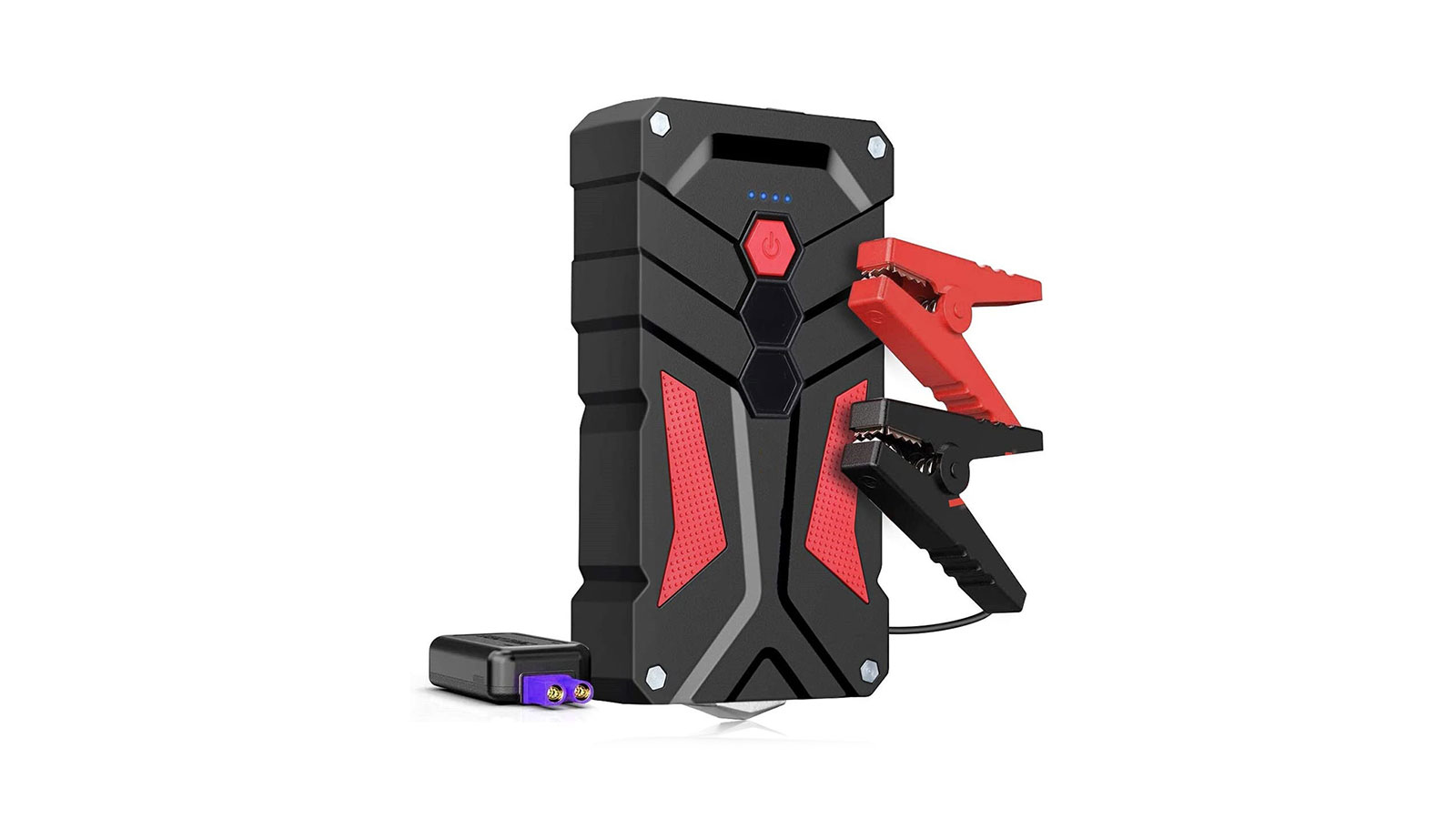
Portable car jump starter
Company: China Flame Group Ltd
China Flame’s model PB-JS001-49 is a portable car lithium battery jump starter with a battery capacity of 12,800 or 21,800mAh and a life span of more than 3,000 times. It delivers a peak current of 1,000 or 2,000A and has an output voltage of 12V. This CE-approved device has USB-C input and USB-Type A output ports, a battery status indicator and a 1W LED flashlight. Its charging time is 5 hours. Product size and weight are 168x90x39mm and 400g.
MOQ: 1,000 units
Lead time: 10 to 15 days
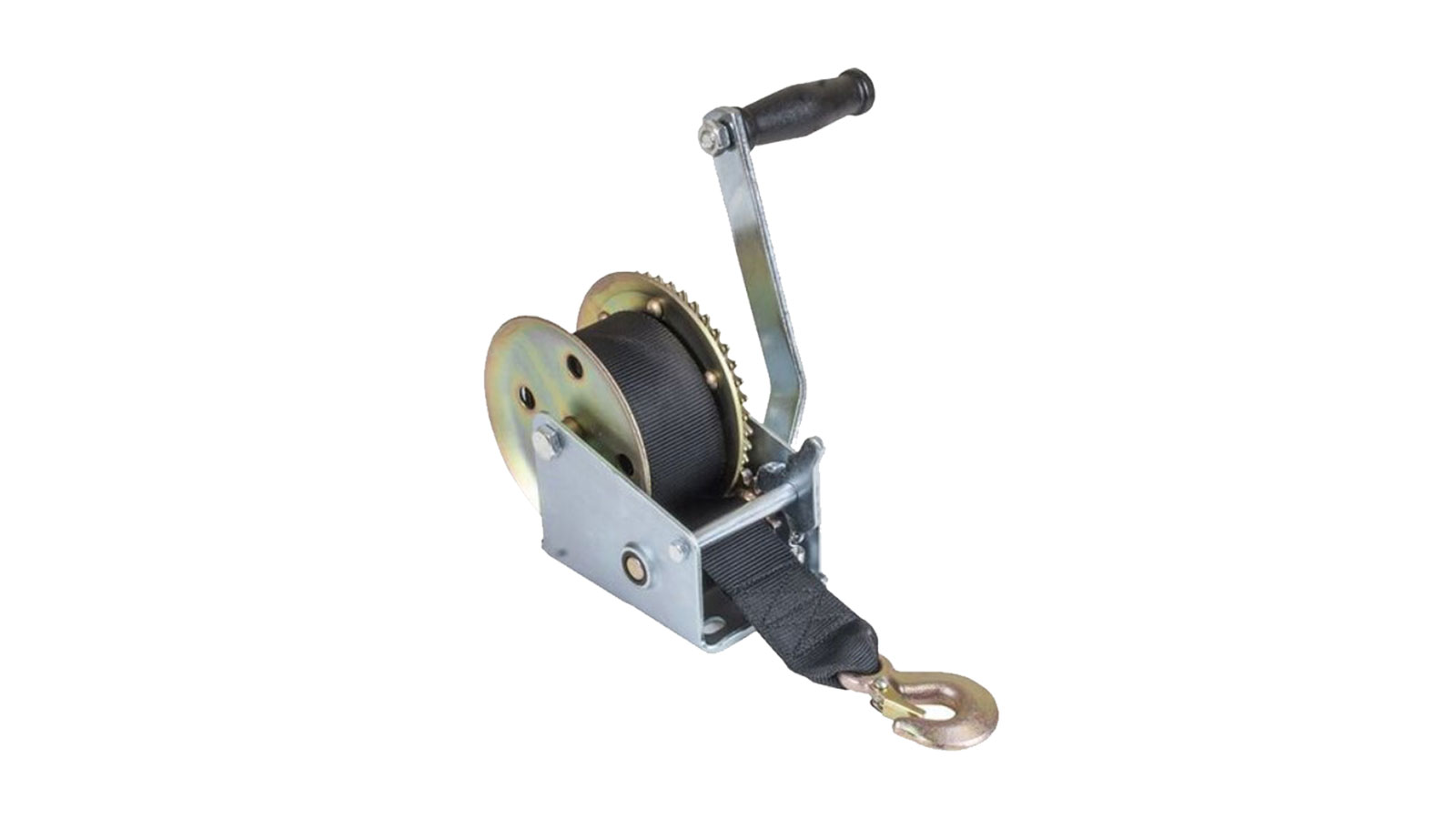
Hand winch
Company: Qingdao Huahan Machinery Co. Ltd
Qingdao Huahan markets the HW03-5401, a hand winch with a strap that can handle a load weighing 600 to 3,000 pounds. This tool is also available in a variant with a steel wire rope.
MOQ: 10 pieces
Lead time: 25 to 30 days
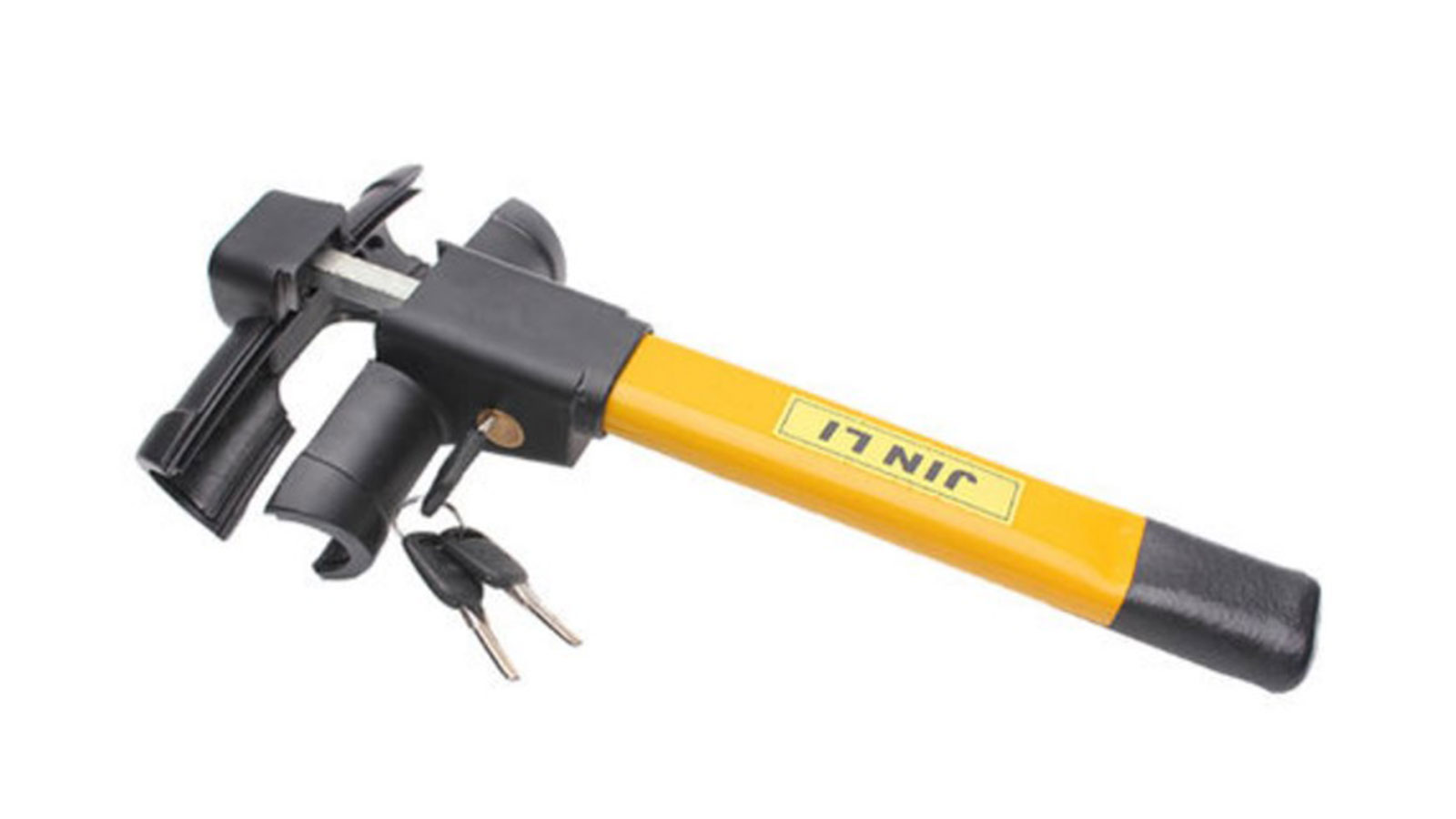
Steering wheel lock
Company: Shanghai Anma Industry Co. Ltd
Shanghai Anma’s anti-theft steering wheel safety lock, with model number 113032, has a cylinder lock that is pick-resistant. It is made of hardened steel and is compatible with most vehicles.
MOQ: 1,000 pieces
Lead time: 20 to 30 days
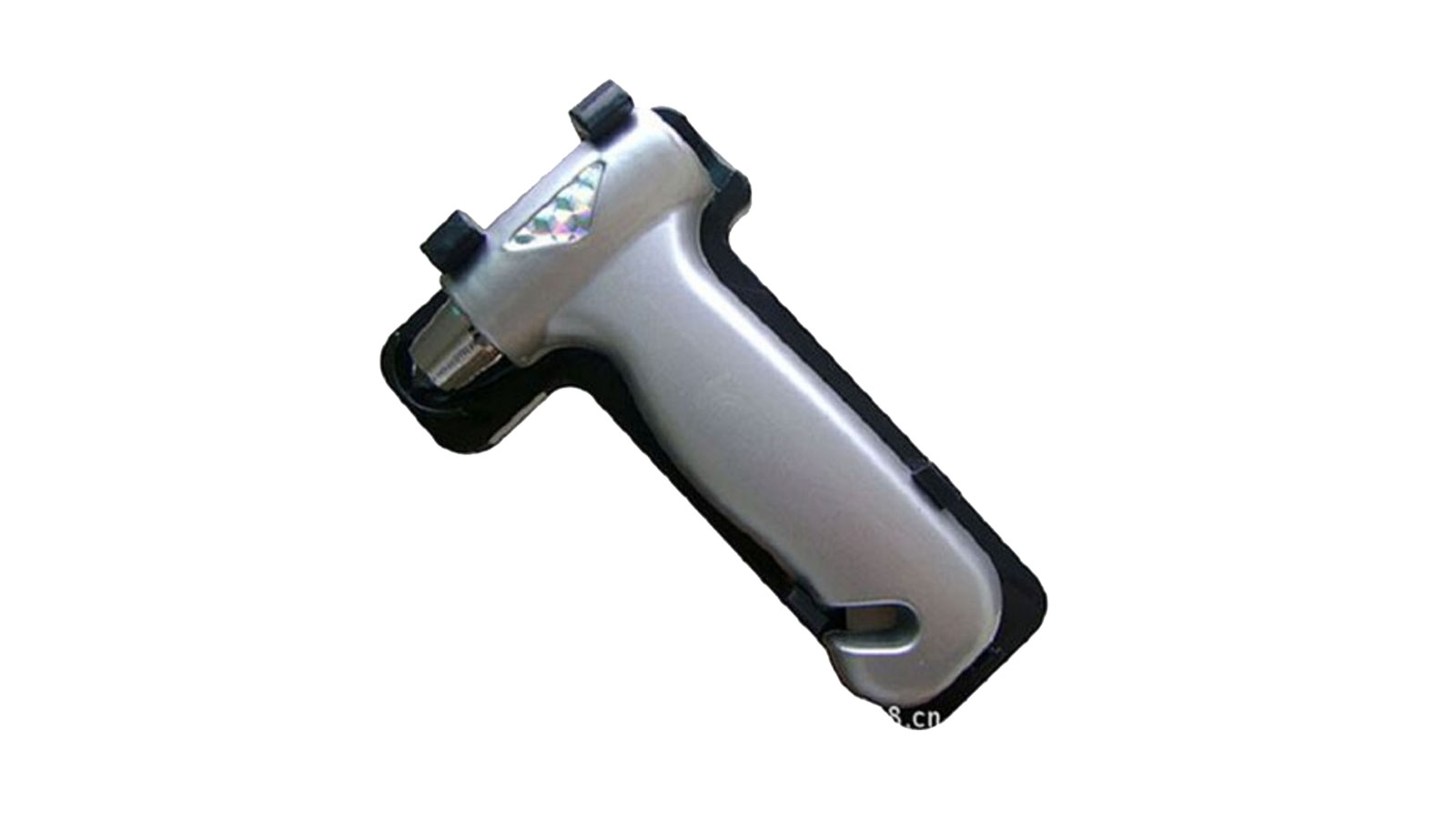
Life hammer with seatbelt cutter
Company: Shanghai Huaqi Industrial Co. Ltd
This life hammer and seatbelt cutter in one from Shanghai Huaqi, model number 609004-1725, is made of 40RC galvanized steel and ABS and has a nonslip handle. It measures 19.2x7.3x3.4cm and weighs 142g.
MOQ: 3,000 pieces
Lead time: 30 to 45 days
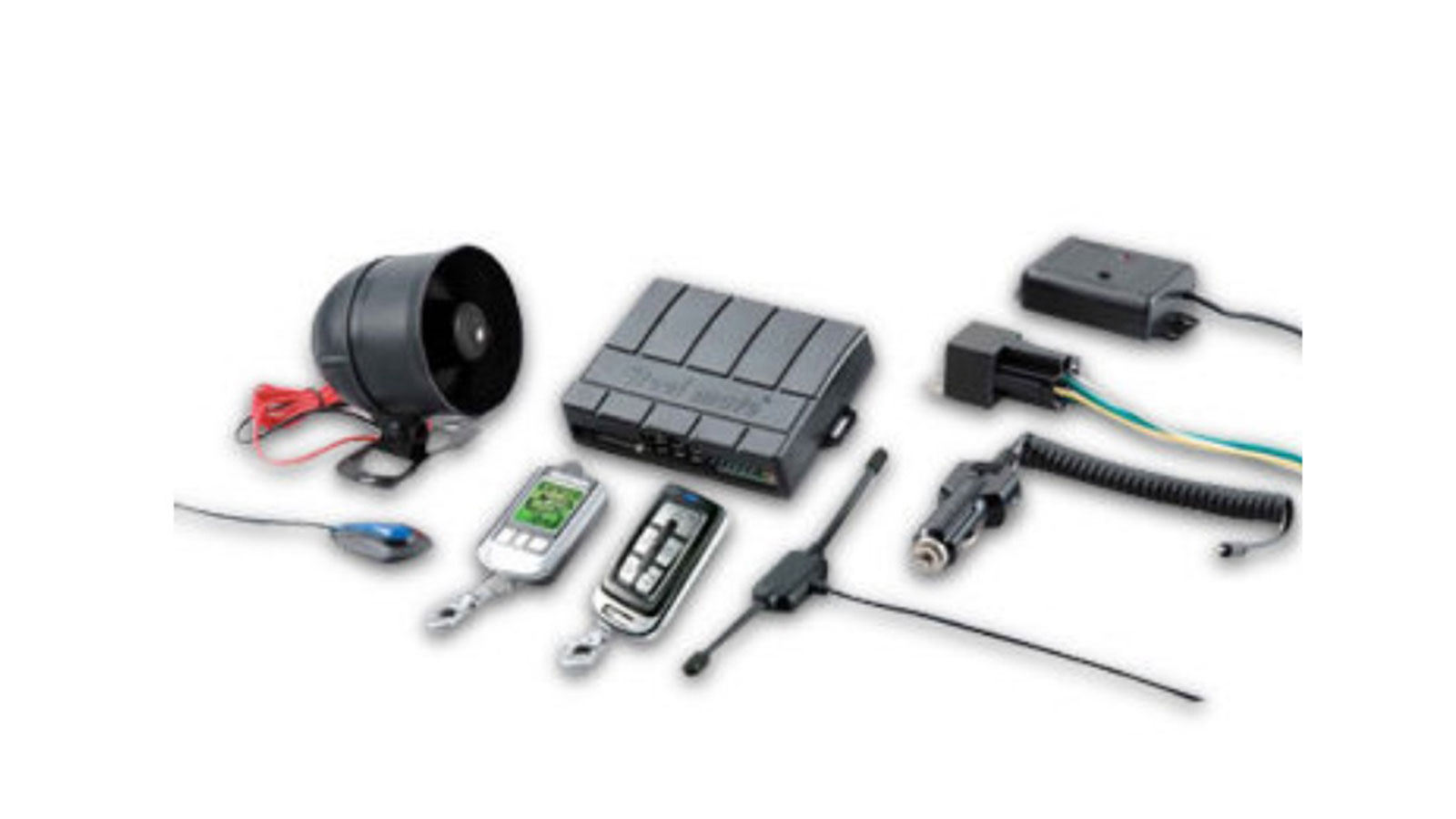
Two-way car alarm system
Company: Shenzhen ATR Industry Co. Ltd
Shenzhen ATR’s model 64754 is a two-way car alarm system with two transmitters, one with an LCD and the other with five buttons. The LCD transmitter uses FSK technology for long range and runs on a rechargeable lithium battery. It supports valet mode and out-of-operating range warning function. This 12± 3V, 10mA system operates on 433.92MHz and has a 105 to 125dB siren.
MOQ: On direct inquiry
Lead time: 25 to 30 days
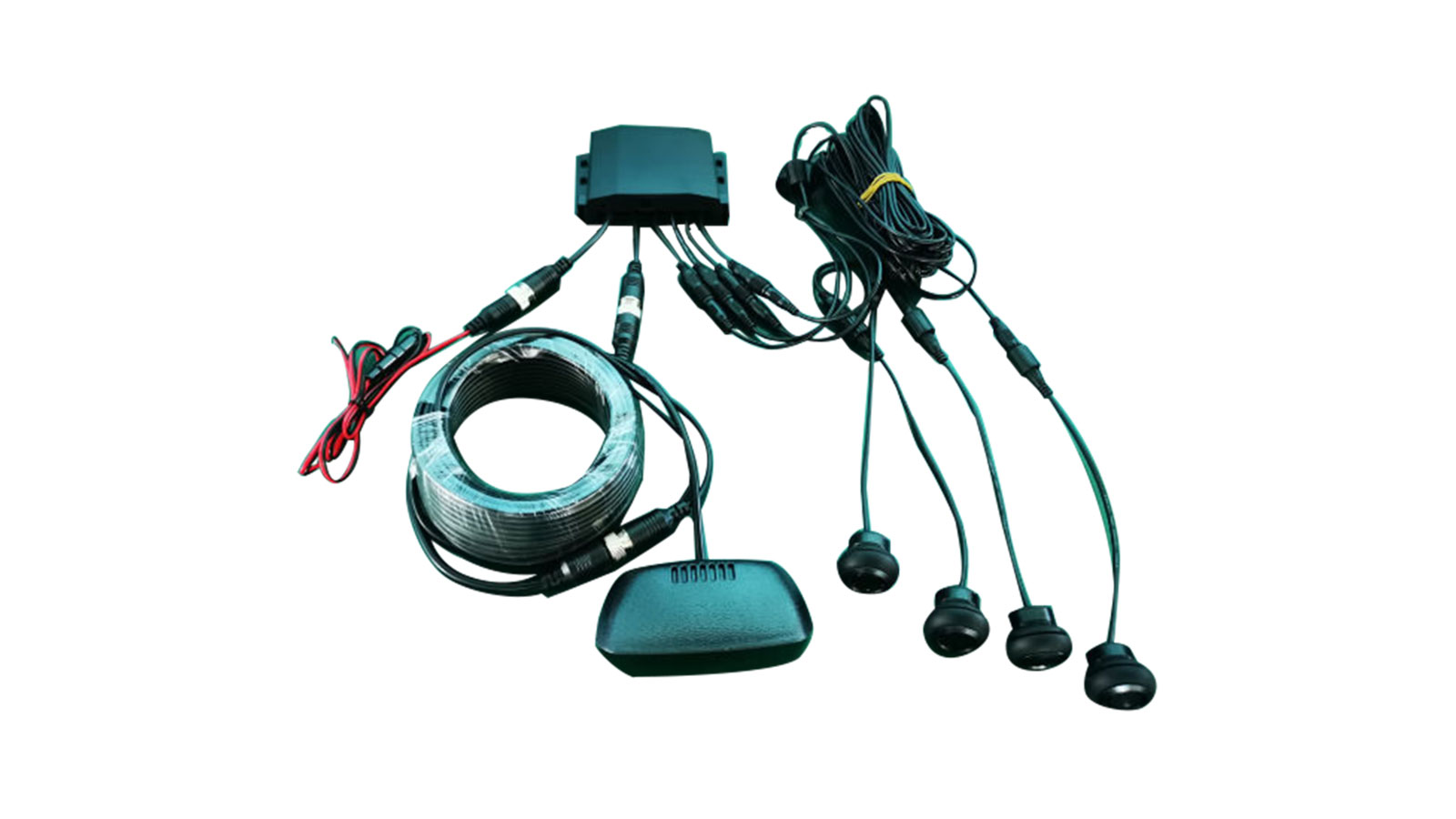
LED parking sensor for trucks
Company: Shenzhen Starshine Industrial Co. Ltd
Shenzhen Starshine offers the ST-H6004-6856, an LED parking sensor for trucks. This 12 to 24VDC, 100 to 300mA device uses 40kHz ultrasonic frequency and has a four-sensor system with an advanced chipset for enhanced coverage and detection. Detection distance is 0.3 to 3m or as specified. The product, consisting of a 78x19x30mm LED display and a 150x100x46mm main control box, is CE-approved. It is easy to install and includes a 2m power cable and a 5, 10, 15 or 20m extension cable.
MOQ: 10 units
Lead time: 7 to 15 days

