Download App
Better Online and Trade Show Sourcing Experiences.Scan the QR code to download.
Learn More
Hot Topics
Apple may introduce an OLED iPhone in 2017, but supply constraints have forced the maker of the most popular smartphone to compromise.
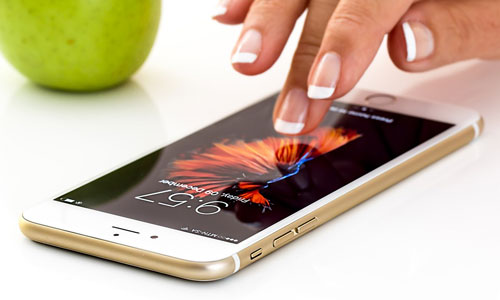
Apple has been use LCDs for nine years, but that could soon change. (Source: Pixabay)
Smartphone companies want to make their screens more exciting, but supply constraints are hurting the ability to do that at scale. Rumors about Apple switching from LCDs to OLED displays in the iPhone have been around for years now. Recent reports seem to confirm Apple's plans for this in its 10th anniversary iPhone this year, but getting supplies for the best-selling smartphone in the world is difficult. A new report from Bloomberg suggests Apple's ability to put out an OLED iPhone will depend on Canon Tokki Corp., a Japan supplier with a "near monopoly" on the machines that make OLEDs. The company only has 343 employees and a growing backlog of companies that wants its machines, which now take two years to receive.
Apple is not the only company facing these issues. It was rumored last year that OnePlus would switch its popular third-generation phone to LCDs because of difficulty procuring OLED displays. Companies such as Samsung and LG have been using OLED displays in their premium smartphones for years. Those companies in particular are two of the most experienced in making the displays as well. Neither has a specific line of handsets that rivals the sales numbers of iPhones, though, which makes it easier to meet demand. When Apple introduces a feature in the iPhone, it can change the market for a specific component.
Nevertheless, Apple will still reportedly introduce an OLED iPhone in 2017, but it might just be on one model. The "Plus" model of the iPhone has been given different features before. The iPhone 7 Plus adopts a dual-lens camera that the smaller iPhone 7 does not have.
Apple is the last holdout among premium smartphone makers in using OLED displays. Most handset companies cannot afford to not offer at least one product using the more power-efficient displays. Even China makers known for budget smartphones like Xiaomi and Oppo are using them. An OLED iPhone will be the final acknowledgment of where the industry is headed.
More Sourcing News
Read Also

关注 “环球资源外贸” 官方微信,获取实时外贸资讯
iOS & Android
iOS & Android(Mainland China)
Copyright © 2026 Publishers Representatives Limited. All rights reserved.




