




Image from iStock
Forklifts are used in warehouses, ports, factories and distribution centers around the world, loading trucks, stacking pallets in high racking and moving materials through production lines. Because they handle heavy loads near people, they are subject to strict standards for design, stability, electrical safety and operator training. Knowing how forklifts are grouped, what their specifications mean and which rules apply helps buyers choose a truck that fits the job and can be operated legally and safely. This applies to used trucks as well as new ones.
Main types
The US Industrial Truck Association (ITA) sorts forklifts into seven classes, a system widely used elsewhere as well.
- Class I – Electric motor rider trucks: counterbalance forklifts with three or four wheels, used indoors
- Class II – Electric narrow-aisle trucks: reach trucks, order pickers, turret trucks and very-narrow-aisle (VNA) trucks for high-density racking
- Class III – Electric pallet trucks and stackers: walk-behind or ride-on units for short moves and loading docks
- Class IV – Internal combustion (IC) trucks with cushion tires: for smooth indoor or covered floors
- Class V – IC trucks with pneumatic tires: diesel or LPG trucks for yards and uneven ground
- Class VI – Tow tractors: electric and IC tractors that pull trailers or carts
- Class VII – Rough-terrain forklifts: including telehandlers, used on construction sites and farms.
There are also specialist machines:
- Side-loaders and multidirectional trucks for long loads such as timber and pipe
- Container handlers and reach stackers for ports
- Explosion-protected trucks for hazardous atmospheres
- Automated guided forklifts (AGVs/AMRs), which run without a driver
Power sources are lead-acid or lithium-ion batteries, diesel, LPG and, less often, hydrogen fuel cells. Lithium-ion has grown quickly because it can be charged during short breaks and needs no watering.
Key specifications
Manufacturers usually present data in the VDI 2198 type-sheet format, which makes models easier to compare.
| Specification | What it indicates | Why it matters |
| Rated capacity (kg/lb) | Maximum load at a stated load center | Set by stability; capacity falls as lift height rises |
| Load center (mm/in) | Distance from the fork face to the load's center of gravity | Typically, 500mm in Europe and 24 inches in North America |
| Lift height & mast type | Maximum fork height; simplex, duplex or triplex mast | Must match racking height and door clearances |
| Free lift | How far the forks can rise before the mast extends | Important for containers and low ceilings |
| Turning radius & aisle width | How easily the truck maneuvers | Determines how densely racking can be laid out |
| Fork carriage class (ISO 2328) | Mounting dimensions, Class I to V | Must match the forks and attachments |
| Travel and lift speeds | Productivity | Weighed against safety settings |
| Battery voltage and capacity (V/Ah) | Electric run time | Affects shift planning and charging setup |
| Engine output and emissions stage | IC power and compliance | Affects whether the truck can be used indoors and its legal status |
| Tires | Cushion, pneumatic or solid (superelastic) | Matched to the floor or ground surface |
Attachments such as side-shifters, fork positioners, clamps and rotators reduce the rated capacity. The truck's capacity plate must be updated to show this.
Matching forklifts to applications
Warehousing and e-commerce: reach trucks, VNA turret trucks and order pickers for high-bay storage, plus pallet trucks for docks
Manufacturing: electric counterbalance trucks and tow tractors to feed production lines
Food, cold storage and pharmaceuticals: electric trucks with no exhaust emissions, usually with cold-store packages
Construction, timber and agriculture: rough-terrain trucks and telehandlers, side-loaders for long materials
Ports and heavy industry: high-capacity IC trucks, container handlers and reach stackers
Chemicals and petrochemicals: ATEX- or IECEx-certified explosion-protected trucks
Global design and safety standards
The core international standard is the ISO 3691 series, Industrial trucks – Safety requirements and verification:
- Part 1: self-propelled trucks
- Part 2: variable-reach trucks
- Part 4: driverless trucks
- Part 5: pedestrian-propelled trucks
- Part 6: burden and personnel carriers
- Parts 7 and 8: regional requirements for Europe and for non-European countries
Supporting ISO standards:
- ISO 22915 series: stability testing, including tilt-table tests for each truck type
- ISO 6055: overhead guards that protect the operator from falling objects
- ISO 2328 and ISO 2330: fork carriage dimensions and fork-arm testing
- ISO 13564-1: operator visibility
- ISO 3287 and ISO 15870: control symbols and safety signs
- ISO 23308: energy-efficiency testing
For electrical systems, the European standard EN 1175 covers truck electrics. IEC 62619 and UL 2580 cover lithium-ion traction batteries, and EN IEC 62485-3 covers charging safety.
Regional frameworks
EU: Trucks are CE-marked under the Machinery Directive 2006/42/EC, which Machinery Regulation (EU) 2023/1230 replaces from January 2027. Harmonized standards include EN ISO 3691 parts, EN 16307 (supplementary requirements), EN 12053 (noise) and EN 13059 (vibration). Other relevant rules are the EMC Directive, the Outdoor Noise Directive 2000/14/EC and Stage V engine-emission limits under Regulation (EU) 2016/1628. The Work Equipment Directive 2009/104/EC requires employers to inspect trucks and train operators.
UK: PUWER 1998 and LOLER 1998 require thorough examinations. The HSE Approved Code of Practice L117 sets out operator training.
US: ANSI/ITSDF B56.1 covers low- and high-lift trucks, with B56.5 for driverless trucks and B56.6 for rough-terrain trucks. OSHA 29 CFR 1910.178 requires:
- operator training and certification, with a performance evaluation at least every three years
- daily pre-shift inspections
- manufacturer approval for modifications
UL 558 and UL 583, together with NFPA 505, set type designations (such as E, EE, EX, D, LP) for hazardous locations. EPA Tier 4 and LSI engine rules control emissions.
Canada: CSA B335 covers lift truck safety, alongside provincial workplace regulations.
China: GB/T 10827 aligns with ISO 3691. Forklifts are classed as special equipment, which means registration, periodic inspection and licensed operators.
Australia: The AS 2359 series covers design. Operators need a High-Risk Work License (LF class).
Japan: The Industrial Safety and Health Act requires an annual "specified voluntary inspection" and operator skill training.
Refurbished forklifts
Refurbished trucks are a popular, lower-cost option. A good refurbishment can give a truck years of further service for roughly 30 to 60 percent of the price of a new one. It also reuses the chassis and drivetrain, which lowers the truck's lifetime carbon footprint.
Refurbishment quality varies widely. The main grades are:
- Cosmetic refurbishment: paint and decals only
- Mechanical reconditioning: brakes, hydraulics, mast chains, tires and seals
- Full remanufacture: engine or motor, transmission and electricals
Buyers should check:
- Structural integrity: inspect the mast, chains and overhead guard. Fork arms should be checked to ISO 5057 or the manufacturer's criteria. A fork should be taken out of service if heel wear reaches 10 percent, if it has cracks or if it is bent.
- Capacity plate accuracy: OSHA and ANSI B56.1 require the plate to match the truck's actual configuration. Changes such as a different mast, an attachment or a lithium battery replacing a lead-acid one need the manufacturer's (or a qualified engineer's) approval and a new plate. Battery weight works as counterweight, so a lighter battery can reduce stability.
- Documentation: service history, hour-meter readings, a recent thorough examination (LOLER in the UK) and the original Declaration of Conformity.
- Regulatory status: In the EU, extensive changes that create new hazards can count as a "substantial modification" under Regulation 2023/1230. The refurbisher then takes on manufacturer duties, including a new conformity assessment and CE marking. Imported used trucks may also have to meet current emissions and local registration rules, which is especially relevant in China and Australia.
- Supplier credibility: look for refurbishers with ISO 9001 certification, dealers authorised by the original manufacturer, warranties, and training and maintenance support.
Choosing a forklift starts with the load, the lift height, the aisle width and the working environment, and these should be matched against rated capacity and power source. ISO 3691 and ISO 22915 underpin truck design internationally. Regional rules then add requirements for certification, emissions, inspections and operator licensing. For new and refurbished trucks alike, compliance is ongoing: a correct capacity plate, documented inspections and trained operators keep a forklift productive and lawful.
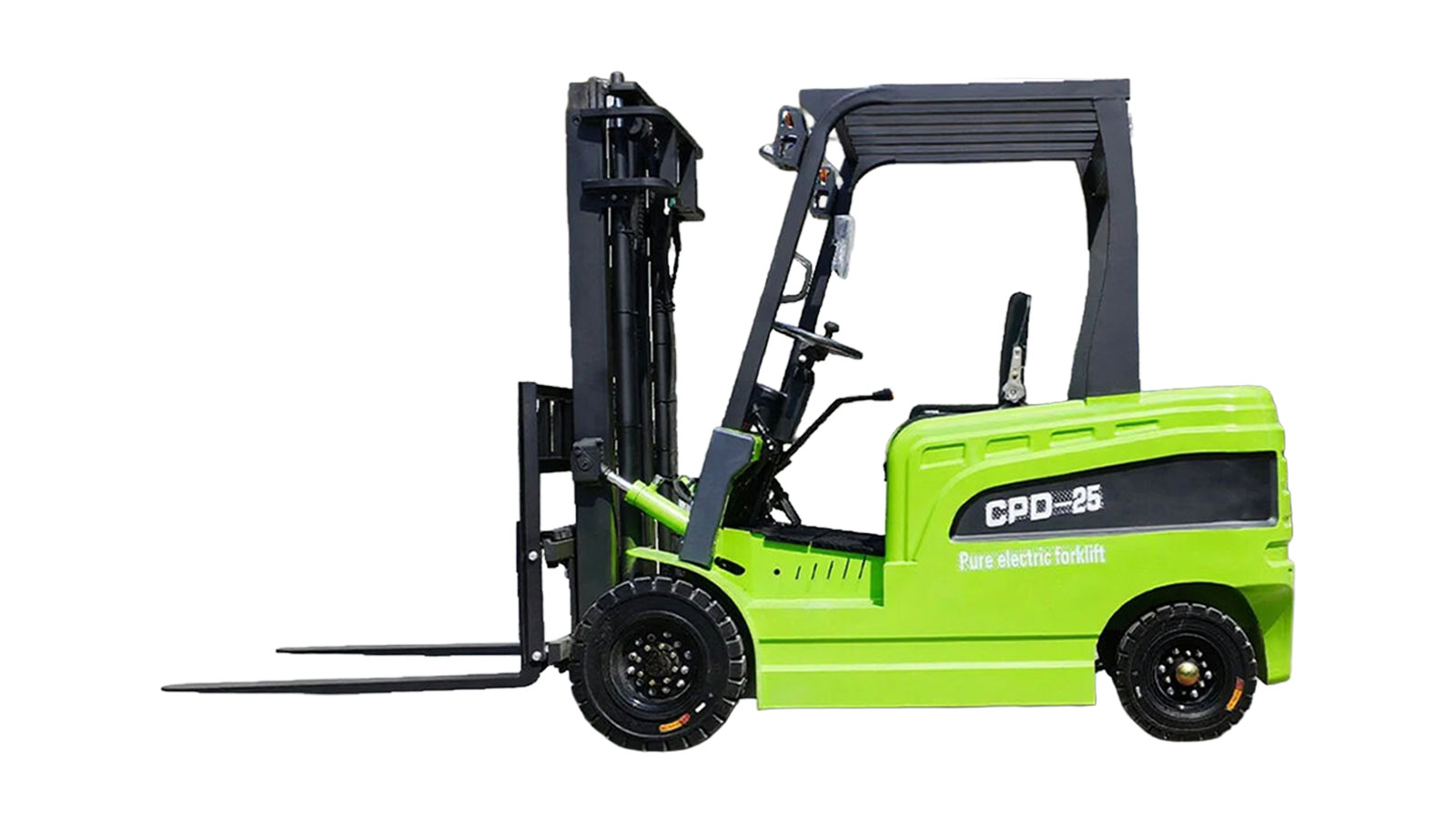
Electric forklift, 1 to 4-ton capacity
Company: AAK Trading LLC
US-based AAK offers this electric forklift, with model number 3838933-976122112-23491112, designed for indoor industrial spaces such as warehouses, factories, logistics centers and distribution facilities. This compact and maneuverable machine is available with a lifting capacity ranging from 1 to 4 tons and can be configured according to customer requirements.
MOQ: 1 unit
Lead time: 10 to 15 days
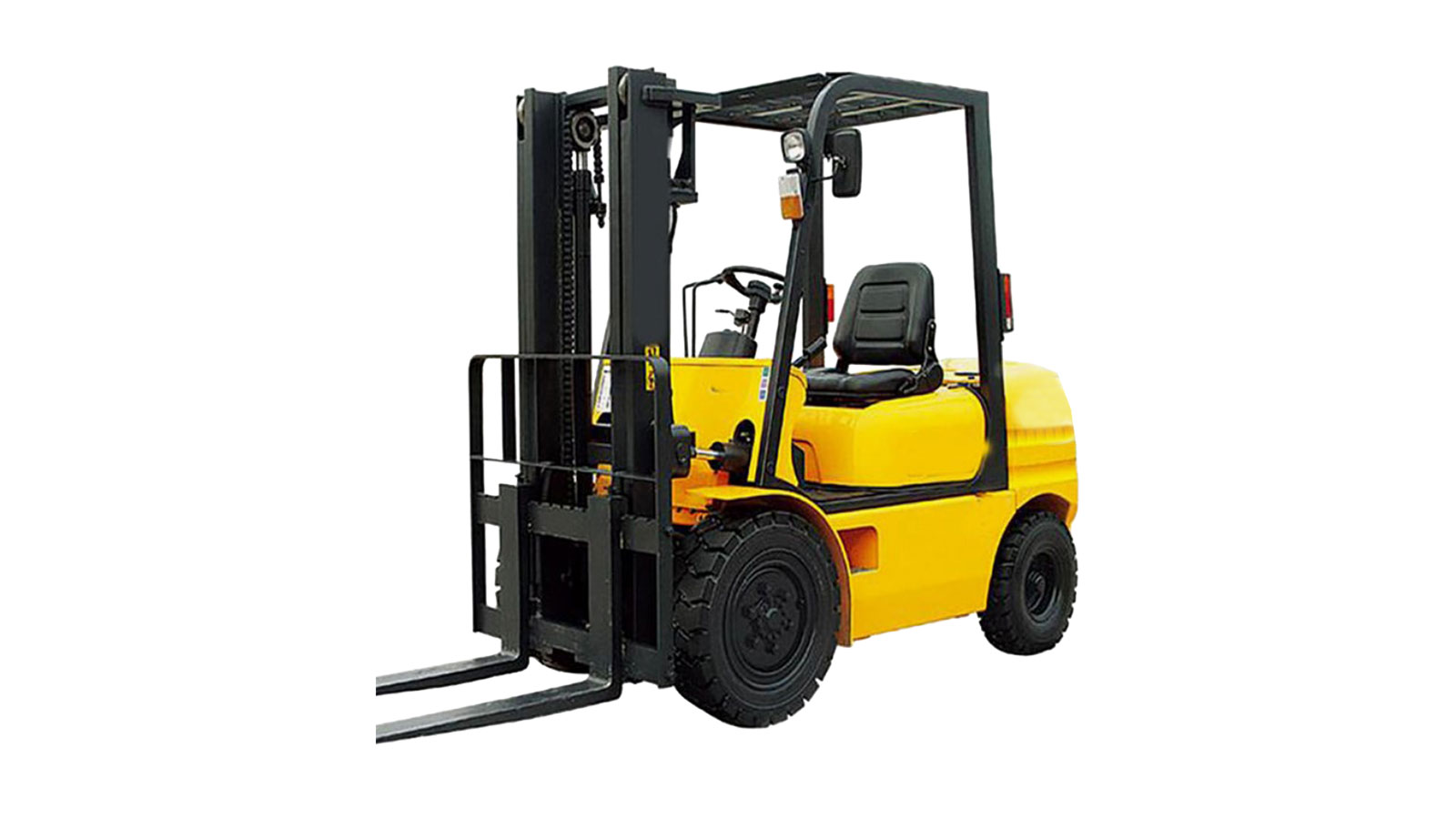
Electric forklift, lead-acid battery
Company: Bioty Technology Co. Ltd
The BODA-011-0261 from Bioty is a brand-new electric forklift with a forward-drive, hydraulic side shifter, solid tires and lead-acid battery. It has a load center distance of 500mm and fork size of 1,220x125x50mm.
MOQ: 1 unit
Lead time: 7 to 15 days
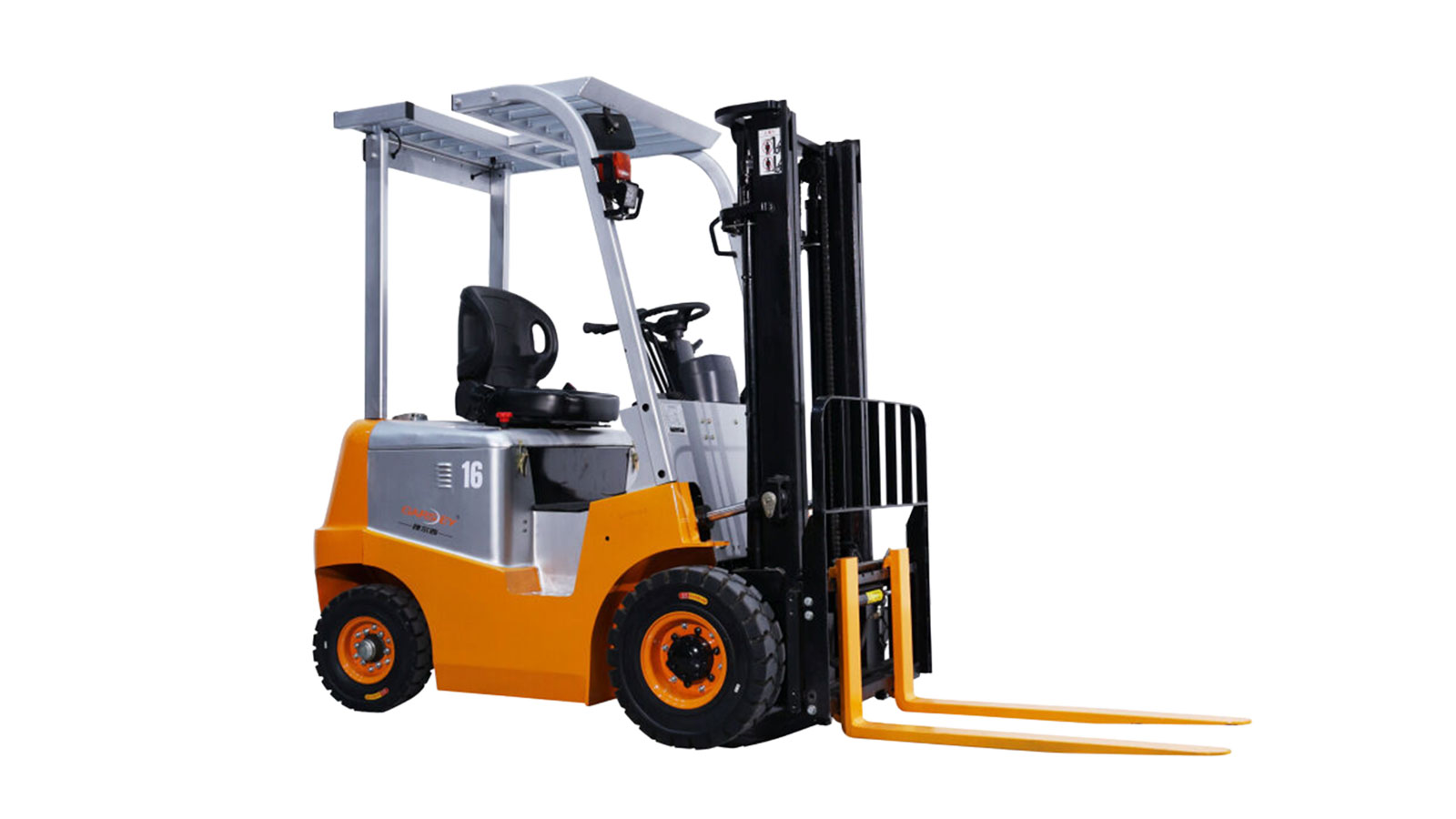
Diesel-engine forklift
Company: Xiamen Yi Easy Buy Import and Export Trade Group Co. Ltd
Xiamen Yi Easy markets the CC-0007, a diesel forklift with rubber tires. This ride-on unit has a maximum travel speed of 20kph.
Lead time: 5 to 7 days
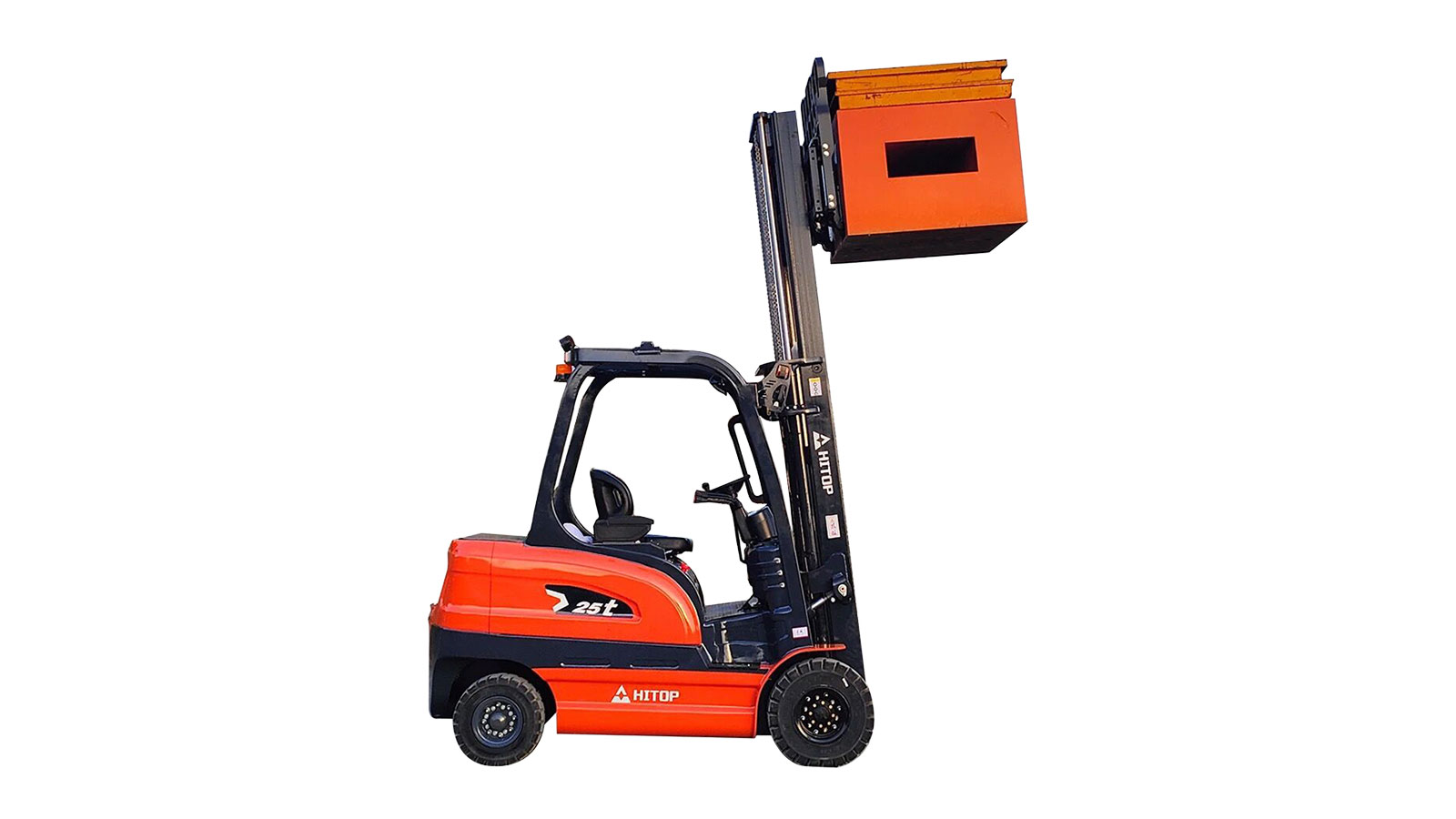
Diesel forklift
Company: Zengon Inc.
Zengon’s model FKL435 is a brand-new diesel forklift with maximum lifting height of 3,000mm and free hoisting height of 200mm. It is available in load capacity options of 5,000, 6,000, 7,000, 8,500 and 10,000kg, pallet fork maximum height choices of 4,400, 4,420 and 4,217mm with block shelf, and maximum speeds of 24kph when full and 28 or 29kph when empty.
MOQ: 1 unit
Lead time: 7 to 15 days