




Image from iStock
In 2025, smartwatches are no longer just wrist-worn gadgets that buzz with notifications. They are now AI-powered assistants that monitor health, manage schedules and even anticipate user needs. What began as digital timepieces have transformed into wearable hubs for communication, wellness and personalization.
Brief history of smartwatches
While often seen as 21st century artifacts, smartwatches have their roots in decades of innovation in wearable technology. Hewlett-Packard’s 1977 HP-01 combined timekeeping with calculator functions and a 200-year calendar, operated via a stylus and 28 tiny keys. In 1998, University of Toronto professor Steve Mann, a pioneer in wearable computing, built the first Linux-powered wristwatch capable of video conferencing and wireless communication. This device was featured in Linux Journal and inspired IBM’s WatchPad project.
The 2010s saw commercial breakthroughs with Pebble (acquired but discontinued by Fitbit), Sony SmartWatch and Google Android Wear. Apple’s 2015 Watch redefined the category with app support, health sensors and a sleek interface. Fast forward to today, smartwatches have become AI-driven lifestyle tools with roots in these early experiments.
Key features in 2025
Today’s smartwatches are compact hubs of health, connectivity and intelligent assistance. Once seen as smartphone companions, their capabilities now span far beyond timekeeping.
Advanced health monitoring: Continuous blood pressure tracking, atrial fibrillation alerts and AI-enhanced sleep analysis are now standard. Devices interpret biometric data in real time, offering personalized recommendations for stress, hydration and recovery.
AI integration: Embedded assistants anticipate user needs – suggesting workouts, adjusting notifications, summarizing emails or calendar events and enabling voice-controlled tasks. These assistants also provide seamless access to cloud services and navigation.
Expanded connectivity: Support for low-power 5G and satellite messaging ensures communication even in remote areas. Dual-frequency GPS enables precise location tracking, while haptic feedback enhances real-time navigation activity.
Improved performance and battery life: Energy-efficient processors and adaptive power management deliver multiday battery life, balancing responsiveness with endurance.
Design and interface: Touch interfaces are smoother, with dynamic layouts that adapt to user behavior. Modular hardware – such as interchangeable straps and bezels and user-replaceable battery packs – allows for aesthetic and functional customization. Premium materials like titanium and sapphire glass are increasingly common.
At CES 2025 in Las Vegas, smartwatches took center stage. Garmin’s Instinct 3 Series introduced solar charging, AMOLED displays and a built-in flashlight for rugged use. Zepp Health’s Amazfit Active 2 packed a 2,000cd/sqm display and advanced health sensors into a $99.99 device. Xiaomi’s Redmi Watch 5 offered a 2.07-inch screen, 24-day battery life and Bluetooth calling at entry-level pricing. Samsung unveiled a MicroLED smartwatch prototype with up to 4,000cd/sqm brightness, signaling a leap in display technology. These launches confirmed innovation across all tiers.
Performance spectrum: basic to premium
Smartwatch capabilities are now accessible across a wide range of price points.
Entry-level models now offer AMOLED displays, Bluetooth calling and 20+ day battery life. Devices like the Amazfit Active 2 and Redmi Watch 5 deliver core health tracking – including heart rate, SpO₂ and sleep analysis – at under $100 retail price tags.
Midrange options ($150 to $300) add continuous blood pressure monitoring, dual-frequency GPS and AI-powered assistants. Brands in this tier emphasize balance: durable builds, intuitive interfaces and reliable connectivity, often with LTE or satellite support.
Premium smartwatches push boundaries with MicroLED displays, titanium casings and advanced biometric sensors. Features like ECG, skin temperature tracking and solar charging are common, alongside seamless integration with enterprise platforms and smart home ecosystems.
Across all tiers, modularity and personalization are rising trends. Users can swap bands, bezels and even battery packs to suit their lifestyle. Whether one is a casual user, a field professional or a health-conscious athlete, 2025’s smartwatch landscape offers tailored performance without compromise.
Market outlook
The smartwatch sector is both expanding and diversifying. Global revenue is projected to reach $32.05 billion this year, with a CAGR of 6.07 percent through 2029, according to Statista. About 230 million smartwatches are forecast to be shipped this year, expanding at 24.8 percent CAGR to 695 million units by 2030, according to Mordor Intelligence.
While Apple and Samsung currently dominate the premium tier, competition is intensifying across midrange and entry-level segments. Brands like Garmin, Amazfit and Xiaomi are gaining ground by targeting niche audiences – outdoor enthusiasts, budget-conscious users and wellness seekers.
The midrange category is booming, with consumers expecting premium features like AMOLED displays, advanced health sensors and multiday battery life at lower price points. As noted by Mordor Intelligence, demand is rising for affordable devices that still offer robust fitness and wellness capabilities. Models such as the Amazfit Active 2, Samsung Galaxy Watch FE and Pixel Watch 3 demonstrate that features like AI-powered coaching, emergency pulse detection and multiday battery life are no longer exclusive to top-tier pricing.
Regional growth is also shifting. Southeast Asia, Latin America and Eastern Europe are emerging as high-potential markets, driven by rising digital adoption and competitively priced devices.
Beyond hardware, subscription-based health services and AI-driven personalization are becoming key differentiators. Manufacturers are investing in long-term engagement strategies – offering guided workouts, stress management tools and cloud-based health analytics. Sustainability is also entering the conversation, with more manufacturers exploring recycled materials and energy-efficient components.
The smartwatch market in 2025 is no longer defined by flagship dominance. It is a dynamic, multitiered ecosystem shaped by innovation, accessibility and evolving consumer priorities.
Looking ahead
Smartwatches are transitioning from consumer gadgets to enterprise-ready tools with real implications for health, productivity and data ecosystems. But as the market matures, several challenges have emerged, such as data privacy and compliance, material safety and wearability standards, user trust in health monitoring features and transparency in marketing and product claims.
Rather than viewing these as setbacks, leading brands are treating them as design imperatives. From GDPR-compliant data handling to hypoallergenic materials and clinically validated sensors, the industry is responding with smarter, safer and more responsible innovation.
Summing-up
From Hewlett-Packard’s groundbreaking HP-01 calculator-watch in 1977 to today’s AI-driven wearables, smartwatches have come a long way. Once
geeky gadgets for the tech-obsessed, smartwatches now serve as indispensable tools for health, productivity and connection – shaped by innovation and the ever-changing needs of contemporary life.
Below is a gallery of smartwatches chosen by our analysts as representing the range of models available from suppliers in China:
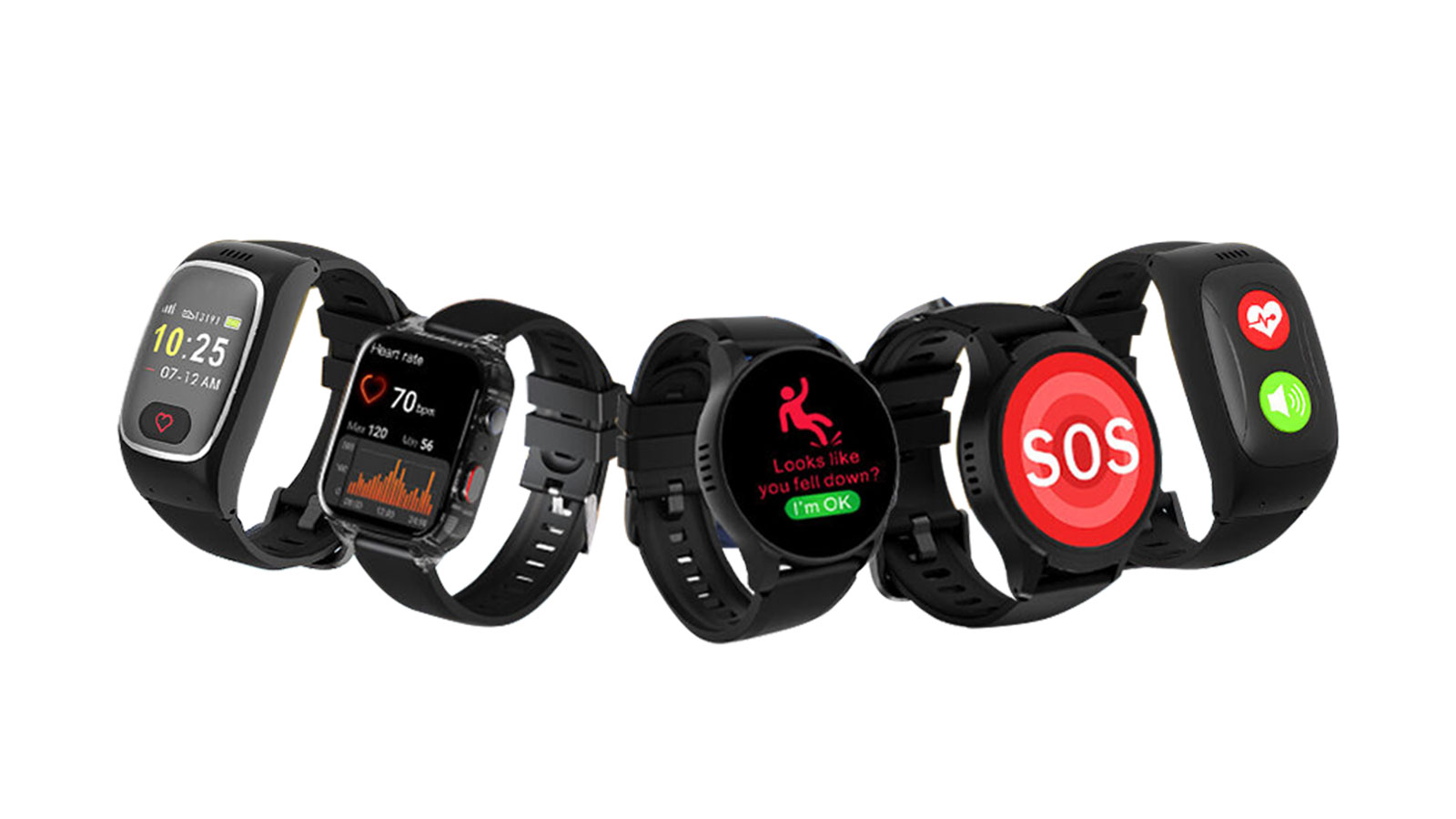
GPS tracking smartwatch for elderly care
Company: Shenzhen Vivistar Technology Co. Ltd
Model VS100-1 from Shenzhen Vivistar is a LoRaWAN GPS smartwatch designed for elderly care, featuring fall detection, geofencing, SOS alerts and IP68 water resistance. It supports cloud data sync and offers up to 3km transmission range using a Semtech SX1262 transceiver. Built with a 500mAh battery and magnetic charging, this watch includes a three-axis accelerometer and optional heart rate, SpO₂ and temperature sensors. Equipped with dual-constellation support via GPS or BeiDou, it delivers fast satellite acquisition and reliable tracking in low-signal environments. Its autonomous accuracy is under 2.5 meters and SBAS-enhanced precision is below 3 meters.
MOQ: 3,000 units
Lead time: 5 to 7 days
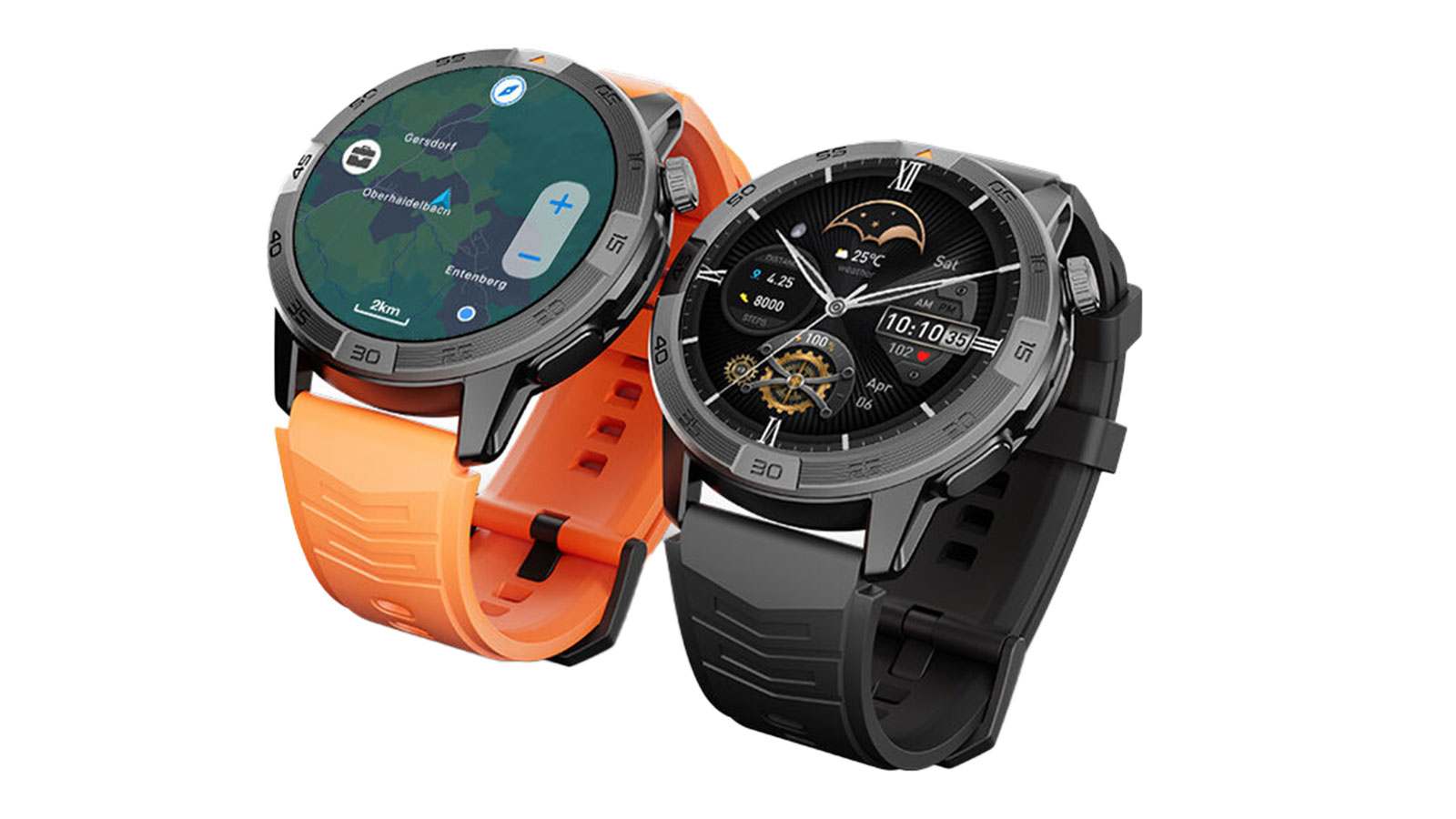
Health-monitoring smartwatch with 30-day battery
Company: Guangdong Aijiemo Electronic Industry Co. Ltd
From Guangdong Aijiemo, the AGM Watch W1 Pro features a 1.43-inch AMOLED screen with 466x466-pixel resolution at 60Hz and 600cd/sqm brightness. It supports Android 5.0+ and iOS 12.0+ and runs on an SF32LB527 MCU with 4MB RAM and 128MB ROM. Battery capacity is 370mAh, offering up to 30 days of use. This watch includes GPS, compass, air pressure sensor, BLE 5.3, 5ATM and IP68 water resistance and health tracking for blood oxygen, sleep and stress.
MOQ: 50 units
Lead time: 1 to 30 days
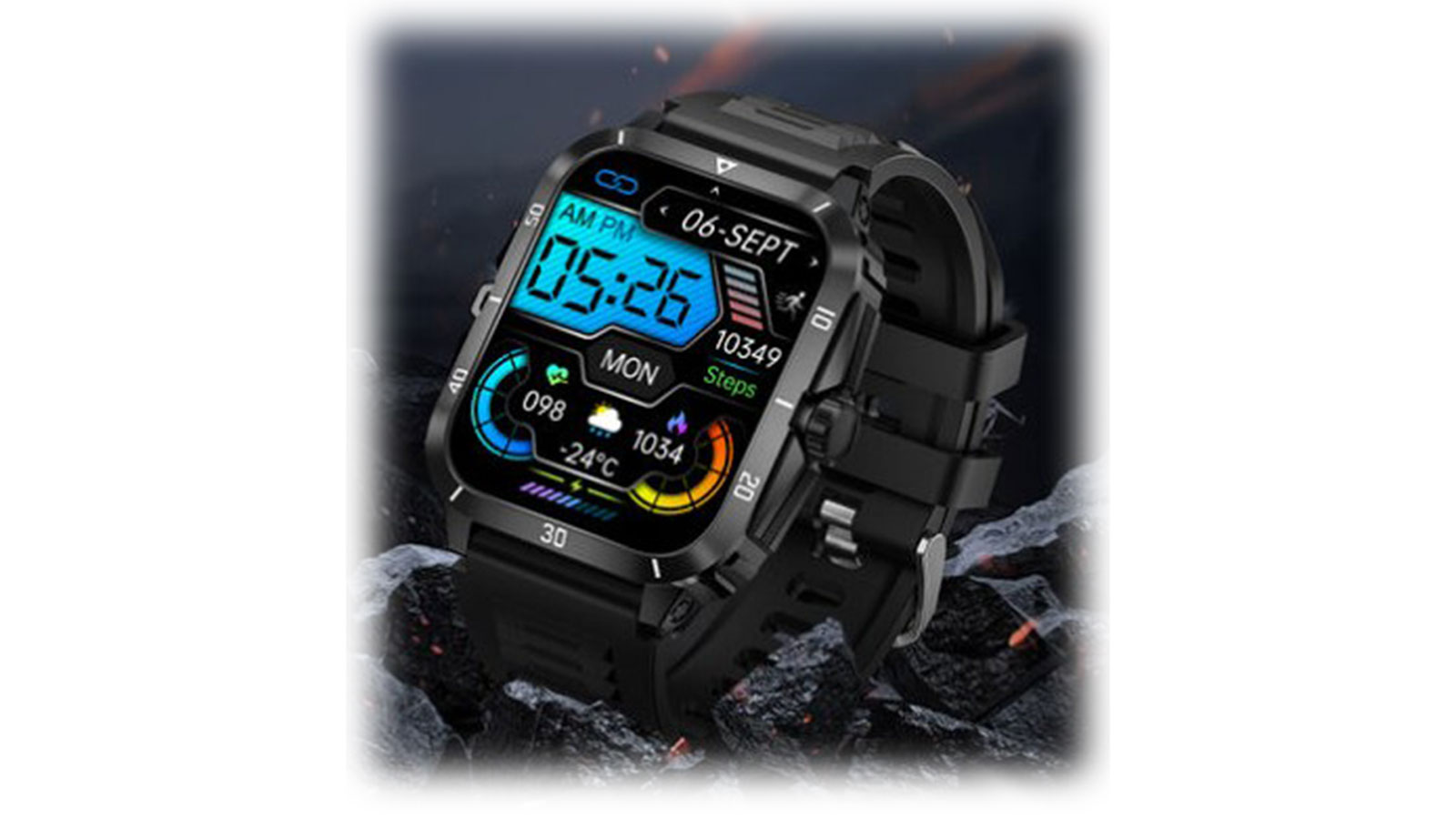
Smartwatch with 1.96-inch IPS display
Company: Shenzhen Nanway Industrial Co. Ltd
Model V71-2 from Shenzhen Nanway features a JL7012F6 chip with 64MB ROM, operating via the Da Fit app and compatible with Android 6.0+ and iOS 10.0+. It offers a 1.96-inch IPS full-touch display at 240x282-pixel resolution and Bluetooth 5.3 connectivity. Sensors include DA267 G-sensor and LC09 heart rate monitor. Power is supplied by a 430mAh Li-polymer battery with magnetic charging. Dimensions are 48.5x39.9x12.3mm and weight is approximately 29.5g.
MOQ: 2 units
Lead time: 3 to 7 days
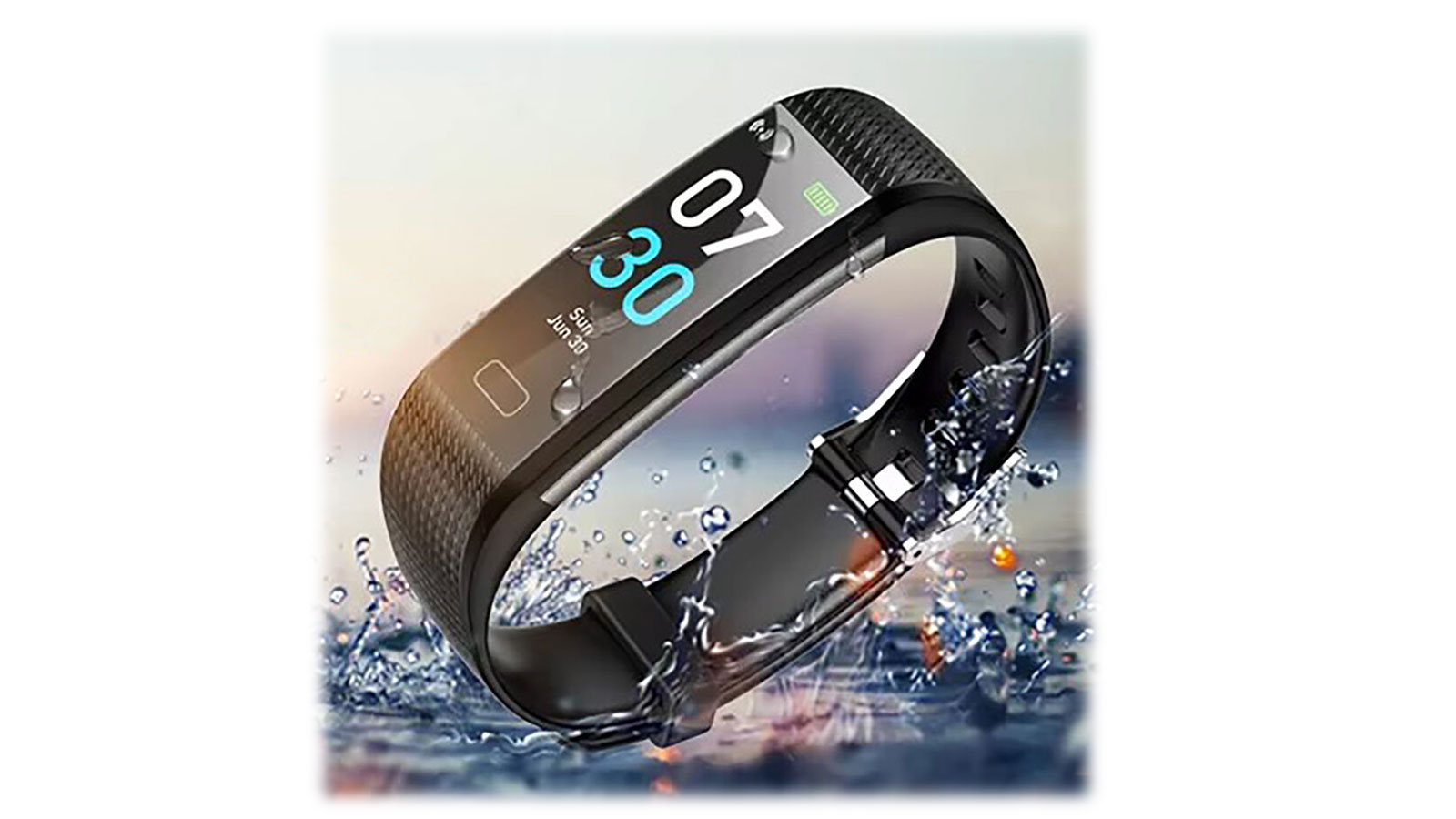
Smart band with health vitality scoring
Company: China Flame Group Ltd
The S5-24 from China Flame is a smart bracelet that features a 0.96-inch display at 80x160-pixel resolution and a 170mAh battery rated for seven to 15 days of use and 45-day standby. Health monitoring includes MAI Health Vitality Score, temperature, heart rate, SpO₂, stress and sleep tracking. This watch has 16 sport modes and activity metrics, with additional functions including notifications, remote camera and reminders. It is IP68-rated and supports 11 languages. Nine band color options are available.
MOQ: 1,000 units
Lead time: 10 to 15 days
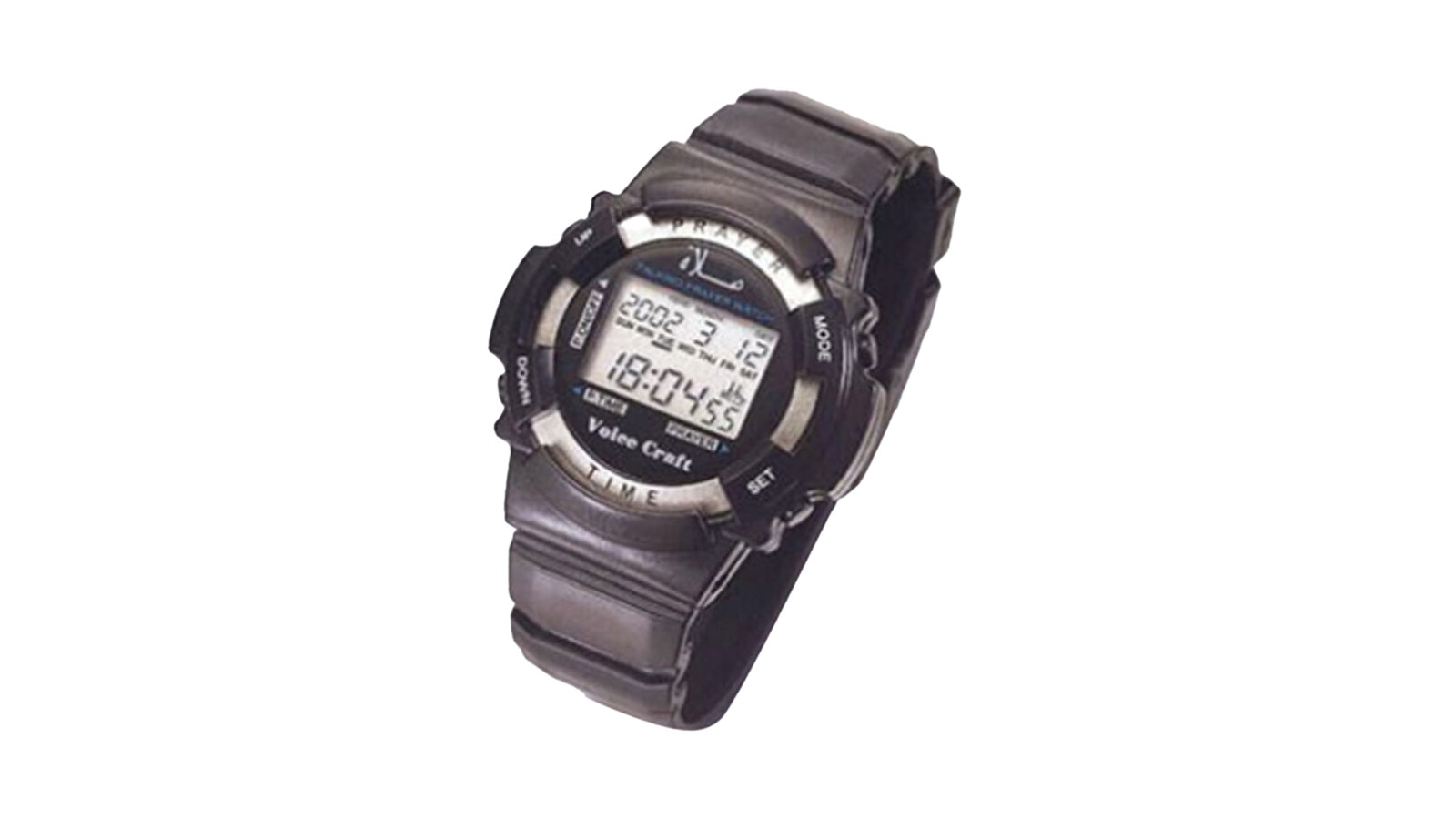
Prayer watch announces Azan
Company: Ultmost Technology Group
A digital Muslim prayer watch, model WA9906 from Ultmost is designed to deliver automatic voice reminders for the five daily prayers, featuring real human voice announcements. It includes daylight saving time compensation for accurate prayer scheduling across regions. This unisex model
is built with a rubber band and digital display, optimized for Azan time alerts.
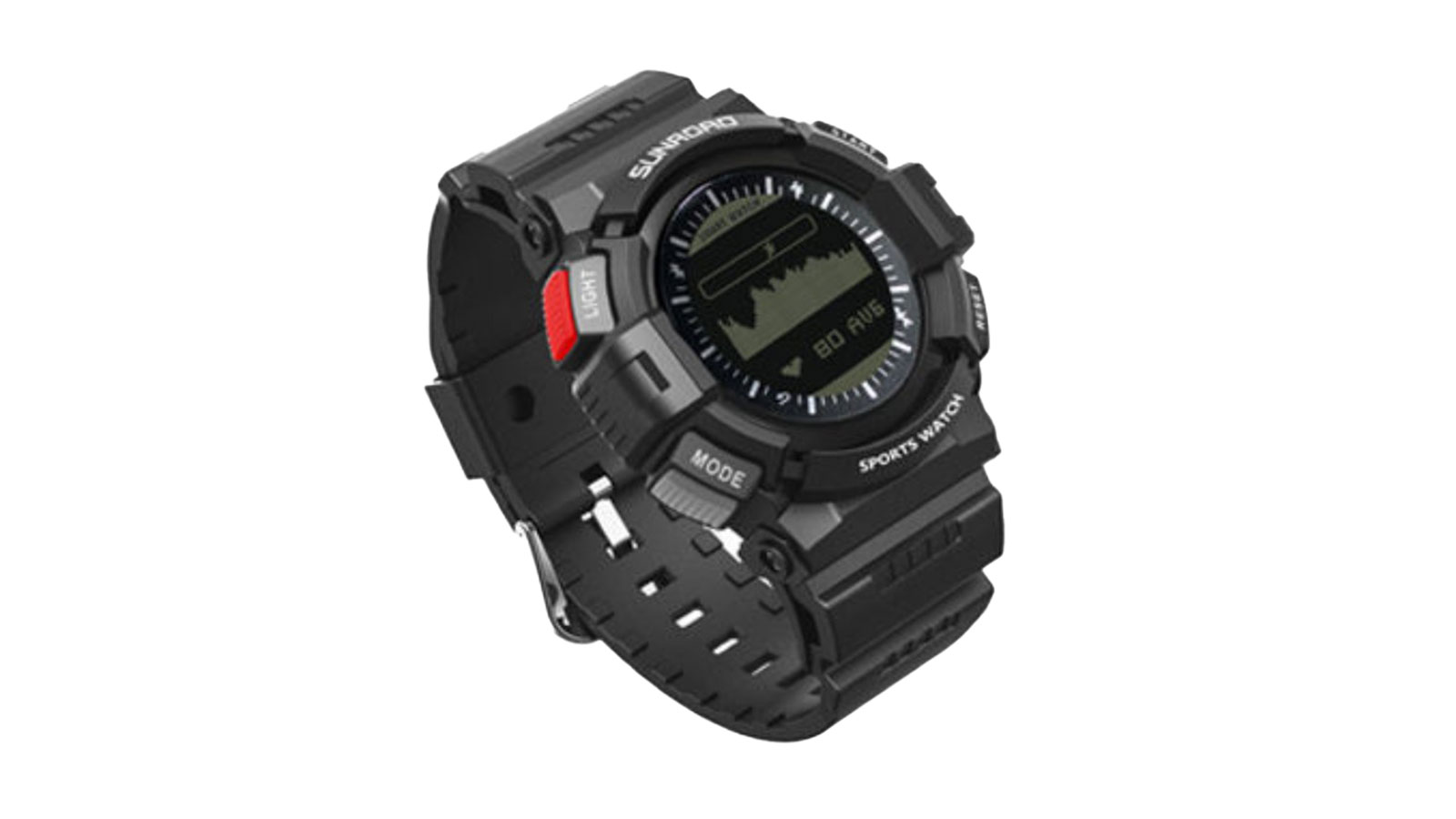
Smartwatch with optical heart rate sensor
Company: Qingdao Tlead International Co. Ltd
Model FR9211B from Qingdao Tlead is a smartwatch that integrates an advanced optical heart rate sensor with real-time monitoring and customizable alerts. It supports detailed activity and training records, including step count, distance, speed and calorie tracking. Additional functions include sleep analysis, timekeeping tools and mobile connectivity via Bluetooth 4.0. This watch features a water-resistant LCD rated at 3ATM, magnetic USB charging and cross-platform support for Android and iOS systems.
MOQ: 1 unit
Lead time: 1 to 3 days

