Download App
Better Online and Trade Show Sourcing Experiences.Scan the QR code to download.
Learn More
Hot Topics
Western textile buyers are looking for suppliers closer to home amid mounting labor and manufacturing costs in China.
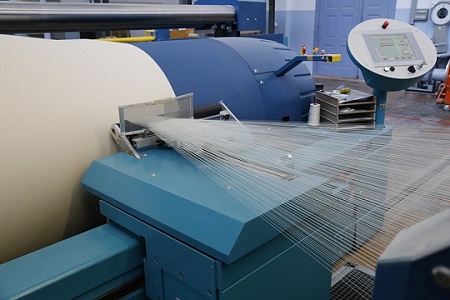
Rising costs of labor, raw materials and energy are pushing more international buyers to switch away from China and back to Western suppliers.
Among the countries that have benefited from the situation is Italy. A recent report by Reuters said that factory owners there believe that "a narrowing price difference with China and demands for nimbler production nearer home are winning back higher-end customers."
Proximity is also key as there is constant pressure for Western clothing brands to offer fresh collections and customized looks to appease an increasingly demanding customer base. Because of this, fashion labels need suppliers to be closer for faster delivery.
Increased demand for quality is another significant factor for the shift. More Western apparel makers, for instance, are adopting Italy-sourced wool instead of those from China. The reason is that they can separate themselves from rivals by revealing material sources on product labels and company websites.
Several firms are likewise moving facilities in the US citing increased safety and environmental consciousness, and technological innovation as the main reasons for reshoring.
Although the Asia giant remains the world's largest producer of textiles and textile products, which includes apparel, exporting $284 billion worth in 2015, according to country's Chamber of Commerce for Import and Export of Textile and Apparel, the government has acknowledged that cost issues are weakening its competitive advantage globally. China's textile industry also employs 4.6 million people and accounts for about one-tenth of the country's GDP.
Worker wages, however, have been rising faster than the economy, posting on CAGR of more than 12 percent. Increasing cotton and wool prices, heavy import duties for basic manufacturing equipment and the financial effects of more stringent environmental regulations are likewise proving big challenges for the country's textile industry.
China's textile exports to the EU grew a modest 1.4 percent in the first 10 months of last year, but dropped 4.1 percent in October, according to the government latest figures.
Additionally, when price becomes an issue, several buyers are turning to Southeast Asia where expenses are less costly.
More Sourcing News
Read Also

关注 “环球资源外贸” 官方微信,获取实时外贸资讯
iOS & Android
iOS & Android(Mainland China)
Copyright © 2026 Publishers Representatives Limited. All rights reserved.




