Download App
Better Online and Trade Show Sourcing Experiences.Scan the QR code to download.
Learn More
Hot Topics
HTC is making big bets on its Vive headset as the VR industry grows in China.
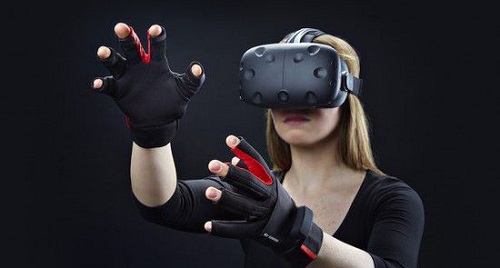
The HTC Vive is currently available for pre-order and has been well received as a competitor to the Oculus Rift (Source: HTC)
HTC announced recently that it plans to set up more than 10,000 "experience sites" in China by the end of 2016 to demonstrate its Vive virtual reality headset. The company is betting big on VR in China. Other makers from the country are also banking heavily on VR, and it is not hard to see why. The smartphone market is now saturated, while tablets and PCs have seen declining sales. VR technology shows a lot of promise and China companies already have the knowledge and supply chain necessary to build VR headsets. VR and AR (augmented reality) products are expected to increase growth for many component suppliers in areas such as sensors, IR and laser transmitters, and LED chips, according to Digitimes Research.
With many China suppliers jumping into VR right now, the market is expected to balloon over the next few years. One research firm estimates the market in China will reach $860 million this year and grow to $8.4 billion by 2020. Several local companies are doing relatively well in this space already. KatVR and DeePoon, for example, have garnered a lot of attention for their innovations. Baofeng Mojing sold a million $30 mobile VR headsets in the first quarter alone. Many of these sales are happening thanks to e-commerce. Hundreds of thousands of VR headsets from China are being sold online each month. The country is expected to account for 40 percent of VR headset shipments in 2016, per market research firm Canalys, with China vendors shipping 6.3 million units globally.
For HTC, VR is such a promising market. The company is spinning off its Vive business into a separate subsidiary called HTC Vive Tech Corp. The glass-half-full interpretation of this move is that HTC has a lot of confidence in its VR efforts. The Taiwan group made a name for itself in smartphones, but it has struggled recently as Samsung captured the high end of the Android handset market while China competitors took the middle and low ends. VR is not a mature space yet, however, so it offers a clean slate for companies such as HTC. Notably, the HTC Vive is already considered one of the better VR products right now.
More Sourcing News
Read Also

关注 “环球资源外贸” 官方微信,获取实时外贸资讯
iOS & Android
iOS & Android(Mainland China)
Copyright © 2026 Publishers Representatives Limited. All rights reserved.




