




Ternary lithium batteries are being transformed to enhance their performance and safety. They have been upstaged in these respects by LiFePO4 (LFP) rivals in recent years, especially in applications such as electric vehicles (EVs) and energy storage systems. In addition, these batteries, also known as NCM/NMC or NCA, are costlier to produce than LFP types because of the use of nickel, cobalt and manganese as cathode materials.
But for higher energy density, enabling long-distance travel and better performance in cold weather than LFPs, ternary lithium batteries continue to be the preferred chemistry in premium EVs. Tesla has them in its fleet except for base models that are LFP-based. Others include Nio, Xiaomi, Huawei-backed Shangjie, GWM, Volvo, BMW, Mercedes-Benz, Volkswagen and GM in their high-performance units.
Besides EVs, ternary lithium batteries are widely used in robotics, drones and electric vertical take-off and landing (eVTOL) vehicles. In addition to capability to store more energy per unit of weight and to deliver higher power output, they are lightweight compared to LFP, enabling greater mobility and speed and in the case of drones, lift and flight efficiency. In service and industrial robots, however, where weight is not an issue and cost, safety and longevity are primary considerations, LFP batteries are the popular choice.
R&D trends
Research on building on ternary lithium batteries’ inherent advantage of high energy density continues, challenging LFP’s dominance.
CATL is said to be planning to launch new 8-series batteries for long-range EVs. This new generation will have cathode materials that are 80 percent nickel, with the rest split between cobalt and manganese. It targets to cash in on the trend for larger batteries in plug-in hybrid cars, including range-extended units, according to reporting from KrASIA Connection. “The race for bigger packs and longer electric-only ranges is creating a clear opportunity for high-nickel chemistry.”
Higher nickel and lower cobalt content can improve the energy density of ternary lithium batteries further while reducing the cost of producing them. This is because cobalt is expensive and not as abundant as nickel.
New energy materials specialist CNGR has presented a superhigh-nickel ternary precursor with energy density up to 230mAh/g, higher than that of general ternary materials by 12.7 to 27.8 percent. Having high content of this metallic element is also an evolving trend in solid-state batteries. Being the core element in them, such materials can help achieve energy density exceeding 350Wh/kg in batteries in the coming years.
Hybrid batteries are under development as well. In April 2026, CATL is scheduled to have begun mass-producing an ultrahybrid battery called the Tianxing II Light Commercial Long-Range Battery. This new battery has a single-pack capacity of 253kWh, allowing a range of up to 800km, according to an article on Suzhou EBAK’s website. “Internally, we refer to this ternary-lithium-iron-phosphate material system as the ultra-hybrid system. It involves mixing battery materials, with the most direct effect being an increase in cell energy density while controlling costs,” said CATL chief technology officer Gao Huan.
China-made ternary lithium batteries
Chinese companies offer NCM/NMC and NCA batteries, with the former type dominating shipments, for EVs, energy storage systems, drones and robotics applications.
Typical units have a rated voltage of 3.6 to 3.7V, energy density between 150 and 250Wh/kg, charge current of 1 to 2C, -20 to 60 C operating temperature and life span ranging from 500 to 2,000 cycles. They can be customized to meet various requirements.
Makers benefit from proximity to material sources, as the country is the top producer of anode and cathode materials. The key providers include Nantong Reshine, Tianjin Bamo, Ronbay, Guangdong Brunp, Minmetals, Easpring, XTC, BTR, Shaanxi Hongma and Libode.
China-made ternary batteries have safety approvals, such as UL, CE, UN 38.3, FCC and RoHS.
Optimistic market
Ternary types led in total lithium battery shipments of 2.2GWh for embodied intelligent robots in 2025 and will likely remain the choice in this application when the volume hits 100GWh, according to the High-tech Industry Research Institute (GGII) for Energy Storage.
But based on the installed capacity of power batteries reaching 465.9GWh from January to June 2025 worldwide, GGII reported that LiFePO4 batteries accounted for 256.6GWh or 55.1 percent. Statistics from the China Industry Technology Innovation Strategic Alliance for Electric Vehicle showed that LFP batteries had an 81.2 percent share of the total installed capacity of power batteries in 2025, increasing from 51.7 percent in 2021. Meanwhile, ternary batteries dropped from 48.1 percent to 18.7 percent during the period.
Still, most Chinese manufacturers of ternary lithium batteries are optimistic about market opportunities thanks to technological breakthroughs, with more expected ahead. While many are also producing LFP batteries, they will continue to focus R&D initiatives on ternary types.
There are hundreds of suppliers of ternary batteries in China. The top homegrown companies that also lead in this category globally include CATL, BYD, CALB, EVE Energy and Gotion.
Most of these manufacturers are found in Shenzhen, Dongguan, Zhongshan and Guangzhou, with others operating in central regions.
The products in this gallery have been handpicked by our China-based market analyst for representing current trends in ternary lithium batteries from Chinese companies.

Ternary lithium battery pack rated at 72V, 30Ah
Company: Dongguan Rishengzhi New Energy Technology Co. Ltd
Designed for use in e-motorcycles, the TLB04 ternary lithium battery pack has 72V and 30Ah rated voltage and capacity, and -20 to 60 C operating temperature.
MOQ: 500 units
Lead time: 30 days

Ternary lithium battery pack, 21.6V, 10Ah rating
Company: Shenzhen NewSun Material Technology Co. Ltd
The 37AQ254-01 from Shenzhen NewSun is a ternary lithium battery pack with 10Ah capacity, 21.6V nominal voltage, 25.2V charge and 16.8V discharge cut-off voltage, ≤6A charge and 20A discharge current, and 0 to 45 C charge and -20 to 60 C discharge temperatures.
MOQ: Negotiable
Lead time: 30 days
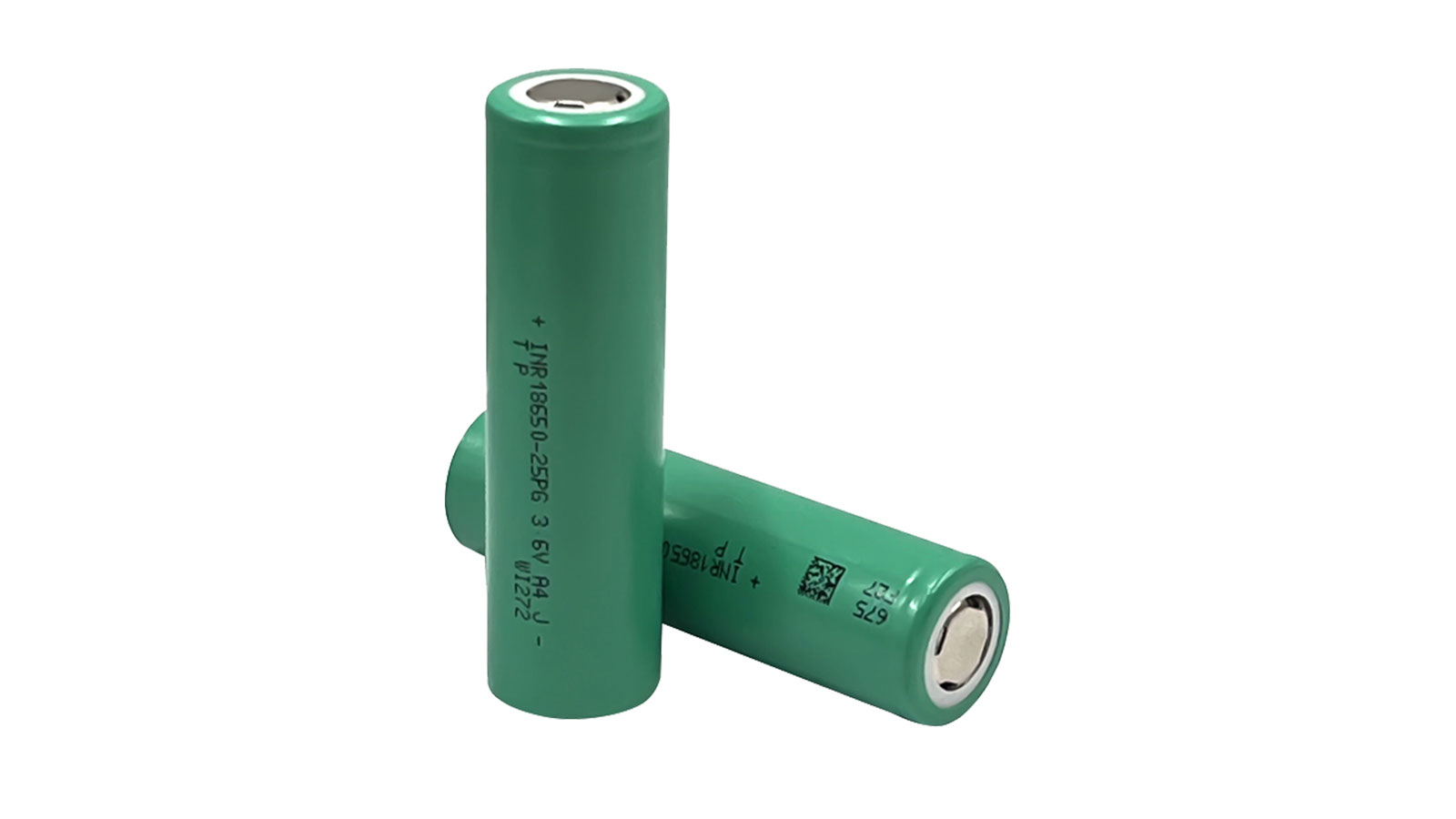
Ternary lithium battery, 3.7V, 2,600mAh
Company: Shenzhen Richlight Technology Co. Ltd
Shenzhen Richlight’s 18650-2500 ternary lithium battery has 2,600mAh capacity, 3.7V voltage, 3.5A maximum charge and discharge current, 0 to 55 C charge and -20 to 55 C discharge temperatures, and ≥800-cycle life span. This product meets UL, CE, CB, MSDS and UN 38.3 requirements.
MOQ: 500 units
Lead time: 3 days

Ternary lithium battery pack rated at 72V, 120Ah
Company: Shenzhen Youyuan Technology Co. Ltd
Rated at 72V, 120Ah, the HG-PB-72120 ternary lithium battery pack from Shenzhen Youyuan has 0 to 50 C charge and -20 to 55 C discharge temperatures. It is suitable for use in hybrid solar systems.
MOQ: Negotiable
Lead time: 10 days

