Download App
Better Online and Trade Show Sourcing Experiences.Scan the QR code to download.
Learn More
Hot Topics
The rich availability of raw materials and a skilled workforce are some of the factors that make India a key supplier of value-added leather goods.
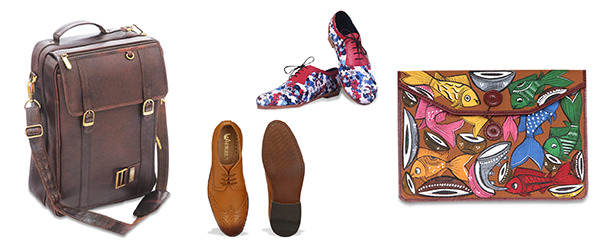
India's leather goods industry offers a diverse selection of footwear, bags and other fashion accessories (Left to right: bag from JL Collections Private Ltd; shoes from Hirel Exports and Leder Handcrafted; and clutch from Love Leather)
From being a mere source of raw materials, India's leather goods industry has transformed itself to become a major exporter of value added products. Buyers looking for volume and quality leather goods will find a wide selection of garments, footwear and fashion accessories in the country.
India exported about $4.08 billion worth of leather footwear, garments and other goods during the financial year ended March 2018, based on data extracted from the website of the Directorate General of Commercial Intelligence and Statistics. More than 50 percent of the value came from footwear, 13 percent from garments and 33 percent from other leather goods.
The value of exports during the 2017-2018 financial year represents an increase of more than 2 percent year over year, a significant achievement given the challenges that beset the industry. Besides continued restrictions on cattle slaughter, the country's leather sector faced having to pay higher taxes due to the Goods and Services Tax (GST) implemented in July 2017.
Competitive advantages
One of the main factors keeping the sector as a major supplier of value-added leather products is the rich availability of raw materials. The country is home to about 20 percent of the world’s cattle and buffalo population, and 11 percent of goats and sheep, according to the website of the Council for Leather Exports.
The industry also benefits from having access to skilled labor. In addition to having artisans who are well-versed in traditional techniques, the country's workforce includes people with technical training in design, management and other skills related to the production and sale of leather.
India's government also has several initiatives in place to support the leather industry and related sectors. In December 2017, it approved a special package worth more than $380 million (2600 crore rupees) to generate employment in the leather and footwear sector. The package involves implementation of the scheme "Indian Footwear, Leather & Accessories Development Programme" over three financial years, from 2017-2018 to 2019-2020.
This article and its contents are provided by the Hinrich Foundation, a partner of Global Sources in promoting trade across Asia. The products and the suppliers featured in this article are export assistance program beneficiariesof the Hinrich Foundation.
More Sourcing News
Read Also

关注 “环球资源外贸” 官方微信,获取实时外贸资讯
iOS & Android
iOS & Android(Mainland China)
Copyright © 2026 Publishers Representatives Limited. All rights reserved.




