




Industrial chemicals encompass an array of substances, including everything from simple acids and bases to complex polymers and resins, used in the sectors for manufacturing, agriculture, pharmaceuticals and construction. Their correct application can lead to increased productivity, reduced costs and enhanced product quality.
To make informed choices, buyers must understand the different types of chemicals available, their applications and the regulations governing their use, packaging and transport. This guide aims to help businesses make educated purchasing decisions that align with their operational goals and compliance requirements.
Types of industrial chemicals
Industrial chemicals are broadly categorized into three primary types: organic, inorganic and synthetic.
Derived primarily from carbon-based compounds, organic chemicals are integral to the production of plastics, pharmaceuticals and dyes. Their versatility and ability to form complex structures make them invaluable in numerous industries.
Inorganic chemicals, usually mineral-based, include acids, salts and metals. These substances are crucial in manufacturing, mining and construction, providing essential raw materials and catalysts for various processes.
Synthetic chemicals are man-made and designed to mimic natural compounds or create entirely new substances. These are commonly used in textiles, adhesives and coatings, offering enhanced properties such as increased durability and resistance.
Organic chemicals
Organic chemicals are characterized by their carbon-based structures and include alcohols, acids and polymers. Their ability to form stable bonds with other elements makes them versatile and essential for creating complex products.
The use of organic chemicals is prevalent in industries such as pharmaceuticals, where they are used to develop active ingredients and excipients. In agriculture, organic compounds like pesticides and fertilizers enhance crop yield and resilience. Moreover, the plastic and rubber industries rely heavily on organic polymers, which provide the flexibility and durability needed for a wide range of products.
Purchasing organic chemicals requires careful consideration of their composition and purity. Factors such as storage conditions and potential interactions with other materials must also be assessed to ensure safety and efficacy and maintain compliance with industry standards.
Inorganic chemicals
In contrast to their organic counterparts, inorganic chemicals consist of non-carbon elements, usually derived from mineral sources. These chemicals offer unique properties such as conductivity, magnetism and thermal stability. Common types include sulfuric acid, sodium chloride and calcium carbonate.
In manufacturing, inorganic chemicals are used to create building materials, such as cement and glass, which are essential for construction projects. They also play a critical role in the production of metals and alloys, serving as both raw materials and catalysts. Additionally, the water treatment and mining industries rely on inorganic compounds to purify resources and extract valuable minerals.
When purchasing inorganic chemicals, businesses must evaluate factors such as concentration, grade and environmental impact to enhance their production processes and minimize potential risks.
Synthetic chemicals
Synthetic chemicals are engineered to offer improved performance characteristics and are typically used to complement or replace natural substances. These man-made compounds are highly customizable, allowing industries to tailor them to specific applications and optimize their processes and product offerings.
In the textile industry, synthetic fibers like polyester and nylon provide durability and resistance to wear, making them ideal for clothing and upholstery. Adhesives and sealants in construction benefit from synthetic polymers that offer superior bonding and flexibility. Moreover, synthetic chemicals in automotive and aerospace industries improve fuel efficiency and reduce emissions through advanced materials and coatings.
When sourcing synthetic chemicals, businesses must consider their compatibility with existing materials and processes. Factors such as environmental impact, cost-effectiveness and regulatory compliance are crucial in evaluating their suitability.
Global standards for industrial chemical packaging
Industrial chemical packaging is governed by several international standards designed to ensure safety, proper handling and consistent communication of hazards during transport and storage. The key global standards include:
UN Globally Harmonized System of Classification and Labeling of Chemicals: The UN GHS provides a worldwide framework for standardizing chemical hazard communication. This system includes:
- Classification criteria for physical, health and environmental hazards
- Standardized labeling requirements with pictograms, signal words and hazard statements
- Safety Data Sheet (SDS) format with 16 standardized sections
- Guidelines for small and special packaging situations
UN Recommendations on Transport of Dangerous Goods: Also known as the “UN Model Regulations” or the “Orange Book,” these recommendations form the foundation for most international dangerous goods transport regulations. Key elements include:
- Classification system with nine hazard classes
- UN numbering system for identifying specific chemicals
- Performance-based packaging requirements with standardized testing protocols
- Marking and labeling specifications for transport
Packaging Performance Requirements: UN-certified packaging for dangerous goods must meet specific performance standards:
- Drop testing at various heights depending on packing group
- Stacking tests to ensure durability during transport and storage
- Pressure differential testing for packages containing liquids
- Vibration testing for intermediate bulk containers (IBCs)
- Chemical compatibility testing for plastic packaging
While the standards above are global, they are implemented through regional regulations:
- Europe: Classification, Labelling and Packaging (CLP) Regulation implements GHS
- US: Department of Transportation (DOT) regulations adopt UN packaging requirements
- Canada: Transportation of Dangerous Goods (TDG) Regulations
- Asia-Pacific: Various country-specific implementations of UN standards
ISO Standards: The International Organization for Standardization provides additional standards relevant to industrial chemical packaging:
- ISO 16104: Test methods for transport packaging of dangerous goods
- ISO 780: Packaging pictorial marking for handling of goods
- ISO 3864: Safety colors and safety signs
- ISO 9001: Quality management systems (applies to packaging manufacturers)
UN Packaging Identification: UN-certified packaging includes standardized markings that provide essential information about:
- Package type and material of construction
- Packing group/hazard level certification
- Maximum gross weight for solids or filling pressure for liquids
- Year of manufacture and country of certification
- Manufacturer identification
These global standards ensure packaging integrity, facilitate international trade and provide consistent hazard communication across borders, enhancing safety throughout the chemical supply chain.
Where to source industrial chemicals
Finding reliable sources for industrial chemicals is important for maintaining a steady supply chain and ensuring product integrity. Identifying reputable suppliers requires careful evaluation and strategic partnerships.
Direct manufacturers: Purchasing directly from manufacturers can offer advantages such as competitive pricing and direct access to technical support. However, it may require larger volume commitments.
Distributors and wholesalers: These intermediaries provide access to a wider range of chemicals and often offer more flexible purchasing options. They can also assist with logistics and storage solutions.
Online marketplaces: Digital platforms have emerged as convenient options for sourcing chemicals. They have extensive databases of suppliers and products, enabling businesses to compare options and make informed decisions.
By exploring various sourcing options, businesses can build a resilient supply chain that supports their operational needs. Establishing strong relationships with suppliers ensures reliability and quality.
Key considerations when importing industrial chemicals
When sourcing industrial chemicals overseas, organizations must navigate complex regulatory frameworks, documentation requirements and safety protocols. Below are the critical considerations for successful chemical imports:
Regulatory compliance
Chemical inventory verification: Determine if the chemical is listed on the relevant national inventory. It is TSCA Inventory in the US and REACH in EU.
Pre-import notifications: Submit required notifications before importing. In the US, that’s at least 90 days prior to shipment.
Use restrictions: Verify if there are any restrictions on the intended use of the chemical in the destination country.
Significant new use rules: Determine if the intended application of the chemical triggers additional regulatory requirements.
Documentation requirements
In addition to SDS, there are documents to secure, such as:
Import certifications: Prepare appropriate certification statements (positive or negative) as required by customs authorities.
Customs documentation: Compile necessary customs paperwork including Bill of Lading, Commercial Invoice, and Packing List.
Permits and licenses: Secure all required permits specific to chemical imports in the destination country.
Classification and identification
Proper chemical classification: Accurately identify and classify chemicals to determine applicable regulations and requirements.
Hazard assessment: Evaluate all potential hazards associated with the chemical substances being imported.
Special category verification: Determine if the chemical falls under special categories requiring additional oversight, such as those for pesticides, drugs and cosmetics.
Logistics and handling
Packaging compliance: Ensure packaging meets international standards and destination country requirements.
Labeling requirements: Comply with international labeling standards including hazard symbols and warning statements.
Transport regulations: Adhere to international dangerous goods transport regulations for hazardous chemicals.
Storage requirements: Plan for appropriate storage facilities that meet regulatory standards for specific chemicals.
Strategic considerations
Record keeping: Maintain comprehensive records of all import activities for at least the minimum required period, usually after 3 years.
Regulatory monitoring: Establish systems to stay updated with evolving chemical import regulations.
Relationship building: Develop relationships with regulatory authorities and customs brokers to facilitate compliance.
Compliance audits: Conduct regular internal compliance audits to identify and address potential issues.
Environmental and safety considerations
Environmental impact assessment: Evaluate the potential environmental impact of imported chemicals.
Disposal and recycling plans: Develop appropriate protocols for waste management and recycling.
Emergency response planning: Create comprehensive emergency response plans for chemical incidents.
Organizations that take a proactive approach to these considerations will minimize compliance risks, avoid costly delays and ensure the smooth importation of industrial chemicals across international borders.
Conclusion
By understanding the different types of chemicals and their applications, businesses can optimize their processes and drive innovation.Safety and compliance are critical components of chemical procurement. By prioritizing these aspects, companies can protect their workforce, maintain regulatory compliance and enhance their reputation. Strategic sourcing and supplier evaluation further ensure that businesses have access to reliable and high-quality chemicals.
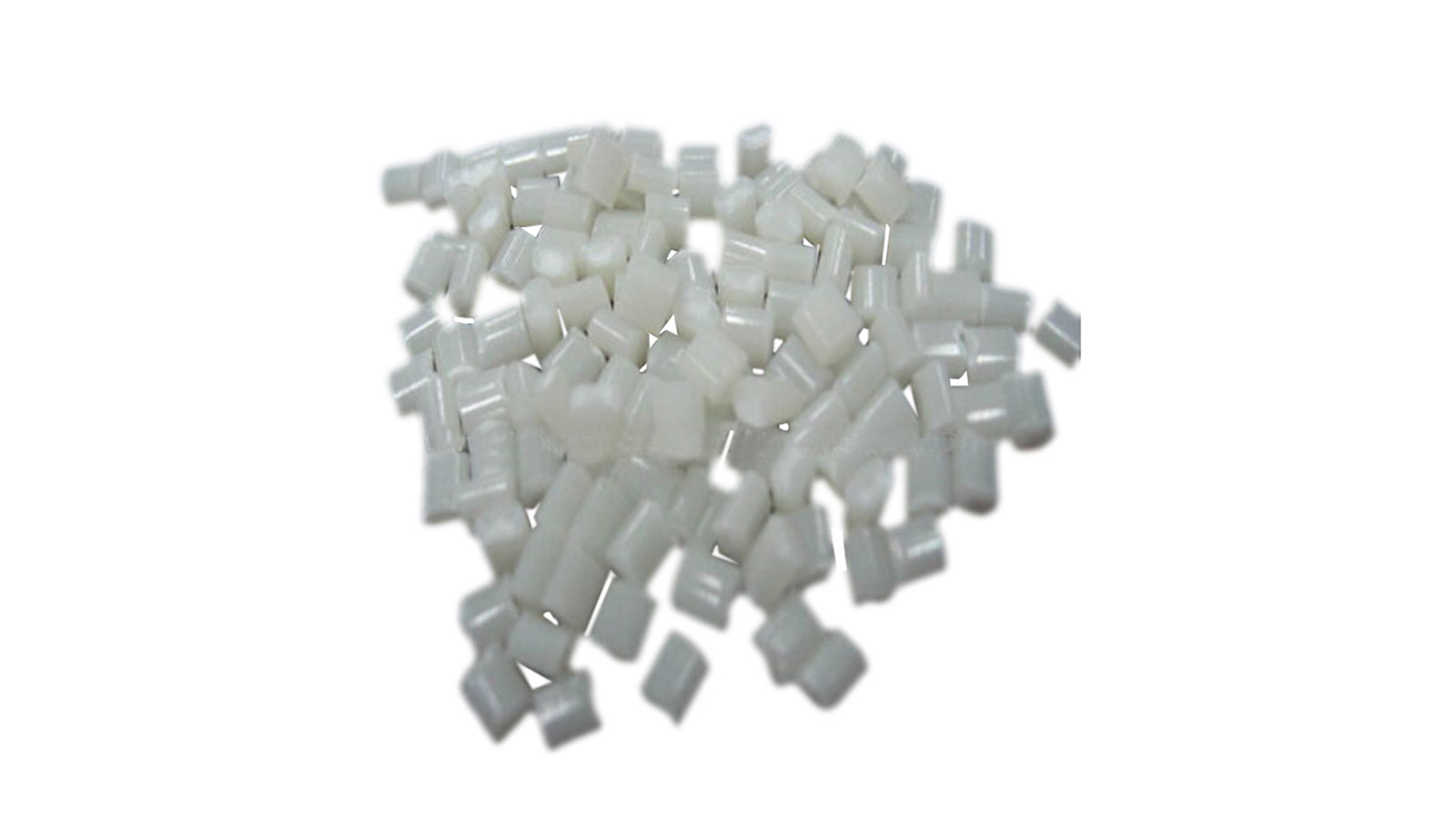
Recycled PP particles
Company: Changzhou YiYi International Trading Co. Ltd
The Y254 from Changzhou YiYi consists of blow molding-grade recycled PP particles or granules for producing automotive parts and housewares as well as stretch tapes with a low water carry-over feature. Available are 0.94, 0.925 and 0.93g/cubic cm granules with respective MFRs of 20, 40 and 14.3g/10 minutes and at-yield tensile strength levels of 23.5,27.5 and 24.5MPa. This product meets GRS requirements.
MOQ: 1 metric ton
Lead time: 1 to 7 days
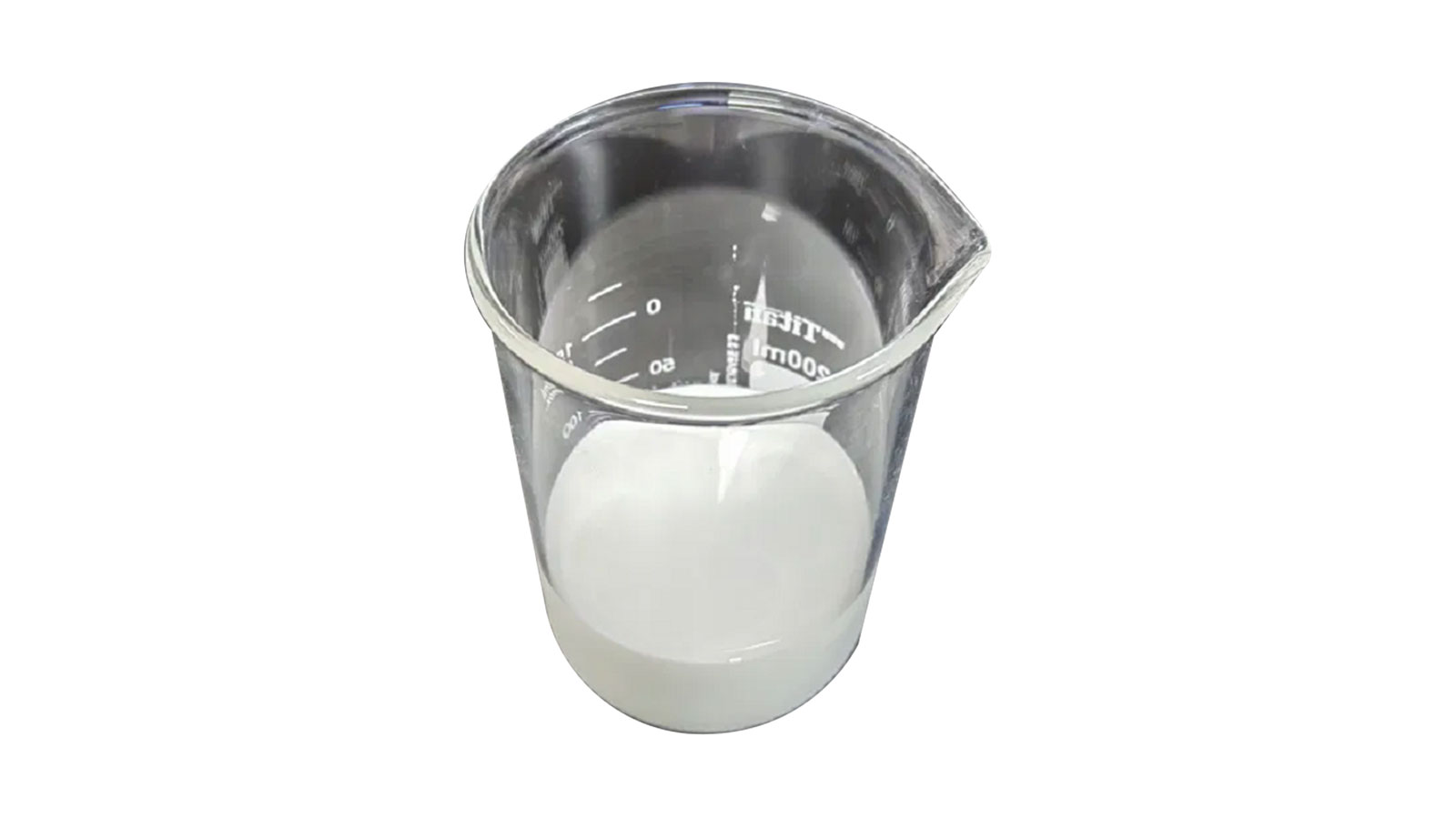
Polyethylene-polypropylene glycol
Company: Hebei Feisite Technology Co. Ltd
The High Resilience Polyether-1156 from Hebei Feisite is a polyethylene-polypropylene glycol available in liquid and powder forms. Its CAS number is 9003-11-6, molecular formula C5H10O2, molecular weight 102.1317 and EINECS 618-355-0. This chemical’s melting point is 57 to 61 C, boiling point lit. >200 C, density 1.095g/mL at 25 C, vapor density vs air >1, vapor pressure <0.3mmHg at 20 C, refractive index n20/D 1.466, freezing point >230 F or 110 C and storage temperature 2 to 8 C.
MOQ: 1kg
Lead time: 5 to 15 days
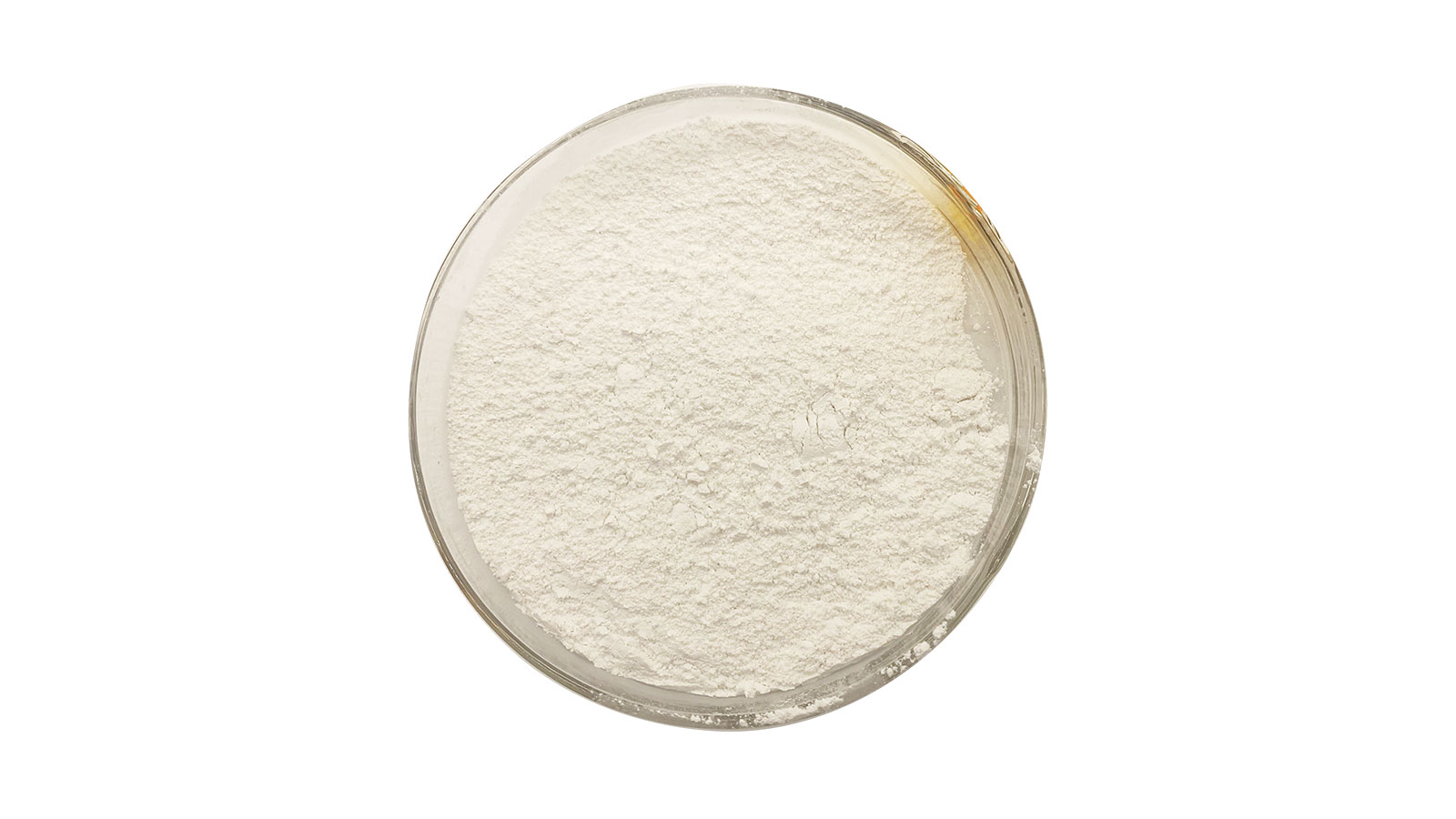
Sodium carboxymethyl cellulose
Company: Hebei Youlilai New Material Technology Co. Ltd
Hebei Youlilai offers this sodium carboxymethyl cellulose, with model number 9007-20-9-7878. This cosmetics raw material in powder form, with 9007-20-9 CAS number and 202-415-4 EINECS, has a boiling point of 141 C at 760mmHg, flash point of 61.6 C, density of 1.063g/cubic cm, surface tension of 32.8dyne/cm, enthalpy of vaporization of 41.72kJ/mol and vapor pressure of 3.42mmHg at 25 C.
MOQ: 1kg
Lead time: 3 to 7 days
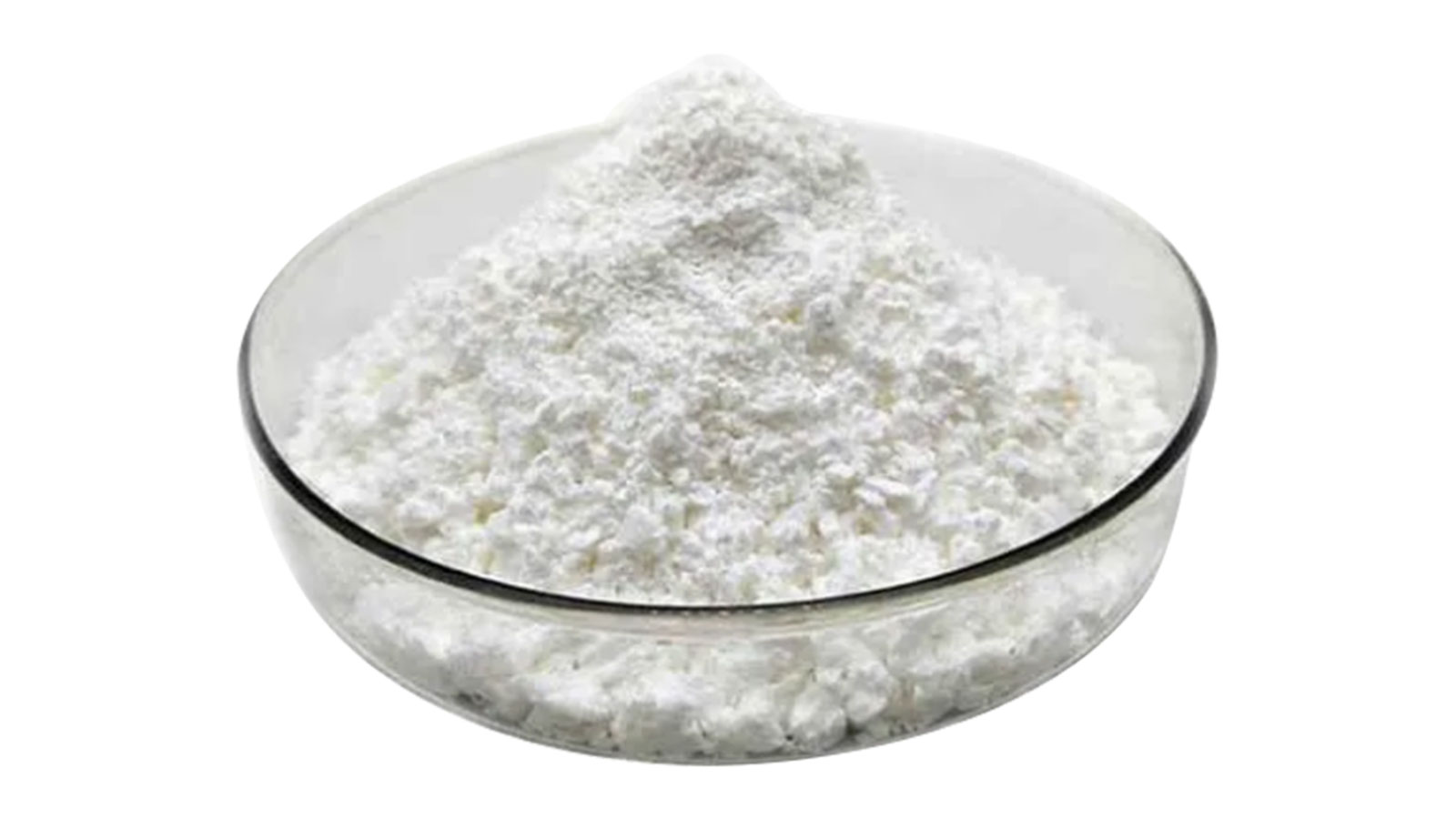
Food-grade manganese sulfate
Company: Shandong Huashang Chemical Co. Ltd
This food-grade manganese sulfate from Shandong Huashang, model HS-9556, is for element fertilizers, pesticides, ceramics, paints, textile dyes, medicines and food nutrients. It has 7785-87-7 CAS number and 232-089-9 EINECS. In white or pink crystalline powder form, this product has 90 to 99 percent purity and 3.25 density.
MOQ: 1kg
Lead time: 7 to 14 days
Aniline oil
Company: Shanxi Yujia Technology Co. Ltd
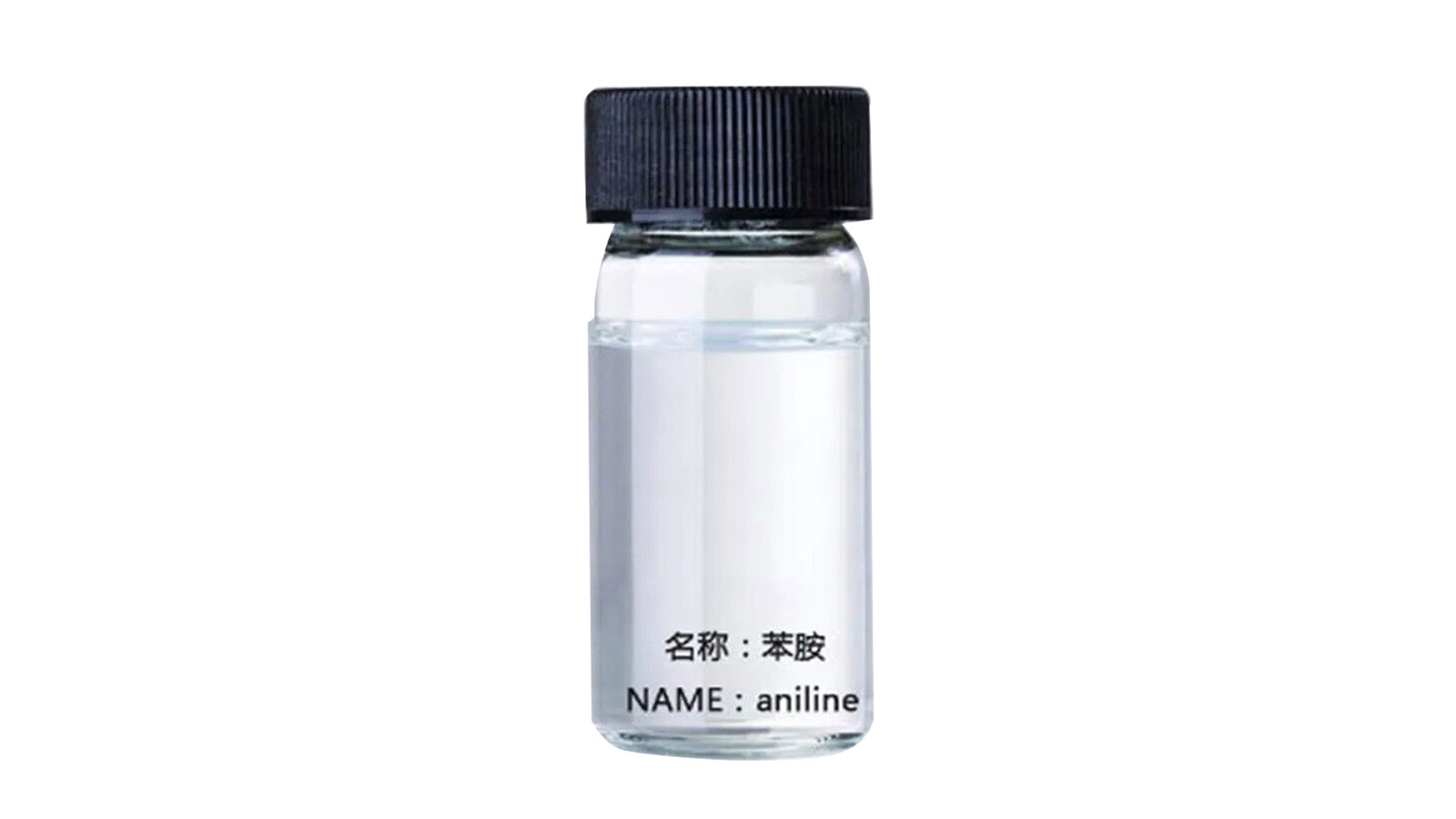
Shanxi Yujia markets the YJAO001-4766, an aniline oil with CAS number 62-53-3. This chemical is used in dyestuff, PU, rubber accelerator and pharmaceutical production.
MOQ: 15 metric tons
Lead time: 15 to 20 days
Titanium dioxide
Company: Yiwu Qingtai Co.
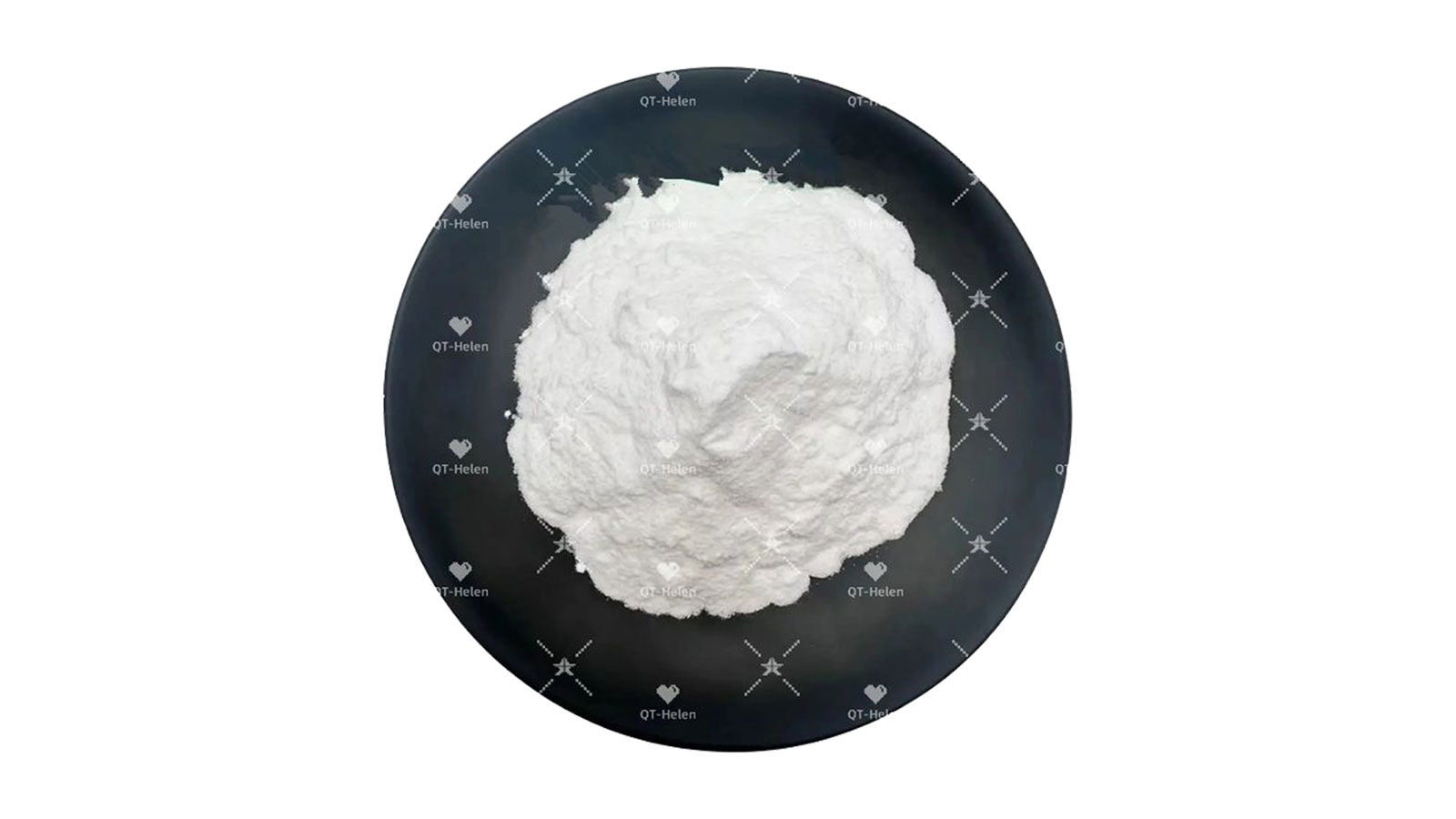
Yiwu Qingtai markets the Titanium Dioxide-0497, which is used as a pigment in paints, coatings, plastics and paper and is generally considered safe in food and skin products such as sunscreens and other cosmetic products. Its molecular weight is 79.87g/mol, density 4.23g/cubic cm, melting point 1,843 C, boiling point 2,972 C and refractive index 2.49.
MOQ: 1 metric ton
Lead time: 7 to 15 days

