




In this era of automation, sensors play a significant role, enabling automatic and remote measurement and monitoring of various physical and environmental conditions. In industry, they ensure that temperature, pressure, motion, proximity, flow, level and position settings are maintained for more efficient, reliable and safe processes. Data gathered by these industrial sensors also help in managing equipment health for predictive maintenance and cost savings.
China is the world’s largest market for industrial robots, according to the International Federation of Robotics (IFR). In a September 2024 report, IFR said that there were 1.76 million industrial robots in the country’s factories, mainly in the electronics, automotive and metal and machinery industries. However, China remains dependent on foreign technologies, being the largest importer rather than manufacturer of industrial robots.
This is reflected in the upstream segment, in particular, industrial sensors, with Chinese makers still lagging behind their counterparts overseas in terms of technology and technique. Most are engaged in the production of entry-level versions of these components or midrange types at best.
In fact, based on China’s exports of industrial sensors, the top three players are Japanese companies Omron Corp., Keyence and Omron Asia-Pacific Pte, according to Stellar Market Research. The others are Panasonic, and German suppliers SICK AG and Pepperl+Fuchs. Of the top 20 suppliers in this category in China in 2024, only six are homegrown enterprises and they include ELCO, Sodron and Akusense.
Going midrange, high-end
The push for smart manufacturing domestically and abroad has raised the requirement for accuracy and reliability in industrial sensors. To keep up with this trend, Chinese companies are focusing R&D initiatives on midlevel and high-end units.
One breakthrough achieved is from Songnuo Meng, which developed nanofilm pressure sensors with high sensitivity, reliability and temperature features as well as enhanced corrosion and radiation resistance. They were achieved using nanofilm deposition and precision etching techniques. These components have wide applications in the petrochemical, semiconductor, biomedicine, new energy and industrial automation fields.
“Chinese industrial sensor manufacturers are prioritizing innovation and technological progress to remain competitive in the quickly changing China industrial sensors market,” Stellar reported. “A main priority is the advancement of smart sensors that have wireless connections, built-in microcontrollers and the ability to process data in real time.”
One such venture is from Hunan Leader, which is looking forward to the completion of the construction of its $41.66 million R&D and production center for smart sensors in Changsha. When fully operational, the facility will help the company realize a total production value of $138 million.
Smart sensors, which span applications in industrial automation, smart homes and cities, and the Internet of Vehicles, are a hot trend poised for more growth. Their global market posted a CAGR of 10.01 percent between 2019 and 2023, according to AskCI, and reached $52.04 billion in 2024. The same source said that 2025 and 2026 would continue to see a two-digit expansion.
Sensors market
High demand for sensors continues to broaden their already multibillion-dollar market. In 2023 and 2024, the global value respectively reached $225.91 billion and $241.06 billion, based on data from Fortune Business Insights. This is forecast to rise further to $457.26 billion in 2032 at 8.3 percent CAGR. The key growth drivers are the automotive, industrial automation, consumer electronics, medical equipment, communications and security sectors.
In China, the sensor market registered a total of $50.61 billion in 2023 and is expected to expand to $77.04 billion in 2026, according to CCID Consulting. Such growth will attract further investment in R&D and production.
China sensor manufacturing
About 50,000 companies make up China’s production pool for sensors based on Stellar’s count.
The leaders are foreign suppliers, including Emerson, Siemens, Bosch and Honeywell. In 2023, they accounted for 60 percent of the domestic market and lorded over the high-end segment with an 80 percent share, according to Chinese portal Sensor Expert Network.
Most Chinese and foreign makers are in coastal cities, specifically in Suzhou, Shanghai, Changzhou, Ningbo, Hangzhou, Shenzhen and Dongguan, while there are also those based inland in Xi’an and Chengdu.
Homegrown suppliers send only 10 to 30 percent of their industrial sensors abroad, mainly to Europe, North America and the Asia-Pacific region.
China-made industrial sensors
Commonly available from Chinese suppliers are pressure, flow, liquid level, temperature, photoelectric, proximity and image sensors.
Most companies ensure their products are compliant with industry safety standards such as UL, CE, TÜV and RoHS, with some also conforming to specific requirements like the ATEX directive.
Suppliers usually source ICs from foreign companies, including Renesas, Infineon and STMicroelectronics. The rest of the manufacturing inputs, such as passive components, PCBs, connectors and cases, come from domestic or overseas providers, depending on buyers’ preferences.
Makers interviewed for this report are confident that there will be no significant fluctuations in component costs that can impact prices of industrial sensors until the end of 2025.
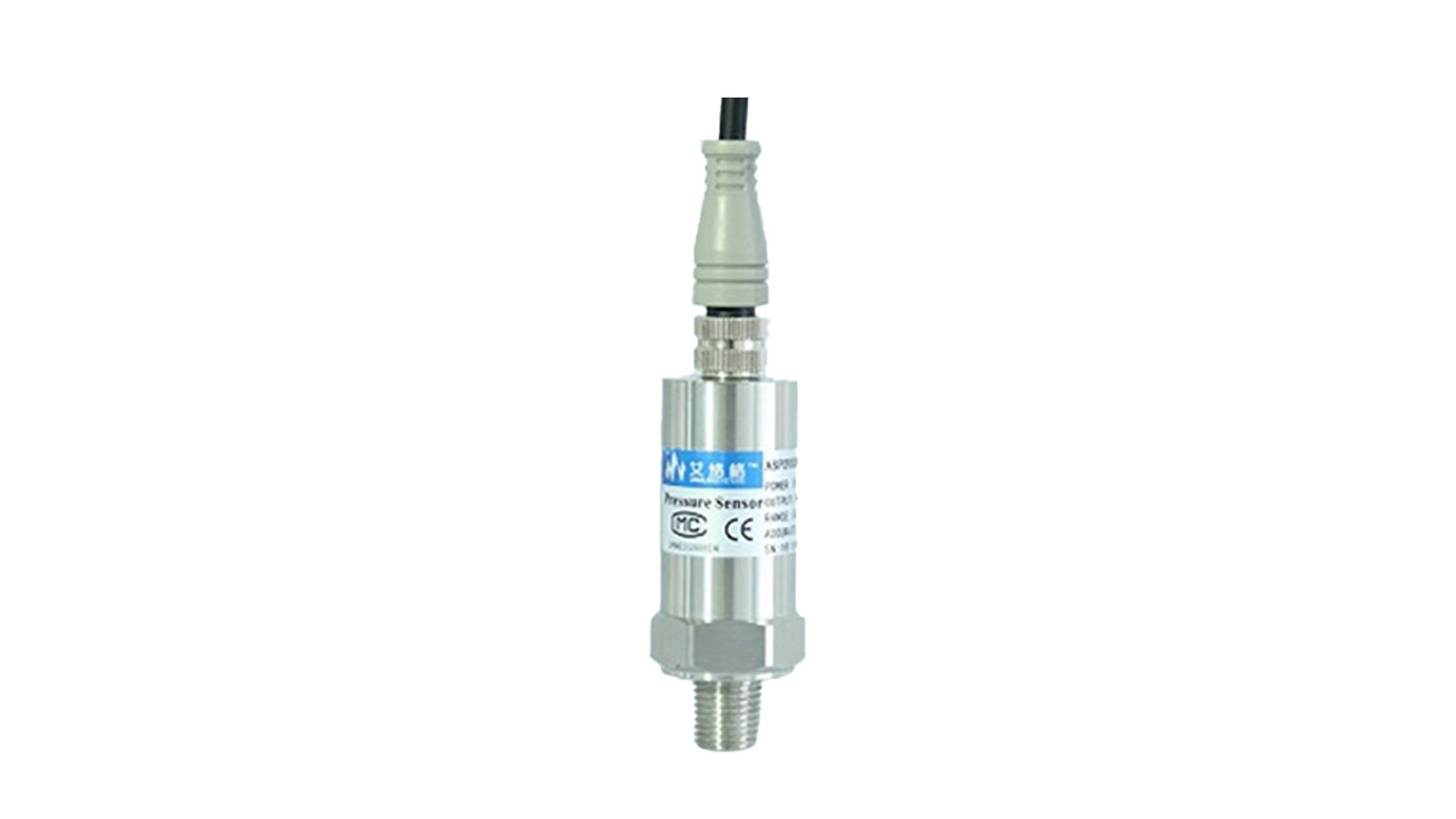
Pressure sensor
Company: Analog Systems (SH) Co. Ltd
Analog Systems offers the ASP2002BI-S0A3DE, a pressure sensor with 0 to 100kPa or up to 70mPa measuring range, 150 percent overload and 300 percent burst pressure at full scale, 0.1 percent accuracy, ≤10msec response time and -20 to 80 C operating temperature. The operating voltage range is 9 to 30VDC and the output voltage options are 0 to 5V, 0.5 to 4.5V or 1 to 5V at 4 to 20mA current. This unit has two- and three-wire versions, with the former having HART protocol.
MOQ: Negotiable
Lead time: 15 days
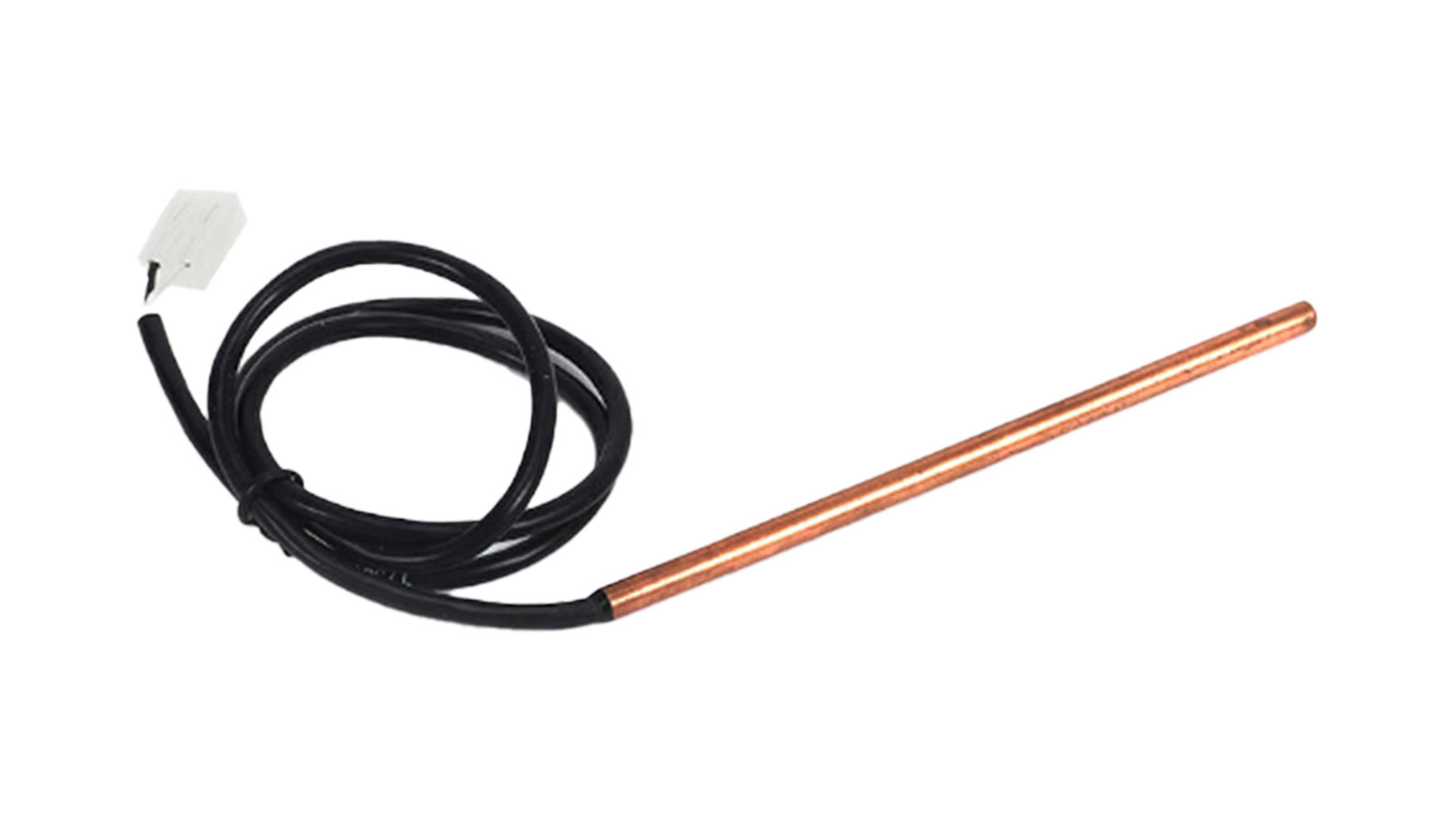
Temperature sensor
Company: Dongguan Evergreen Technology Co. Ltd
The EG-N021-01 from Dongguan Evergreen is a temperature sensor with -20 to 100 C temperature range, ±1 percent tolerance and ≤10sec response time in liquids. It has an insulation resistance exceeding 100Mohms at 500VDC. This sensor can withstand 1.5kVAC voltage at 0.3mA, 3sec.
MOQ: 5 units
Lead time: 7 days
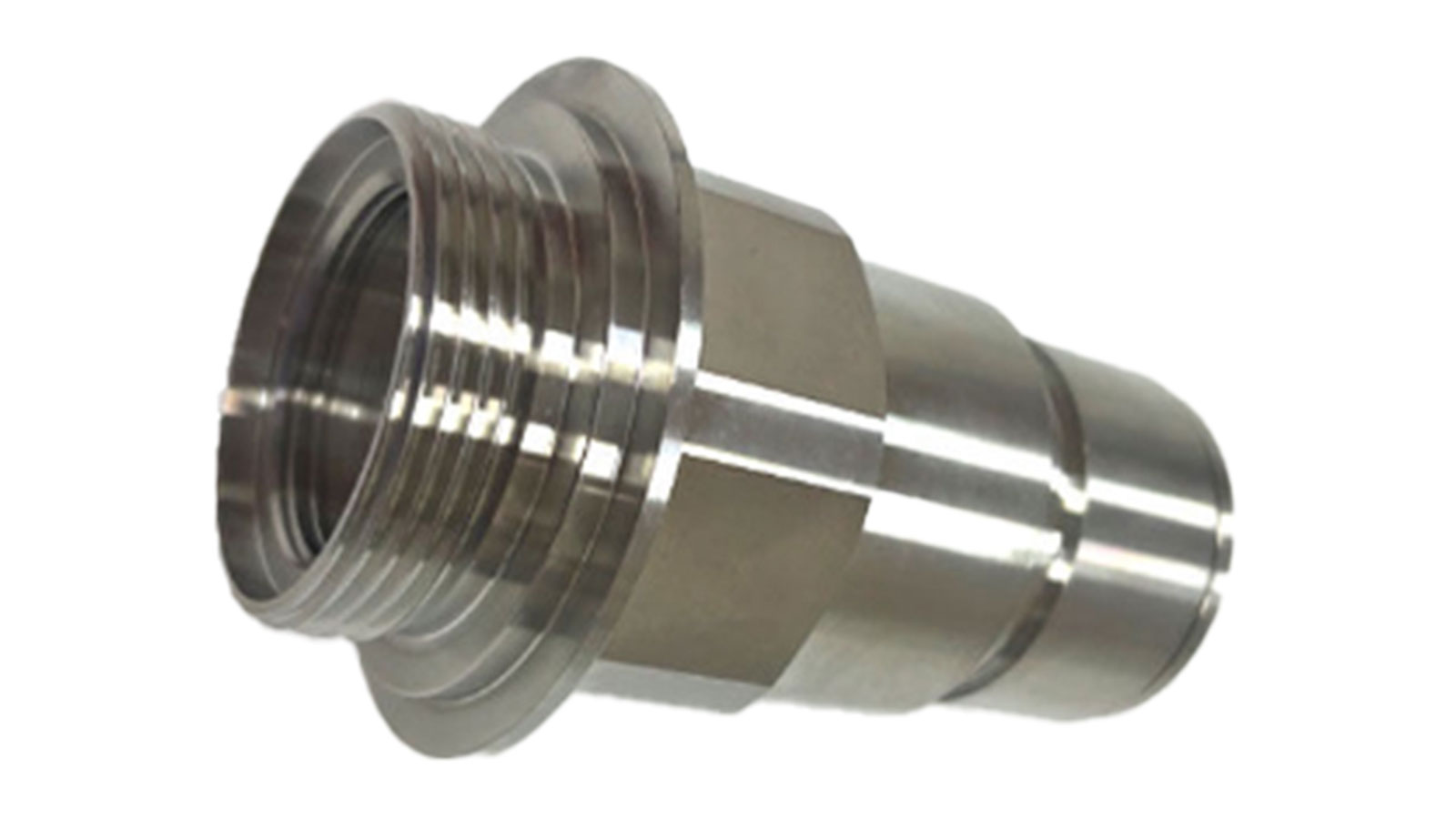
Level sensor
Company: Shaanxi Nuoying Automation Instruments Co. Ltd
Suitable for applications with up to 0.3 MPa process pressure, Shaanxi Nuoying’s IP67-rated level sensor with a corrosion-resistant PTFE probe supports a maximum measuring range of 493ft or 150 meters. The NYRD-9001-4951 requires 24VDC or 220VAC supply voltage and has 4 to 20mA output signal. It is designed for -40 to 200 C process temperature and has ±2mm accuracy.
MOQ: 1 unit
Lead time: 5 days
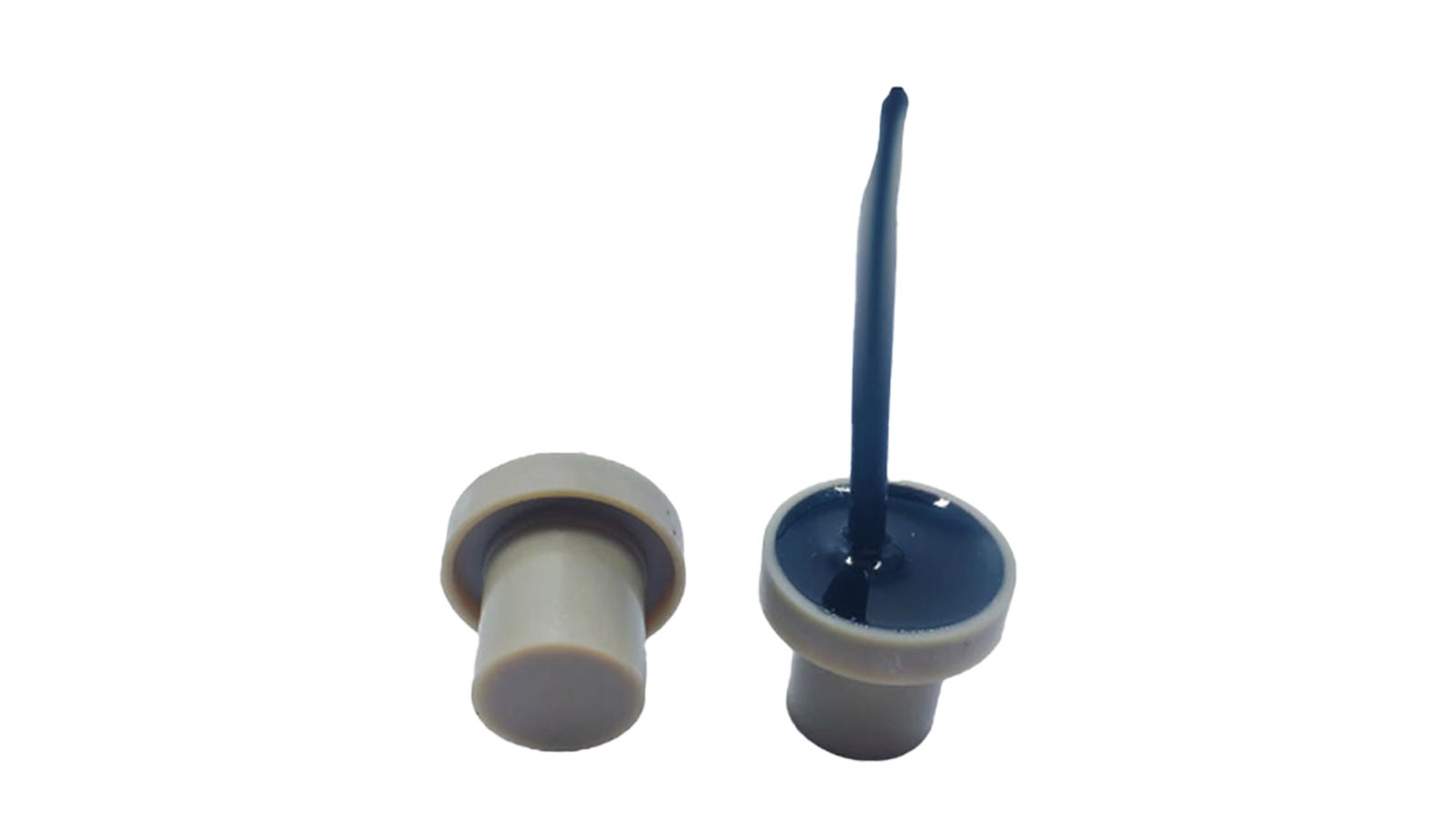
Flow sensor
Company: Strong Electronics & Technology Ltd
Strong Electronics’ flow sensor, the STPSC1.0M019168H2AD2-B0, has 1±0.1MHz nominal frequency, 150 to 400ohm resonant impedance and 1,200pF±20 percent static capacitance.
MOQ: 500 units
Lead time: 12 days

