




In 2026, large-screen smart TVs are evolving from premium entertainment hubs into central display platforms for both connected homes and hybrid workplaces. Screen sizes of 65 inches and above are no longer considered niche; instead, 75, 85 and 98-inch models are moving steadily into the mainstream, while 100-inch and larger displays find growing adoption in home cinemas, conference rooms and digital signage. Building on the advances highlighted in 2025, this new generation of TVs emphasizes not just higher resolutions and better contrast, but smarter integration with cloud services, gaming ecosystems and whole-home control systems.
Smart functionality continues to deepen in 2026 as operating systems like Google TV, Android TV, Tizen, webOS and proprietary platforms become more unified command centers rather than simple app launchers. Manufacturers are refining AI-powered processing to deliver more accurate upscaling, personalized content recommendations and adaptive picture and sound profiles that respond to ambient light and room acoustics in real time. At the same time, there is stronger emphasis on interoperability, with large-screen smart TVs expected to communicate seamlessly with smart speakers, security devices, lighting systems and even PCs for collaboration and remote work.
On the hardware front, panel technologies such as LED, QLED and OLED remain dominant, but are being pushed to new levels of brightness, efficiency and color performance to suit larger diagonals and more demanding viewing environments. Micro-LED, while still priced for the high end, continues to signal the long-term direction of truly modular, ultra-large displays that combine the benefits of self-emissive pixels with long-term durability. Parallel developments in HDR formats, gaming-focused features like high refresh rates and low latency modes, and enhanced audio technologies such as Dolby Atmos are turning these screens into versatile platforms that can handle cinema-grade viewing, competitive gaming and professional presentations with equal ease.
For buyers, distributors and integrators, 2026 is a year of refining choices rather than reinventing them. The core themes of size expansion, panel differentiation and smart integration established in 2025 remain essential, but they are now accompanied by more nuanced considerations such as energy efficiency, long-term software support and tailored user interfaces for both residential and commercial use. Against this backdrop, the detailed 2025 overview that follows—covering size trends, panel types, smart features and key technologies—provides a valuable foundation for understanding how large-screen smart TVs have reached their current level of sophistication and where the market is headed next.
-----------------------
Large-screen smart TVs have become increasingly essential in both consumer and professional setups, redefining the home entertainment landscape. These typically boast sizes starting from 65 inches and can extend beyond 100 inches, delivering an immersive visual experience unparalleled by smaller screens.
The term "smart" signifies the integration of internet capabilities and interactive web features, including access to streaming services and smart home devices, made possible by robust operating systems like Google TV, Android TV and proprietary systems like Tizen by Samsung, WebOS by LG and SmartCast OS used in Vizio smart TVs.
Differentiation from other TVs
The distinction between large-screen smart TVs and other variants lies not only in size but also in functionality and the advanced technology they represent. While standard large-screen units focus primarily on delivering high-quality visuals, smart versions add layers of convenience such as app integration, voice commands and AI-enhanced features:
Smart capabilities: Integrated access to various online streaming services, smart home ecosystems and app stores, providing users with a platform to do much more than just watch television.
Advanced AI features: Leveraging AI for image and sound enhancement, user interface simplification and even content recommendation.
Superior display technologies: Implementation of innovative technologies like OLED, QLED and Micro-LED for better color accuracy, contrast and brightness.
Top trends in large-screen smart TVs
Current models available in the market can be differentiated in terms of size, panel type, smart functionalities and other key features:
Size
The evolution in TV sizes has been substantial, with the market now seeing a surge in demand for 75-inch and larger displays. In 2025, while the entry level for large-screen TVs is 65 inches, 75, 85 and even 100-plus inches are becoming popular. At CES 2025 last January, Hisense debuted a
116-inch model – the TriChoma116UX – which is currently the largest unit available in the market.
These larger screens are not just about screen real estate but also about creating a more engaging, cinema-like viewing experience. This is achieved through:
Higher resolution: Larger screens pair well with 4K Ultra HD resolution or higher to prevent pixelation and deliver clear, sharp images even at close viewing distances.
Enhanced immersion: Bigger displays provide a more immersive viewing experience by filling up more of the viewer’s field of vision.
Type of panel
Three primary panel technologies dominate the large-screen TV market. These are LED, QLED and OLED:
LED: Small, efficient light sources (LEDs) are used to illuminate the display. These LEDs offer brightness levels ranging from 300 to 800cd/sqm, good color accuracy and energy efficiency, making them a popular and cost-effective choice.
OLED: Thanks to self-emissive pixels that can individually turn on and off, this panel technology delivers better contrast and black level for infinite contrast ratios. It offers brightness levels of 800 to 1,000cd/sqm. This results in superior picture quality with vibrant colors and high contrast,
making it ideal for a diverse range of content from cinema to gaming.
QLED: Quantum-dot LED panels, enhanced by a layer of quantum dots or microscopic molecules that can emit colored light, offer better brightness levels between 1,000 and 2,000cd/sqm and improved color accuracy compared to standard LED and OLED panels. They are especially advantageous in well-lit rooms where higher brightness is crucial to combat ambient light. In contrast to OLED, which is a different technology, CNET describes a QLED TV as “just an LCD TV with quantum dots.”
There is a fourth panel type, Micro-LED, that while already available in units for sale, is still quite out of reach for the majority of consumers, given tag prices that range from $220,000 to more than $1 million for the largest sizes, according to reports by PC Mag and CNET.
Micro-LED technology represents a significant leap, combining the self-emissive properties of OLED with increased brightness and durability. Micro-LEDs are modular and can theoretically be assembled into enormous screens without suffering from the limitations of burn-in or reduced brightness over time that plague OLED and QLED panels.
Micro-LED TVs, though less common and more expensive, offer superior brightness control and infinite contrast without backlighting or color filters, making them a promising technology for the future.
Smart features
Smart features differentiate today's televisions from those of the past. Several trends within this segment stand out:
AI-enhanced imaging and sound: Modern AI processors, such as Samsung’s Crystal Processor 4K and Sony’s Cognitive Processor XR, adjust the
picture and sound settings dynamically to improve user experience. AI also aids in upscaling lower-resolution content to near-4K quality.
Interactive voice control: Integration with voice assistants like Amazon Alexa, Google Assistant and proprietary systems, such as Samsung's Bixby, allows users to control their TV and other smart home devices seamlessly.
Smart home integration: Large-screen smart TVs now connect effortlessly with smart home ecosystems, functioning as a central hub for managing various smart appliances and security systems.
Content recommendation engines: Advanced algorithms analyze viewing habits to provide personalized content recommendations, enhancing user
engagement by making it easier to find desirable shows and movies.
Other important technologies and features
Beyond panel types and smart integrations, several other technologies are also transforming large-screen smart TVs. These tech advancements are:
High Dynamic Range (HDR): TVs with HDR capability can provide up to 4,000cd/sqm brightness and support wider color gamuts that can increase the color range by some 30 percent compared with SDR units. HDR formats like HDR10+ and Dolby Vision provide better color and contrast, thereby enhancing the visual experience. Dolby Vision IQ adapts HDR content to the lighting conditions of the viewing environment, ensuring optimal picture quality at all times. The benefit of HDR can only be enjoyed, however, if the content to be viewed is HDR-compatible as well.
Dolby Atmos: Increasingly a feature of midrange to high-end large-screen TVs, Dolby Atmos technology creates a surround sound experience that places sounds in a three-dimensional space. This makes for immersive and more realistic sound. Manufacturers typically combine this technology with HDR support for engaging audiovisual experiences.
High refresh rates: Refresh rates of 120Hz and above offer smoother motion handling, beneficial for action-packed films, fast-paced sports and responsive gaming.
Gaming features: Features tailored for gamers include variable refresh rates (VRR), low latency modes and support for HDMI 2.1, which allows for 4K gaming at high frame rates. Some TVs, such as LG’s 98-inch QNED AI QNED89 4K model, come with dedicated gaming optimizer modes that support seamless integration with current-generation consoles.
Customization and user experience: Brands are focusing on providing a more personalized user experience. For instance, LG’s webOS and Samsung’s Tizen OS smart TVs offer intuitive user interfaces designed for ease of navigation, content discovery and multitasking.
Conclusion
Large-screen smart TVs represent a fusion of advanced display technology, smart features and user-centric innovations that cater to both entertainment and productivity needs. The integration of AI, enhanced panel technologies and expanded smart functionalities make these TVs valuable in any viewing setup. With leading brands pushing the boundaries of what is possible, the trend for larger, smarter and more feature-rich TVs looks set to continue its upward trajectory in the years ahead.
Below is a gallery of large-screen TVs representing the range of products on offer from suppliers in China.
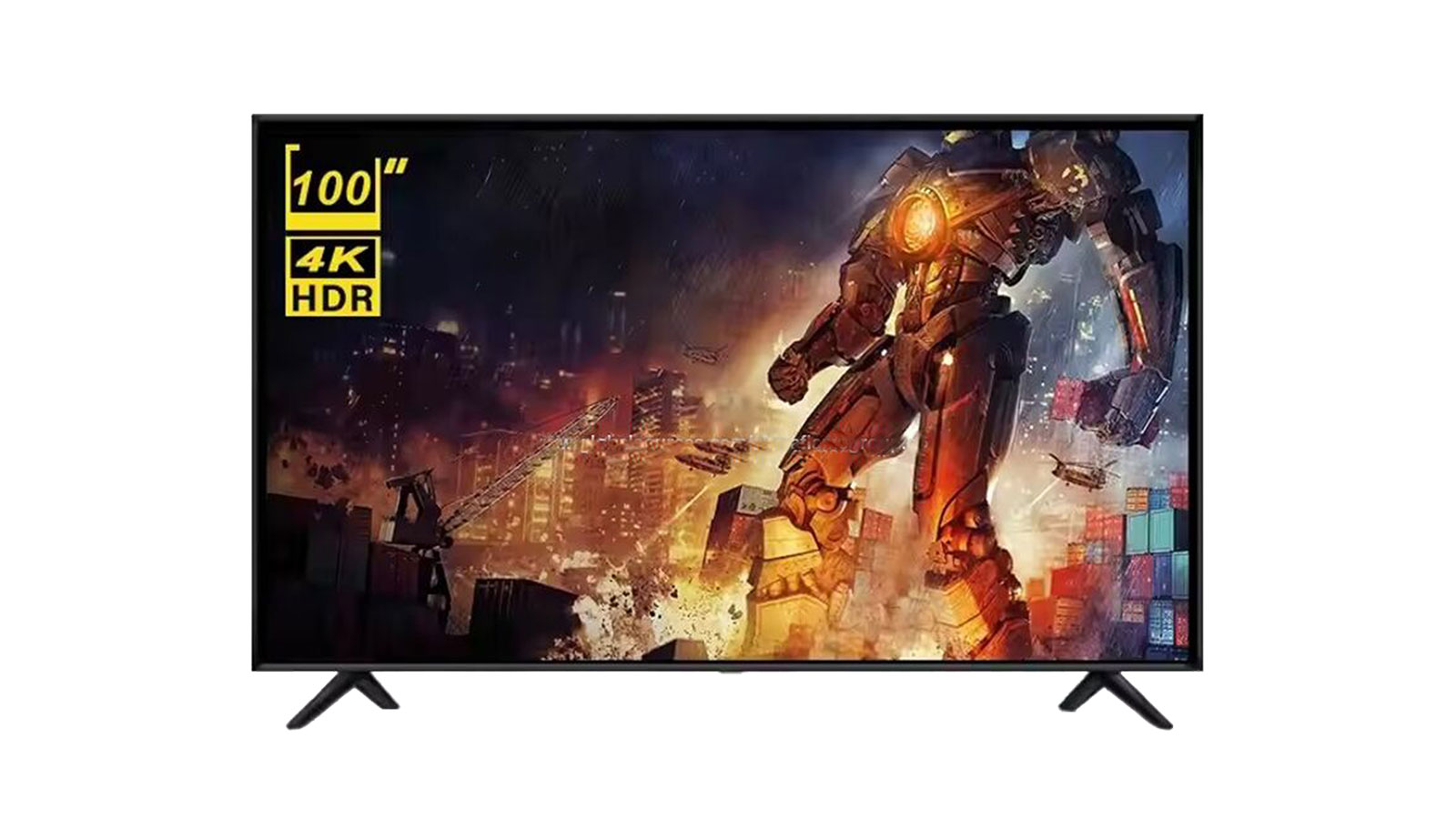
100-inch 4K LED TV
Company: China Flame Group Ltd
Model Classic 100inch TV from China Flame is a 100-inch LED TV that supports both 4K (3840x2160 pixels) and FHD (1920x1080 pixels) resolutions and 50/60Hz refresh rate. It uses an A+ grade LCD panel. This unit, with a wide-screen mode, is compatible with multiple digital TV standards such as ISDB-T2/S2, ATSC, DVB-T and more. It has built-in Wi-Fi connectivity.
MOQ: 200 units
Lead time: 10 to 15 days
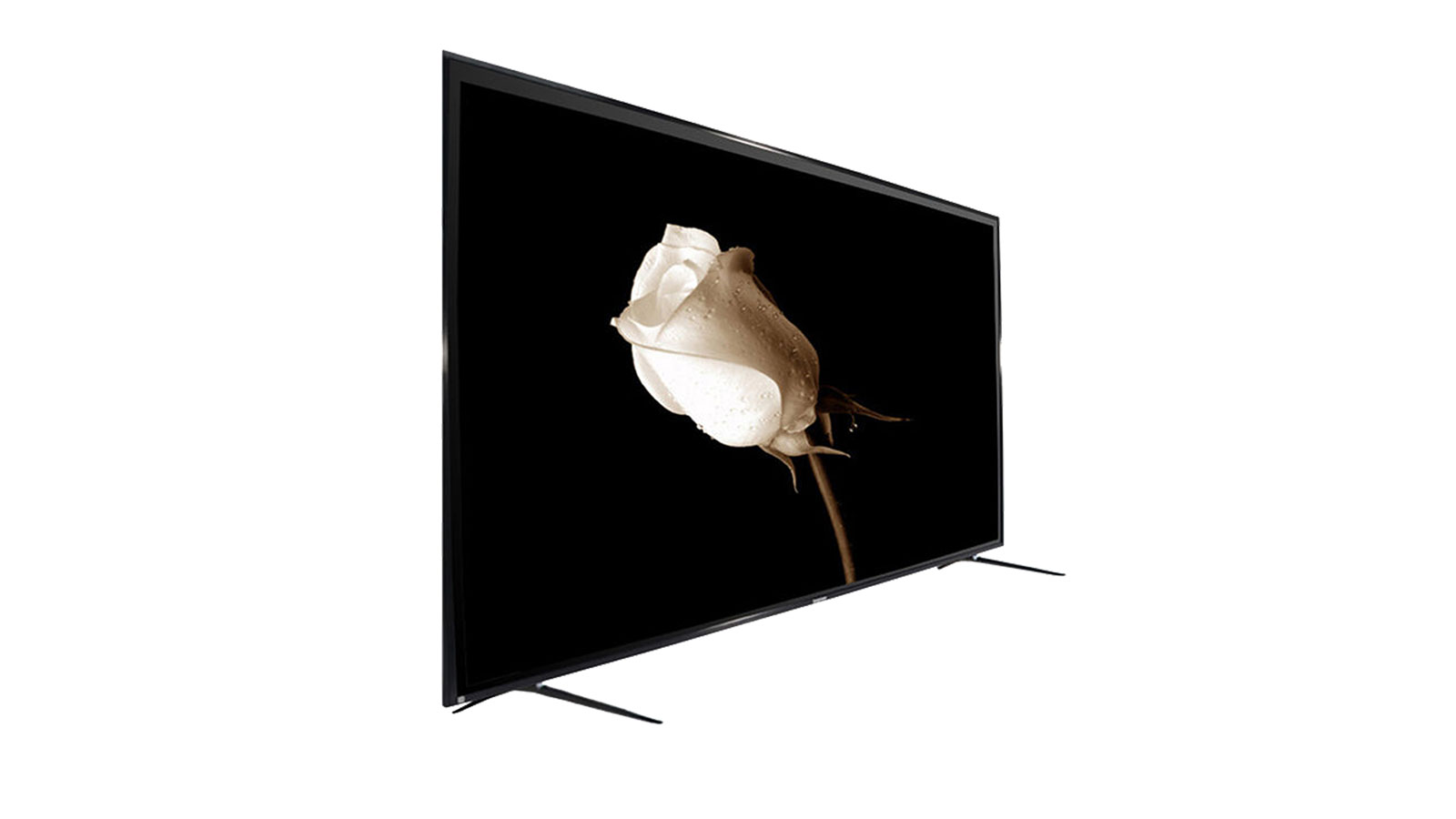
85-inch OLED TV, with tempered glass
Company Jinjiang Jiaxing Groups Co. Ltd
Jinjiang Jiaxing’s model 85 oled-517C is an 85-inch OLED TV that features 4K (3840x2160 pixels) resolution and a refresh rate of 60Hz (NTSC). It offers a wide range of interface options, including Composite A/V, DisplayPort, LAN, S-Video, Toslink, USB, VGA, Component Video, Digital Audio, HDMI input and Wi-Fi. This TV also features a 600x600 VESA mount and supports PAL system as well.
MOQ: 50 units
Lead time: 15 to 25 days
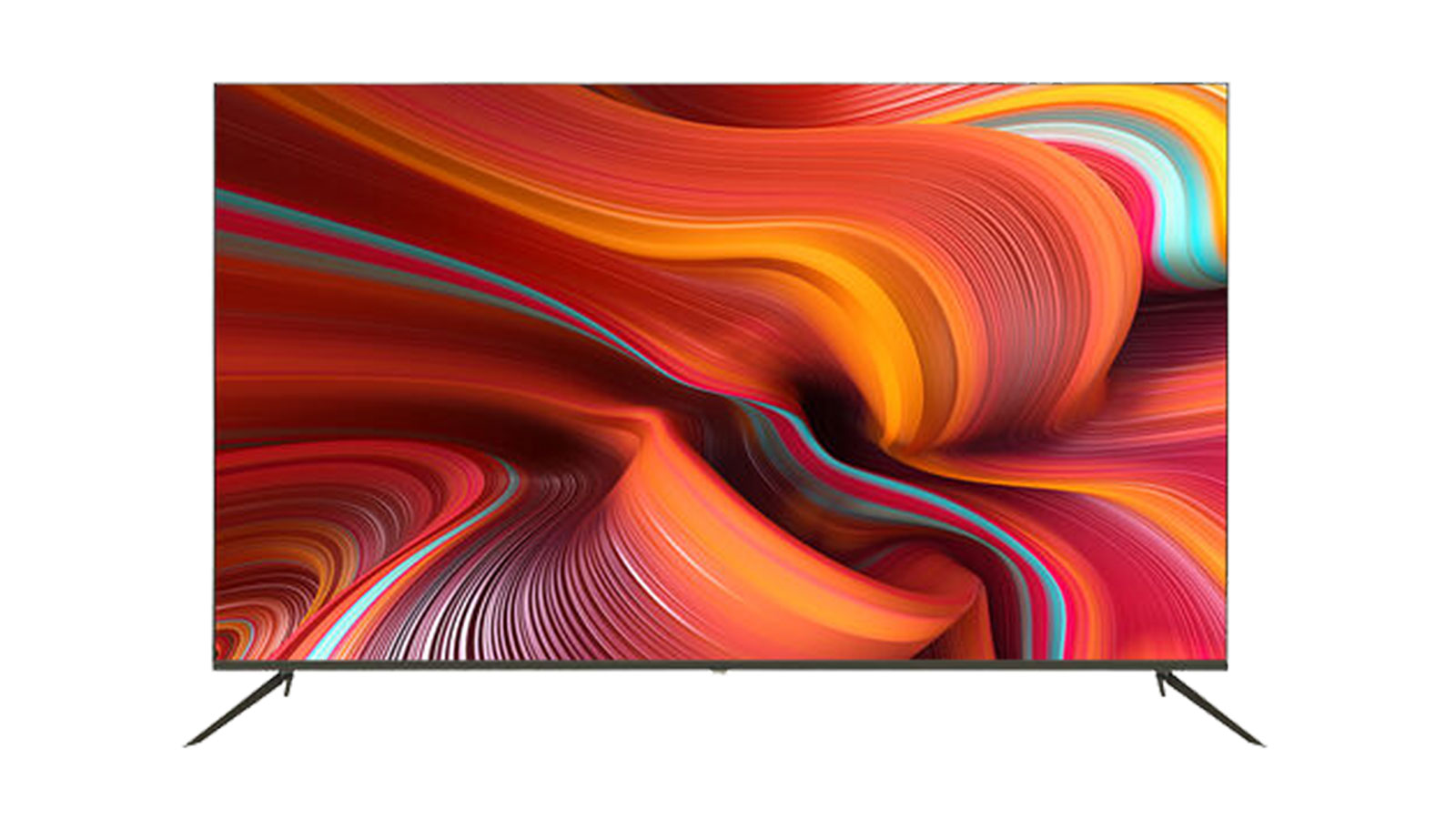
Curved 4K LED TV
Guangzhou Soyer Electronics Technology Co. Ltd
Model VK-SY190TV-69 from Guangzhou Soyer is a curved LED TV featuring 4K (3840x2160) resolution and 50/60Hz refresh rate. It includes input options such as ATV (IEC), AV in (RCA3), USB, HDMI, PC, PC audio and earphones, and has multiple language settings and two 5W speakers. It is available in 85 and 100-inch variants and two configurations, one with 2AV+Game features and the other with digital TV standards.
MOQ: 50 sets
Lead time: 7 to 10 days
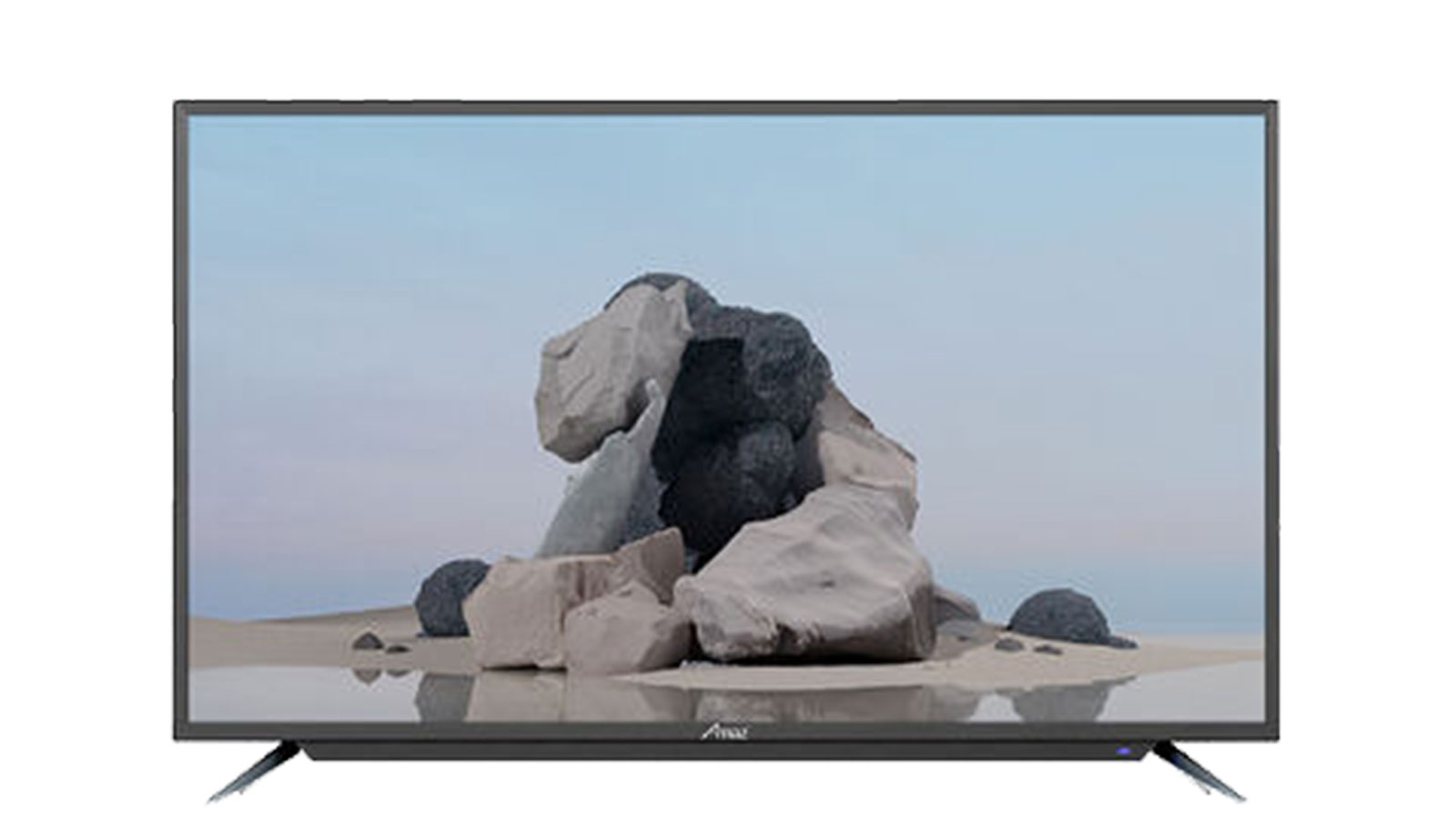
75-inch LED TV
Company: Guangzhou Soho Industry Co. Ltd
Model AL412A from Guangzhou Soho is a 75-inch Bluetooth TV offering three resolution options: 1366x768 pixels, 1920x1080 pixels and 3840x2160 pixels. It features a brightness level of 500cd/sqm. Additional specifications include an A-grade panel and an MST 6M182 motherboard.
MOQ: 300 units
Lead time: 30 to 60 days
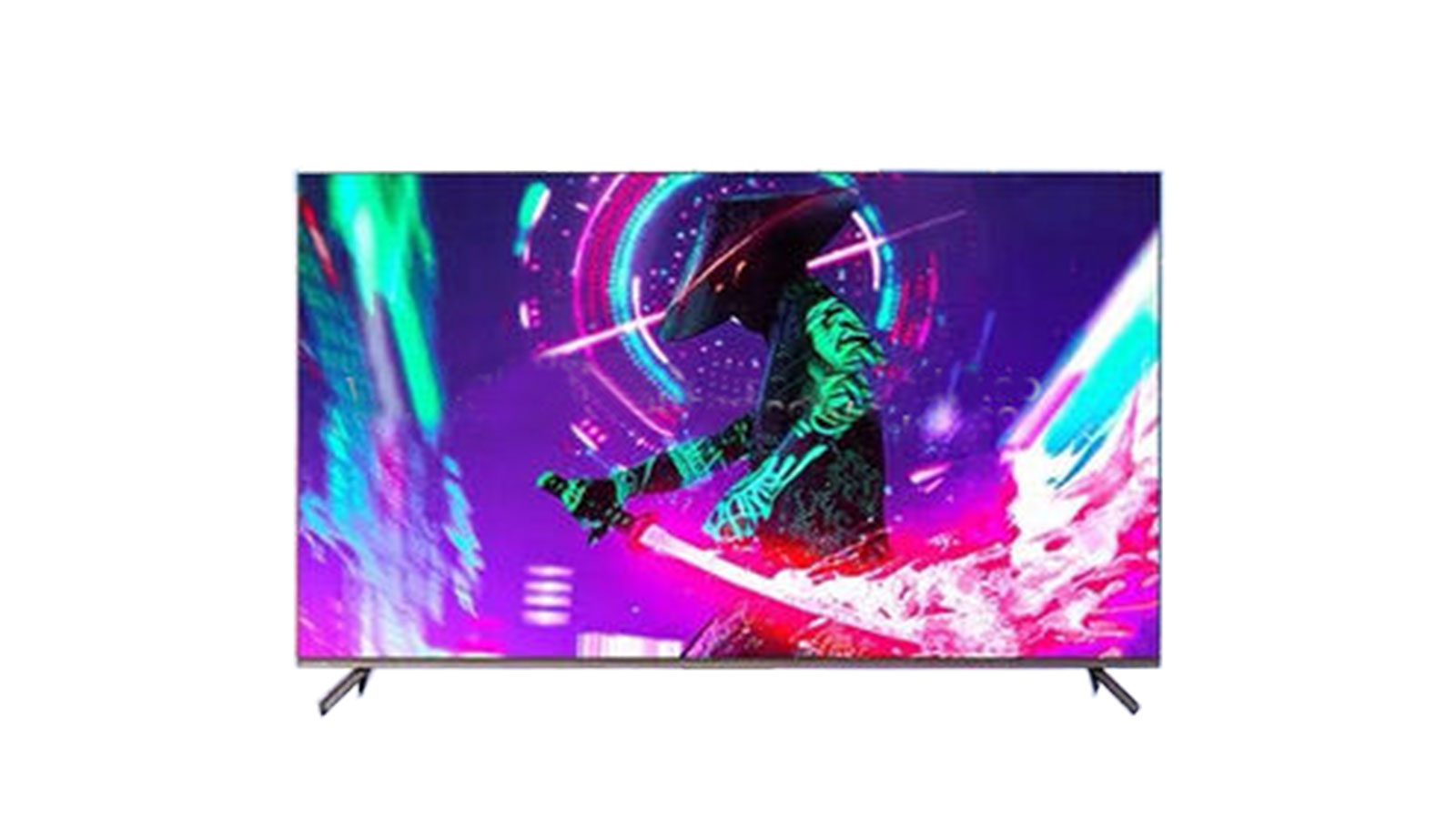
65-inch frameless OLED TV
Company: Jiangxi Gao Su Da Digital Technology Co. Ltd
This 65-inch frameless OLED TV, supplied by Jiangxi Gao Su Da as model GSD-65LED-6085, features resolutions of 2K and 4K. It offers display formats of 1080p (FHD) and 2180p (UHD) and supports various interface types, including Composite A/V, DisplayPort, LAN, S-Video, Toslink, USB, VGA, Component Video, Digital Audio and HDMI input. This TV is compatible with NTSC, PAL and SECAM systems.
MOQ: 500 units
Lead time: 30 to 45 days
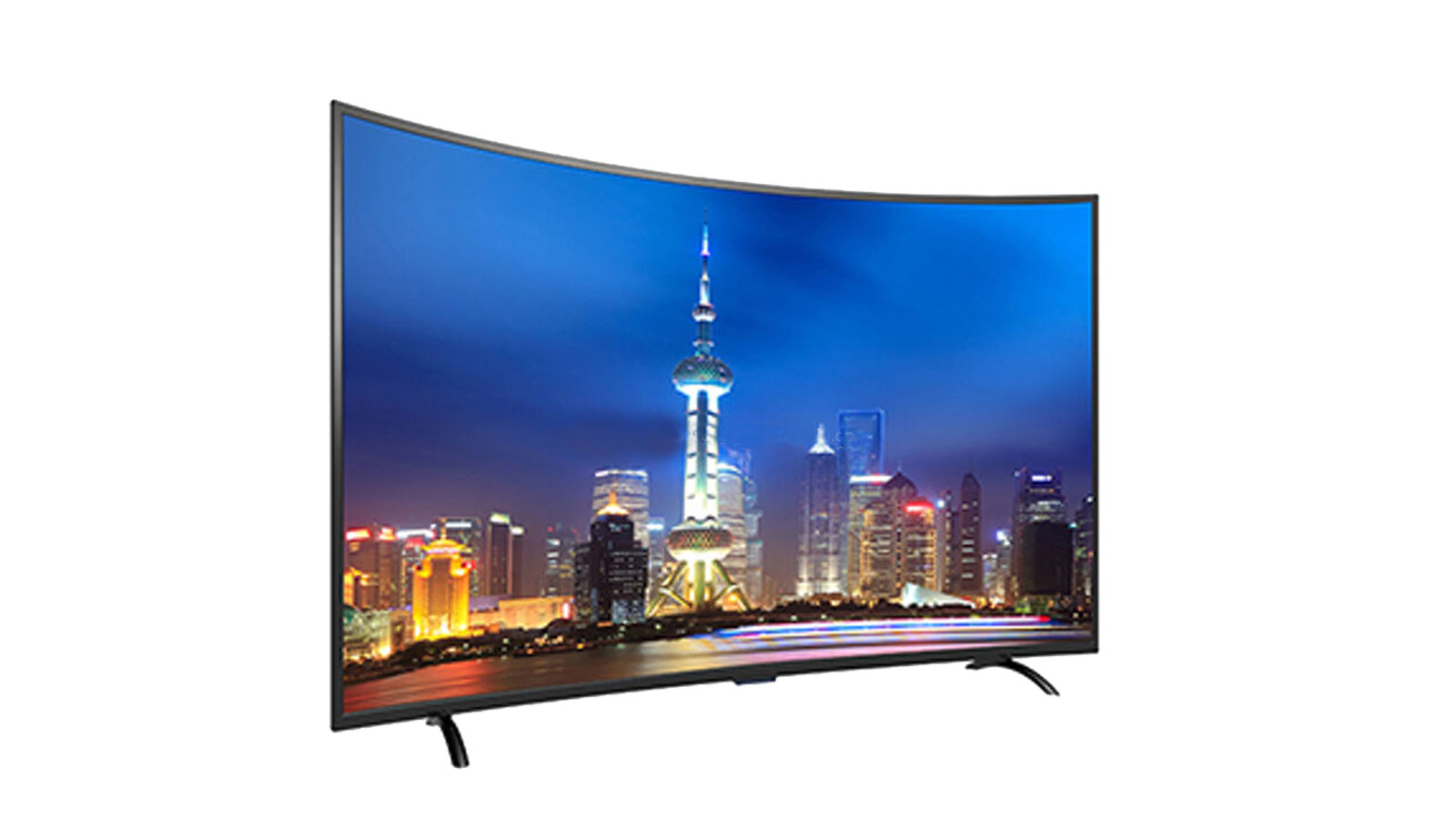
65-inch LED TV, with AI voice control
Company: Pisonic Electronic (Zhuhai) Ltd
Pisonic’s model 65P-D05-G02 is a 65-inch LED TV with AI voice control, 4K resolution, HDR and an ultra-slim design. It offers a brightness level of 1,200cd/sqm, a contrast ratio of 2,500:1 and a 16:9 aspect ratio. This TV has a PC Analog, RJ-45, two HDMI and two USB, ports and two 10W speakers and supports NTSC, PAL and SECAM systems. Bluetooth and Wi-Fi connectivity are optional.
MOQ: 200 units
Lead time: 25 to 30 days

