




Metal and rubber parts offer properties and benefits for specific applications in various industries. Metal parts are known for their strength, durability and heat resistance, making them ideal for structural components, machinery and high-temperature environments. They are extensively used in the automotive, aerospace, construction and manufacturing sectors.
Rubber parts, meanwhile, excel in applications requiring flexibility, elasticity and vibration dampening. These properties make them essential in automotive seals, gaskets, hoses and tires as well as in industrial machinery, consumer products and medical devices.
The choice between metal and rubber parts depends on mechanical properties, environmental conditions and cost considerations. In many cases, both are used to create complex assemblies that leverage the strengths of each material.
Metal parts
When sourcing metal parts, several key specifications must be considered to ensure the components meet the required performance standards. These specifications include material composition, mechanical properties (tensile strength, yield strength, hardness), dimensional tolerances, surface finish, corrosion resistance, heat treatment, fatigue resistance and, if applicable, electrical conductivity.
Engineers and procurement professionals must carefully evaluate them for their applications as the choice of material and manufacturing process significantly impacts the final product's performance, durability and cost-effectiveness.
Metal materials and surface treatments
The common metal materials include steel, aluminum, stainless steel, copper and titanium. Steel has advantages of strength and versatility and is used in structural components, automotive parts and machinery. Lightweight and corrosion-resistant, aluminum is popular in aerospace, automotive and consumer electronics where weight reduction is crucial. Stainless steel offers excellent corrosion resistance and is used in food processing equipment, medical devices and marine applications.
With high electrical conductivity, copper is essential in electrical components and heat exchangers. Combining strength with lightweight properties, titanium is used in aerospace, implantable medical devices and sports equipment.
Surface treatments are done to enhance the performance, durability and appearance of metal parts.
Primarily used on aluminum, anodizing results in a hard, durable layer that boosts corrosion resistance and allows for coloring. It is usually used in aerospace and architectural applications where a durable, corrosion-resistant finish is required.
Electroplating or electroless plating, meanwhile, involves placing a thin layer of metal, which may be chrome, nickel or zinc, for corrosion and wear resistance or electrical conductivity.
Powder coating entails the application of a free-flowing, dry powder, which is then heat cured to form a durable, high-quality finish. It is popular in automotive and consumer products because of durability and wide range of color options.
Chemical conversion coatings, which include phosphating or chromating methods, add a thin layer for better corrosion resistance and paint adhesion. Thermal spraying involves molten or semimolten materials that create a coating with specific properties, such as wear resistance or thermal insulation.
Rubber parts
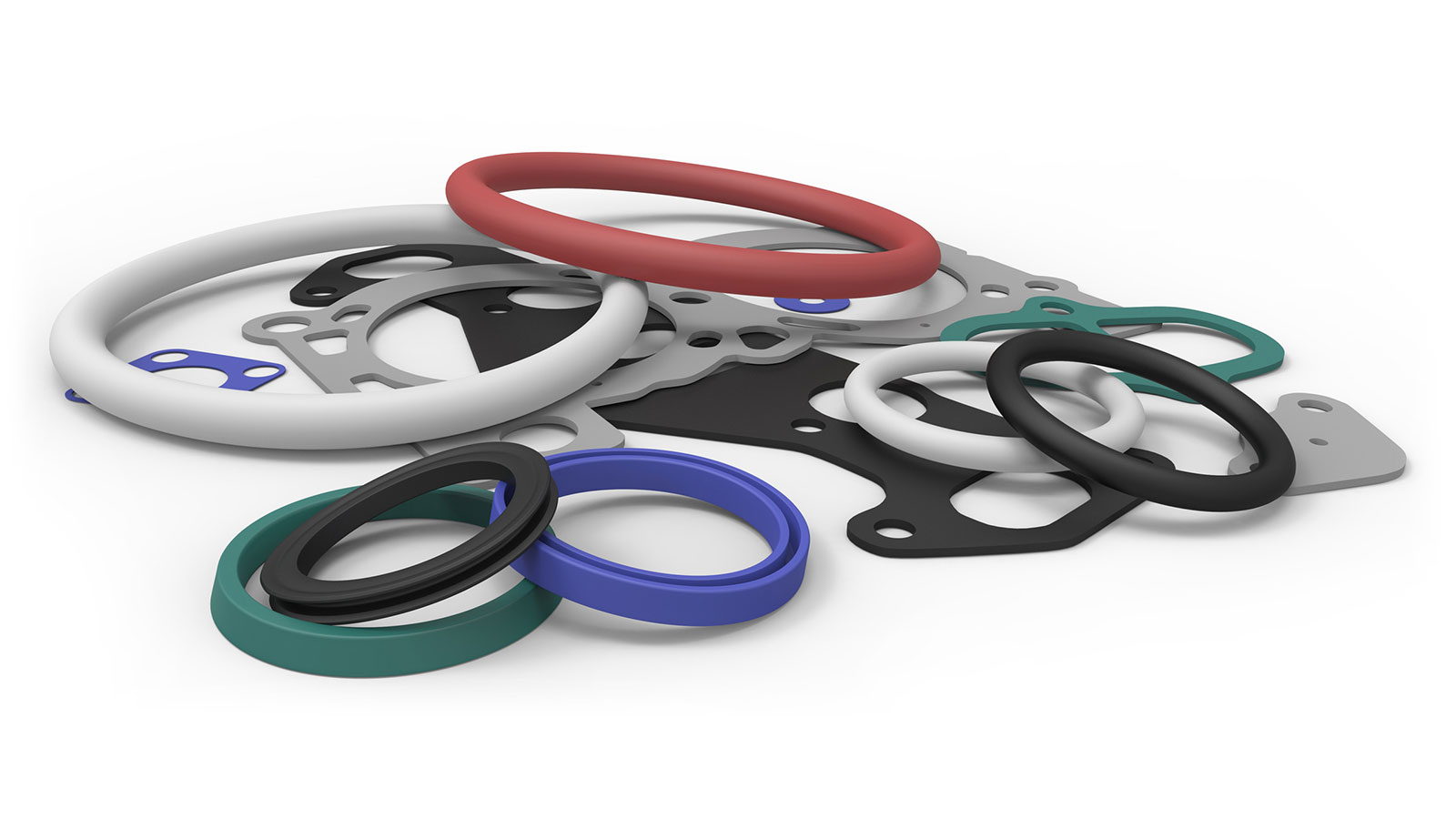
When sourcing rubber parts, several key specifications must be considered to ensure the components meet the required performance standards. They include material composition, hardness, tensile strength and elongation, compression set, operating and storage temperature range, and chemical, tear and abrasion resistance.
Rubber materials and surface treatments
Common rubber materials include natural rubber (NR), nitrile rubber (NBR), ethylene propylene diene monomer (EPDM), silicone rubber and fluoroelastomers (FKM).
NR is known for its high elasticity and tear resistance and is used in tires, vibration mounts and seals, while NBR offers excellent oil and fuel resistance, making it the material of choice for automotive seals, gaskets and oil-resistant hoses. With good weather and ozone resistance, EPDM is used in automotive weather stripping, roofing membranes and electrical insulation.
Silicone rubber, known for its wide temperature range and biocompatibility, is used in medical devices, gaskets and electrical insulation. FKM’s excellent chemical and heat resistance suits high-performance seals and gaskets for automotive and aerospace applications.
Surface treatments for rubber include chlorination, which modifies the surface to reduce friction and improve adhesion to other materials, and plasma treatment used to increase surface energy as well as enhance adhesion for bonding or coating applications. The former method suits automotive seals, while the second one is commonly employed in medical devices.
Fluorination is another technique to boost chemical resistance and reduce permeability of rubber parts, while texturing creates a specific surface pattern to improve grip or reduce friction. Specialized coatings are also used to improve wear resistance or color.
Production and testing equipment
The production of high-quality metal and rubber parts requires specialized equipment for both manufacturing and testing.
Some essential production equipment for metal parts includes CNC milling, turning and grinding machines, sand-, die- and investment casting, forging and stamping presses, welding equipment, heat treatment furnaces and, for surface finishing, plating tanks and powder coating booths.
To ensure quality and performance, these parts are checked using tensile testing machines, hardness testers, spectrometers for material composition analysis, CMMs for dimensional inspection, X-ray and ultrasonic equipment for nondestructive testing, salt spray chambers for corrosion testing and fatigue testing machines.
In the case of rubber parts, the essential production equipment includes injection molding machines, compression molding presses, extrusion lines, calendering machines, vulcanization ovens, internal mixers, two-roll mills, cutting and trimming equipment.
For checking the quality and performance of these parts, tensile testing machines, hardness testers or durometers, rheometers for measuring curing characteristics, abrasion testers, ozone chambers for weathering tests, compression set fixtures and tear strength testers.
The use of advanced production and testing equipment ensures that metal and plastic parts meet the required specifications and quality standards.
Industry standards
Adherence to industry standards is crucial when sourcing metal parts to ensure quality, safety and compatibility.
The organizations and their relevant standards include ASTM, ISO, SAE and ASME as well as FDA for rubber parts. They provide guidelines for material properties, testing methods and QC procedures.
ASTM has the ASTM A36 for carbon structural steel, ASTM B209 for aluminum and aluminum-alloy sheets and plates, ASTM D2000 standard classification system for rubber products in automotive applications and ASTM D412 standard test methods for vulcanized rubber and thermoplastic elastomer tension.
ISO standards include ISO 898 covering the mechanical properties of fasteners made of carbon steel and alloy steel and the ISO 9001 quality management systems. For rubber and latex nomenclature, there is ISO 1629, while ISO 3384 specifies the determination of stress relaxation in compression of vulcanized or thermoplastic rubber.
SAE has the SAE J403 for chemical compositions of SAE carbon steels and the SAE AMS-QQ-A-250 for aluminum and aluminum alloy plates and sheets. For rubber materials, SAE J200 is the classification system and SAE J2236 covers automotive elastomer environmental aging.
ASME has the B18 standards for various types of fasteners and the BPVC or Boiler and Pressure Vessel Code.
For rubber articles intended for repeated use in food contact applications, there’s FDA’s 21 CFR 177.2600.
Here are metal and rubber parts from verified suppliers on GlobalSources.com.
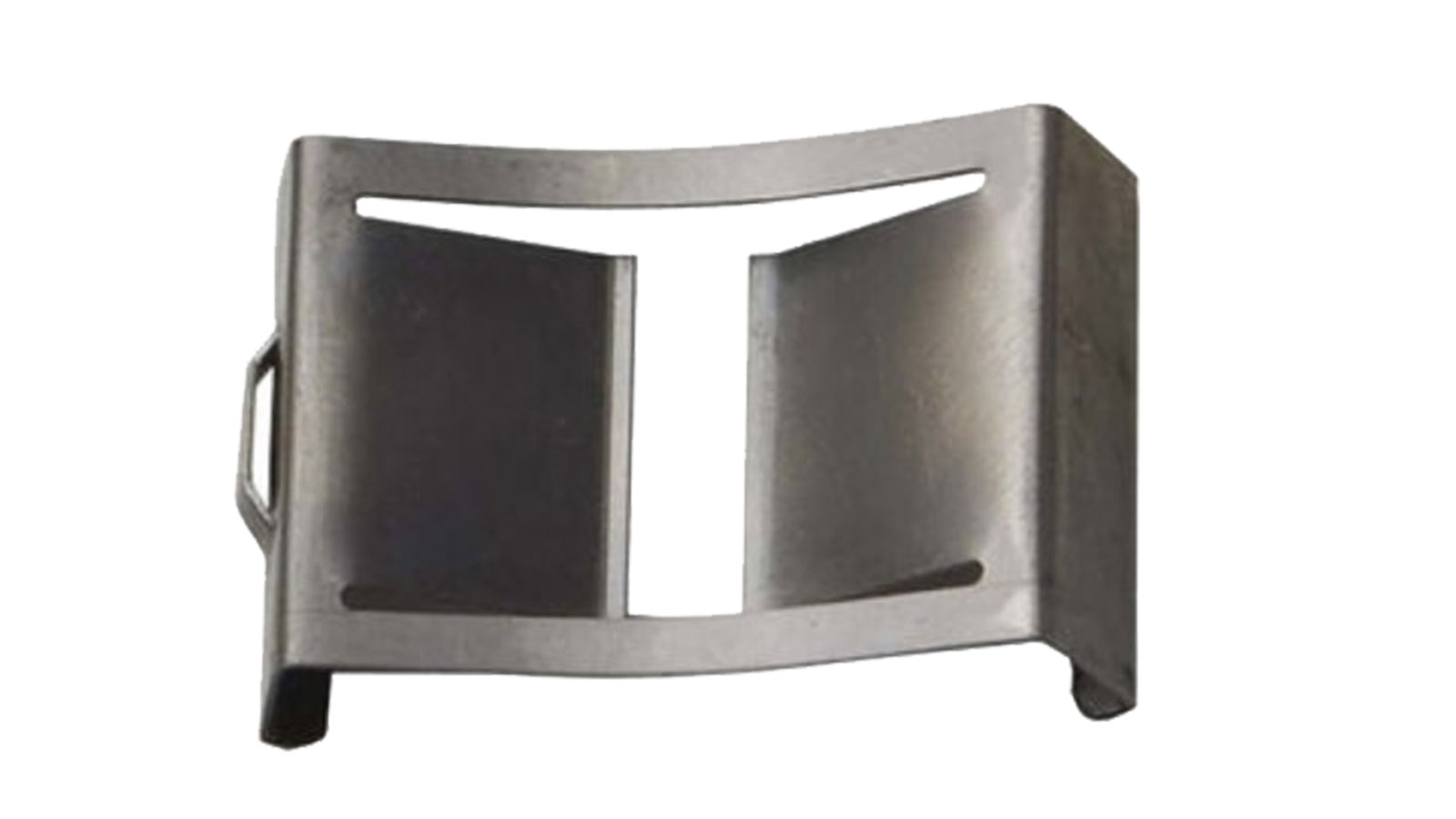
Metal part, 0.05 to 0.002mm tolerance
Company: Dongguan Mei Jie Metal Parts Ltd
Dongguan Mei Jie offers metal stamping services and produces parts, such as the MJ-MSJ-380, with a tolerance of 0.05 to 0.002mm. Its metal parts have surface treatment to withstand more than 400 hours of salt spray test. The company has in-house tooling design and manufacturing capabilities, enabling customization for various applications.
MOQ: 500 pieces
Lead time: 5 to 10 days
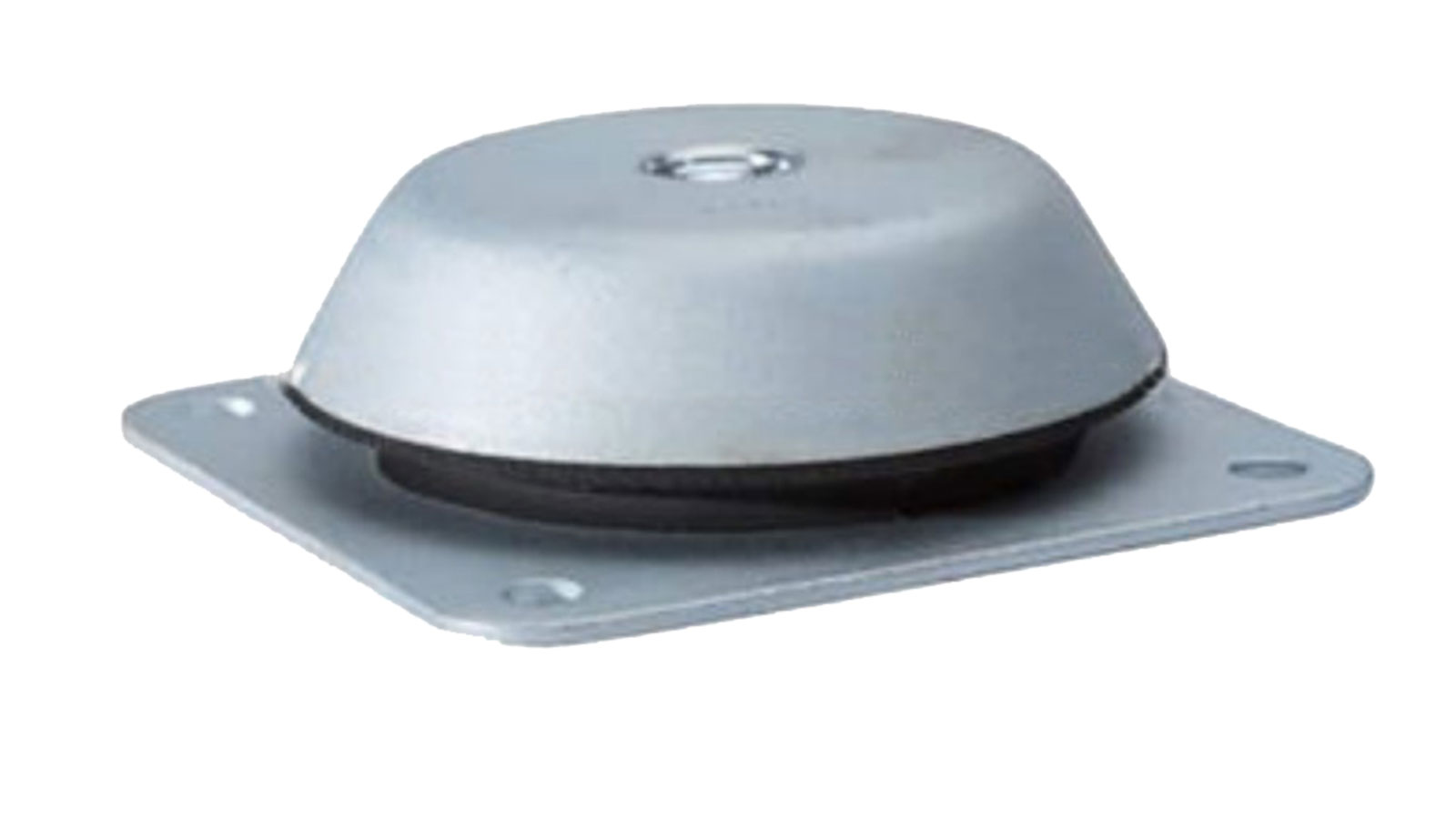
Custom-made O-ring
Company: Just Machinery Technology (Xiamen) Co. Ltd
The JNE-R-0526 from Just is a customizable O-ring that can be made using NR, SBR, NBR, EPDM, silicone, CR-grade neoprene, IIR, ACM, PU, or FKM, FPM or Viton-branded fluoro rubber. It can come in any size and color. This O-ring meets RoHS, REACH, FDA, UL 94, NSF, WRAS and ASTM D2000 standards, depending on the requirement.
MOQ: 100 pieces
Lead time: 14 to 30 days
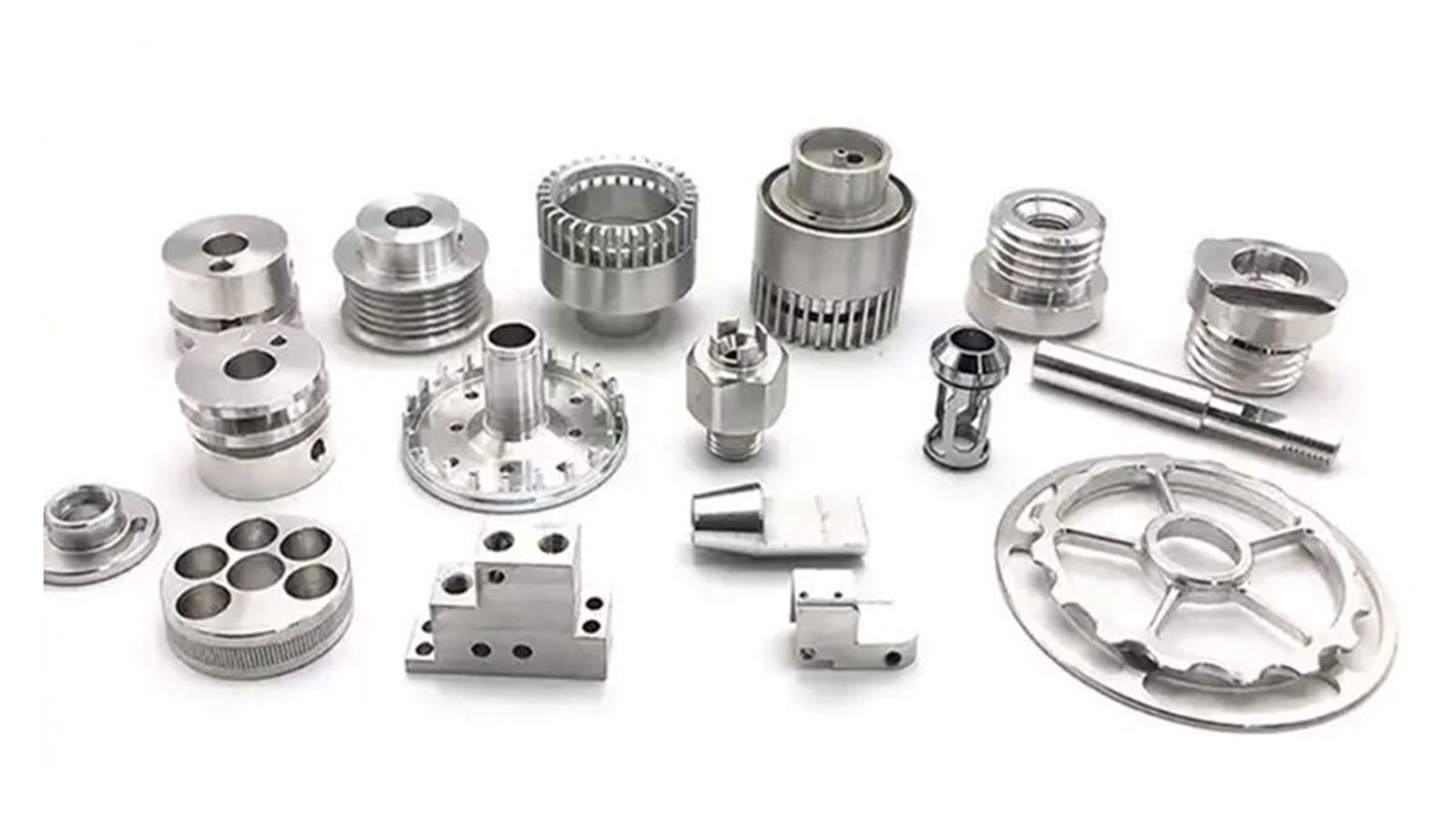
Metal parts based on drawings or samples
Company: MYT Technology Co.
MYT can manufacture metal parts based on customers’ drawings or samples. Such parts can be made of a range of materials using CNC turning, milling, waterjet or laser cutting or grinding, or sheet metal fabrication or metal stamping process and advanced test equipment. Various surface treatment options are available and logos can be added when specified. This supplier provides material test reports.
MOQ: 1 piece
Lead time: 7 to 28 days
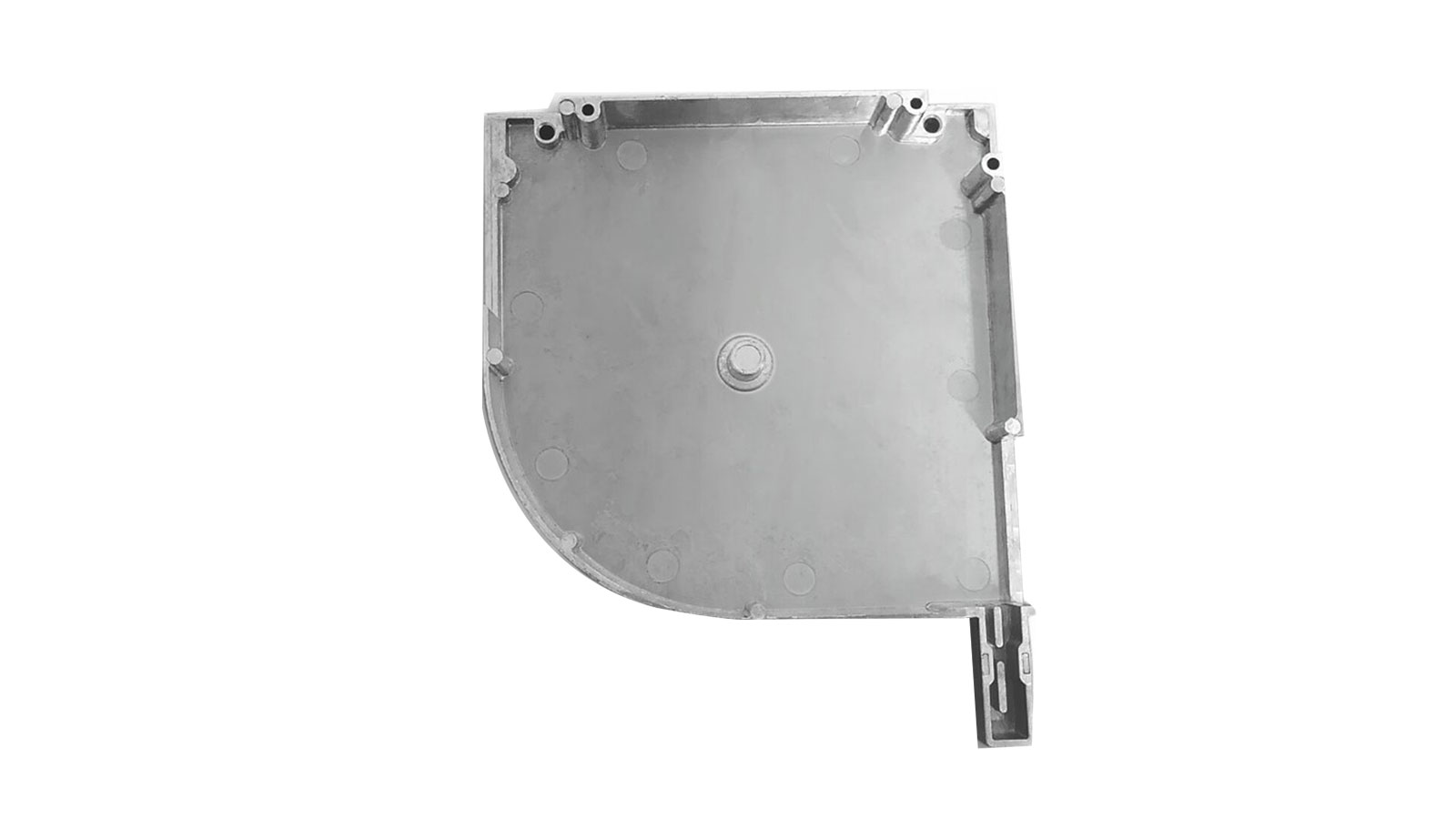
Roller shutter end cap
Company: Ningbo Rollmax Shutter Component Co. Ltd
Ningbo Rollmax offers the RS-SF137/1/4R Series consisting of end caps for window and door roller shutters. These parts are made of aluminum and come in various types, sizes and colors. Versions with or without a pin are available.
MOQ: 100 pieces
Lead time: 25 to 30 days
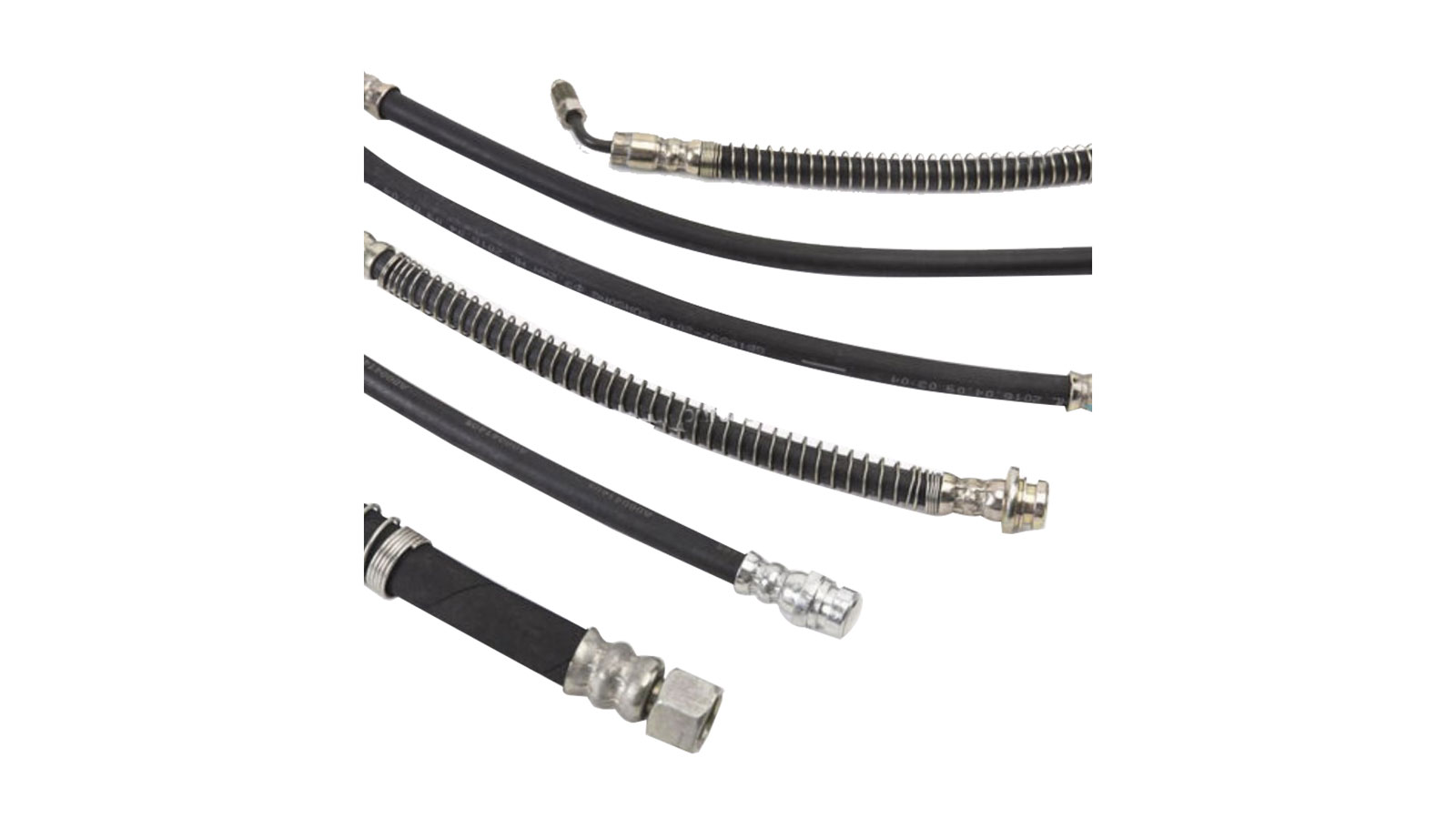
Automotive-use rubber hose
Company: Xiamen Maifeng Seal Products Co. Ltd
The MF0004 from Xiamen Maifeng is an automotive-use hose made of EPDM, HNBR, NBR, SBR, CR, silicone or PU with temperature ratings ranging from 40 to 90 C. Variants for agricultural, household and electronics applications are available as well.
MOQ: 1,000 pieces
Lead time: 10 to 30 days
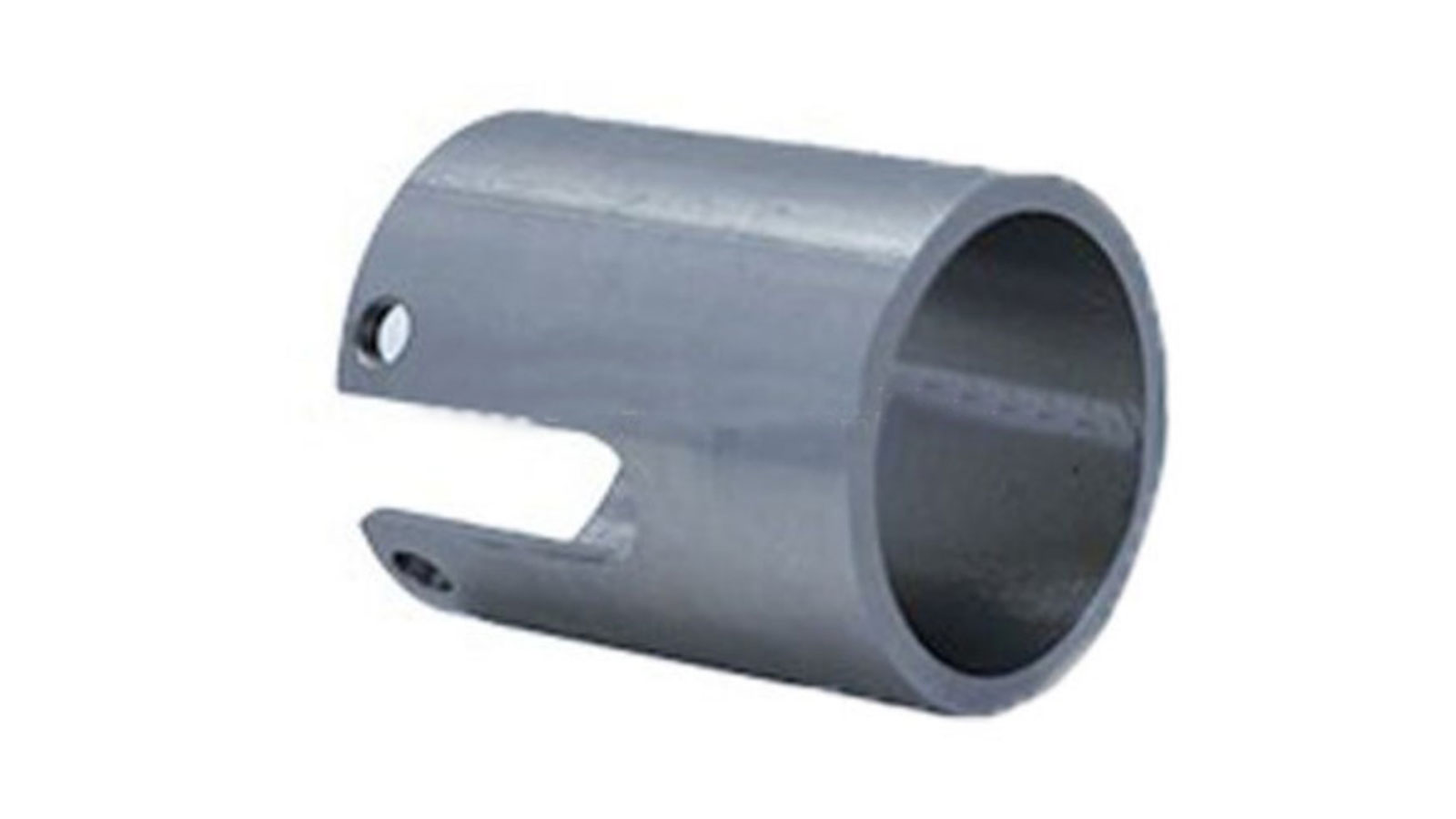
CNC machined steel part
Company: Xinxiang Pingyuan Aviation Hydraulic Equipments Co. Ltd
The CT-166-0712 from Xinxiang Pingyuan is a CNC machined steel part for processing machines. This product is customizable.
MOQ: 1,000 pieces
Lead time: 30 to 45 days

