




Improvements in LiFePO4 batteries have enhanced energy density, reliability, safety and operating life span, widening adoption in electric vehicles, power tools, energy storage, communications, space and aviation. In the EV market, this chemistry is forecast to edge out ternary lithium batteries.
To cement their lead in EV applications, Chinese manufacturers are working on developing their technology further. The latest breakthrough from CATL, the world’s largest EV battery maker, realized an energy density of 205Wh/kg, breaching the 200Wh/kg global standard, and a range of 600km from 10 minutes of fast charging at peak power exceeding 700kW.
Launched at the 18th Beijing International Automotive Exhibition (Auto China) in April 2024, CATL’s Shenxing Plus is said to be the world’s first LiFePO4 battery with a range above 1,000km and 4C superfast charging capability. This is the result of a new technology involving the addition of transition metal elements and use of a fast lithium-ion conductive coating and a new nanometer encapsulation.
Accelerating adoption
Globally, the LFP battery technology continues to gather momentum. Many sedans, SUVs, hatchbacks and vans now employ it. They include models from BYD, Stellantis and its subsidiaries, Dongfeng, Ford, Geely, GWM, KG Mobility, MG Motor, Chery, Smart, Suzuki and Tesla. In light of this growing fleet, South Korean battery manufacturers LG, Samsung SDI and SK On, previously focusing on NCM cells, will now produce LFP types as well.
By 2030, the global lithium battery market will reach 5,100GWh and LFP units will account for 3,000GWh, according to SPER Market Research.
In China, the LFP chemistry already accounted for 69.9 percent or 171.1GWh of batteries installed in EVs from January to July 2024, according to Chinese state EV industry body CAEV. This was a 36.3 percent increase over the same period in the previous year, a high growth rate that is expected to be the future trend.
Global leader
China leads in the lithium battery market, with a 70 to 90 percent share earned over decades of investment and development. The country dominates all stages of the value chain from extraction and processing to battery manufacturing, according to the International Energy Agency’s special report in April 2024.
This supremacy had its foundations in 2000 when electric vehicles were listed as a priority field for research in the Tenth Five-Year Plan set out by the Central Committee of the Chinese Communist Party. According to a report by the Center for Strategic and International Studies (CSIS), the Chinese government subsidized this industry with a total of $230.9 billion between 2009 and 2023. “Absolute funding annually was around $6.74 billion in the first 9 years of our analysis (2009-2017), as the sector was just getting off the ground. Spending roughly tripled during 2018-2020, and then has risen again sharply since 2021.”
This support came in the form of nationally approved buyer rebates, exemption from the standard 10 percent sales tax and government funding for infrastructure and R&D programs for EV makers, according to CSIS. Government procurement of EVs also helped manufacturers get through the early years. The rebate was reduced in 2022 and eliminated the following year.
Further expansion
Chinese LFP battery manufacturers, in particular first-tier ones, are expanding their international presence.
CATL already has factories in Germany and Hungary, and recently signed a joint-venture deal with Stellantis to set up an LFP battery plant in Spain and start mass production by end-2026. The company has inked a similar agreement with Indonesia Battery Corp. (IBC), which includes the building of a facility expected to operate in 2027. In 2023, there was an announcement that CATL and Arun Plus would be building a factory in Thailand, although its opening – planned for 2024 – has yet to occur at time of writing.
CATL technology will be used in LFP batteries made in Ford’s Michigan factory, Tesla’s facility in Nevada and GM’s proposed plant in the southern US.
In addition to CATL, SVOLT, Gotion, EVE Energy, Envision AESC and CALB have been undertaking overseas expansion projects. Smaller battery suppliers are also forging partnerships abroad. Ningbo Ronbay said it would build a cathode manufacturing facility in South Korea, according to Eric Harwit on the China-US Focus website.
China-made LFP batteries
There are hundreds of manufacturers of LiFePO4 batteries in China, with CATL, BYD, CALB, Gotion, EVE Energy and REPT among the leaders. They are found in Shenzhen, Dongguan, Zhongshan, Guangzhou, Suzhou, Changzhou, Ningbo and Hangzhou, as well as the inland provinces of Shaanxi and Sichuan.
Widely available LiFePO4 cells from Chinese manufacturers have over 160Wh/kg energy density, 3.2V nominal voltage,3.6 to 3.65V charging cutoff voltage and -20 to 55 C operating temperature. These have a life span of more than 2,000 cycles. In addition to EVs, applications include energy storage systems and electric tools.
Customization based on battery size, shape and specifications are accommodated.
These companies capitalize on the domestic availability of materials. China is also the largest production base for LFP cell components, with Hunan Yuneng, Changzhou Liyuan and Hubei Wanrun among the top suppliers.
The products in this gallery have been handpicked by our China-based market analyst for representing current trends in LiFePO4 batteries manufactured in China.
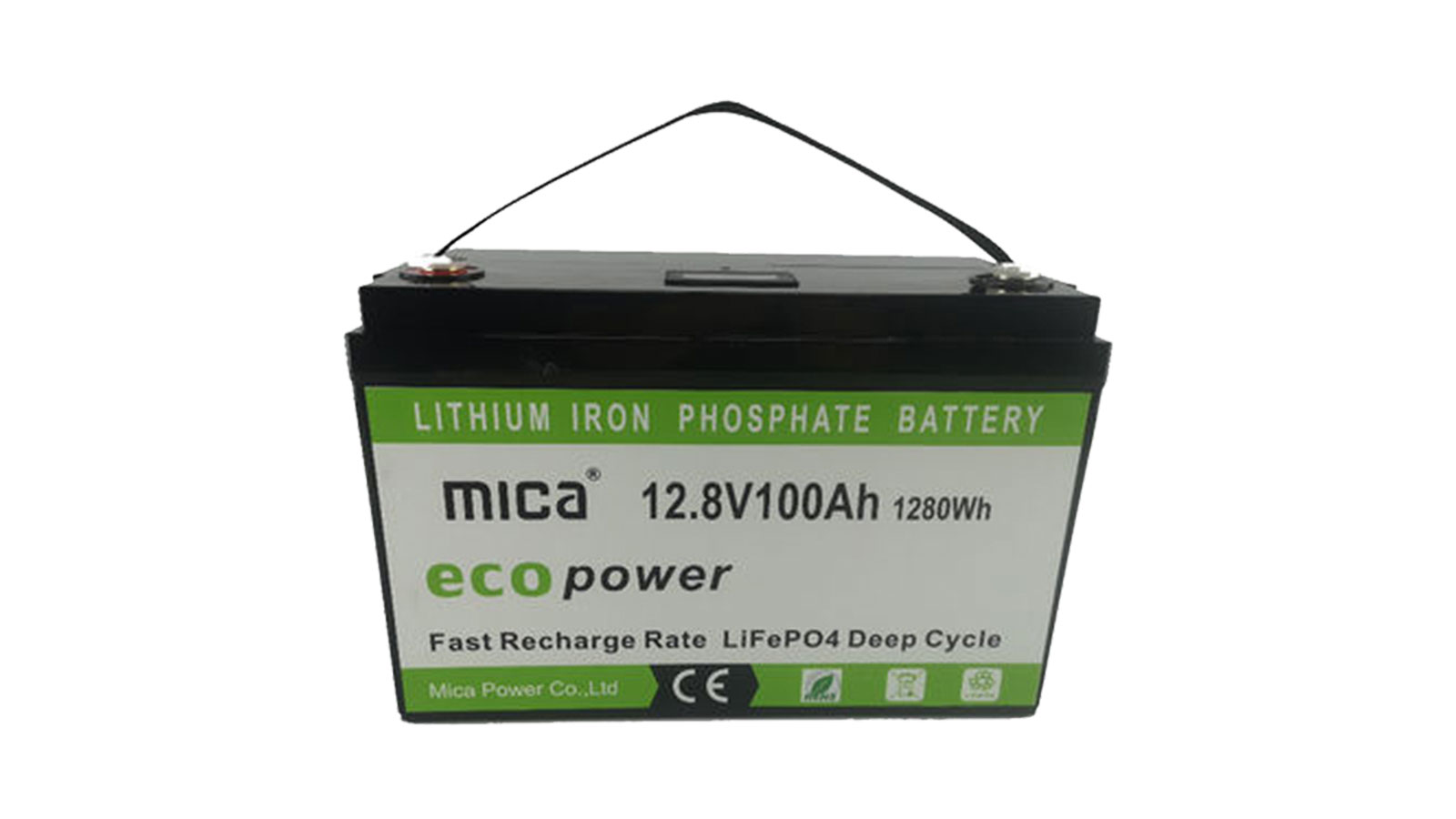
LFP battery, 100Ah capacity at 25 C, C10
Company: Mica Power Co. Ltd
The MC-12.8V100Ah-11 from Mica is an IP56-rated LFP battery with 12.8V, and 100Ah and 1,280Wh at 25 C and C10. It has 10 to 14.6V operating voltage range, 100A maximum charge and 100A maximum continuous discharge current, with 200A burst for 10sec. The life span is over 6,000 cycles at 50 percent DoD. This unit has built-in overcharge, -discharge, -current, -temperature and cell balancing protection.
MOQ: 100 units
Lead time: 15 days
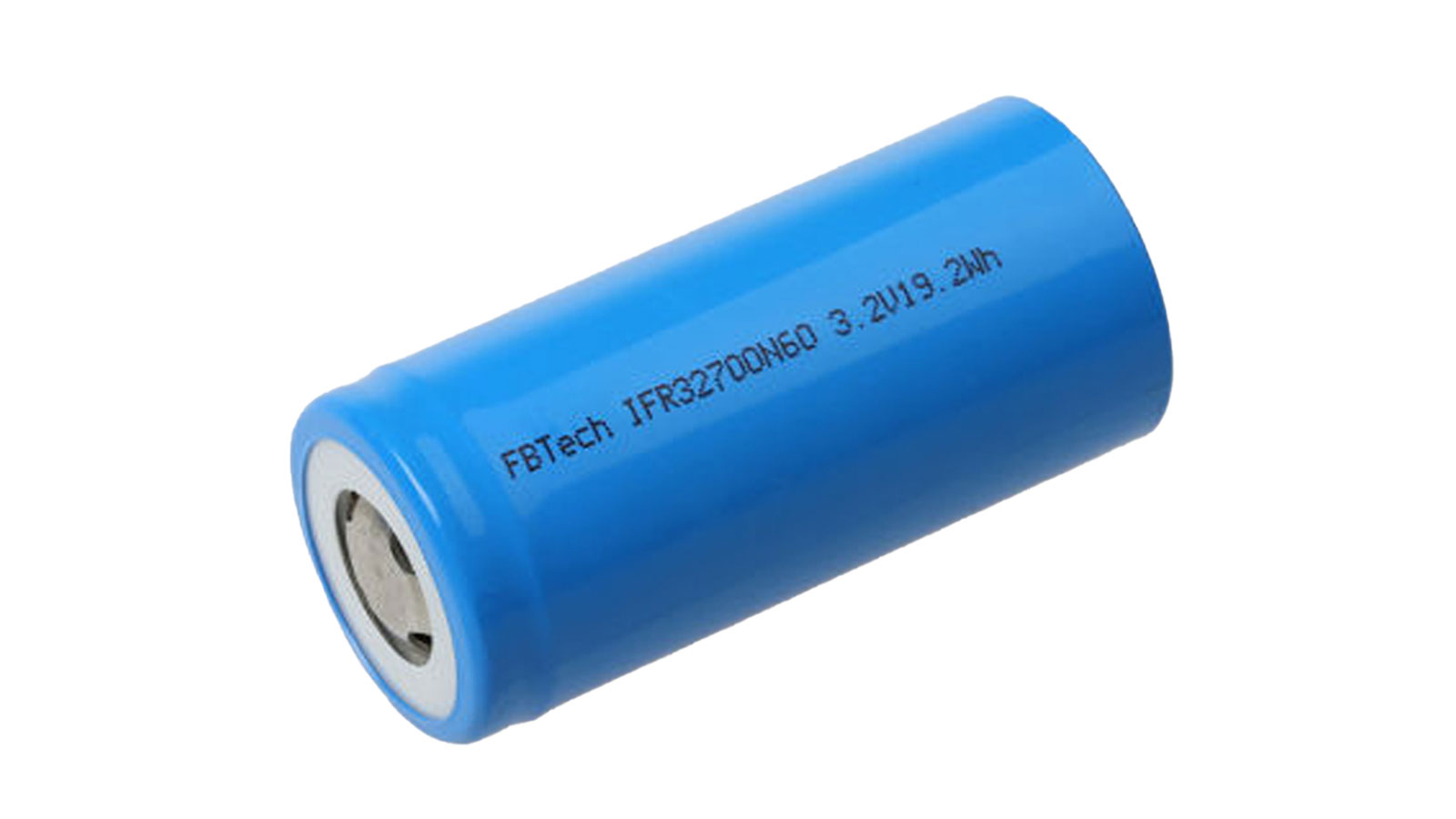
LFP battery, 6,000mAh capacity
Company: Shenzhen FBTech Electronics Co. Ltd
This 32700 IFR32700 LiFePO4 Battery Cell from Shenzhen FBTech has 3.2V voltage, 6,000mAh capacity, 120 to 130kWh/kg energy density and 7,000-cycle life span.
MOQ: 2,000 units
Lead time: 5 days
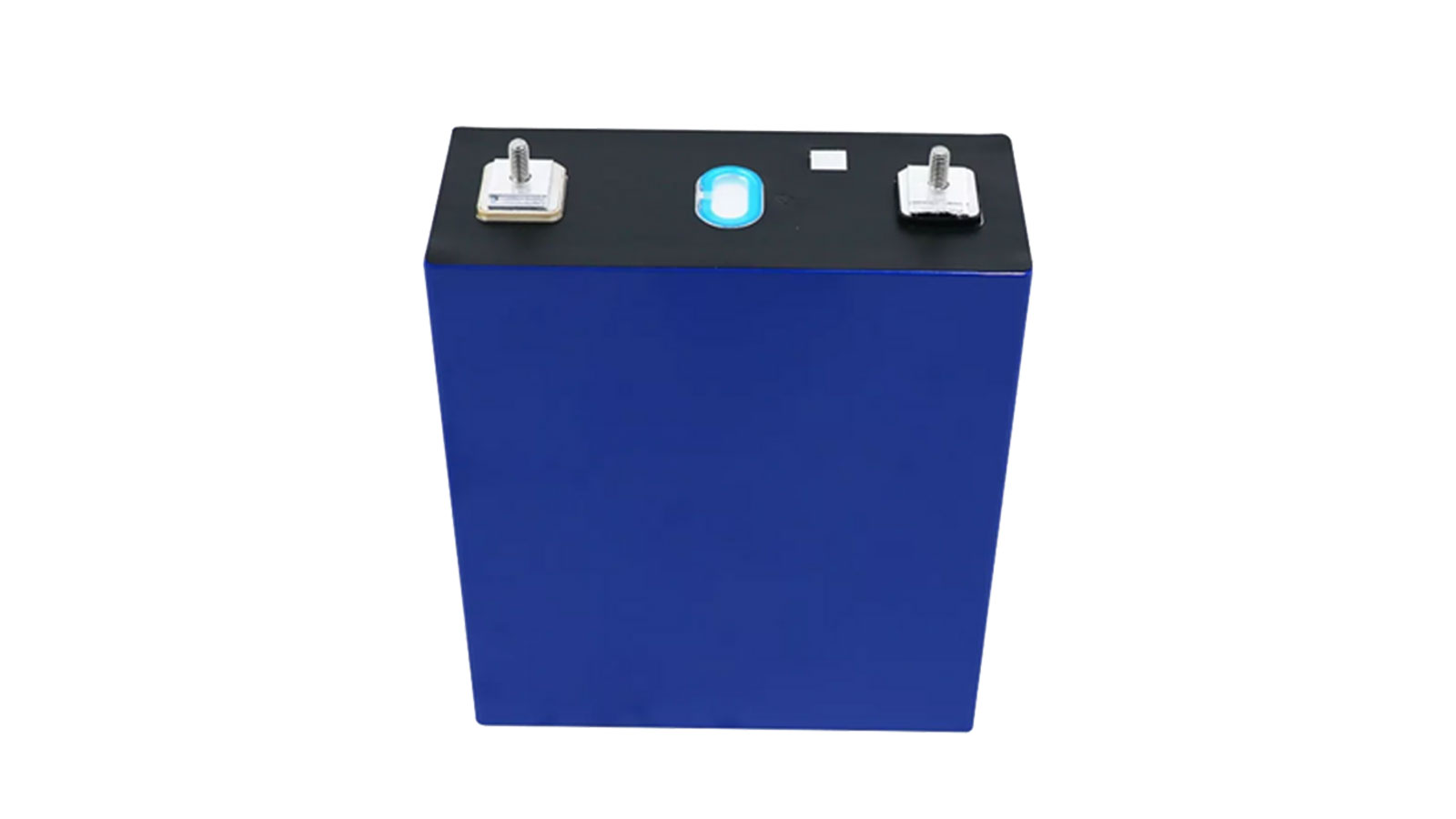
LFP battery, 3.2V voltage, 280Ah capacity
Company: Shenzhen Richlight Technology Co. Ltd
Shenzhen Richlight markets this CE-marked LFP battery, the 3.2V280Ah-0859, with 3.2V voltage, 280Ah capacity, less than 0.29mohm internal resistance, and 0 to 55 C charge and -20 to 55 C discharge temperatures.
MOQ: 500 units
Lead time: 20 days
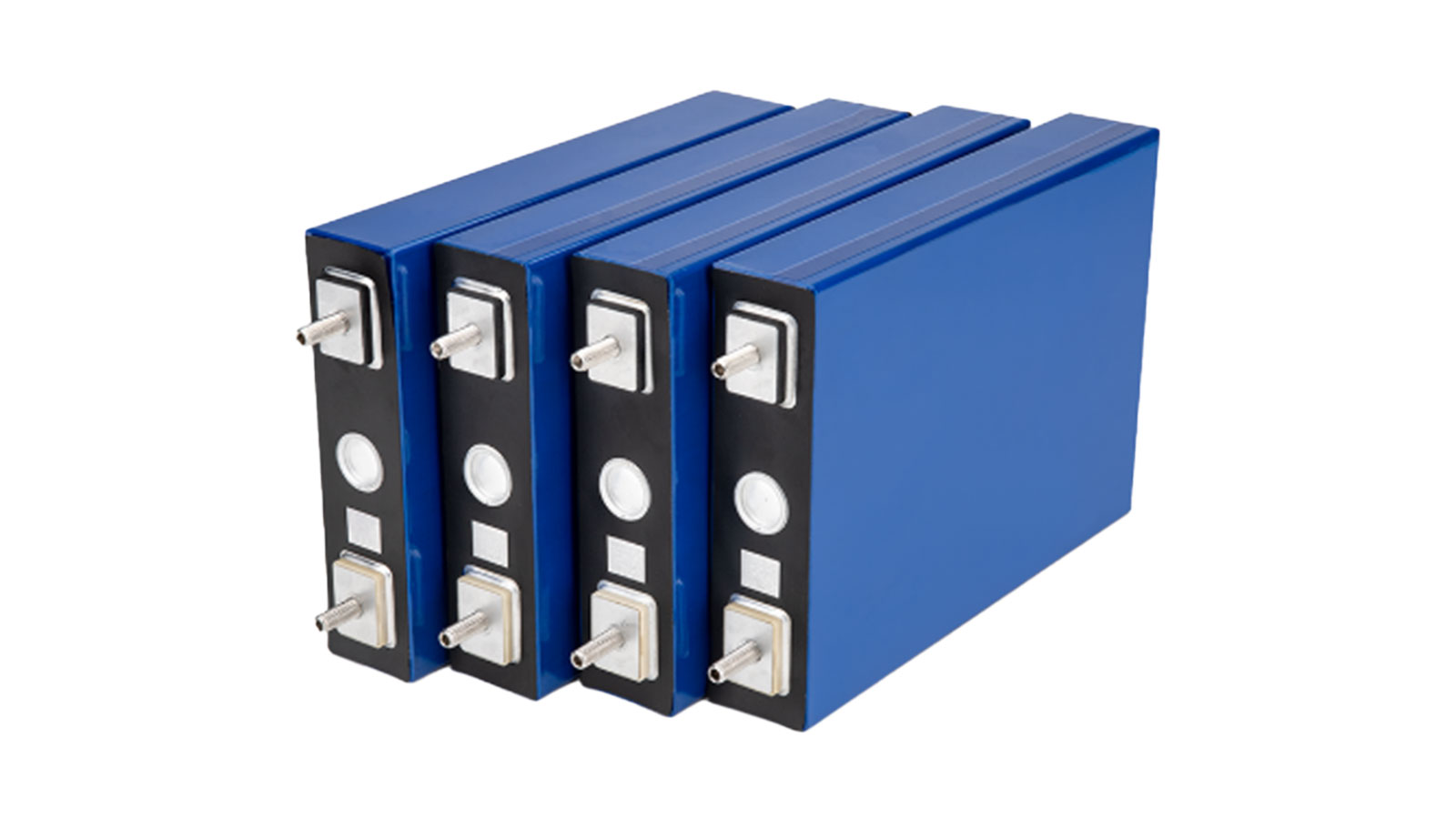
LFP battery, 2.5 to 3.65V operating range
Company: Topa Technology Ltd
This 3.2V, 50Ah LFP battery from Topa, the 3250A-8370, has 2.5 to 3.65V operating voltage range, 0.5mohm initial internal resistance at 1kHz and 315A maximum long pulse discharge current. Dimensions are 148x134x26mm and weight is 1,250±50g.
MOQ: 20 units
Lead time: 7 days

