Download App
Better Online and Trade Show Sourcing Experiences.Scan the QR code to download.
Learn More
Hot Topics
Better integration with Android allows microSD cards to run apps, and the new standard enables consumers to tell easily if the card is compatible.
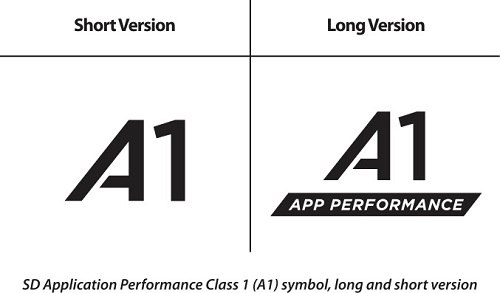
Cards that meet the performance standards required to run apps will be branded with the A1 logo (Source: SD Association)
Mobile computing has become so important that it is now affecting SD card labeling. The SD Association has made a new label for SD cards that will help consumers recognize whether the card performs well enough to run applications from. While many high-end phones, notably Apple's iPhone and Google's Pixel, have avoided the use of SD cards because of confusion and poor performance, others have kept the microSD card slot available for users who really want the option for expandable storage. Samsung tried to move away from including microSD card slots in its high-end Galaxy phones, but criticism led the company to reintroduce the feature in the Galaxy S7. Other low-end smartphone makers keep the feature available so users can opt for inexpensive expandable memory instead of requiring people to buy more expensive handsets for more storage.
Google wanted to move Android away from SD cards in general for a while, but it eventually reversed course and improved support for SD cards in Android 6.0 Marshmallow. Now, Android can integrate SD cards with the internal storage of the phone, allowing users to install apps and run them straight from the SD card. Not all cards are created equal, however, and if someone is using a slower card, this can lead to performance issues or it might not be able to run apps at all. The SD Association is finally taking action to help users ensure this does not happen to them.
With the new SD Specification 5.1, the association introduced the A1 App Performance standard. To qualify for this standard, an SD card must have a minimum random read input-output access per second of 1,500, a random write IOPS of 500 and sustained sequential speeds of 10Mbps. Users do not have to think about the technical aspects of the card, however, and they probably won't. The important thing is the A1 label on the SD card. That is enough to let users know that the card will work seamlessly with their latest Android smartphones.
More Sourcing News
Read Also

关注 “环球资源外贸” 官方微信,获取实时外贸资讯
iOS & Android
iOS & Android(Mainland China)
Copyright © 2026 Publishers Representatives Limited. All rights reserved.




