

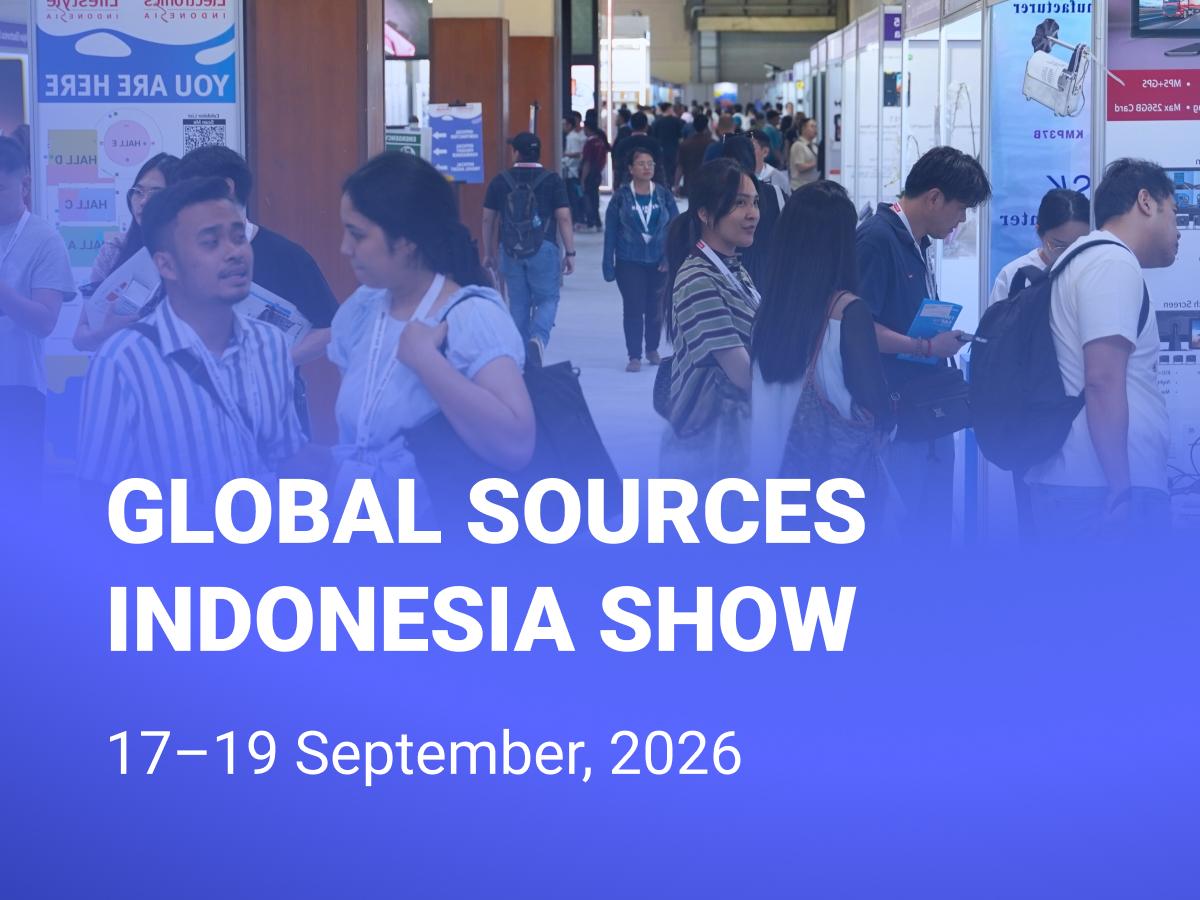


Most exhibitors underestimate how much their display affects what happens at a trade show. The products can be excellent. The team can be knowledgeable. But if the booth does not stop people walking past it, none of that matters. According to Exhibit Experience, 76% of trade show attendees say booth design influences their decision to visit a booth. That means your exhibit often decides whether prospects walk by or walk in.
The peculiar thing about outdoor trade show displays is that they serve two audiences simultaneously. The first is the individual walking the show floor, trying to determine which booths are worth their time. The second is the brand team, who should have a place where demos are simple, conversations are fruitful, and lead capture is straightforward.
This guide covers the display types that actually perform at outdoor and sports trade shows, the design and material decisions that matter, the logistics that catch teams off guard, and why events like the Global Sources Hong Kong Show are worth planning your exhibition displays around.
TL;DR: Trade show exhibitions outdoors may range from a pop-up banner to fully constructed exhibition booths complete with product demonstration areas and digital screens. The most successful displays are well executed in terms of brand messaging, durability, and layout, and attract traffic naturally. This guide explains how to prepare your trade show displays for a sports trade show or outdoor industry event in 2026, what works, and what does not.
What Are Outdoor Trade Show Displays and Why Do They Matter?
Outdoor trade show displays are the physical structures, graphics, and branded materials that exhibitors use to present their brand and products at trade shows and exhibitions. They range from a single retractable banner to a fully built custom booth occupying a large floor footprint.
The display is not a decoration. It is the first communication a brand makes with everyone who walks past the booth. It signals what the brand does, who it is for, and whether stopping is worth three minutes of an attendee's time. That communication happens in roughly three seconds before the attendee decides to keep walking or change direction.
What outdoor trade show displays actually communicate to a buyer walking past:
- Whether the brand belongs in the outdoor and sports category or is a general merchandise company trying to fit in
- Whether the products are designed for serious outdoor use or casual recreational use
- Whether the team behind the booth is worth having a conversation with
- Whether the brand has invested enough in its own presentation to be taken seriously as a supplier
- Whether the booth has something worth stopping for or whether it looks like every other booth in the row
For outdoor brands specifically, the display needs to communicate something about the environment the brand actually belongs to. A camping gear company with a corporate-looking booth creates a disconnect that attentive buyers notice immediately. The display needs to feel like it belongs to the same world as the products it is presenting. That alignment between brand environment and display aesthetic is what separates booths that attract the right buyers from booths that attract general foot traffic without commercial intent.
The gap between a display that produces qualified conversations and one that produces casual browsing is almost entirely explained by this alignment. Buyers who walk a show floor all day develop a quick instinct for which booths are worth their time. The display is what triggers that instinct in the first three seconds before any conversation begins.
What Types of Outdoor Trade Show Displays Are There?
Different display formats serve different booth sizes, budgets, and objectives. Understanding the options helps exhibitors match the display to the specific event and space allocation.
Pop-Up Displays and Backwall Systems
Pop-up displays are the most widely used format for exhibitors working with standard 10 by 10 or 10 by 20 foot booth allocations. They assemble quickly, pack into manageable cases, and provide a full backwall graphic surface that anchors the booth visually.
Pop-up display characteristics:
- Lightweight aluminum frame assembles without tools in under 15 minutes
- Fabric or graphic panel surface available in straight or curved configurations
- Full backwall coverage creates a clean, branded background for product displays
- Portable carrying cases often double as counters or display pedestals
- Replacement graphic panels available when messaging needs updating
The limitation of pop-up displays is that they communicate depth poorly. A flat back wall looks professional, but does not create the dimensional environment that draws attention from a distance on a busy show floor.
Modular Exhibition Displays
Modular displays use interchangeable components that configure into different layouts depending on booth size and show requirements. The same component system works for a 10 by 10 booth at a regional show and a 20 by 20 island booth at a major industry event.
Why modular systems appeal to regular exhibitors:
- Single investment covers multiple booth sizes and configurations
- Components are replaced individually when damaged, rather than replacing the entire system
- Layout flexibility accommodates different floor plan allocations across shows
- Storage and transport are more efficient than custom-built displays
- Brand consistency is maintained across different event sizes
For outdoor brands attending multiple shows annually, modular exhibition displays represent better long-term value than either disposable pop-up systems or fully custom builds.
Custom Built Exhibition Booths
Custom booths are designed and built specifically for a brand's requirements. They typically appear at major industry events where brands are making significant investments and need maximum impact on a competitive show floor.
| Display Type | Setup Time | Portability | Cost Range | Best For |
|---|---|---|---|---|
| Pop-up backwall | 10 to 15 min | High | Low to mid | Small booths, first shows |
| Retractable banners | Under 5 min | Very high | Low | Supplementary signage |
| Modular system | 30 to 60 min | Medium | Mid | Regular exhibitors |
| Tension fabric display | 20 to 40 min | High | Mid | Lightweight large format |
| Custom-built booth | Half to full day | Low | High | Major industry events |
| Hybrid system | 1 to 2 hours | Medium | Mid to high | Flexible requirements |
Tension Fabric Displays
Tension fabric displays have become increasingly popular for sports trade show displays because the printed fabric surface produces vibrant graphics, the frame packs flat for shipping, and the overall weight is considerably lower than comparable rigid panel systems.
The fabric pulls taut over an aluminum frame, resulting in a wrinkle-free graphic surface that photographs well and holds color accurately under show lighting. Backlit versions with LED panels built into the frame create additional visual impact on a crowded show floor.
What Makes an Outdoor Trade Show Display Actually Work?
Having a display is different from having a display that performs. The ones that consistently generate booth traffic and productive conversations share a set of characteristics that have nothing to do with budget.
Clear Brand Messaging at Distance
The first question any display needs to answer from ten meters away is what the brand does. Not the company tagline. Not the product range. Just the category. "Performance outdoor gear" tells a buyer immediately whether to keep walking or change direction. A brand logo in isolation tells them nothing unless they already know the brand.
Display messaging hierarchy:
1. Category or problem statement at the top of the display, largest text, readable from a distance
2. Brand name and logo are prominent but secondary to the category message
3. Product or range identifier for buyers who have already decided to approach
4. Call to action or specific offer for buyers who are now at the booth
Most exhibitors invert this hierarchy by putting the brand logo largest and the category messaging smallest. That works when brand recognition is high. For most companies at most shows, it works against them.
Product Integration Into the Display Structure
The display and the products should work together rather than existing separately. Products sitting on tables in front of a branded backwall create a separation between the display and the thing the display is supposed to communicate.
Ways to integrate products into display structures:
● Recessed product shelving built into the backwall system
● Hanging points for apparel and soft goods on the display frame itself
● Demo stations positioned as extensions of the main display structure
● Interactive touchpoints built into the counter or pedestal elements
● Product photography at scale incorporated into graphic panels
For outdoor brands specifically, showing products in context produces better results than showing products on plain shelves. A tent displayed as set up rather than boxed. A jacket displayed on a figure in an outdoor scene rather than flat on a hanger.
Lighting That Works For the Display
Show floor lighting is generally inadequate for making products look their best. Exhibitors who bring their own lighting consistently stand out against booths relying on venue overhead lighting.
Lighting options for trade show displays:
● LED spotlights clamped to the display frame uprights, angled at the products
● Backlit fabric panels with integrated LED systems
● Perimeter lighting at floor level creates depth and dimension
● Counter lighting highlighting featured products at interaction height
● Colored accent lighting reinforces brand palette
The investment in display lighting is modest relative to the total booth cost, and the impact on how the booth photographs and how products appear in person is disproportionate to the cost.
What Materials Should Outdoor Trade Show Displays Use?
Material selection affects display longevity, portability, setup complexity, and how the display holds up through multiple shows and shipping cycles.
Frame Materials
Aluminum is the standard frame material for portable displays because it balances strength with weight. Extruded aluminum profiles used in modular systems provide the rigidity needed for large display structures without the weight penalty of steel.
Fabric stretch frames use a lighter aluminum profile that the fabric wraps around and locks into. These systems pack flatter and lighter than panel-based systems and have become the preferred format for exhibitors prioritizing shipping costs.
Graphic Surface Materials
| Surface Material | Visual Quality | Durability | Weight | Best Application |
|---|---|---|---|---|
| Printed fabric | Excellent | Good | Light | Tension frame systems |
| Foam board panels | Good | Low | Light | Single-use displays |
| PVC banners | Good | Very good | Medium | Outdoor use, repeated shows |
| Aluminum composite | Excellent | Excellent | Heavy | Permanent or semi-permanent |
| Backlit film | Outstanding | Medium | Light | Illuminated displays |
Hardware and Accessories
The quality of connectors, feet, and locking mechanisms determines how reliably a display assembles correctly after multiple shipping and setup cycles. Cheap hardware fails at exactly the moment it causes the most disruption, during setup on the morning of show opening.
Checklist for hardware quality evaluation:
● Connector tolerance allowing smooth assembly without forced fitting
● Locking mechanisms that engage positively rather than just friction-fit
● Replacement part availability from the display supplier
● Tool-free assembly for all primary components
● Weight rating for any shelving or product display elements
How Do You Plan Outdoor Trade Show Displays for a Sports Show?
Planning a display for a sports trade show involves decisions that need to be made weeks before the show opens, not in the days immediately before setup.
Pre-Show Planning Timeline
12 weeks before the show:
1. Confirm booth dimensions and orientation from the show organizer
2. Decide on display format based on budget, booth size, and shipping logistics
3. Brief graphic designer on messaging hierarchy and visual requirements
4. Order display hardware to allow time for delivery and pre-show testing
8 weeks before the show:
1. Finalize graphic artwork and submit to the display supplier for production
2. Confirm shipping address and delivery window for the venue
3. Arrange show services, including electricity, internet, and any required furniture
4. Book travel and accommodation for the booth team
4 weeks before the show:
1. Receive the display and test the full assembly before packing for shipment
2. Confirm all graphic panels are correct and undamaged
3. Pack display with setup instructions accessible without unpacking everything
4. Prepare the lead capture system and any handout materials
Show week:
1. Arrive early enough to complete setup without rushing
2. Document the assembled display with photographs for future reference
3. Brief all booth team members on the display layout and traffic flow
4. Test any technology elements, including screens, lighting, and charging points
What Should Outdoor Exhibitors Know About Sports Trade Show Displays?
Sports trade show displays face specific demands that general corporate exhibition environments do not. The audience is knowledgeable about products. The competition on the show floor is intense. And the product categories often require demonstration space that standard display formats do not accommodate naturally.
Space Allocation for Product Demonstration
Outdoor and sports products frequently require space to demonstrate properly. A sleeping bag demonstration needs floor space. A jacket fit test needs a mirror and enough room for the attendee to move. A hydration system demo needs access to water.
Demo space planning principles:
● Allocate a minimum of 30 percent of the total booth footprint to the demonstration activity
● Position the demo area visible from the aisle rather than at the back of the booth
● Ensure demo activity does not block access to the rest of the display
● Build storage into the display structure for demo inventory and materials
● Plan for waste and cleanup if demos involve consumable products
Traffic Flow and Team Positioning
The most common booth design mistake is creating a layout that makes it difficult for attendees to enter the booth naturally. Displays that run the full width of the booth front create a barrier rather than an invitation.
Traffic flow design principles:
1. Leave at least one clear entry point that draws visitors into the booth interior
2. Position team members in the middle of the booth rather than behind a counter at the front
3. Place the highest-interest product or demo at the back of the booth to pull visitors through
4. Create a separate area for longer conversations that does not block the entry point
5. Ensure lead capture happens at the exit rather than the entry to avoid deterring visitors
Where Should Outdoor Brands Exhibit Their Trade Show Displays?
Choosing the right show is as important as building the right display. Not every trade event reaches the buyers and distributors that an outdoor brand needs to connect with.
The Global Sources Hong Kong Show, running April 27 to 30, 2026, at AsiaWorld-Expo in Hong Kong, is one of the most significant events in Asia for sports and outdoor brands connecting with buyers and distributors across global markets.
Why the Global Sources Hong Kong Show matters for outdoor exhibitors:
● Direct access to buyers and distributors from across Asia, Europe, and North America in a single event
● The sports and outdoor category focus means the audience is specifically relevant
● Four-day format provides enough time for meaningful conversations beyond initial contact
● On-site sourcing infrastructure supports serious business development rather than just brand awareness
● Verified buyer attendance reduces the proportion of time spent on non-qualified visitors
For outdoor brands planning exhibition displays for 2026, the Global Sources Hong Kong Show represents one of the highest-concentration opportunities to put a well-designed display in front of qualified buyers at scale.
Exhibition display checklist for the Global Sources Hong Kong Show:
● Confirm booth dimensions and orientation from Global Sources show management
● Design a display to communicate the brand category clearly from an aisle distance
● Allocate demonstration space appropriate to the product range
● Plan lighting to compensate for the large venue's overhead lighting
● Prepare a lead capture system compatible with the follow-up process
● Ship display to arrive with sufficient time for pre-show testing
Conclusion
Outdoor trade show displays are not just branded furniture. They are the first communication a brand makes with every qualified buyer who walks past the booth. The displays that consistently generate traffic and productive conversations share clear messaging visible from a distance, product integration that makes the brand's offer immediately apparent, and a layout that makes it easy for visitors to enter and engage.
Getting the display right requires decisions made weeks before the show, not during setup. Material selection, graphic hierarchy, demo space allocation, and lighting all affect performance in ways that cannot be corrected on the show floor.
For outdoor and sports brands planning exhibition displays for 2026, the Global Sources Hong Kong Show provides one of the most concentrated opportunities to put a well-designed display in front of qualified buyers across global markets.

