




Image from iStock
Fabrication of metal and plastic parts is essential in a range of industries, from automotive to aerospace, where precision and durability are paramount. The process from raw material to finished product involves several stages, each requiring specific skills and equipment. Familiarity with fabrication processes can lead to better quality control, cost management and timely project completion, all of which are critical for maintaining a competitive edge.
Fabrication techniques for metal parts vary widely based on the type of material and the intended application. Common metals such as steel, aluminum and copper are selected for their strength, conductivity and corrosion resistance. The choice of material can significantly influence the methods employed and the final product's performance.
The versatility of plastic materials allows for a wide range of applications, from consumer electronics to medical devices. Plastic components are often preferred for their light weight and cost-effectiveness. Their fabrication has similarities with its metalworking counterpart but also features distinct processes and characteristics.
Metal parts
Cutting is the first step in metal parts fabrication, where raw metal sheets or bars are sized to meet specific requirements. Techniques such as laser, plasma and waterjet cutting offer precision and efficiency, allowing for intricate designs and minimal material waste.
Forming involves bending, pressing or rolling metal to achieve the desired shape. This process includes stamping, which uses a die to cut or shape the metal, and forging, where metal is heated and hammered into shape.
Joining processes are critical in assembling metal parts into a cohesive product. These include welding, soldering and bolting that ensure components are securely connected. The choice of joining method depends on the metal type, the strength required and the product's operating environment.
Plastic parts
Injection molding allows for the mass production of complex shapes with high precision as it involves injecting molten plastic into a mold, where it cools and solidifies. This handling of intricate designs quickly is what makes this process a popular choice for many industries.
Extrusion, meanwhile, entails melting the material and forcing it through a die to achieve the desired shape, ensuring a consistent cross-section in plastic parts such as pipes and profiles. Blow molding is used primarily for manufacturing hollow plastic parts, such as bottles and containers.
Advantages of outsourcing fabrication
Outsourcing parts fabrication offers several benefits, particularly for businesses looking to optimize resources and focus on core competencies.
Cost reduction is one of the primary advantages, as fabrication companies have access to bulk material purchases and streamlined processes, resulting in lower production costs. These manufacturers are also equipped to handle fluctuations in demand, ensuring that businesses can scale production efficiently to achieve faster time-to-market.
Quality assurance is another key benefit, as fabrication specialists have the expertise to maintain high standards and meet industry regulations and customer expectations.
Sourcing molds and dies
For businesses looking to procure molds and dies for their in-house parts fabrication, there are several factors to consider guaranteeing optimal performance and longevity of these tools.
Material selection is critical when choosing molds, with tool steel and carbide the preferred choices for stamping molds and hardened steel for injection molds for their durability and wear resistance.
Collaborating with reputable suppliers is just as vital. Experienced mold manufacturers can provide valuable insights into mold design and give support throughout the mold's life cycle.
Furthermore, the maintenance of molds is essential for prolonging their life span and maintaining product quality. Regular cleaning and inspection can prevent issues such as warping or misalignment, which can lead to defects in the final products.
When looking for dies, understanding the specific application requirements is essential. Dies are available in various types, including cutting, bending and drawing ones, and their precision and quality are as critical. Investing in high-quality dies can reduce downtime and maintenance costs associated with frequent replacements.
Lastly, cost considerations should not be overlooked. While high-quality dies may require higher initial investment, their long-term benefits in terms of durability and efficiency outweigh the costs.
Making informed decisions
Whether it's considering the advantages of outsourcing, understanding the role of key tools like molds and dies or selecting the right fabrication services, each decision impacts the final product’s success. By staying informed and strategically choosing partners and processes, businesses can position themselves for growth and innovation.
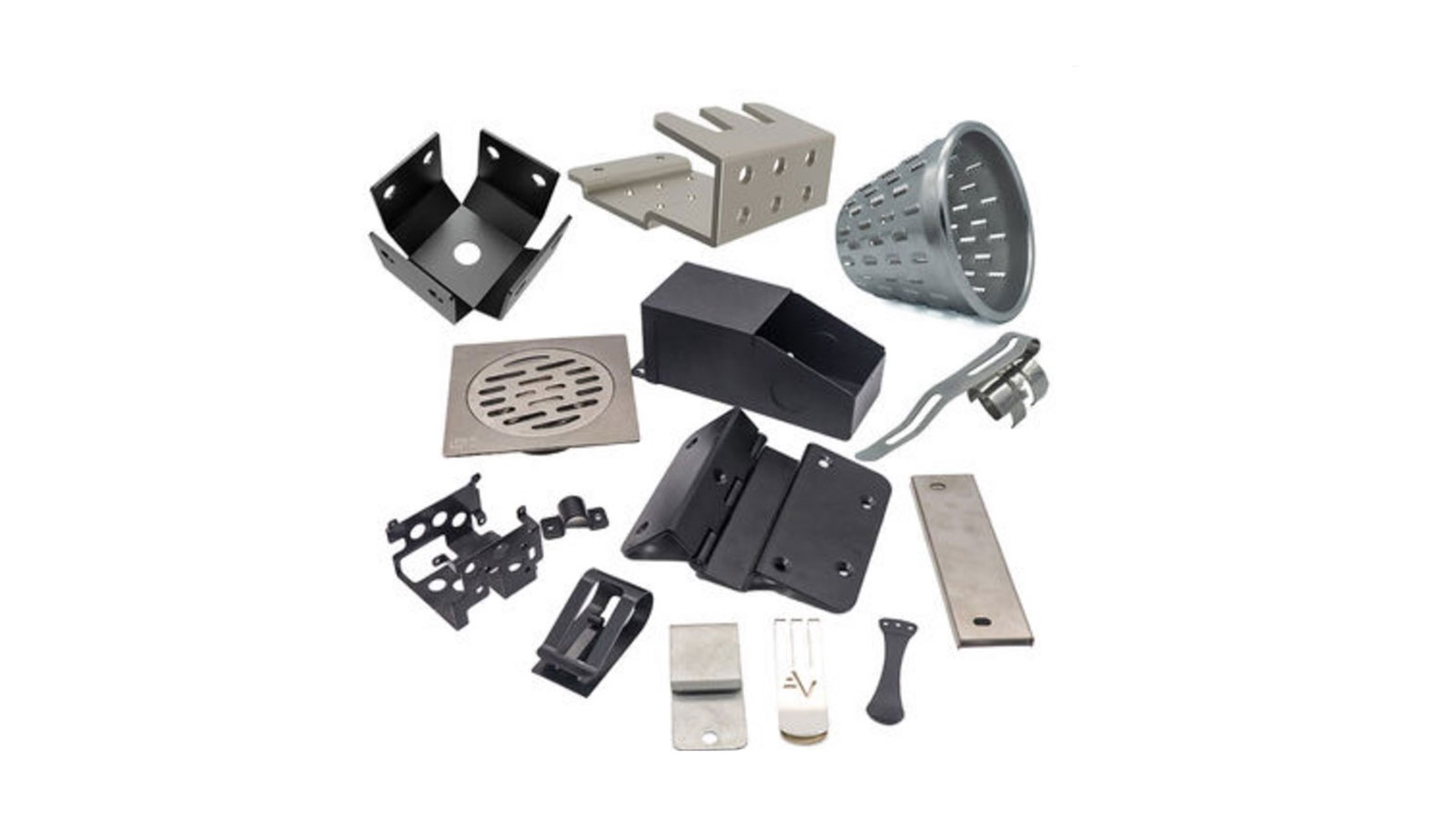
Aluminum or steel part
Company: Dongguan Huateng Metal Products Co. Ltd
Model HYLL050339 represents Dongguan Huateng’s capability to provide stamped metal parts using aluminum and steel as well as other materials such as plastic and wood.
MOQ: 1 piece
Lead time: 10 to 20 days
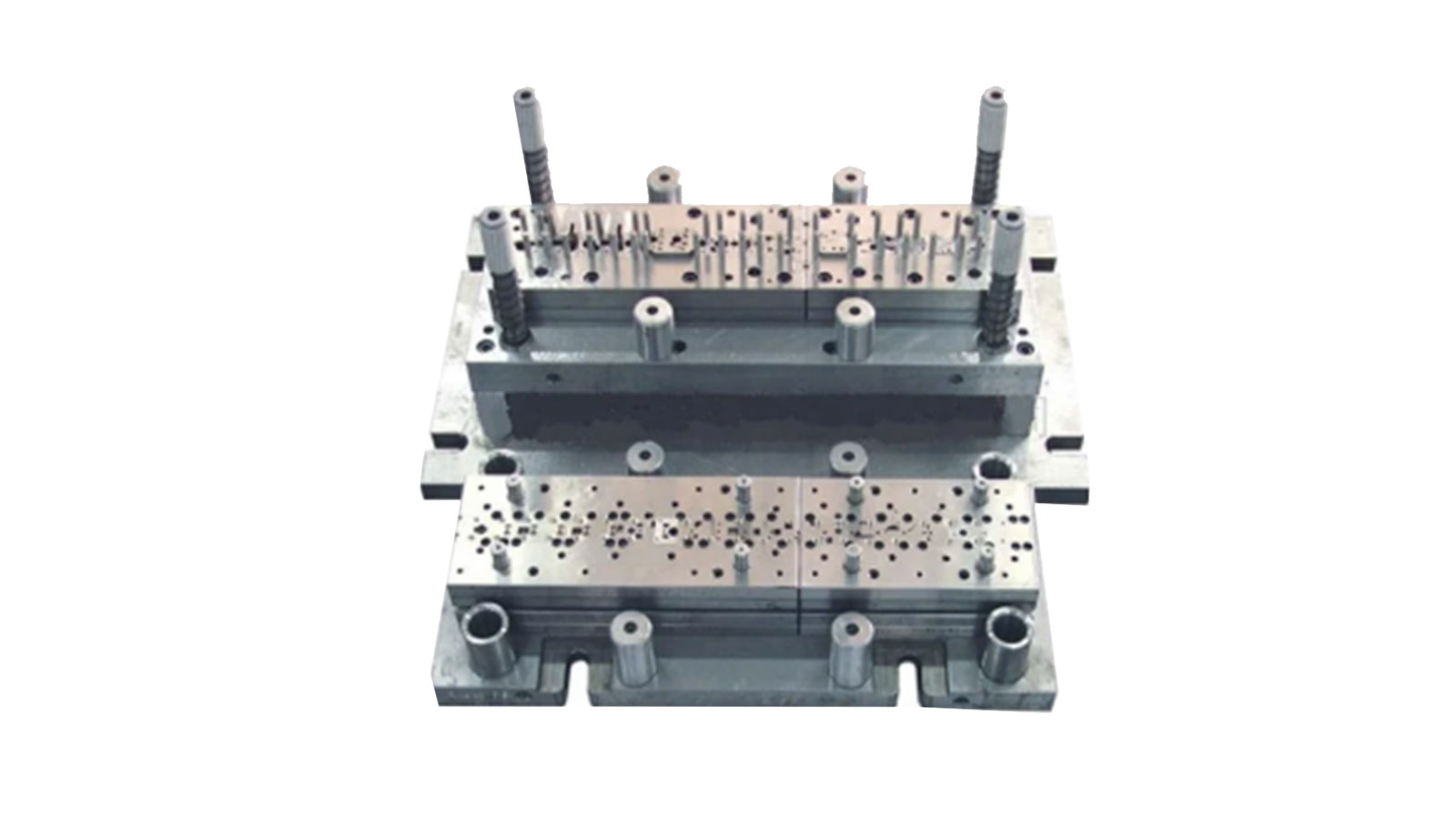
Progressive mold
Company: Dongguan Mei Jie Metal Parts Ltd
Dongguan Mei Jie designs and manufactures molds used in the production of stamped metal parts. Model MJ-SD-006 is a progressive mold made of copper, stainless steel and aluminum and has 0.01mm tolerance. Custom specifications may be in the form of AutoCAD, SolidWorks, Pro/Engineer or UG files. The company provides inspection report and material test certificates.
MOQ: 5 pieces
Lead time: 10 to 20 days
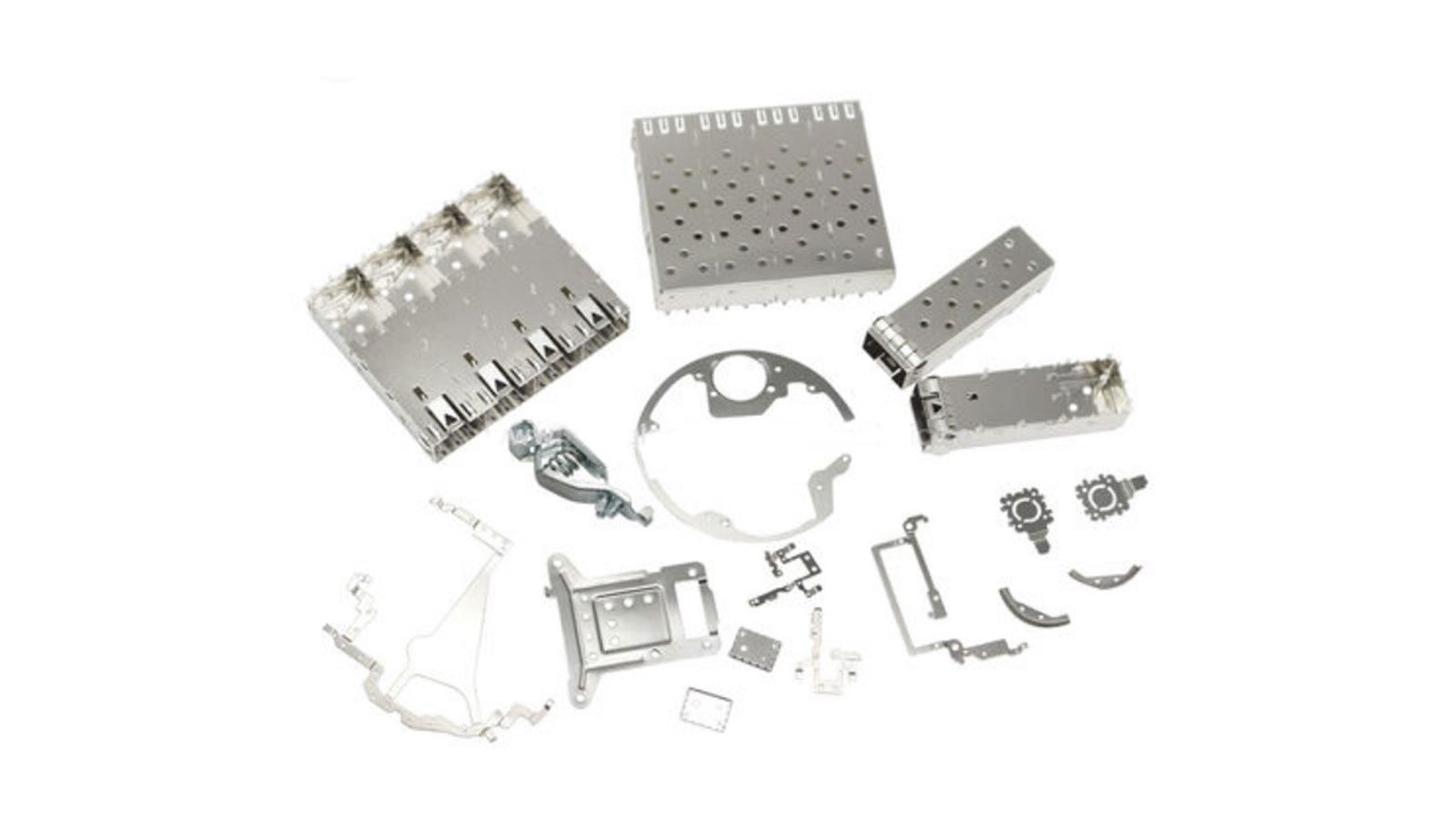
Stamped metal part
Company: Dongguan Xinruida Precision Technology Co. Ltd
Model LU179 is an example of Dongguan Xinruida’s production of stamped metal parts. The supplier accepts orders using aluminum, stainless steel, brass, copper, iron and plastic. It has facilities for various surface treatments such as polishing, passivating, sandblasting, laser engraving, zinc, nickel, chrome and gold plating, black oxide coating, carburizing, powder coating, clear, color and sandblasted anodizing, chemical filming, brushing and painting.
MOQ: 1 piece
Lead time: 10 to 15 days
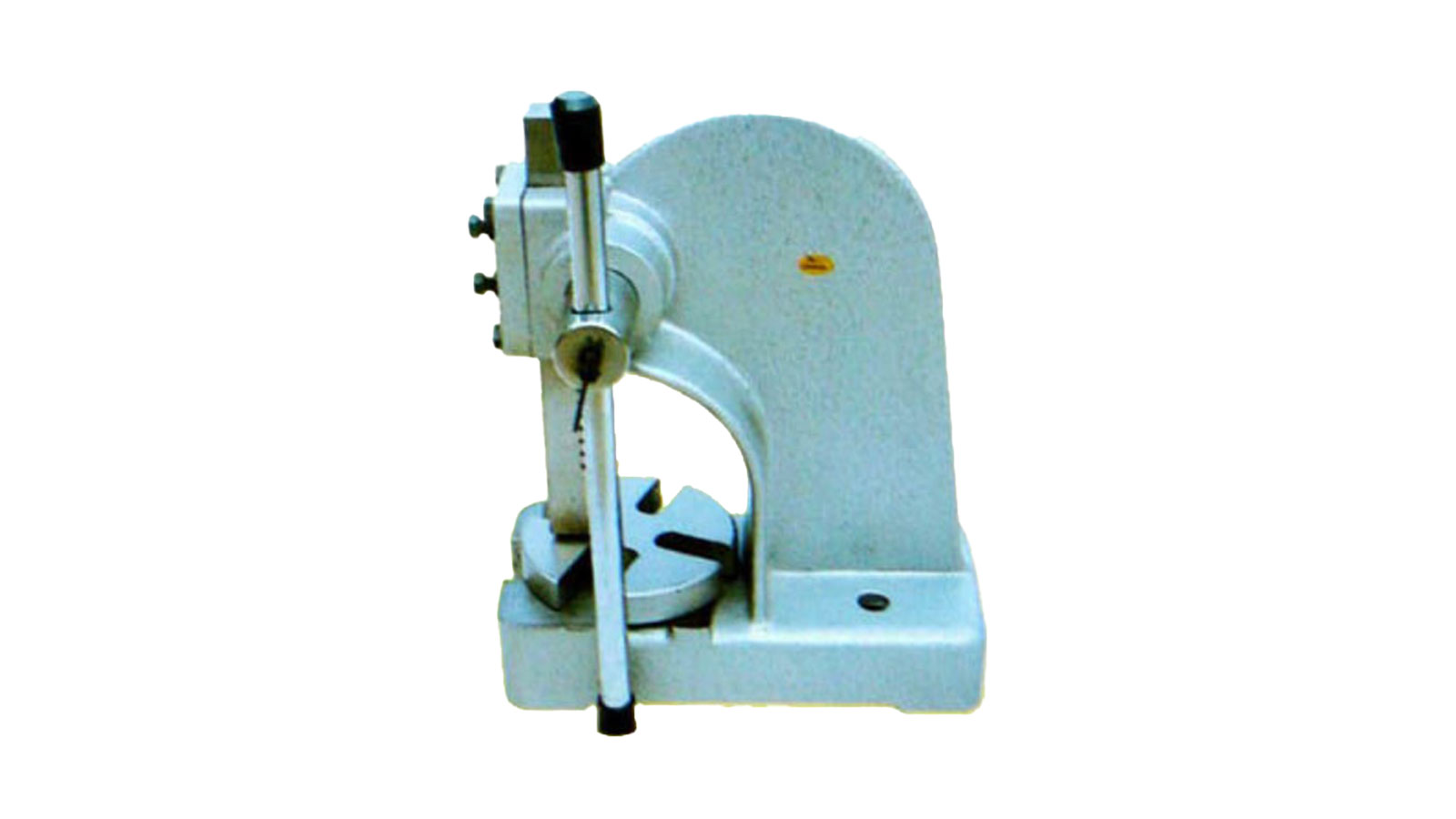
Arbor press
Company: Qingdao Tlead International Co. Ltd
Qingdao Tlead markets this arbor press, capable of delivering 5 to 50kN pressure. This tool, used for pressing, bending and machine disassembling, has heavy stub teeth and castings, a four-position anvil, and steel rams and pinions. Based on capacity, it comes in 0.5, 1T, 2T, 3T and 5T variants. A version with a ratchet wheel is also available.
MOQ: 50 sets
Lead time: 10 to 30 days
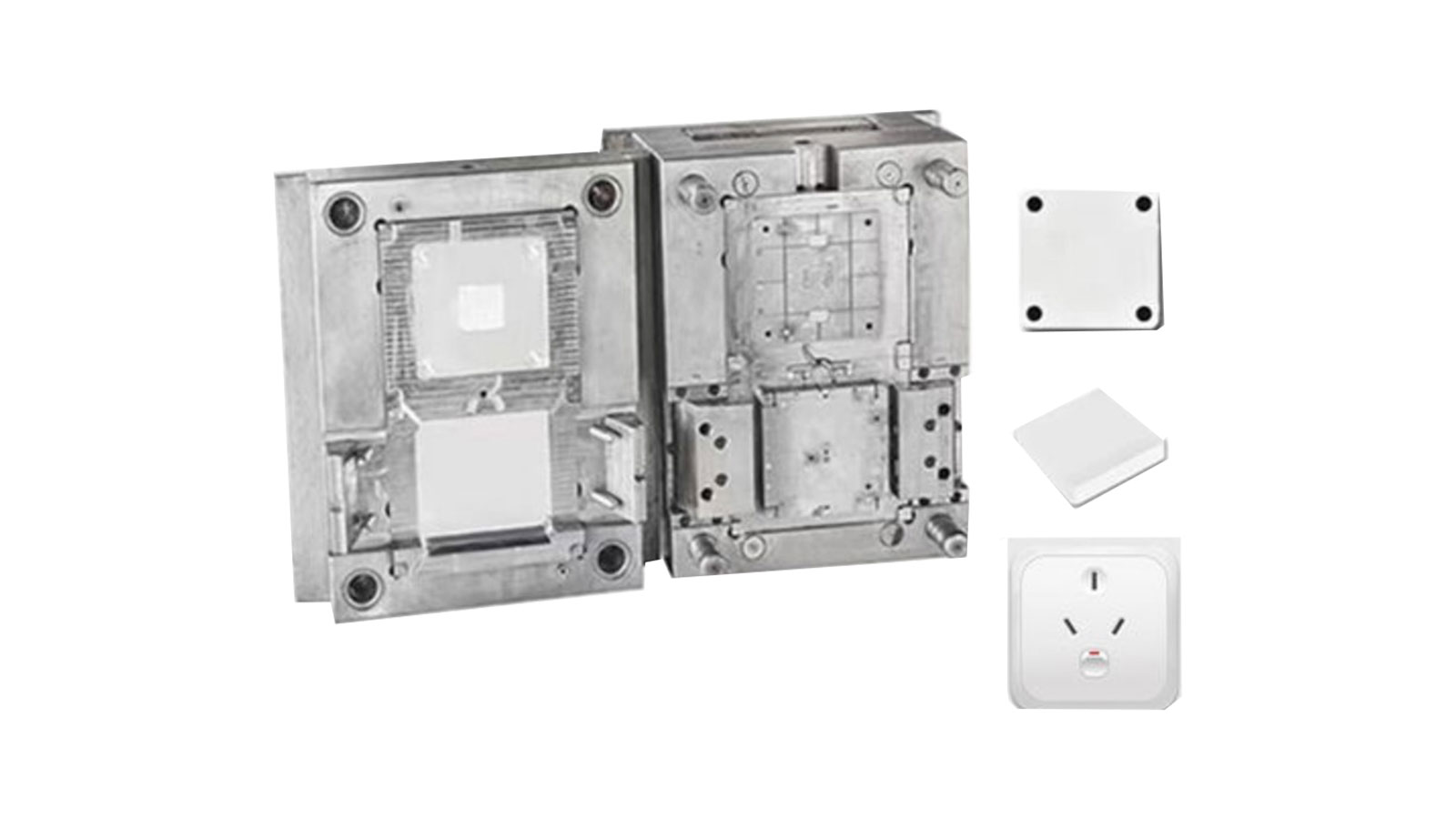
Injection mold
Company: YG Tech Corp.
YG’s model PI-10-001 is an injection mold made of aluminum, brass, carbide, copper, iron, stainless steel, steel, plastic and rubber. It is designed for making thermoplastic and thermoset parts.
MOQ: 1 set
Lead time: 30 to 50 days
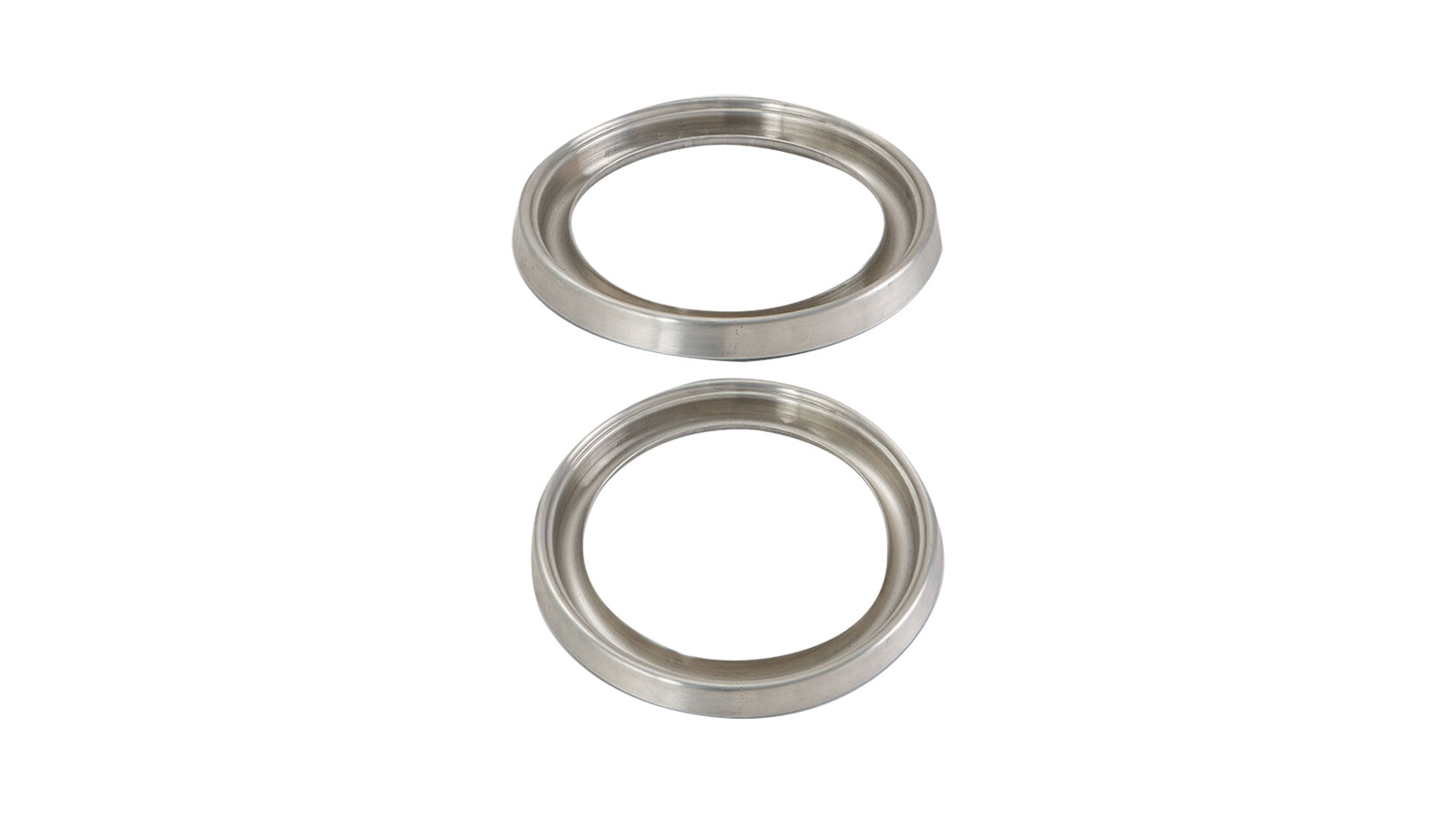
Metal ring
Company: Zhongshan Qili Electric Appliance Co. Ltd
The QL-2025172504 from Zhongshan Qili Electric Appliance Co. Ltd is a metal ring made using die-casting. The material used and the finished part size are customized. The supplier can achieve an accuracy of 0.01mm. It provides post-processing such as electrophoresis, electroplating, pickling, powder coating, painting, oxidation, heat treatment and testing as well as deburring, riveting, sponge affixing and welding services. CMM and 2D detector inspection methods are used.
MOQ: 10 pieces
Lead time: 10 to 20 days

