




Photoresistors, considered first-generation light sensors, may be a 150-year-old technology, but they remain relevant in many applications. This is despite the succeeding discoveries of true semiconductor devices photodiodes in the early 1900s and phototransistors in the mid-1960s.
Also known as light-dependent resistors (LDRs), photoresistors are used in street and other outdoor lights to make them automatically turn on at nightfall and off at sunrise. They adjust exposure in camera light meters and trigger laser-based security alarms, while these devices modify the brightness of alarm clocks and nightlights based on the amount of ambient light detected.
In new energy applications, LDRs help direct the angle of solar panels to where the sun shines the brightest and maximize energy capture. In other solar power systems, they prompt the opening and closing of protective shutters on PV modules. Robotics and automation employ photoresistors as well, enabling detection of objects or obstacles.
In smart homes, photoresistors can be added to other sensors and become part of a photoelectric control system for monitoring and controlling light, temperature and humidity.
In addition, photoresistors still find applications in modern electronic devices such as smartphones, smartwatches, tablets, e-book readers and drones. They cost less than advanced light-sensing devices, are widely available and have the advantages of adjustable sensitivity and low power consumption. These LDRs support bidirectional operation as well, making them easy to integrate into circuits, and deliver acceptable performance in applications where a high degree of sensitivity and response time is not critical.
China-made photoresistors
Taking advantage of the expanding application base, Chinese manufacturers of LDRs are improving these devices’ sensitivity and optical spectrum, besides developing them in smaller configurations to comply with miniaturization.
They are capitalizing on new materials made available in recent years. These inputs include silicon dioxide, indium oxide and indium-tin oxide, presented as better alternatives to widely used cadmium sulfide, zinc sulfide and palladium sulfide.
Silicon dioxide is nontoxic and compatible with silicon-based components, in addition to being low-cost. Indium oxide, meanwhile, offers high optical transparency and good electrical conductivity, while the addition of tin in indium-tin oxide improves electrical conductivity without affecting its ability to transmit light.
However, the cost of these new materials is still high but may gradually go down and boost their adoption in the coming years.
At present, photoresistors from Chinese suppliers are mostly based on cadmium sulfide, although variants using other materials including the new ones can be sourced. They are available in DIP and SMD packages. DIP units have ceramic substrates in diameters of 3, 4, 5, 7, 11, 12, 20 and 25mm.
The typical specifications are 8 to 20kohm light resistance, 1Mohm minimum dark resistance, 30ms maximum response time, 100mW maximum power consumption and -30 to 70 C operating temperature. These can be customized according to requirements.
Huizhou Newopto has introduced a series of photoresistors in SMD packages, replacing traditional cadmium sulfide units for night lamps, smartphones, cameras and light detection and testing equipment.
Chinese companies use semiconductor materials, metal contacts, ceramic substrates, epoxy and metal packaging materials, and pins sourced from domestic or foreign providers. Most make sure their products conform to industry standards such as UL, CE and RoHS.
Manufacturing base for photoresistors
China is one of the largest production centers for photoresistors, with entry-level and midrange units forming the bulk of output.
There are more than a hundred suppliers there, with the majority being small and midsize domestic companies exporting mainly to Europe, North America and Asia. LDRs account for 10 to 40 percent of their shipments, and other electronic components such as diodes, resistors and capacitors the rest. These manufacturers are found in Shenzhen, Dongguan, Suzhou, Ningbo, Anyang and Xi’an.
Growing photoresistor market
The global market remains dominated by Yageo, KOA and ROHM, which in 2023 respectively had 34, 9 and 6 percent shares, according to YuBoZhiYe Industry Research Institute.
Globally, photoresistors are expected to be valued at $700 million by 2025, rising from $500 million in 2019 and $550 million in 2021, according to YuBoZhiYe.
The Chinese market experienced the same trend in past years, with some suppliers boosting their output by adding factory space and production lines. Many are confident of increasing sales.
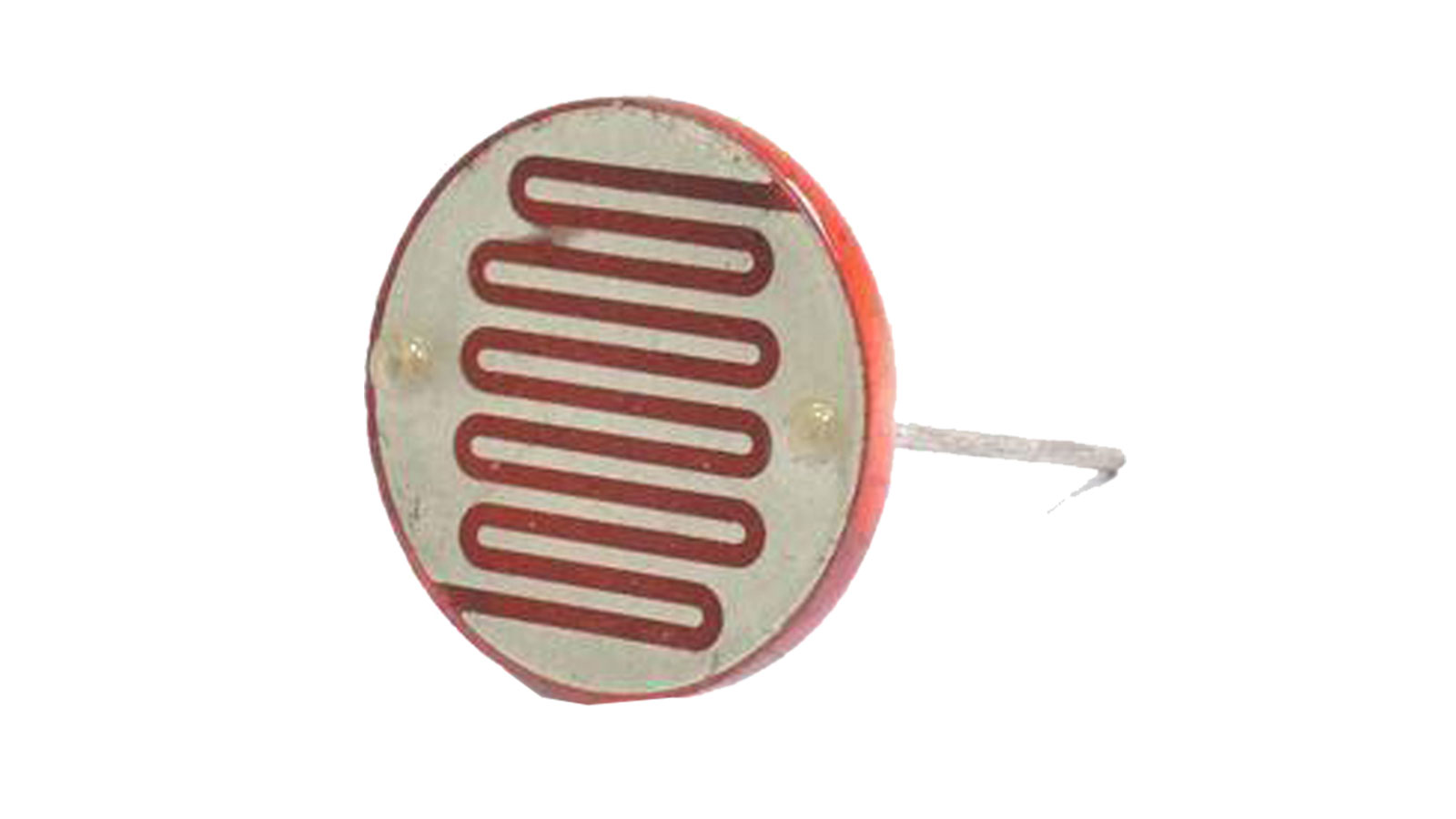
Photoresistor, 5 to 100kohm light resistance
Company: Nanyang Senba Optical and Electronic Co. Ltd
The GL125 Series photoresistor from Nanyang Senba has 5 to 100kohm light and 1, 2, 3 5 or 8Mohm dark resistance, 30ms response time and -30 to 70 C operating temperature. The maximum voltage and power are 250V and 200mW.
MOQ: Negotiable
Lead time: 7 days
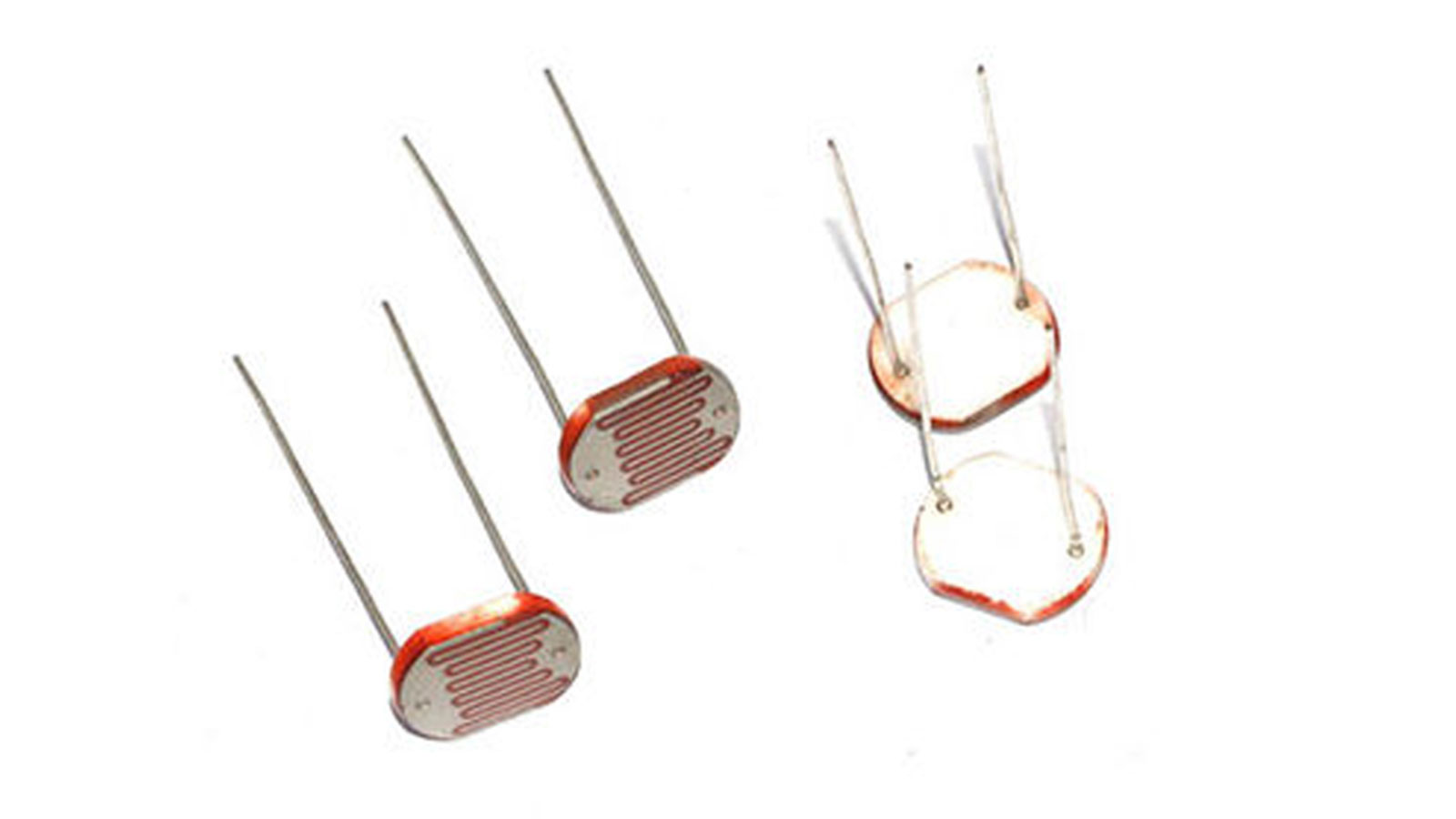
Photoresistor, 10 to 20kohm light resistance
Company: Nova Technology (HK) Co. Ltd
Nova’s model Photo Resistor has 150V maximum voltage, 100mW maximum power and 10 to 20kohm light and 1Mohm dark resistance.
MOQ: 1,000 units
Lead time: 5 days
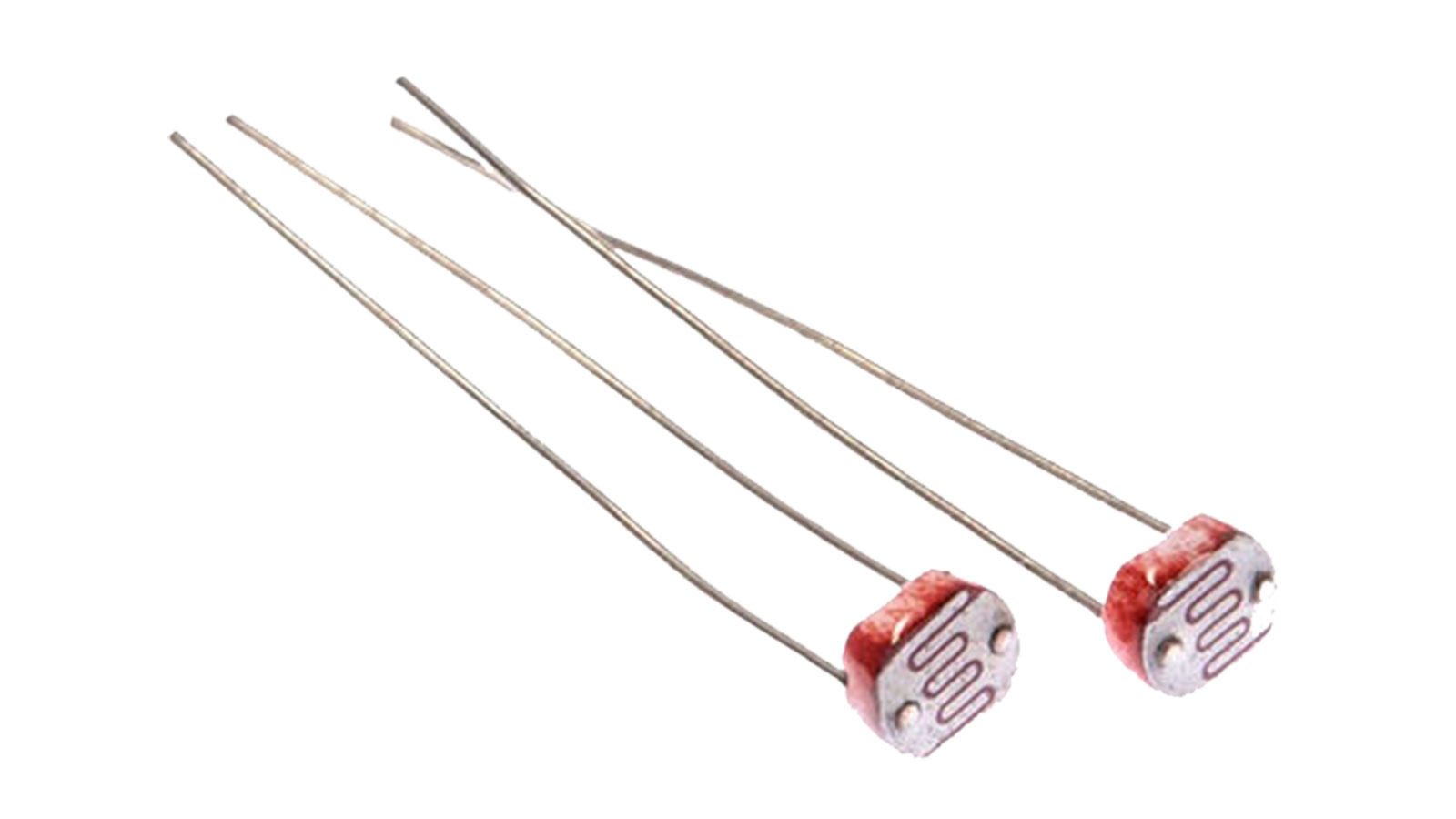
Photoresistor, below 45kohm light resistance
Company: Shenzhen Ke Zhi You Technology Co. Ltd
The GL5516 from Shenzhen Ke Zhi You is a photoresistor with 150V maximum voltage, 100mW maximum power, less than 45kohm light and more than 200Mohm dark resistance, 20m up and 30ms down response times, and -30 to 70 C operating temperature.
MOQ: 3 boxes
Lead time: 7 days
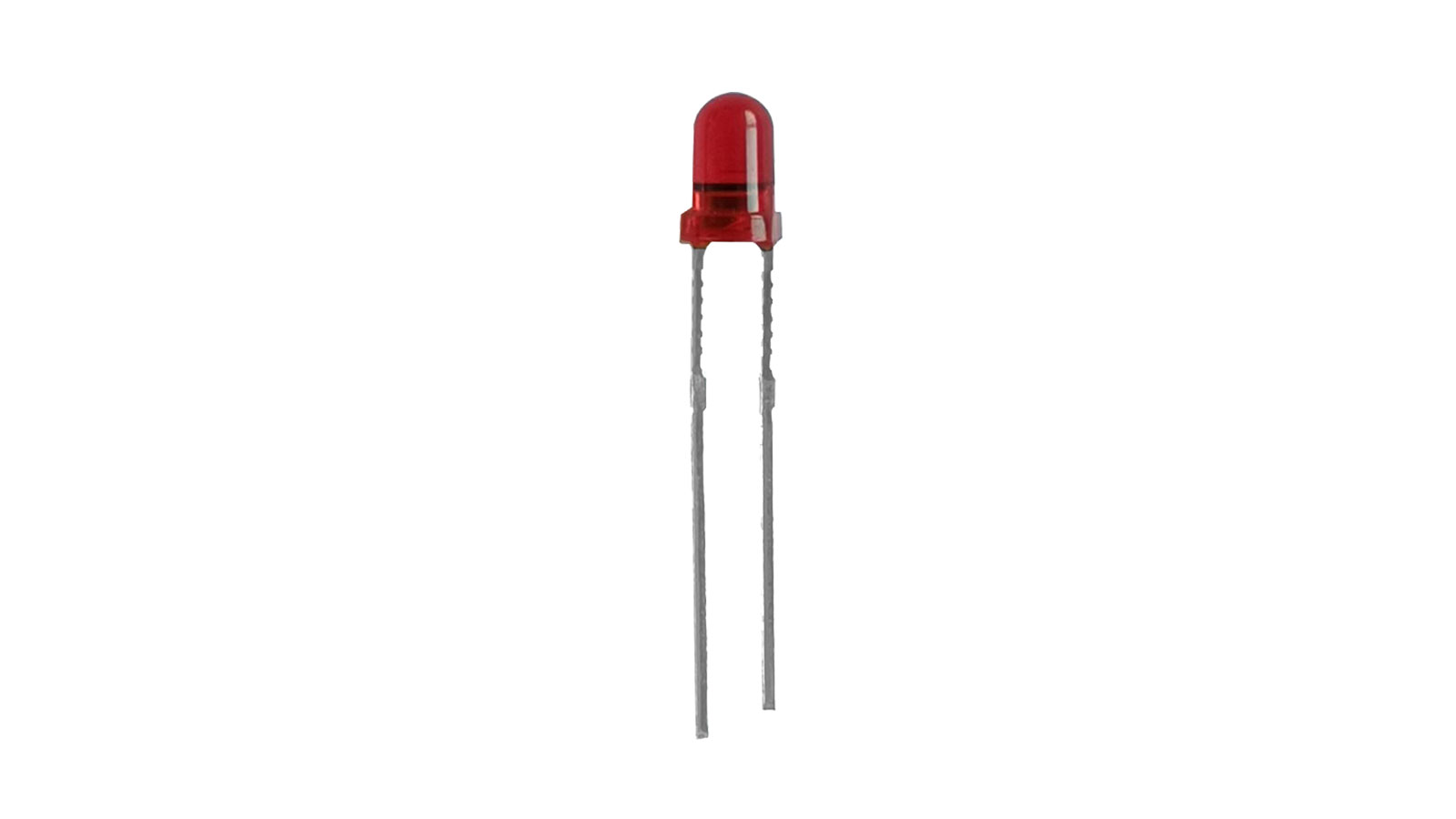
Photoresistor, 400 to 1,100nm spectrum range
Company: Shenzhen Shuguan Electronic Technology Co. Ltd
Suitable for use in optical communications, amplifiers and sensors, the PD204R6 photoresistor from Shenzhen Shuguan has 400 to 1,100nm photosensitive spectrum range, 940nm photosensitive peak wavelength and 25ns response time.
MOQ: 10 units
Lead time: 7 days

