




Table of Contents
Prefab vs Modular Homes: Detailed Comparison Chart Breakdown
Prefab vs Modular Homes, What Are the Key Differences
Prefab vs. Traditional Construction: Pros and Cons
Sourcing Prefab Houses on GlobalSources.com for Home Use and Business Purposes
Prefab vs Modular Homes: Detailed Comparison Chart Breakdown
| Feature | Prefab Homes | Modular Homes |
|---|---|---|
| Definition | Prefabricated homes are manufactured off-site in advance, usually in standard sections that can be easily shipped and assembled. | Modular homes are a type of prefab home, but are built in modules that are then transported to the site and assembled. |
| Construction Process | Built in a factory setting and then transported to the site for assembly. | Constructed in modules at a factory and then brought to the site where they are assembled into a single structure. |
| Design Flexibility | Often have a range of design options but can be somewhat limited compared to traditional stick-built homes. | Typically offer more customization options than other prefab types, but still may have some design constraints. |
| Building Codes | Must adhere to the same local building codes as traditional homes once assembled on-site. | Must conform to the same building codes as site-built homes, often with additional standards due to the transportation of modules. |
| Foundation Requirements | Require a permanent foundation similar to traditional homes. | Also require a permanent foundation, which is prepared on-site before module assembly. |
| Assembly Time | Can be quicker to assemble than modular homes depending on the design complexity and size. | Assembly is generally fast because the modules come pre-fitted with electrical, plumbing, and HVAC. |
| Cost | Generally, more cost-effective than traditional construction due to mass production and reduced labor costs. | Can be more cost-effective than traditional construction, but costs can rise with custom designs and finishes. |
| On-Site Work | Minimal on-site work required, mostly involving assembly and finishing touches. | More on-site work than panelized prefabs due to the need to join modules together seamlessly. |
| Relocation | Not typically designed to be moved once assembled. | Not designed to be relocated; they are permanent structures. |
| Popularity | Growing in popularity due to their eco-friendly nature and reduced construction time. | Increasingly popular for their strength, durability, and speed of construction. |
Prefab vs Modular Homes, What's the Differences?
In the realm of modern construction, two terms frequently surface, often intermingled but distinct in their own right: prefab homes and modular homes. While both fall under the umbrella of prefabricated construction and share similarities in their modern approach to housing, key differences set them apart. This introduction aims to demystify these terms and explore the nuances that distinguish prefab homes from modular homes.
What are Prefab Homes?
Prefab homes, short for prefabricated homes, are residences constructed in a factory-like setting. The term is broad, encompassing a variety of building styles and methods, including modular homes, panelized homes, and pre-cut homes. Essentially, prefab serves as a category for any home that is partially or wholly built off-site before being transported to its final location for assembly [1].
What are Modular Homes?
Modular homes are a subset of prefab homes, constructed in modules or sections. These are fully built in a controlled factory environment and then transported to the building site where they are assembled onto a permanent foundation. Modular homes are designed to conform to the same local building codes as site-built homes, sometimes with additional regulations due to the intricacies of their construction process [2].
Key Differences Between Prefab and Modular Homes
Manufacturing Process
The manufacturing process of prefab homes can vary widely. They may be produced in panels (panelized homes), as log cabins, or in sections that are not entirely complete until they reach the final site. In contrast, modular homes are always built in modules that are virtually complete when they leave the factory. These modules include pre-installed plumbing, electrical systems, and even finished interiors [3].
Design Flexibility
Prefab homes offer a range of design options, but there can be limitations due to the nature of their construction and transportation. However, modular homes typically provide more customization possibilities. Since they are designed in modules, they can often be configured into a multitude of layouts and designs, offering homeowners the ability to tailor their space more closely to their desires [4].
Assembly Time
Prefab homes can be quicker to assemble on-site than traditional homes due to the pre-made elements. However, modular homes can be even faster to construct since entire rooms or sections arrive ready to be joined together. This rapid assembly is a hallmark of modular construction, which can significantly shorten the overall building timeline [1].
Foundation Requirements
Both prefab and modular homes require a permanent foundation, but the specifications may differ. Prefab components might be designed for a variety of foundation types, while modular homes often require a specific foundation structure that aligns with the module design and supports the weight and shape of the pre-built sections [2].
Cost
Generally speaking, prefab homes are considered more cost-effective due to mass production and reduced labor costs in a factory setting. Modular homes can also be cost-effective but might incur higher costs with increased customization and design complexity. The pricing for both types of homes can vary based on factors such as materials, transportation, and on-site assembly requirements [4].
On-Site Work
The on-site work for prefab homes typically involves joining the prefabricated sections and adding final touches. For modular homes, there's more on-site work related to securing the modules together and ensuring everything is structurally sound and seamless [3].
Relocation Potential
Prefab homes are generally not designed to be moved once assembled. Modular homes share this characteristic; once set on their permanent foundation, they are intended to remain in place as permanent structures [2].
Popularity and Trends
Prefab homes have been growing in popularity due to their potential environmental benefits and reduced construction time. Modular homes have also been gaining traction for their robustness, durability, and relatively quick construction timeline compared to traditional site-built houses [1].
Conclusion
While prefab and modular homes share common ground as innovative housing solutions born from prefabrication techniques, their differences are critical for potential homeowners to understand. From the intricacies of their manufacturing processes to design flexibility and cost implications, these distinctions play a pivotal role in determining which type of home is suitable for an individual's needs and preferences. As the housing market evolves, both prefab and modular homes stand out as compelling options that redefine what it means to build a home in the modern age.
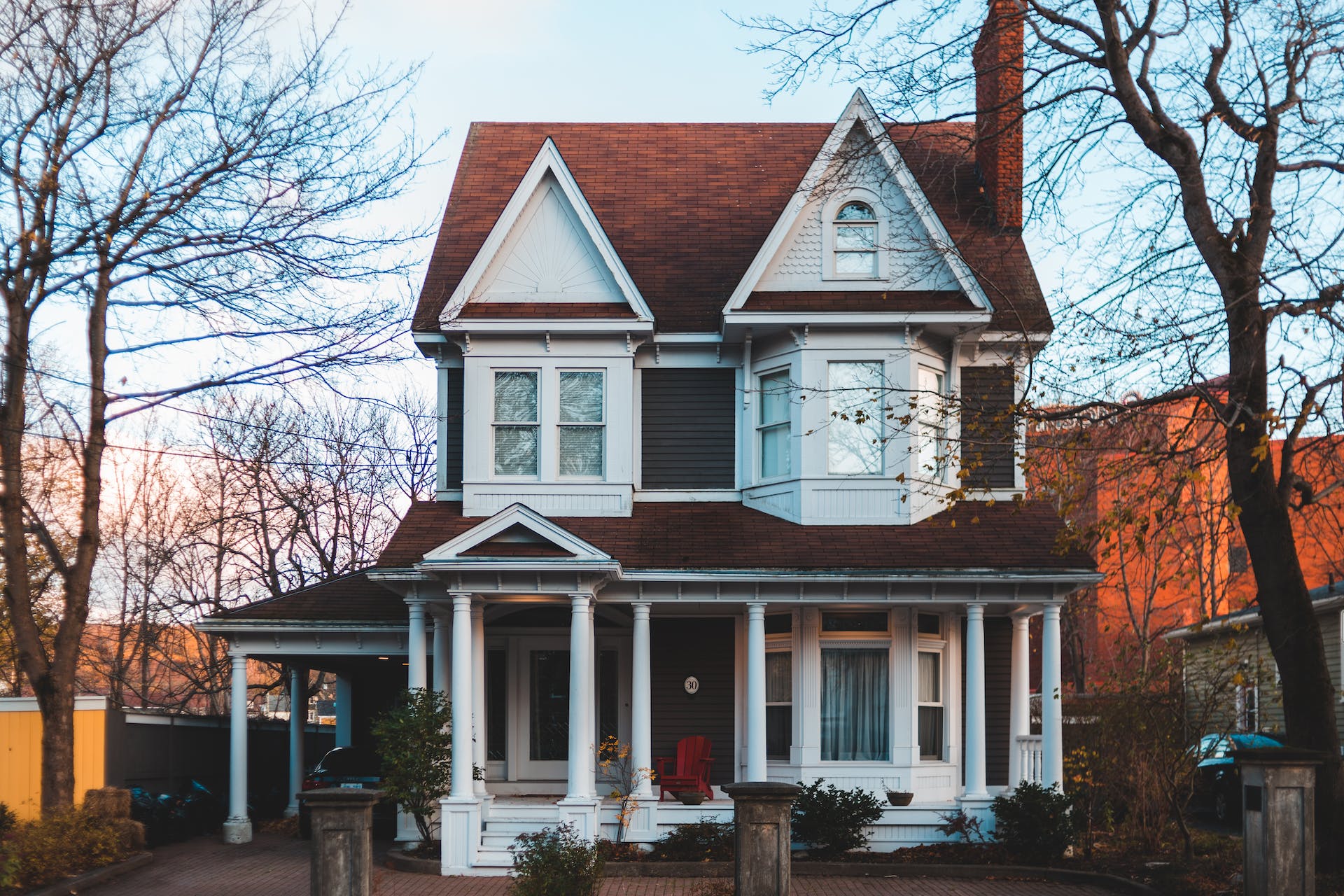
Prefab vs. Traditional Construction: Pros and Cons
The construction industry has evolved significantly over the years, offering various methods of building homes. Among these, prefab (prefabricated) and traditional construction are two prominent methods. Each comes with its own set of advantages and disadvantages.
Pros of Prefab Homes
- Time Efficiency: Prefab homes are known for their quick construction time. Since they are built in a controlled factory environment, there are no weather delays, and the assembly process on-site is rapid. This can significantly reduce the overall build time compared to traditional construction methods [7].
- Quality Control: In a factory setting, prefab components are constructed under controlled conditions, which can lead to higher quality builds due to stringent quality standards and reduced exposure to the elements [5].
- Environmental Impact: Prefab construction tends to be more environmentally friendly. The factory process allows for more precise material usage, reducing waste. Additionally, it's easier to incorporate sustainable materials and energy-efficient designs [5].
- Cost Predictability: With prefab homes, the costs are often more predictable. The controlled environment reduces the chances of unexpected costs due to weather delays or on-site construction issues [6].
Cons of Prefab Homes
- Design Limitations: While there is flexibility in design, prefab homes can come with certain limitations due to the transportation of modules to the site. Large or complex designs may be more challenging to execute than with traditional construction [6].
- Transportation Costs: The cost of transporting large modules from factory to site can be significant and must be factored into the overall budget [8].
- Perception: There can be a stigma attached to prefab homes, as some people perceive them as lower quality than traditional homes, although this is not necessarily the case with modern prefab construction [6].
Pros of Traditional Construction
- Customization: Traditional construction offers extensive customization options. Builders can adjust the project as it progresses, which can be beneficial for unique land features or specific design requests.
- Local Labor: This method supports local labor markets and can have a positive impact on the local economy.
- Established Process: Traditional construction methods are well-established in the industry, with a wide range of experienced professionals available.
Cons of Traditional Construction
- Time-Consuming: Traditional construction typically takes longer than prefab due to factors such as weather, scheduling, and the sequential nature of the building process.
- Waste Production: On-site construction can lead to higher levels of material waste compared to the streamlined process in a factory setting.
- Cost Overruns: There is a higher risk of unexpected costs due to potential delays, changes in material prices, and other unforeseen issues during construction.
In summary, choosing between prefab and traditional construction depends on various factors including time, budget, design preferences, and values around sustainability. While prefab offers efficiency and controlled costs, traditional construction provides extensive customization and supports local labor markets. Each method has its place in the industry, catering to different needs and preferences of homeowners and builders alike.
Sourcing Prefab Houses on GlobalSources.com for Home Use and Business Purposes
In an age where efficiency and sustainability are at the forefront of construction, prefab houses have emerged as a prime solution for both personal and business use. GlobalSources.com, a leading business-to-business (B2B) marketplace, offers a diverse array of prefab homes that cater to various needs and preferences. This platform connects buyers with reputable suppliers and manufacturers, making it an excellent resource for sourcing prefab houses. Here's why you should consider GlobalSources.com for your prefab housing needs, whether for personal use or as a business venture.
Diverse Range of Options
GlobalSources.com presents an extensive selection of prefab homes, from compact modular units to expansive multi-story structures. This variety ensures that, whether you're looking for a cozy tiny home or a larger dwelling to accommodate a family, there's something to suit your requirements. For businesses, the platform offers scalable solutions, from single units ideal for startups to bulk orders for larger enterprises.
Quality Assurance
One of the primary concerns in sourcing construction materials and units online is quality. GlobalSources.com addresses this by providing a platform where you can connect with certified suppliers whose products meet international quality standards. Many listings feature detailed descriptions, high-resolution images, and even virtual tours that give a clear idea of the quality you can expect.
Customization Opportunities
Prefab homes are celebrated for their customization potential, and suppliers on GlobalSources.com often offer bespoke services. This means you can tailor your home or product line to specific tastes and requirements, from the floor plan to the finishing touches like fixtures and fittings. For home use, this translates to a personalized space that reflects your style. For businesses, it allows the creation of a unique product offering that stands out in the market.
Cost-Effectiveness
Cost is a significant factor in the decision-making process. Prefab homes are generally more cost-effective than traditional constructions due to economies of scale in production and reduced on-site labor costs. GlobalSources.com provides competitive pricing by connecting you directly with manufacturers, cutting out middlemen and reducing additional costs. For businesses, this means better profit margins and for home users, more budget left for customization or other expenses.
Streamlined Sourcing Process
GlobalSources.com simplifies the sourcing process with user-friendly search tools and filters that allow you to quickly find what you're looking for. The platform also facilitates communication with suppliers through built-in messaging systems, ensuring swift and direct interactions. This is particularly beneficial for businesses looking to establish long-term relationships with manufacturers or negotiate deals.
Sustainability
Prefab construction is known for being more sustainable than traditional methods, a critical consideration in today's environmentally conscious market. The controlled manufacturing environment leads to less waste and more efficient use of materials. By sourcing from GlobalSources.com, you can find suppliers who prioritize eco-friendly practices and materials, enhancing the sustainability of your home or product line.
Market Insights
For businesses, keeping abreast of market trends is vital. GlobalSources.com not only provides products but also insights into the latest industry trends and innovations in prefab construction. This information can help businesses stay competitive and make informed decisions about product offerings and marketing strategies.
After-Sales Support
Reliable after-sales support is crucial, especially when it comes to sizeable investments like homes or inventory for resale. Suppliers on GlobalSources.com often provide warranties and after-sales services that can give both home users and businesses peace of mind. It's essential to choose suppliers who are committed to customer satisfaction beyond the initial purchase.
Recommendations for Home Use
For those looking to purchase a prefab home for personal use, consider the size of the unit, the design preferences, and the land where the home will be placed. Look for suppliers who offer customization options that align with your vision of a dream home. Pay attention to customer reviews and ratings on GlobalSources.com to gauge the reliability of the suppliers.
Recommendations for Business Purposes
Businesses looking to source prefab houses should focus on scalability, customization for clients, and cost-effectiveness. Establishing a clear communication channel with suppliers is vital to ensuring that products meet your specifications and quality standards. Additionally, consider the logistics of shipping and assembly at your client's location as part of the service package you offer.
In conclusion, GlobalSources.com is an excellent resource for sourcing prefab houses, whether for creating your own home or building a business around them. With its vast network of suppliers, quality assurance mechanisms, customization opportunities, and competitive pricing, it streamlines the process of finding the right prefab solutions to meet diverse needs. By leveraging this platform's offerings and services, you can confidently navigate the growing world of prefab housing with ease and efficiency.
FAQs
Does Prefab Mean Modular?
The term "prefab" is often used interchangeably with "modular," but it is important to clarify that while all modular homes are prefab, not all prefab homes are modular. Prefab, short for prefabricated, refers to any building that is made in sections or components off-site and then assembled on-site. It is an umbrella term that includes various types of construction, such as panelized homes, pre-cut homes, and indeed, modular homes.
Modular homes are a specific type of prefab home. They are constructed in modules, or large sections, in a factory setting. These modules are then transported to the building site and assembled into a single structure on a permanent foundation. The key characteristic of modular homes is that they are built in self-contained units that could theoretically stand alone.
The distinction lies in the construction process and the scale of prefabrication. Modular construction involves entire sections of a house—including walls, roof, flooring, and sometimes even pre-installed kitchens and bathrooms—being constructed away from the final site. In contrast, other prefab methods might involve only constructing wall panels or parts of the home off-site before assembly into a final structure.
Hence, while modular homes fall under the broad category of prefab construction due to their off-site manufacturing, the term prefab encompasses a wider range of construction methods and cannot be considered synonymous with modular.
Is a Prefab the Same as a Mobile Home?
Prefab homes and mobile homes are distinct categories within the housing market. A prefab home is any home that is partially or fully constructed off-site in a controlled factory setting before being transported to and assembled at its final location. This category includes modular homes, panelized homes, and other types of prefabricated structures.
On the other hand, mobile homes, now more commonly known as manufactured homes, are built to a different set of standards and are intended for long-term residential use with the possibility of being moved multiple times. They are constructed entirely in a factory on a permanently attached chassis before being transported to their location on their own wheels. Once they arrive at their destination, they may be placed on a temporary or permanent foundation but retain their ability to be moved.
The key difference between prefab homes and mobile homes lies in their intended permanence and mobility. Prefab homes are designed to be permanent structures with the same longevity as traditional site-built homes. Manufactured homes, while they can be placed on a permanent foundation, are designed to be relocatable and are subject to different building codes - specifically, the HUD Code in the United States, which governs manufactured (mobile) housing.
What is the Difference Between a Modular Home and a Manufactured Home in Canada?
In Canada, the difference between modular homes and manufactured homes is defined by their construction standards and intended permanence. Modular homes are built in modules or sections off-site in a factory setting according to Canadian Standards Association (CSA) A277 standards, which ensure they meet or exceed the same building codes as site-built homes. These modules are then transported to the home's location and assembled on a permanent foundation.
Manufactured homes, previously known as mobile homes, are also built in factories but are constructed on a steel frame (chassis) that remains part of the home. They are built according to CSA Z240 MH standards, which differ from those applied to traditional residential construction. Manufactured homes can be relocated more easily than modular homes because they include a chassis designed for movement.
While both types of homes are factory-built, modular homes are typically held to higher construction standards similar to site-built homes and are considered real property. Manufactured homes may be more limited in design and customization due to the constraints of transportation and the need for mobility.
What Do You Mean by Prefabricated Construction?
Prefabricated construction refers to the practice of assembling buildings or their components at a location other than the final building site. The components may include panels for walls, floors, roofs, or entire rooms with pre-installed plumbing and electrical systems. These elements are manufactured in a factory-controlled environment, ensuring precision, quality control, and often leading to reduced waste compared to traditional construction methods.
The prefabricated parts are then transported to the construction site where they are assembled into a building. This method allows for faster construction times as many parts can be made simultaneously while the site is being prepared. Prefabricated construction can also lead to cost savings due to economies of scale in the factory and reduced labor costs on-site.
What is the Process of Modular Construction?
The process of modular construction begins with the design phase where architects create plans that adhere to local building codes and regulations. Once designed, these plans are executed in an off-site factory setting. Here's an overview of the modular construction process:
- Design Approval: The modular home design is finalized and approved by relevant authorities.
- Factory Construction: Individual modules of the home are constructed in an assembly line process in a factory. This includes framing, insulation, plumbing, electrical wiring, interior finishes, and sometimes even furnishings.
- Quality Inspection: Each module undergoes rigorous quality control checks throughout the construction process.
- Transportation: Completed modules are transported to the building site.
- Site Preparation: While modules are being constructed, groundwork at the site is completed. This includes laying foundations that align precisely with the modules.
- Assembly: Cranes place the modules onto the foundation, where they are then secured together.
- Finishing Work: Additional work is completed to join the modules together seamlessly, including finishing exterior siding, painting, and interior touch-ups.
- Utility Connections: Electrical and plumbing connections are completed between modules and connected to municipal services.
- Final Inspection: The home undergoes a final inspection by local authorities before being handed over to the owners.
This streamlined process reduces build times significantly compared to traditional on-site building methods while maintaining high standards of quality due to the controlled factory environment.
Each step in modular construction is critical for ensuring that the final assembly results in a sturdy, habitable structure that meets all safety standards and customer expectations.
Sources:
- https://greenbuildingelements.com/prefab-vs-modular-homes/
- https://prefabie.com/modular-homes-vs-prefab-differences-explained/
- https://www.realhomes.com/advice/manufactured-homes-vs-modular-homes
- https://www.stillwaterdwellings.com/prefab-vs-modular-homes-whats-the-difference/
- https://ecoliv.com.au/blog/prefab-vs-traditional-construction
- https://onekeyresources.milwaukeetool.com/en/modular-prefab-vs-traditional-construction
- https://www.buildwithrise.com/stories/is-prefab-better-than-traditional-building
- https://www.360connect.com/product-blog/prefabricated-vs-traditional-construction/

