




Automotive replacement parts range from small fasteners to engine components, individual parts of transmission and suspension systems, electrical components and body parts. They ensure vehicle longevity and performance. So, sourcing them requires careful consideration based on compatibility, durability and cost-effectiveness.
Automotive fasteners
Automotive fasteners hold various parts of a vehicle together, ensuring structural integrity and proper functionality. These include bolts and nuts, screws, rivets, clips and retainers, washers and pins.
Nuts and bolts are among the most widely used fasteners in automotive applications. They provide a strong, removable connection between parts and are available in various sizes and thread patterns. Screws, in contrast, are self-tapping and are usually employed in areas where access to both sides of the component is limited.
Rivets are permanent fasteners that create a strong bond between two or more pieces of material. They are used in body panels and frame construction. Clips and retainers, such as spring clips, are designed for quick assembly and disassembly, making them ideal for interior trim and wiring harness applications.
Washers are used in conjunction with bolts and nuts to distribute load and prevent damage to the joined surfaces. Pins, including cotter and roll types, are used to secure components in place and prevent rotation or movement.
Fasteners are made using machining operations such as cold heading, thread rolling, heat treatment, grinding and drilling and tapping. Cold heading is a high-speed forming process used to create the basic shape of the fastener. Thread rolling is employed to form precise threads on bolts and screws, while heat treatment improves the mechanical properties of the fastener. Grinding and finishing operations ensure dimensional accuracy and surface quality.
Automotive fasteners are made of carbon steel, alloy steel, stainless steel, aluminum alloys, titanium alloys or plastic composites. To improve their corrosion resistance, reduce friction and enhance appearance, they undergo surface treatments, with options such as zinc and electroless nickel plating, phosphate and powder coating and, for aluminum ones, anodizing.
U-joints
Universal joints, also known as U-joints or Cardan joints, are crucial components in a vehicle's drivetrain system. They include cross and roller, ball and socket, constant velocity and double Cardan types.
The cross and roller U-joint is the most common and consists of a cross-shaped inner member with four protruding trunnions, each fitted with a needle bearing assembly. Ball and socket joints, meanwhile, are usually used in steering columns and offer a greater range of motion compared to cross and roller joints.
Constant velocity joints are designed to maintain a constant rotational speed regardless of the angle between the shafts. They are common in front-wheel-drive vehicles and independent rear suspensions. Double Cardan joints, also known as double universal joints, are for applications requiring a wider range of motion and smoother power transmission.
These joints are made of alloy steel, forged steel, cast iron or high-strength aluminum alloys. The choice of material depends on the application’s load requirements and the joint’s desired service life. In terms of surface treatment, the options include case hardening, induction hardening, nitriding, phosphate coating and chromium plating. These enhance joint durability, and wear and corrosion resistance under demanding conditions.
Car water pump parts
Car water pumps are essential components of a vehicle's cooling system, responsible for circulating coolant throughout the engine to maintain optimal operating temperatures. While water pumps are often replaced as complete units, certain parts can be replaced individually, depending on the specific design and manufacturer.
The replaceable parts include the impeller, shaft seal, bearings, gaskets and seals, pulley and housing in some cases. Most impellers are made of thermoplastics for their lightweight and corrosion-resistant properties. In some high-performance applications, versions made of aluminum or stainless steel are used.
Shaft seals that prevent coolant leakage are usually made of carbon-ceramic materials or PTFE (Teflon) compounds. Bearings that support the pump shaft are made of high-grade steel with specialized coatings to enhance durability and reduce friction.
Gaskets and seals are essential for maintaining a leak-free system and are made of materials such as silicone rubber, EPDM and fiber-reinforced composites. The pulley, which drives the water pump via the serpentine belt, is made of stamped steel or cast aluminum. In some cases, composite materials are used for weight reduction.
Water pump housings are usually made of cast aluminum or cast iron, depending on the specific application and vehicle design. Some manufacturers use die-cast aluminum for improved heat dissipation and weight reduction.
Exhaust system parts
Individual components of exhaust systems that can be replaced to address specific issues or improve performance include the exhaust manifold, catalytic converter, muffler, resonator, exhaust pipes, hangers and clamps and oxygen sensors.
The exhaust manifold is made of cast iron or stainless steel, with high-performance versions sometimes utilizing tubular designs made of stainless steel or Inconel alloys. Catalytic converters contain precious metals, such as platinum, palladium and rhodium, which are coated on a ceramic or metallic substrate.
Designed to reduce noise levels, mufflers and resonators are usually constructed from aluminized steel or stainless steel, with the choice based on cost, durability and corrosion resistance requirements.
Exhaust pipes are made of aluminized steel or stainless steel, while titanium is the material of choice for high-performance applications.
Hangers and clamps are typically made of rubber-coated steel or stainless steel to provide durability and vibration isolation. Oxygen sensors monitoring exhaust gas composition have ceramic elements and precious-metal electrodes.
Engine cooling system parts
Many parts of an engine cooling system can be individually replaced. These include the radiator, thermostat, coolant hoses and fans, expansion tank, heater core and coolant temperature sensor.
Radiators are constructed using aluminum cores with plastic end tanks, although some high-performance applications adopt all-aluminum designs. The core consists of thin tubes and fins to maximize heat dissipation.
Thermostats are usually made of brass or stainless steel, with a wax-filled element that expands and contracts to control coolant flow. Coolant hoses are manufactured from reinforced rubber compounds or silicone for improved durability and heat resistance.
Cooling fans can be either belt-driven or electric. Mechanical types use plastic blades with a steel or aluminum hub, while electric versions incorporate plastic blades with a sealed electric motor.
Expansion tanks, also known as coolant overflow reservoirs, are made of translucent plastic to allow for easy visual inspection of coolant levels. Heater cores, which provide heat to the vehicle's cabin, are constructed of aluminum or copper tubes with aluminum fins.
Coolant temperature sensors are electronic components that incorporate thermistors or thermocouples to measure coolant temperature accurately.
Tips on sourcing car replacement parts
Sourcing high-quality car replacement parts is crucial for ensuring the reliability and performance of vehicles. Here are some tips for effectively sourcing components:
Research and identify reputable suppliers: Look for suppliers with a proven track record in the automotive industry. Check for certifications such as ISO 9001 or TS 16949. Read customer reviews and testimonials.
Compare prices and quality: Request quotes from multiple suppliers. Consider the total cost of ownership, including shipping and potential warranty coverage. Evaluate the quality of materials and manufacturing processes used.
Verify compatibility: Ensure that the parts are compatible with the specific make, model and year of the vehicle. Use OEM (Original Equipment Manufacturer) part numbers as a reference when sourcing aftermarket alternatives.
Consider bulk purchasing: For high-volume items like fasteners, consider bulk purchasing to reduce costs and negotiate volume discounts with suppliers for regularly ordered parts.
Explore different sourcing channels: Direct from manufacturers, authorized distributors, and online marketplaces specializing in automotive parts.
Stay informed about industry trends: Attend trade shows and conferences to network with suppliers and learn about new technologies. Subscribe to industry publications and newsletters.
Establish long-term relationships with suppliers: Building strong relationships can lead to better pricing, priority service and access to new products.
Consider remanufactured parts: For certain components, remanufactured parts can offer a cost-effective alternative without compromising quality.
Verify warranty and return policies: Ensure that the supplier offers adequate warranty coverage and understand the return policy for defective or incorrect parts.
Implement a QC process: Develop a system for inspecting incoming parts to ensure they meet specifications and keep records of part performance and any issues encountered.
By following these tips, businesses can streamline their sourcing process for car replacement parts, ensuring a steady supply of high-quality components while managing costs effectively.
Here are some car replacement parts that can be sourced from verified suppliers on GlobalSources.com.
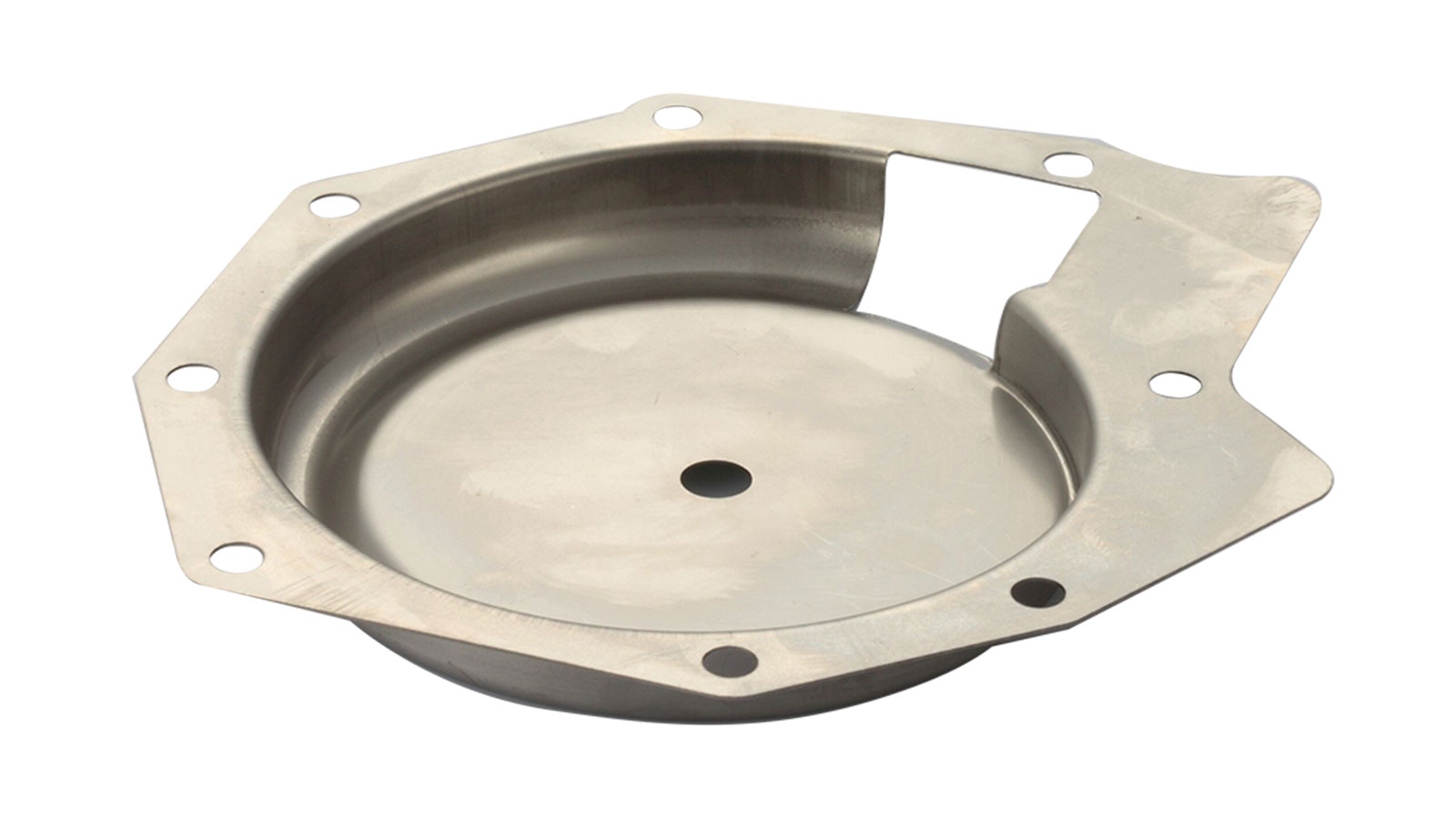
Insert for car water pumps
Company: Dongguan Kinggold Industry Co. Ltd
Dongguan Kinggold’s KGI-733G is a custom-made insert used in car water pumps. It is made of stainless steel and measures 0.6mm in thickness. This metal part meets REACH and RoHS standards.
MOQ: 1,000 pieces
Lead time: 15 to 25 days
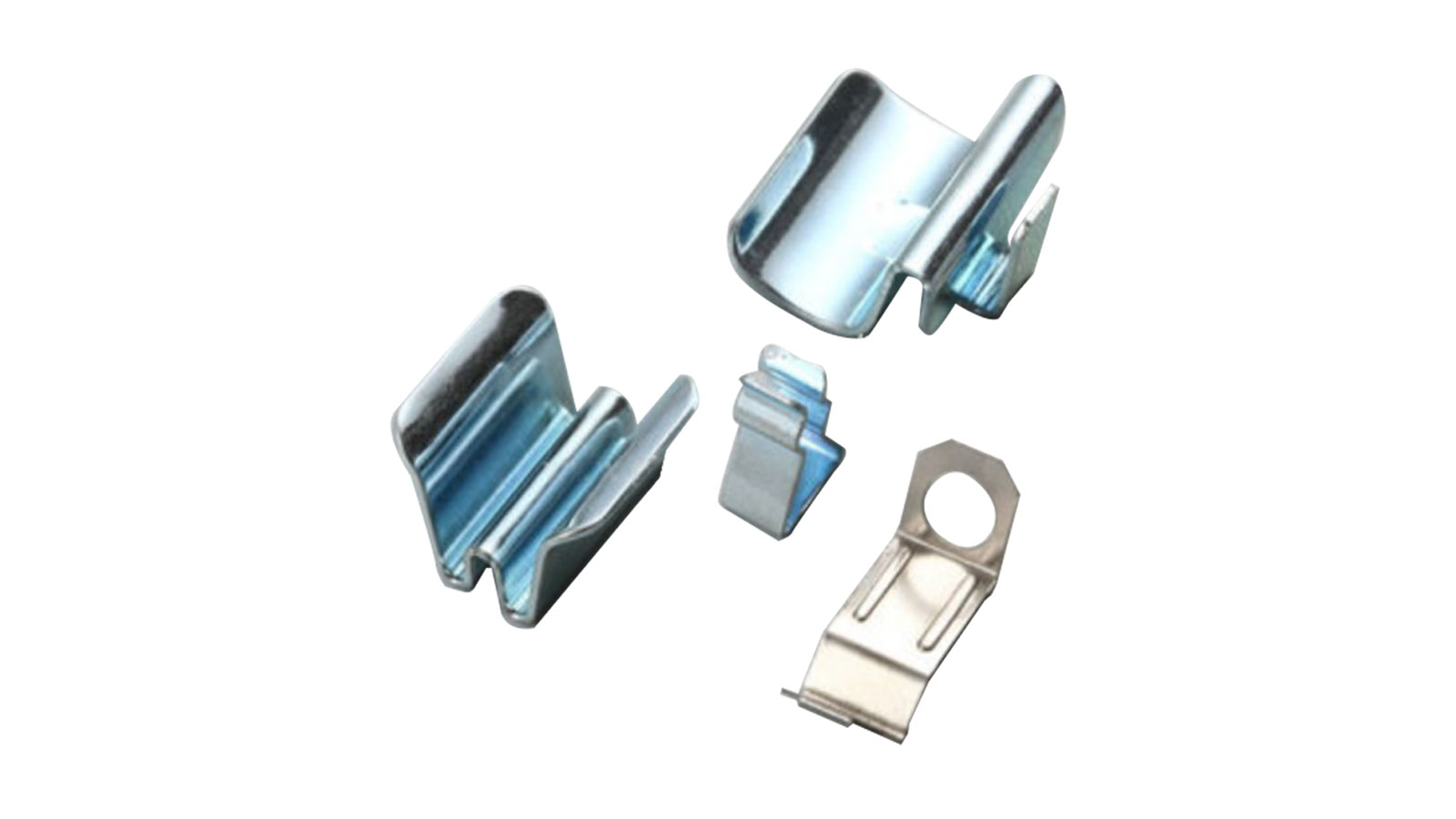
W spring clip
Company: Dongguan Taihe Hardware Products Co. Ltd
The W Spring Clip-2563 from Dongguan Taihe is customizable and can be made based on an AutoCAD, DWG, PDF, Pro/Engineer or SolidWorks drawing. Material used may be spring steel, stainless steel, copper, brass or phosphor bronze with a plated, powder-coated or degreased finish. This part has a thickness of 0.1 to 3mm.
MOQ: 1,000 pieces
Lead time: 18 to 20 days
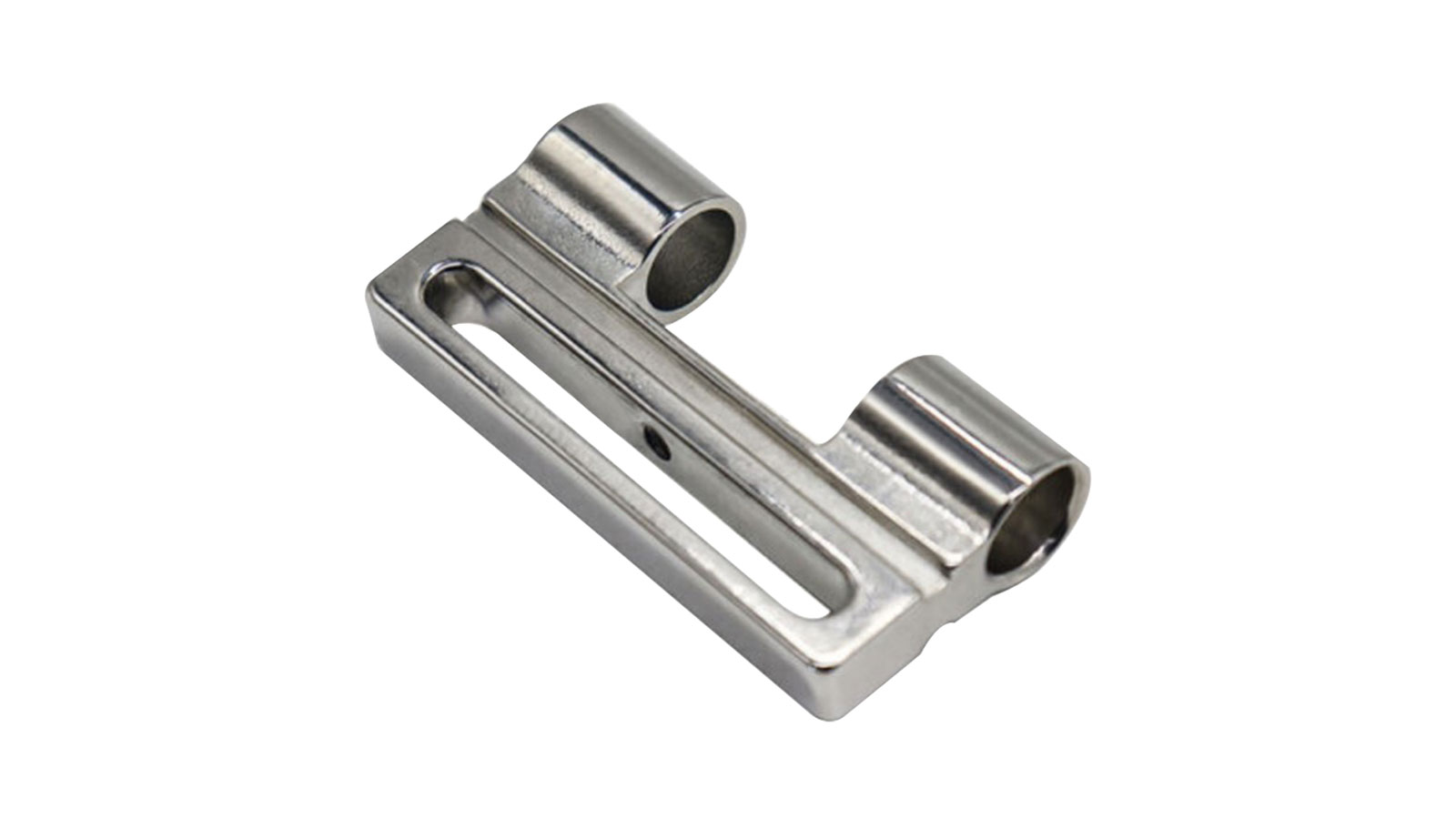
Fastener for bikes
Company: Dongguan Xinruida Precision Technology Co. Ltd
The Y111 from Dongguan Xinruida is a fastener for bicycles. It may be made of aluminum, copper, brass, stainless steel, steel, iron, alloy or zinc and may have an anodized, brushed, polished, chrome or plated finish. This CNC machined part has ±0.002mm tolerance.
MOQ: 1 piece
Lead time: 10 to 12 days
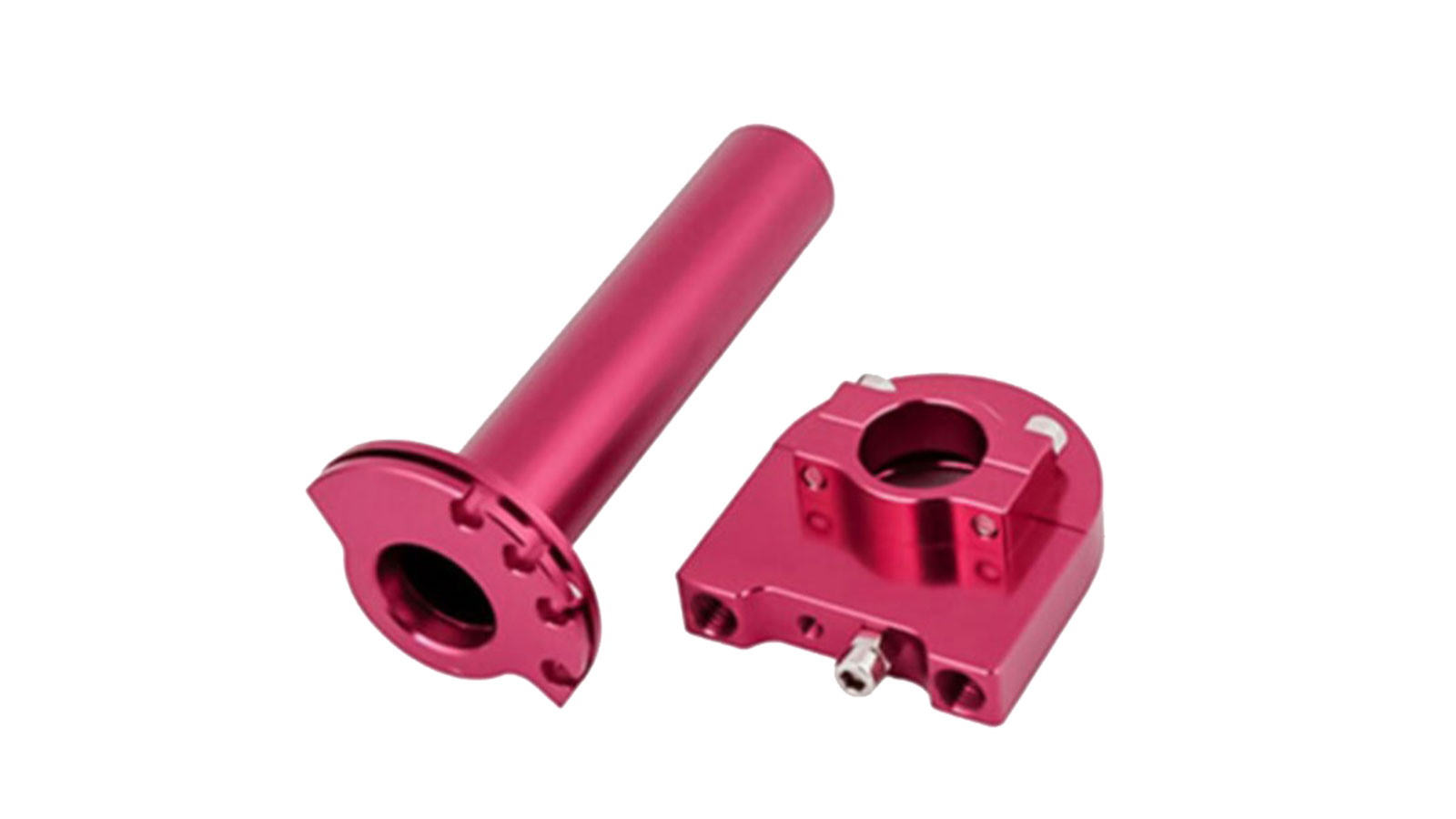
Automotive fastener
Company: Huayi International Industry Group Ltd
Huayi’s automotive fastener, the HYIW0100119, is made of CNC machined aluminum and has an anodized finish.
MOQ: 10 pieces
Lead time: 5 to 7 days
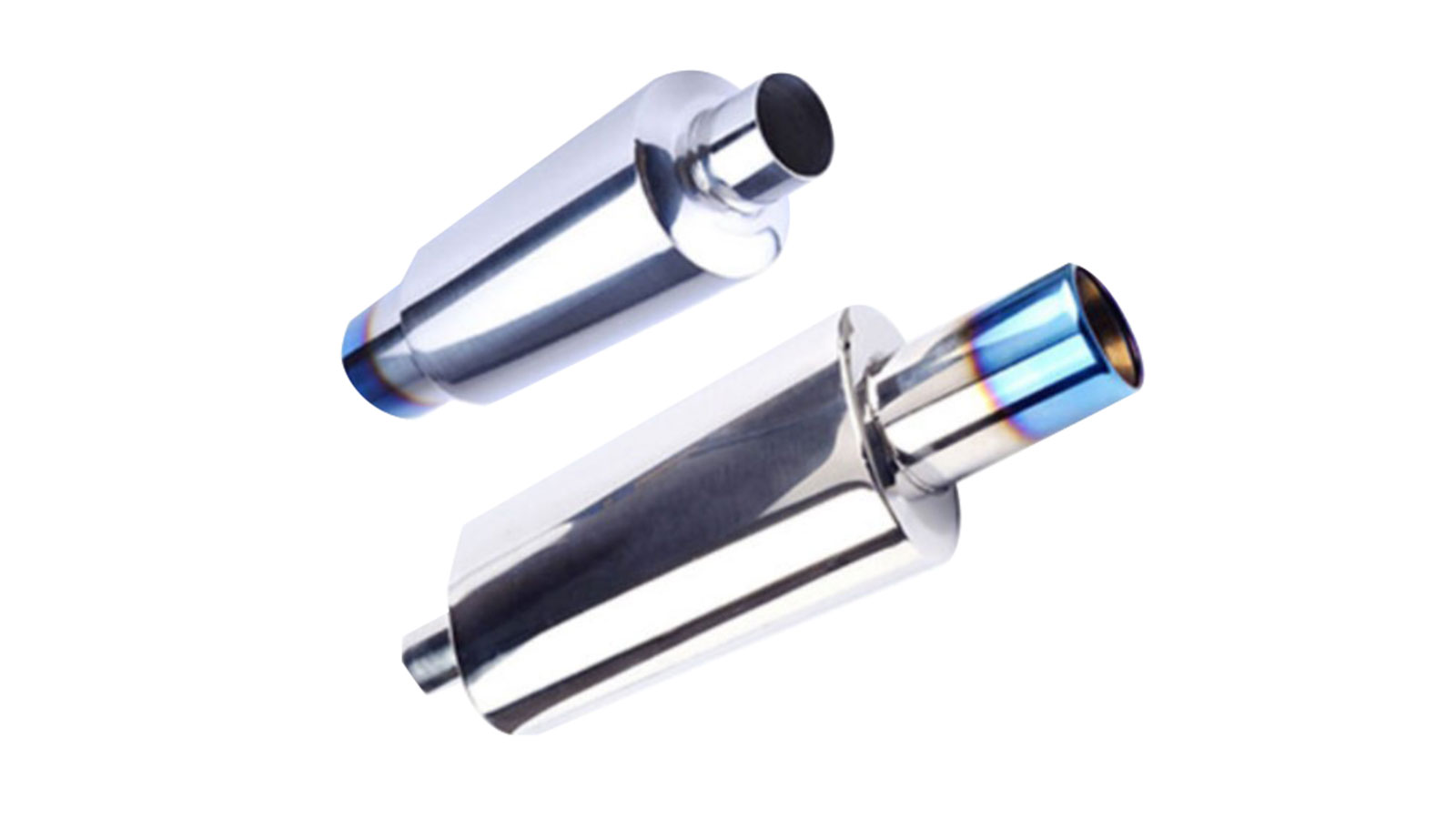
Stainless steel muffler
Company: Ningbo Pino Metal Products Co. Ltd
Ningbo Pino’s Mufflers-1663 is made of 304, 201 or 409 stainless steel with a raw, polished or brushed finish.
MOQ: 50 pieces
Lead time: 20 to 25 days
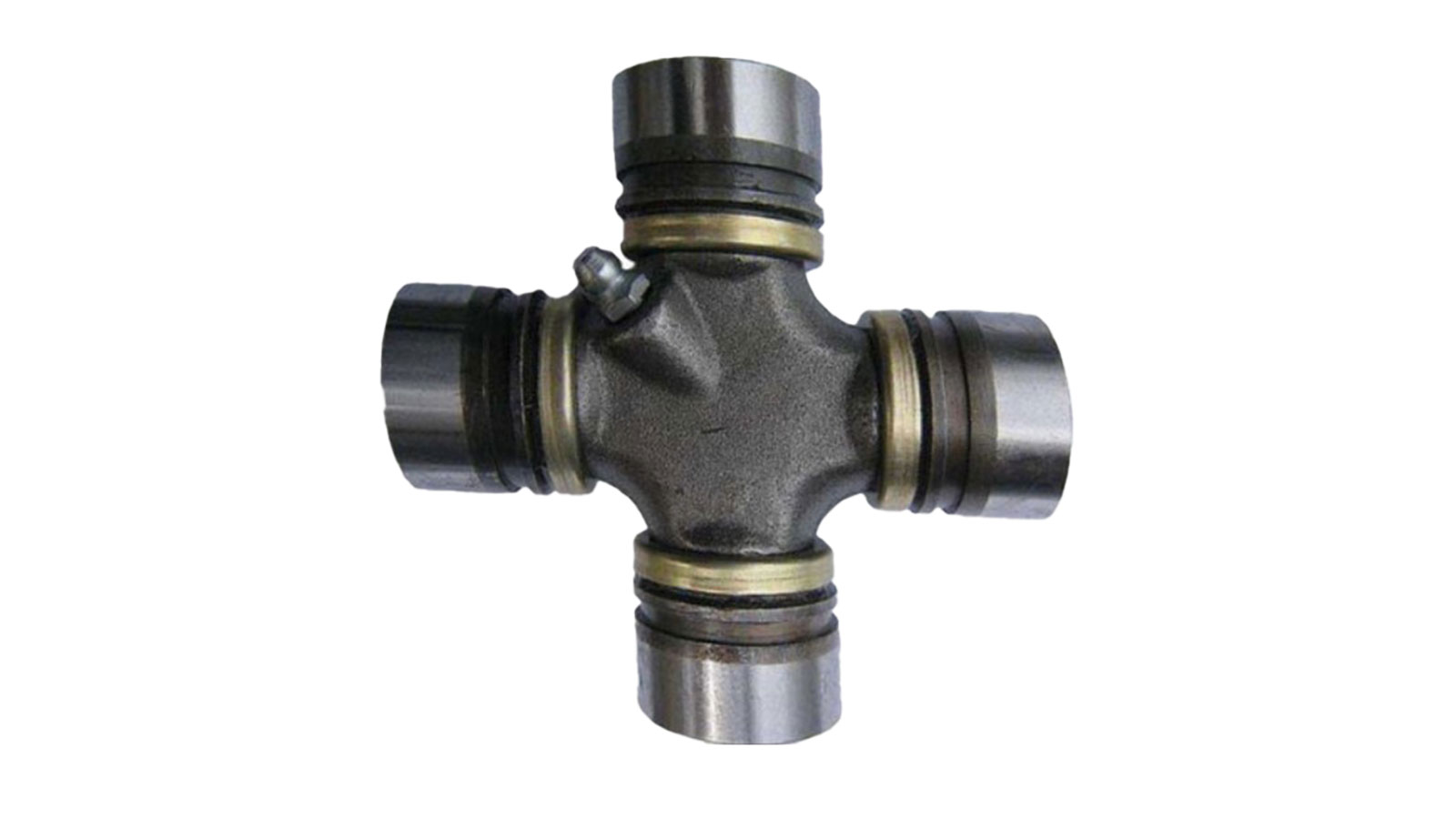
20Cr steel U-joint
Company: Shaanxi U'luck Industries Co. Ltd
The ULK-UJ-4 from Shaanxi U'luck is a cross and roller universal joint made of 20Cr steel. It measures 55mm in length and 20mm in diameter. This U-joint can be made using hot forging or CNC machining.
MOQ: 1 piece
Lead time: 5 to 7 days

