Table of Contents
The integration of advanced technologies and innovative design philosophies is reshaping the quintessential motorcycle. The most futuristic motorcycle styles are not merely updates to existing models but are a complete reimagination of the riding experience, blending form, function and futurism into a seamless symphony of two-wheeled wonder.
Futuristic Motorcycle Styles
1. The Electric Surge: Zero Emissions, Full Throttle
At the forefront of this revolution are electric motorcycles, which are expected to dominate the landscape with their eco-friendly and quiet features. Upcoming lineups will pack a punch with instant torque and rapid acceleration, all while maintaining a sleek, futuristic aesthetic that is as much about performance as it is about environmental stewardship.
2. Semi-Autonomous Systems: A New Era of Rider Assistance
While fully autonomous motorcycles may still be on the drawing board, semi-autonomous features are becoming increasingly sophisticated. These motorcycles will likely boast an array of rider assistance technologies that enhance safety without reducing the thrill of the ride. From dynamic traction control to advanced braking systems that respond to road conditions in real-time, these features represent a new chapter in motorcycle intelligence.
3. Connectivity and Smart Integration: The Networked Ride
The future motorcycle rider will never be out of touch. New models are expected to come equipped with onboard systems that offer seamless connectivity. GPS navigation, ride analytics and even social media connectivity will become standard in the future, transforming motorcycles into fully integrated nodes within the Internet of Things (IoT).
4. Adaptive and Transformative Design: Shape-Shifting Silhouettes
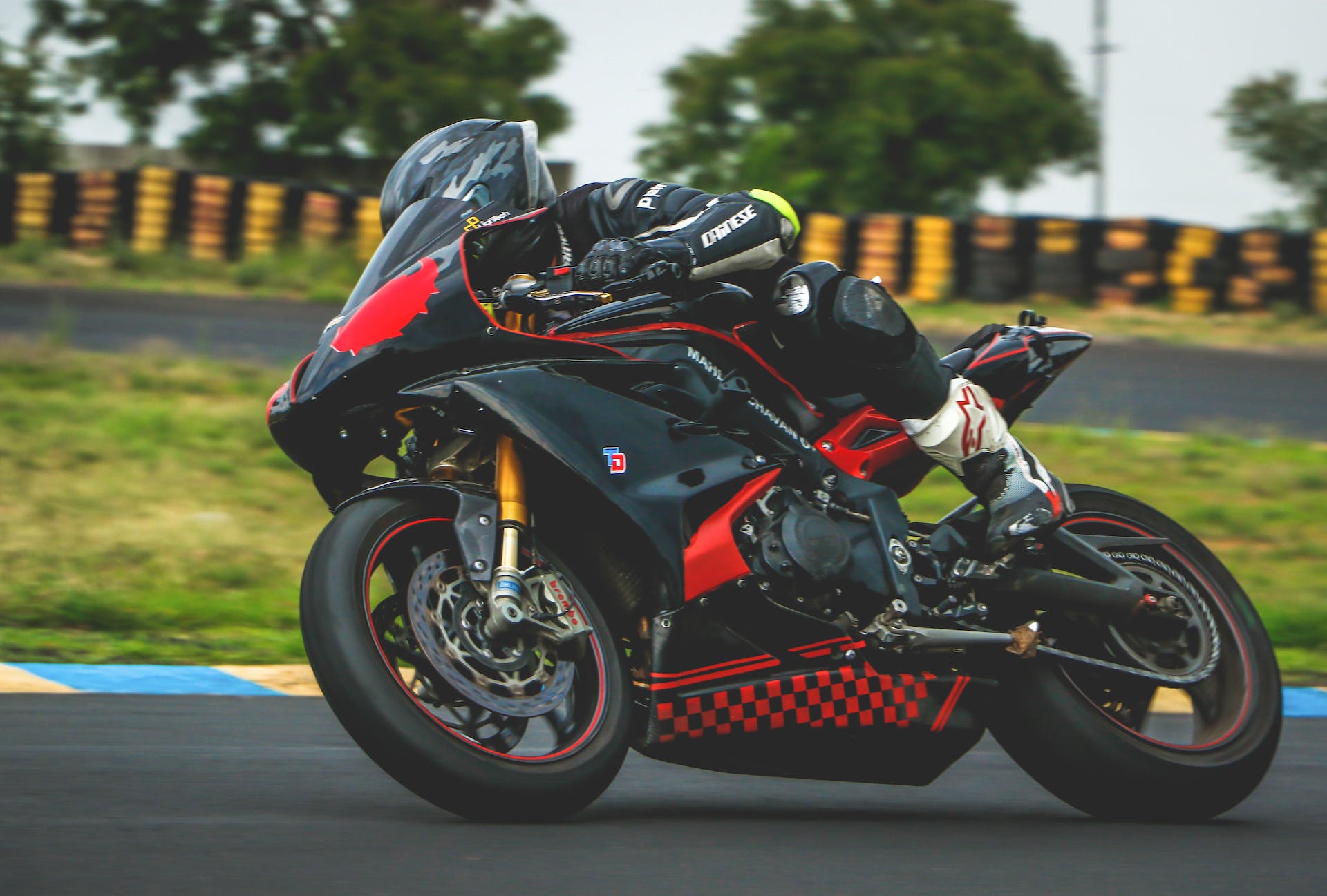
The aesthetics of future motorcycles will likely be characterized by their ability to adapt and transform. Adaptive technology, such as the holeshot devices used in MotoGP races – and more, will make its way into mainstream road bikes. Imagine body panels that change shape to optimize for speed or comfort, center-of-gravity adjustments in cornering or headlights that adjust their intensity based on ambient light conditions. Such adaptive design elements will not only improve the riding experience but also push the boundaries of motorcycle design.
5. Material Innovation: Lighter, Stronger, Better
The use of advanced materials such as carbon fiber composites and reinforced polymers will be more prevalent in the motorcycles beginning 2025. These materials offer significant weight savings without sacrificing strength, leading to bikes that are nimble and more fuel-efficient.

6. The Hybrid Horizon: Bridging the Gap
There will be more hybrid motorcycle rollouts in the near future – such as the Kawasaki Ninja 7 in 2025 – serving as a bridge between traditional internal-combustion engines and fully electric powertrains. These hybrids will offer riders the familiar rumble of an engine with the added boost and efficiency of electric assist, providing a versatile and transitional approach to future mobility.
7. Modularity and Customization: The Personal Touch
Riders will demand personalization, and manufacturers will respond with modular platforms that allow for easy customization. Swappable components such as batteries, body panels and even motor units will enable riders to tailor their bikes, be it for performance, aesthetics or functionality.