




RingConn Gen 2 and Oura Ring 4 are two of the most popular smart rings on the market, both offering discreet health tracking in a comfortable, finger-based design. They share essential features like waterproof construction, cross-platform compatibility, and reliable monitoring of sleep, heart rate, and temperature. However, they take distinctly different approaches to pricing, comfort, and software experience.
This guide breaks down their key similarities and differences across the most important decision factors, helping you choose the ring that best fits your needs.
RingConn Overview
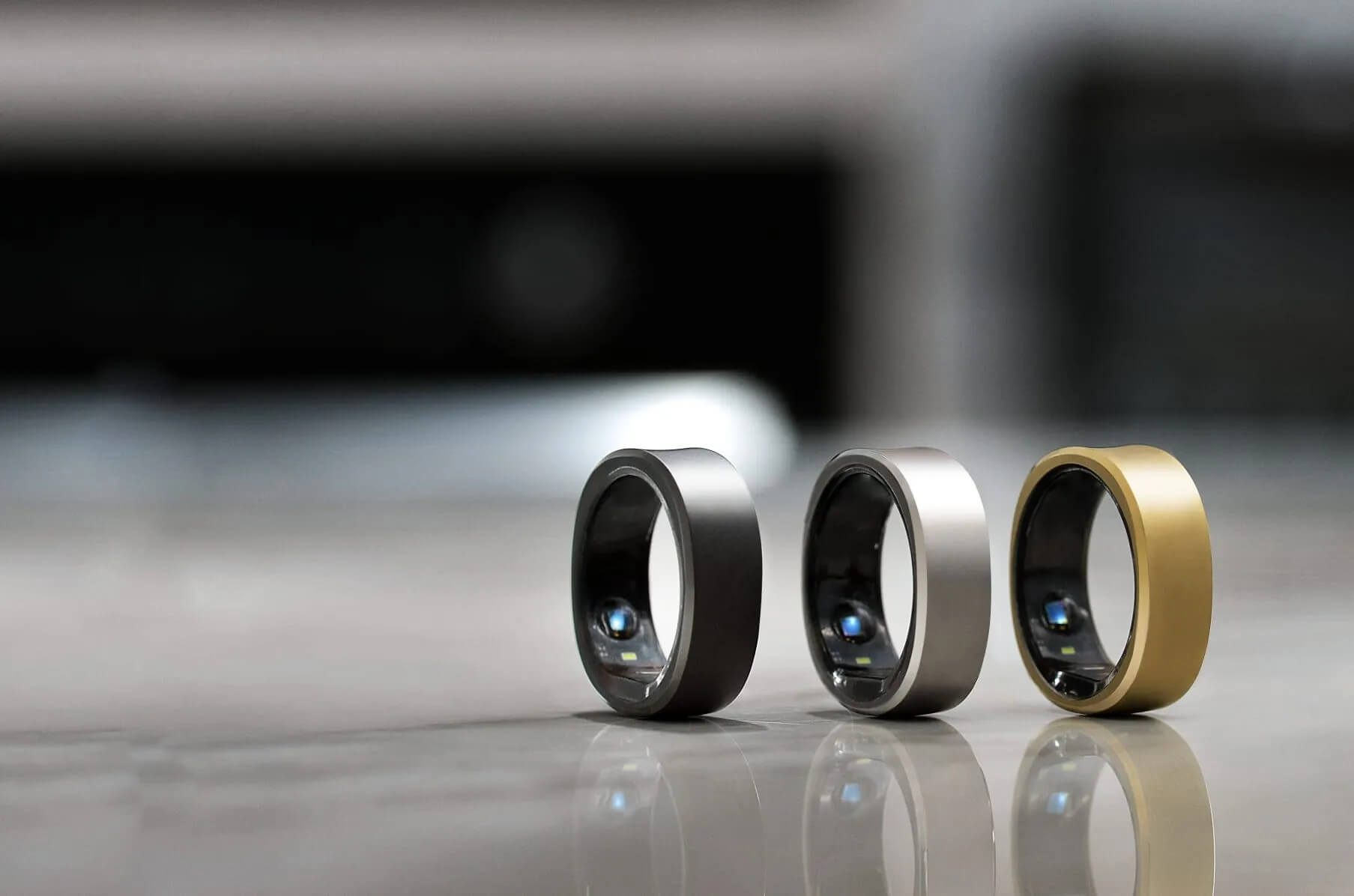
RingConn is a smart ring designed to deliver comprehensive health and activity tracking in a lightweight, user-friendly format. It focuses on providing actionable insights through continuous monitoring, with an emphasis on battery efficiency and portable charging convenience. The device aims to balance detailed wellness data with a discreet, everyday wearable experience.
Features
- All-in-One Tracking: Monitors sleep patterns, heart rate, and daily activity levels
- Portable Charging Case: Includes a compact charging case that extends battery life for travel convenience
- Multi-Color Availability: Offered in three distinct color options to suit personal style preferences
- Complete Kit: Comes with a smart ring, USB-C cable, quick guide, and manual for straightforward setup
Oura Overview
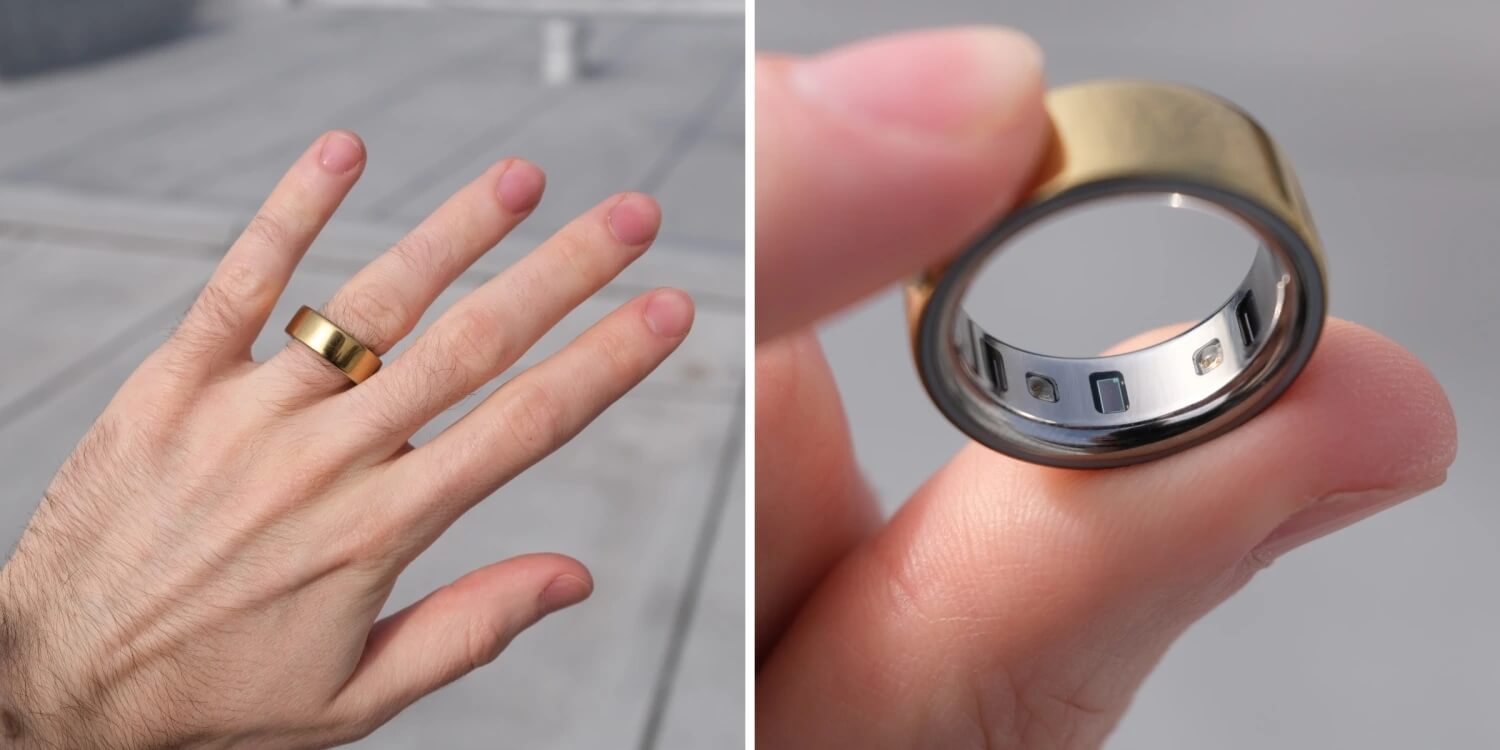
Oura Ring is a precision health wearable that captures physiological metrics such as heart rate, oxygen saturation, and skin temperature. By analyzing long-term trends, it helps users understand their sleep architecture and overall readiness, emphasizing the balance between activity and recovery in a durable, water-resistant design.
Features
- Comprehensive Physiological Metrics: Tracks heart rate, blood oxygen saturation, and skin temperature
- Sleep Pattern Analysis: Identifies sleep trends and provides personalized recommendations for improvement
- Rapid Charging & Long Battery Life: Delivers up to 7 days of use with a full charge achieved in just 20 minutes
- Activity-Recovery Balance: Helps users optimize performance by monitoring exertion and restorative needs
- High Water Resistance: Rated water-resistant up to 100 meters for versatile wear
RingConn vs Oura Ring: Similarities and Differences
Similarities of RingConn and Oura Ring
Despite their distinct brand identities, RingConn and Oura Ring share a core philosophy centered on discreet, data-driven health tracking. Both devices prioritize long battery life, seamless smartphone integration, and robust environmental durability, making them equally suited for users seeking a non-intrusive wearable that delivers comprehensive physiological insights without compromising on comfort or functionality.
- Sizing and Purchase Channels: Both provide a ring sizing kit prior to purchase to ensure accurate fit, and are available directly through their respective brand websites as well as on Amazon.
- Screenless Smartphone Syncing: Each functions as a screenless wearable that relies entirely on companion mobile apps for data visualization, configuration, and firmware updates.
- Waterproof Design: Both rings offer full waterproofing suitable for swimming and hand-washing, eliminating the need for removal during daily water exposure.
- Cross-Platform Compatibility: Each supports both iOS and Android devices, with native integration capabilities for Apple Health and Google Health ecosystems.
- Battery Longevity: Both deliver a minimum of one week of battery life per charge, enabling continuous wear with minimal charging interruptions.
- Core Health Metrics: Each tracks heart rate, body temperature, respiratory rate, and blood oxygen saturation (SpO₂) using advanced optical sensors.
- Limitation in Workout Detection: Neither ring automatically detects or natively tracks weight training or resistance-based workouts as a dedicated exercise mode.
Differences Between RingConn vs Oura Ring
The two smart rings diverge across six key dimensions: pricing model, hardware design, battery and charging, software and insights, activity and health tracking, and company policies. RingConn emphasizes upfront value, physical comfort, and subscription-free access, while Oura delivers a more mature software experience, deeper insights, and broader ecosystem integration at a premium cost.
1. Pricing and Value
This dimension addresses the total cost of ownership, including upfront purchase price and any recurring fees. It determines long-term affordability and whether the user faces ongoing expenses beyond the initial investment.
| Aspect | RingConn Gen 2 | Oura Ring 4 |
|---|---|---|
| Upfront Price | $299 (rose gold: $469) | $349–$499 depending on finish |
| Subscription | None – full features included | $5.99/month or $69.99/year required for full access |
| Total Cost of Ownership | Lower over time | Higher due to recurring fees |
2. Hardware and Design
This dimension covers physical attributes such as materials, dimensions, weight, and aesthetic options. It directly impacts wearing comfort, durability, and how seamlessly the ring integrates into daily life.
| Aspect | RingConn Gen 2 | Oura Ring 4 |
|---|---|---|
| Thickness | 2mm – class-leading slim profile | ~2.8mm – more substantial feel |
| Weight | 2–3g (varies by size) | 3.3–5.2g (varies by size) |
| Materials | Aerospace-grade titanium with epoxy resin sensor domes | All-titanium build with PVD and DLC coatings |
| Finish Options | 4 options (future silver, matte black, royal gold, rose gold) | 6 options (silver, black, brushed silver, stealth, gold, rose gold) |
| Size Range | US sizes 6–14 | US sizes 4–15 (broader range) |
| Comfort | More unnoticeable, feels like a traditional ring | Premium feel but more prominent on finger |
3. Battery and Charging
This dimension evaluates energy longevity and the convenience of recharging. It affects how frequently the user must interrupt wear for charging and the flexibility of charging options during travel or daily routines.
| Aspect | RingConn Gen 2 | Oura Ring 4 |
|---|---|---|
| Battery Life | Up to 12 days (5–6 days with sleep apnea feature enabled) | Up to 8 days |
| Charging Method | Portable charging case (holds 15 full recharges) | Charging puck only; case available separately for $99 |
| Charging Speed | ~90 minutes for full charge | ~30 minutes for full charge |
4. Software and User Experience
This dimension focuses on the companion app’s interface design, data presentation style, update frequency, and third-party ecosystem integration. It determines how easily users can interpret their health data and derive actionable insights.
| Aspect | RingConn Gen 2 | Oura Ring 4 |
|---|---|---|
| Data Presentation | Graph-heavy, historical data format requiring manual interpretation | Score-based (Readiness, Sleep, Resilience) with actionable insights |
| App Polish | Functional but less refined | Recently redesigned, intuitive interface |
| Feature Velocity | Slower updates; relies on one-time purchase model | Frequent feature releases funded by subscription |
| Third-Party Integrations | Apple Health, Google Fit only | Extensive: Natural Cycles, Strava, Fitbit, MyFitnessPal, Zero, and more |
5. Health, Activity, and Tracking Capabilities
This dimension examines the depth and breadth of biometric monitoring, including workout detection, specialized health features, and the sophistication of algorithms. It reflects how well each device addresses specific user needs such as fitness tracking, women’s health, or stress management.
| Aspect | RingConn Gen 2 | Oura Ring 4 |
|---|---|---|
| Workout Detection | None – tracks general activity intensity without categorizing exercise | Detects and tracks walking, running, and cycling as distinct activities |
| Advanced Fitness Metrics | Not available | VO₂ max (Cardio Capacity), Cardiovascular Age (pulse wave velocity) |
| Women’s Health | Basic menstrual cycle tracking (introduced in Gen 2) | Comprehensive: cycle insights, period prediction, pregnancy tracking with gestational age updates |
| Sleep Features | Sleep stage breakdown, pending FDA clearance for sleep apnea detection | Detailed sleep score, sleep regularity, disturbances, chronotypes, and blood oxygen insights |
| Stress Tracking | 0–100 stress summaries | Daytime stress monitoring with Resilience feature and restorative/stressed time breakdown |
| Sensor Maturity | Focus on baseline wellness metrics | Advanced algorithms for heart rate irregularities, readiness, and longitudinal trends |
6. Company Policies
This dimension covers warranty terms, return windows, and purchase channels. It influences the risk associated with the purchase and the flexibility available if the product does not meet expectations after delivery.
| Aspect | RingConn Gen 2 | Oura Ring 4 |
|---|---|---|
| Warranty | 1 year | 1 year |
| Return Window | 14 days | 30 days |
| Purchase Channels | Brand website and Amazon | Brand website and Amazon |
RingConn vs Oura Ring : How to Choose 2026
Selecting between RingConn Gen 2 and Oura Ring 4 ultimately comes down to aligning the device’s strengths with your personal priorities—whether that means prioritizing upfront value and physical comfort, or investing in a more polished software experience with deeper actionable insights.
The following decision framework organizes the choice around six user-centric dimensions, helping you identify which ring best fits your lifestyle, budget, and health-tracking goals.
1. You Prioritize Long-Term Value Over Subscription Fees
Choose RingConn if:
You want a one-time purchase with no recurring costs. RingConn offers full access to all health metrics without a monthly subscription, making it the more economical choice over time. The upfront price is also lower, starting at $299 (or $199 for the Gen 2 Air), compared to Oura’s starting price of $349 plus $5.99/month.
Choose Oura if:
You are comfortable paying a premium for ongoing feature development and are willing to factor a subscription into your long-term budget.
2. You Value Wearing Comfort Above All Else
Choose RingConn if:
You want a ring that feels as close to a traditional piece of jewelry as possible. At just 2mm thick and weighing 2–3g, RingConn is thinner and lighter than Oura, making it less noticeable during daily wear, sleep, and exercise. Its slim profile is particularly suited for those sensitive to bulky accessories.
Choose Oura if:
You prioritize a broader range of finishes and a more substantial, premium hand feel, and are less concerned with minimal thickness.
3. You Want Actionable Insights and a Polished App Experience
Choose Oura if:
You prefer an app that translates raw data into clear, actionable guidance. Oura’s Readiness, Sleep, and Resilience scores help inform daily decisions, and its interface is widely regarded as the most refined in the smart ring category. Frequent updates and new features also keep the platform evolving.
Choose RingConn if:
You are comfortable interpreting graph-heavy, historical data yourself and do not require score-based coaching or behavioral nudges.
4. You Need Advanced Health and Activity Tracking Features
Choose Oura if:
You want comprehensive women’s health tracking (including period prediction and pregnancy monitoring), automatic workout detection for walking, running, and cycling, and advanced metrics like VO₂ max and Cardiovascular Age. Oura also offers deeper stress analysis with its Resilience feature and extensive third-party integrations (Strava, Natural Cycles, MyFitnessPal, etc.).
Choose RingConn if:
Your focus is on core wellness metrics such as sleep stages, heart rate, HRV, and temperature, and you do not require categorized workout tracking or specialized women’s health features beyond basic cycle logging.
5. You Travel Frequently or Dislike Frequent Charging
Choose RingConn if:
Extended battery life and charging convenience are critical. RingConn delivers up to 12 days per charge and includes a portable charging case that holds up to 15 full recharges—ideal for travel or forgetting to plug in a charging puck.
Choose Oura if:
You are comfortable with up to 8 days of battery life and do not mind using a charging puck at home. (Oura does offer a separate charging case, but it costs an additional $99.)
6. You Have Specific Size or Skin Sensitivity Needs
Choose Oura if:
You require a ring size outside RingConn’s range (US sizes 4–15 vs. RingConn’s 6–14) or prefer a broader selection of finishes, including brushed and matte options.
Choose RingConn if:
You have experienced allergic reactions to certain metals; Oura features a non-allergenic inner molding, while RingConn’s sensor dome uses epoxy resin, which may cause irritation for those with highly sensitive skin.
Conclusion
The choice between RingConn and Oura comes down to what matters most to you. RingConn delivers exceptional value with no subscription fees, a slimmer, lighter build, and a portable charging case that extends battery life well beyond a week. It is the better choice if you prioritize wearing comfort and want to avoid ongoing costs. Oura offers a more polished app experience with personalized insights, comprehensive women’s health features, automatic workout detection, and deeper third-party integrations.
It is worth the premium if you value software sophistication and are willing to pay for continuous feature updates. Both rings track core health metrics accurately and are designed for all-day wear. Whichever you choose, you will gain a powerful tool for understanding your body and improving your wellness.

