




Batteries with a higher energy density for longer range, greater thermal stability for safety, shorter charging time and longer life span than what current technologies can deliver are being developed.
Solid-state Li-ion batteries are one of them, with the potential to lead to full electrification of the automotive industry. They use solid instead of liquid electrolyte, eliminating the need for a separator and making them smaller and lighter. In addition, this key difference makes these batteries safer than conventional lithium counterparts. This is because without a volatile and flammable liquid component, they will not catch fire or explode even when exposed to high temperatures.
Another advantage of solid-state batteries is their high energy density. One research that yielded a no-anode type with a copper current collector coated with ultrathin lithium-activated tellurium, according to Charles Q. Choi in an article on IEEE Spectrum. It “can hold 72 percent more energy by weight and 95 percent more energy by volume than commercial lithium-ion batteries.” This means they pack a capacity that will allow electric vehicles to travel longer distances without frequent recharging.
In a breakthrough by Harvard John A. Paulson School of Engineering and Applied Sciences was a solid-state battery that “can be charged and discharged over 6000 times, and is recharged in a matter of minutes.”
However, solid-state batteries have yet to reach commercialization, with cost a critical factor as they require expensive materials and a complex manufacturing process. But the research continues.
In China, the world’s largest EV market, the race to develop and produce solid-state lithium-ion batteries has been going on for two years now, involving key players Gotion, CATL, CALB, Welion and Svolt.
Gotion has announced its all-solid-state Li-ion batteries with an energy density of up to 350Wh/kg or 40 percent higher than that of ternary batteries. The company said that it would mass produce them soon.
EV market
Electric vehicle sales, excluding two and three wheelers, reached about 14 million units in 2023 and will be nearly 45 million in 2030 and almost 65 million in 2035. This translates to a share of sales of about 15 percent in 2023 going up to close to 40 percent in 2030 and exceeding 50 percent in 2035. All these figures are based on the International Energy Agency’s stated policies scenario (STEPS), one of two scenarios used by the IEA’s medium- and long-term outlook publications.
In the STEPS, China stays in the lead position in light-duty EVs, including passenger and commercial units, accounting for nearly 60 percent of global sales. This share, however, is expected to go down to about 40 percent in 2030 and 2035 as the US doubles its portion. But in the segment for two and three wheelers, China is expected to continue leading with about 90 percent sales share by 2035 based on STEPS and the announced pledges scenario (APS).
In the global Li-ion battery market for EVs, the projected CAGR is 12.1 percent from 2024 to 2029, with $152.72 billion reached at the end of the forecast period, according to QY Research.
Battery powerhouse
China has a strong showing in the lithium battery sphere as well, with production expansion still underway. The country shipped 658GWh in 2022, posting a 101 percent increase year on year thanks to increasing demand in EVs and energy storage applications. According to GGII, this will reach 1,805GWh by 2025.
A new project in Changchun, Jilin, with $2.5 billion investment from the FAW Group and BYD, started operating in early 2024. The target annual output is 15GWh lithium batteries for EVs in the first phase, which will go up to 45GWh once completed.
In addition, China has the world’s top players, including CATL, BYD, CALB, Gotion, EVE Energy and Sunwoda. The first two companies had a combined global market share of more than 50 percent in 2023, according to SNE Research.
Current batteries used
Indeed, Li-ion batteries will continue to play an important role in advancing the electrification trend in the automotive industry. The types used in electric vehicles are LiFePO4 and ternary batteries.
In China, LFP batteries were in over 70 percent of EVs rolled out in 2023, according to Taihainet, and this trend is expected to carry over in 2024 and 2025. Even so, battery manufacturers there will keep their sights on ternary types to complement their product lineups. Some are planning on reducing cobalt content to lower costs but increasing nickel to realize high energy intensity.
Widely available LFP and ternary batteries come in prismatic, cylindrical and soft-shell cases, with cells used having 3.7V rated voltage and over 120Wh/kg power density. These comply with UL, CE, UN 38.3 and RoHS standards and are shipped with MSDS.
China-made Li-ion batteries are based on cathode and anode materials, electrolytes and shells sourced domestically. Companies harness this proximity to manufacturing inputs to boost their competitiveness. After all, the country is the biggest source of cathode and anode materials, which combined account for more than half of production costs.
The outlay for these inputs declined significantly in the past 12 months, leading to a battery price drop. This trend is expected to persist but at a slower rate in the coming months.
Here is a selection handpicked by our market analyst for representing current trends in lithium batteries from manufacturers in China.
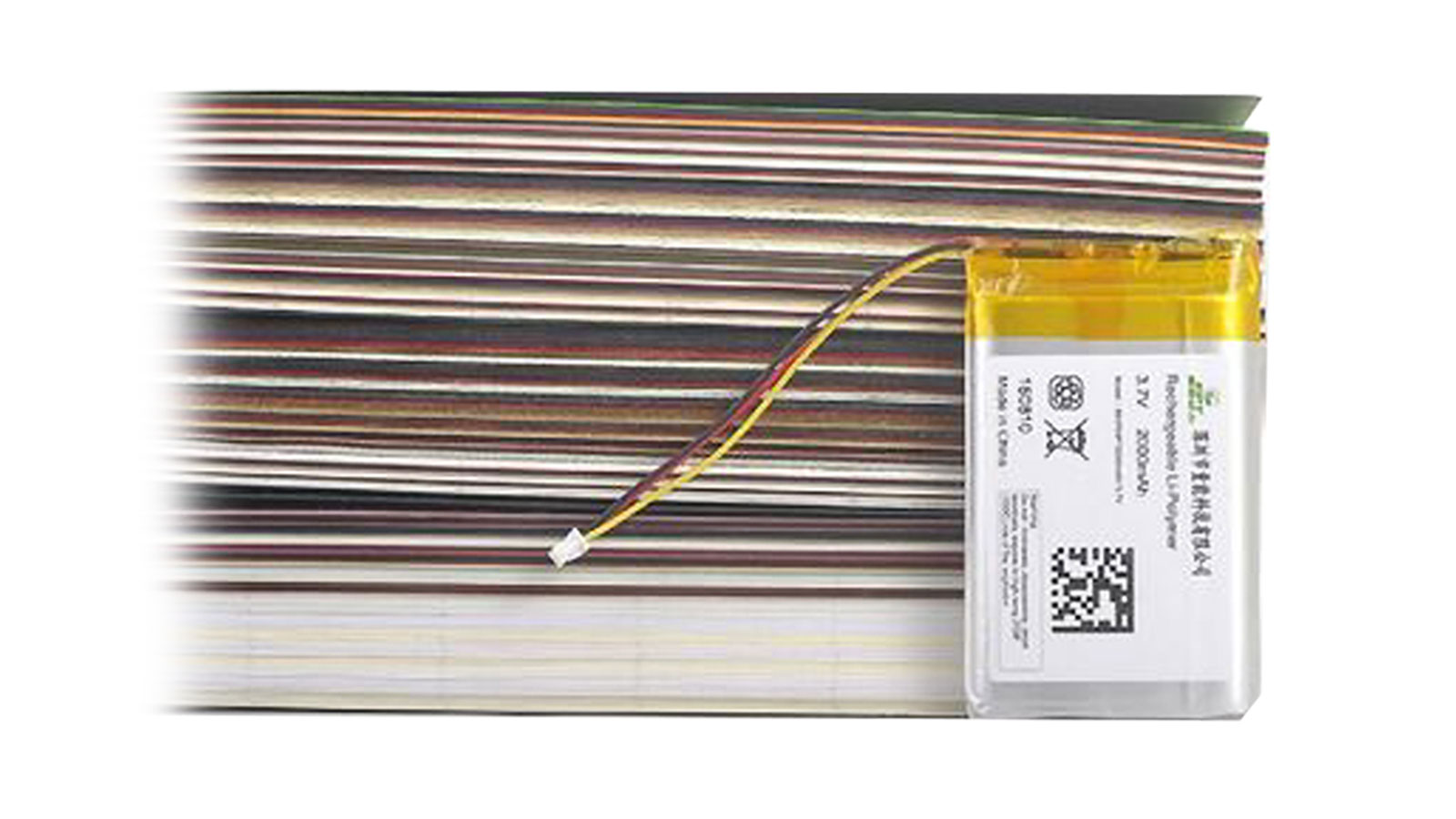
Lithium battery, 2,000mAh rated capacity
Company: Shenzhen EPT Battery Co. Ltd
The Battery-6856 from Shenzhen EPT has 3.7V nominal, 4.2V charge and 2.75V discharge end voltage ratings, 2,000mAh rated capacity, 0 to 45 C charge and -20 to 60 discharge temperatures, and 500-cycle life span.
MOQ: 1,000 units
Lead time: 10 days
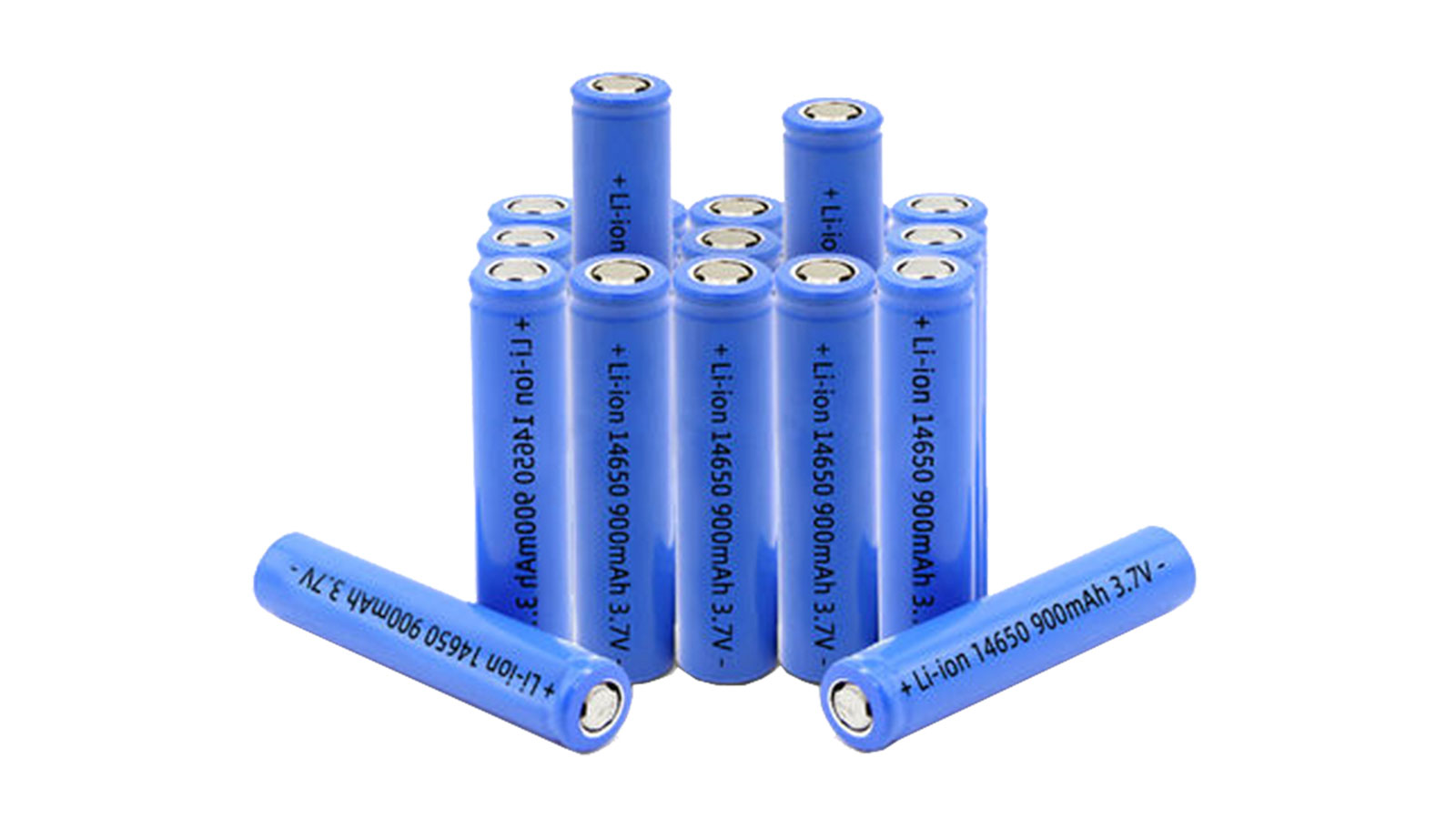
Lithium battery, 900mAh capacity
Company: Shenzhen Fubangcheng Electronics Co. Ltd
Model 14650-900 from Shenzhen Fubangcheng is a 900mAh lithium battery with 3.7V rated voltage and 30mohm maximum internal resistance. It has 0.2C or 5A standard charge rating at 4.2V and discharge at 3V.
MOQ: 100 units
Lead time: 15 days
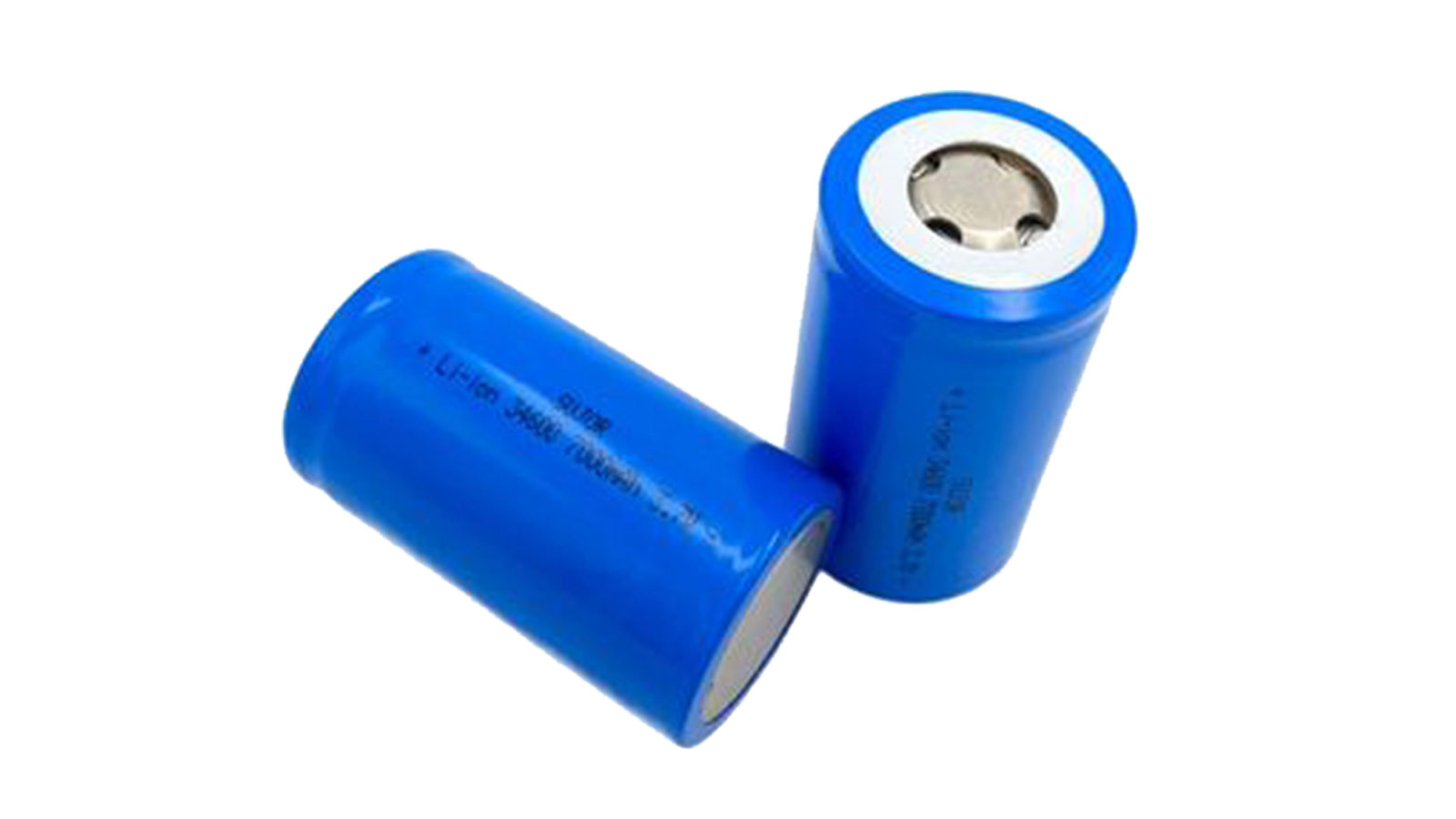
Lithium battery, 7,000mAh capacity
Company: Shenzhen Sujor Energy Technology Co. Ltd
Rated at 3.7V, Shenzhen Sujor’s Sujor-3.7V 34600 7000mAh lithium battery has a minimum life span of 500 cycles and an operating temperature of -20 to 60 C. It meets UL, CE, CB, KC, BIS, IEC and RoHS requirements.
MOQ: 10 units
Lead time: 10 days
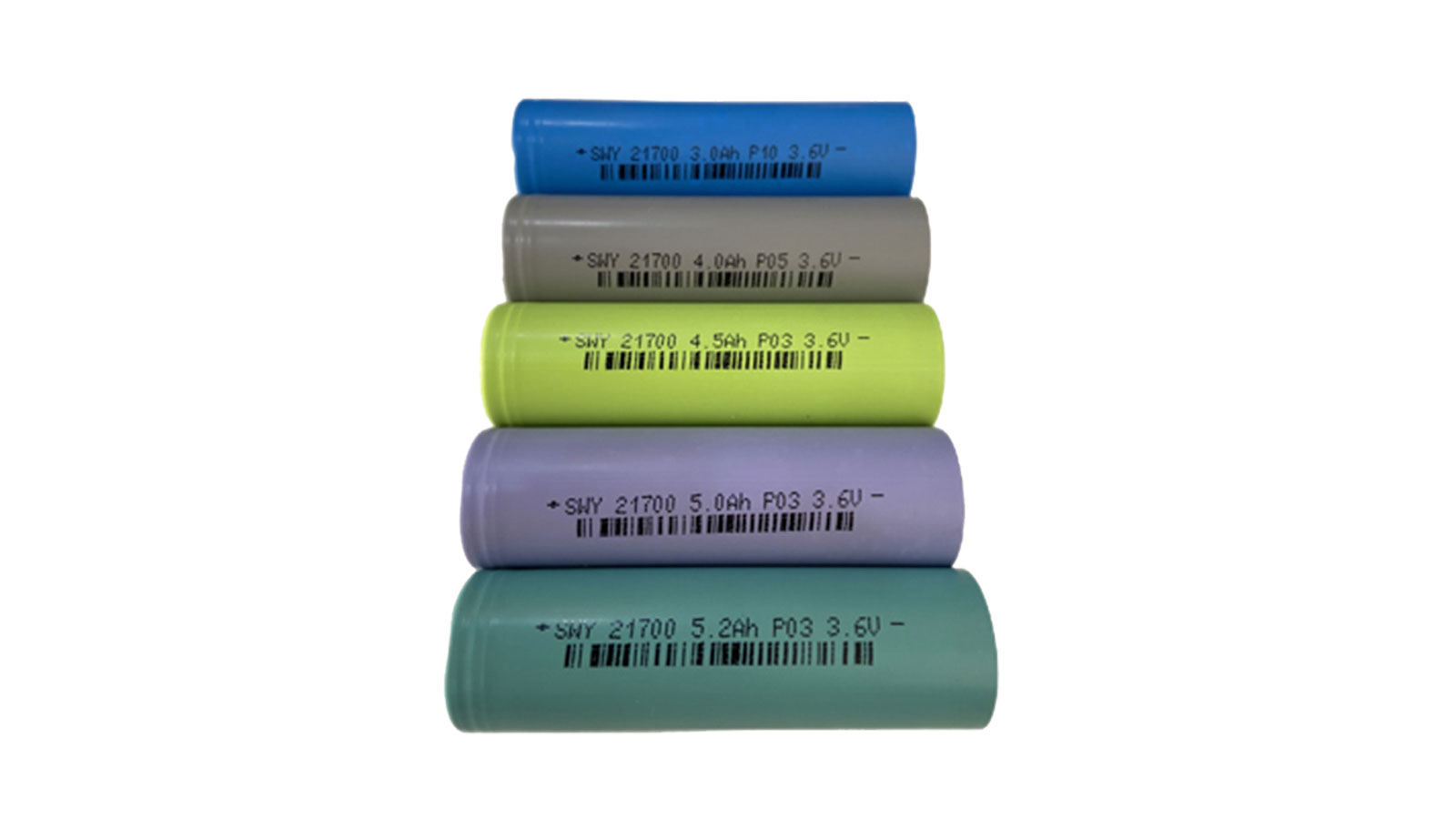
Lithium battery, 3.6V, 5,200mAh
Company: Shineway Technology Co. Ltd
This 3.6V, 5,200mAh lithium battery from Shineway, the 21700-5200, has 14±2mohm impedance, 1 or 2C rapid charge current at 3.8V maximum voltage, 10C maximum discharge current and ≥300-cycle life span.
MOQ: 1,000 boxes
Lead time: 7 days

