




The electronics manufacturing services (EMS) market continues to thrive thanks to electronics’ essential role across applications and the many benefits of outsourcing them. It is forecast to reach $580.52 billion in 2024 and $773.22 billion in 2029 and post a CAGR of 5.9 percent, according to Mordor Intelligence.
Fueling demand for these services is the communications, automotive, consumer electronics, industrial, medical, space and aviation fields, with the first two expected to remain the primary drivers of growth in the coming years.
Leading the EMS market is China, which garnered $240 billion in 2022 and could hit $400 billion by 2025, according to Chinese market research company XYZResearch. After all, the country has a booming electronics market, comprehensive industry chain, skilled workforce and comparatively low labor cost. Available services range from product design and development, materials procurement, manufacturing and testing to logistics and aftersales support.
In addition, China plays host to the world’s top EMS companies such as Foxconn, Pegatron, Jabil, Wistron, Flex, BYD Electronics, USI, Luxshare Precision, Sanmina and Celestica.
Besides BYD Electronics, USI and Luxshare Precision, the other major Chinese players in this field are Kaifa, DBG, Wingtech and 3CEMS.
Smart manufacturing
Technological advancements such as 5G communication, the Internet of Things, artificial intelligence and cloud computing have been driving the growth of the EMS sector, leading to improvements in production scale and technique.
In recent years, smart and green manufacturing has attracted the attention of Chinese EMS companies as it enhances both production efficiency and product quality while helping lower production costs.
Chongqing Unication, for instance, has built three digital workshops and one smart factory with 20 fully automatic production lines, about 50 units of industrial robotics and 30 fully automatic smart test devices. Such facilities have enabled this EMS supplier for automotive electronics, medical devices, communications equipment and security products to control and monitor 90 percent of manufacturing equipment via a network.
Expansion
Most Chinese EMS providers are boosting production as well. DBG’s subsidiary, for instance, now has a 180,500sqm factory in Shenzhen, with 30 production lines. It also built production facilities in India, Vietnam and Bangladesh to expand overseas market reach. From this venture, DBG realized $479 million in total revenue in the first three quarters of 2023, an increase of 14.36 percent over the same period in the previous year.
More foreign companies are expected to set up factories in China as well as Southeast Asia. At present, many suppliers are found in the coastal provinces, specifically in Guangdong, Fujian, Zhejiang and Jiangsu. The key cities are Shenzhen, Dongguan, Zhongshan, Suzhou and Hangzhou. There are also manufacturers that have opted for inland areas where labor costs are lower.
Chinese EMS providers
Domestically owned EMS companies are focusing on producing technology-intensive products in small batches. To meet diverse requirements, they have strengthened R&D capability, adopting advanced equipment and software for product design. USI has built up competence in SiP technology.
Most Chinese EMS suppliers have facilities for through-hole, SMT and mixed technologies, using single-, double-sided and multilayer PCBs with FR-4, FR-1, FR-2, CEM-1, CEM-3, highTg FR-4, Teflon, Rogers, Arlon, aluminum, copper or ceramic base. They can handle 0.2mm minimum IC pitch, 0.2mm UBGA ball diameter and as small as 01005 chips.
ICs, passive and discrete devices, PCBs and other electronic components come from domestic or foreign sources as specified. The cost of these inputs, especially ICs and MLCCs, might continue fluctuating in the coming months.
As assurance to customers, companies ensure products meet industry standards such as UL, CE and RoHS, and are made in facilities compliant with ISO 9001, 14001, 13485 and IATF 16949 parameters.
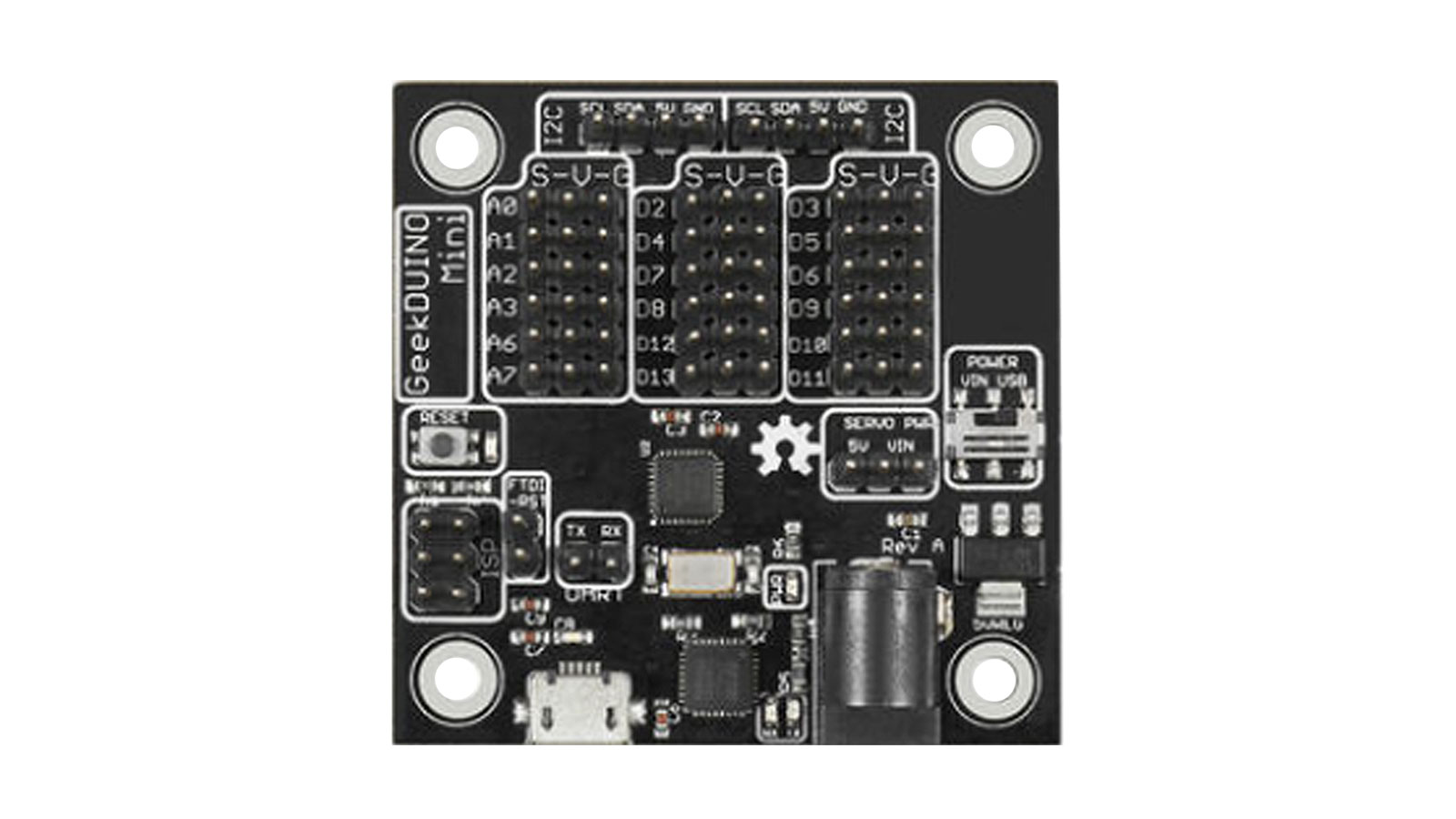
PCB assembly, 0.2 to 8mm board thickness
Company: Hua Xing PCBA Ltd
Model PCA 005-261 from Hua Xing is a PCB assembly based on an up to 28-layer FR-4, high-Tg FR-4 or aluminum board with 0.2 to 8mm thickness or a flexible PCB with 0.1 to 0.25mm thickness. The PCB surface finish is HASL, immersion tin or silver, ENIG or OSP. This PCBA conforms to IPC-A-600F, MIL-STF-105D and GB/T 4588 standards.
MOQ: Negotiable
Lead time: 20 days
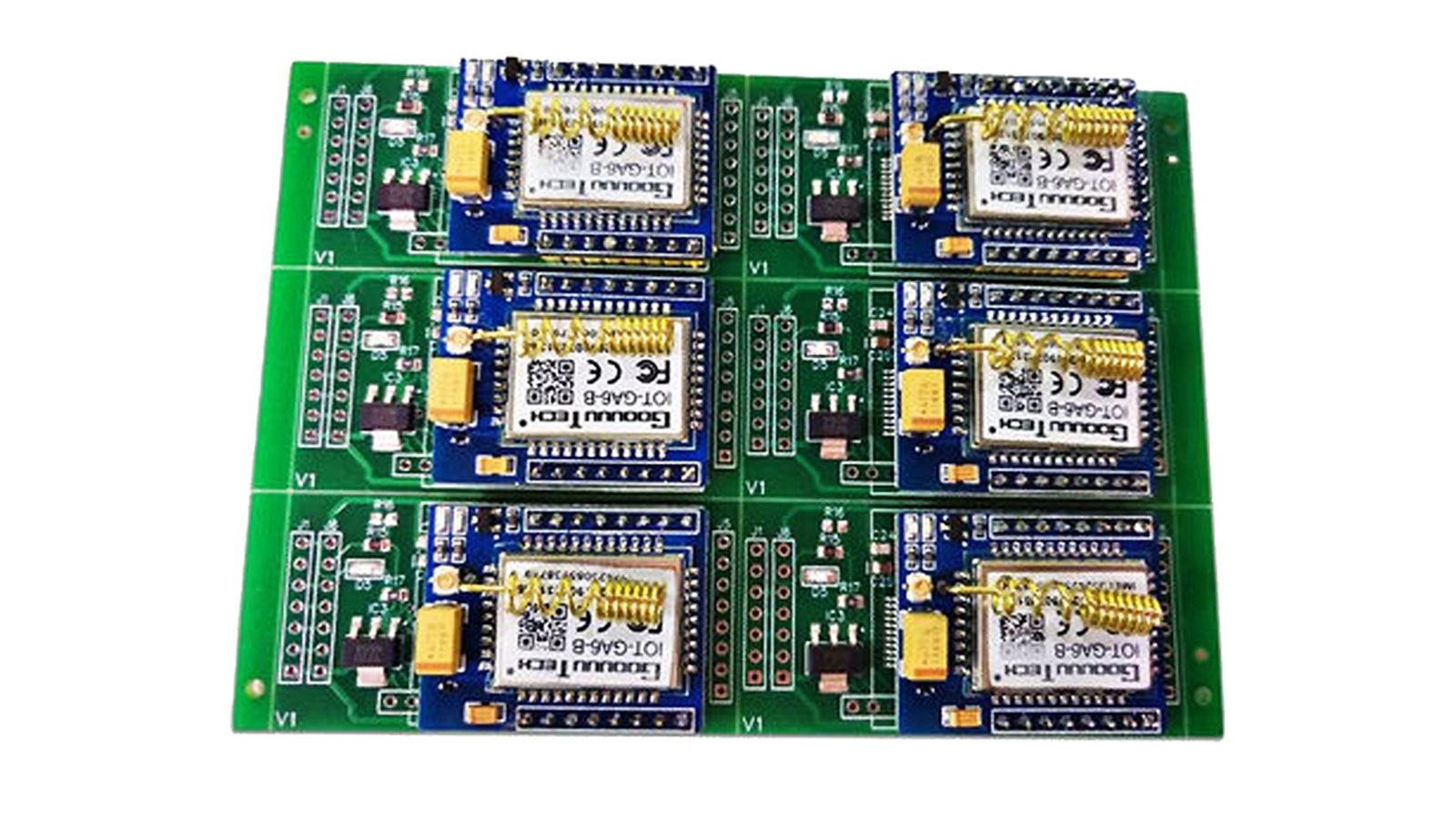
PCB assembly, SMT, BGA, DIP
Company: Poe Precision Electronics Co. Ltd
Poe Precision’s Poe-050607-7869 is a PCB assembly consisting of a 10-layer board with 1 to 6oz copper and 0.2 to 7mm finished thickness, and components mounted using SMT, BGA and DIP. This UL94V-0-rated PCBA conforms to IPC-600G Class 2, IP-6012B Class 2 and RoHS standards.
MOQ: 10 units
Lead time: 5 days
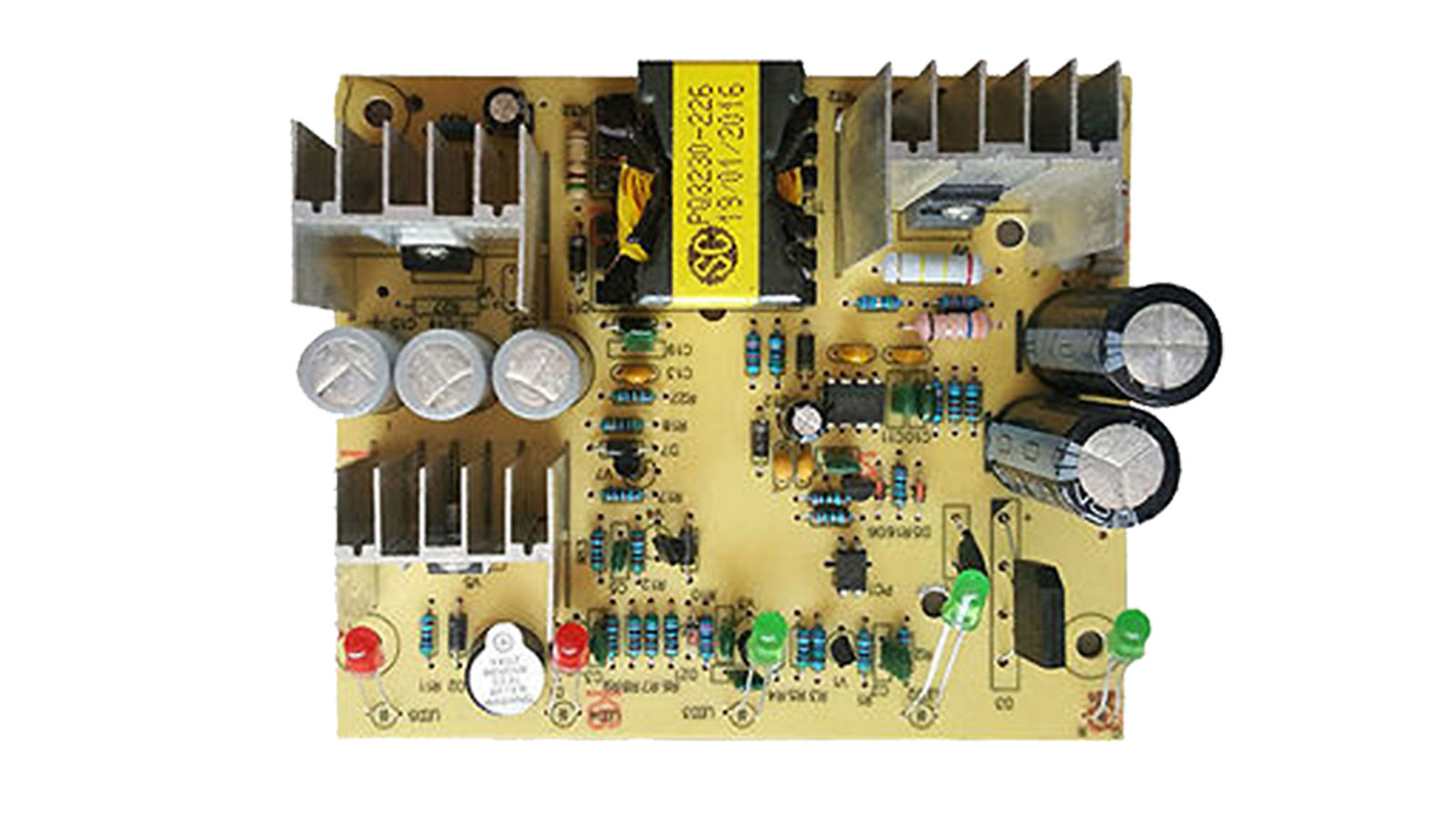
PCB assembly on single-, double-sided, multilayer board
Company: Shenzhen STHL Technology Co. Ltd
The STHL-A125-78 PCB assembly from Shenzhen STHL is for communications, consumer and smart electronics applications and home appliances. It is based on a single-, double-sided or multilayer PCB with silver or tin coating.
MOQ: 50 units
Lead time: 7 days
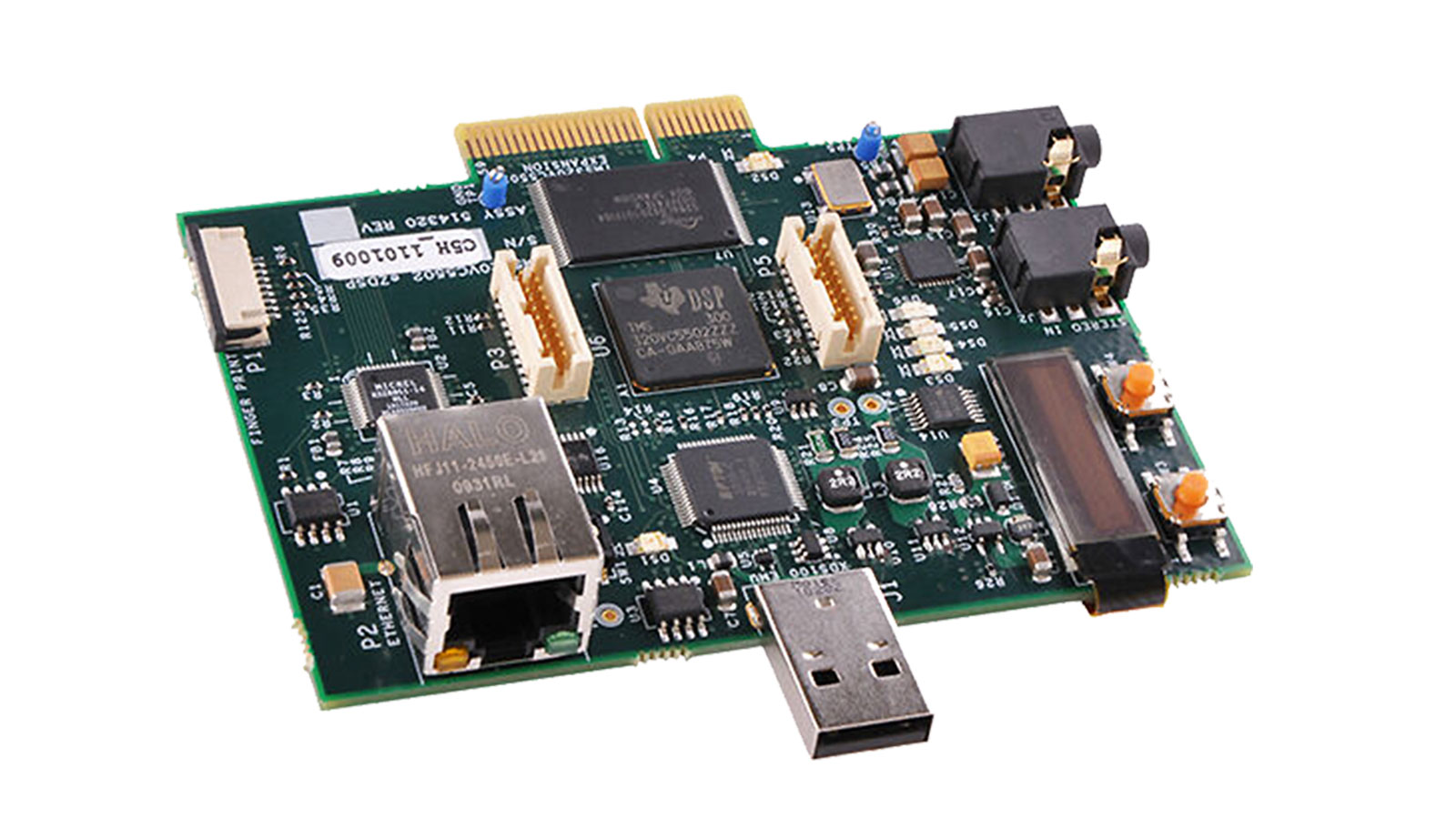
PCB assembly based on board with 1/2 to 12oz copper
Company: Shenzhen Xindaxing Electric Technology Co. Ltd
The PCBA-3693 PCB assembly from Shenzhen Xindaxing uses an FR-4, FR-1, FR-2, CEM-1, CEM-3, Rogers, PTFE, copper-based, ceramic or aluminum board with 0.2 to 6mm thickness, 1/2 to 12oz copper and immersion gold, gold finger, HASL or OSP surface finish.
MOQ: Negotiable
Lead time: 7 days

