Download App
Better Online and Trade Show Sourcing Experiences.Scan the QR code to download.
Learn More
Hot Topics
Google parent Alphabet is selling Boston Dynamics.
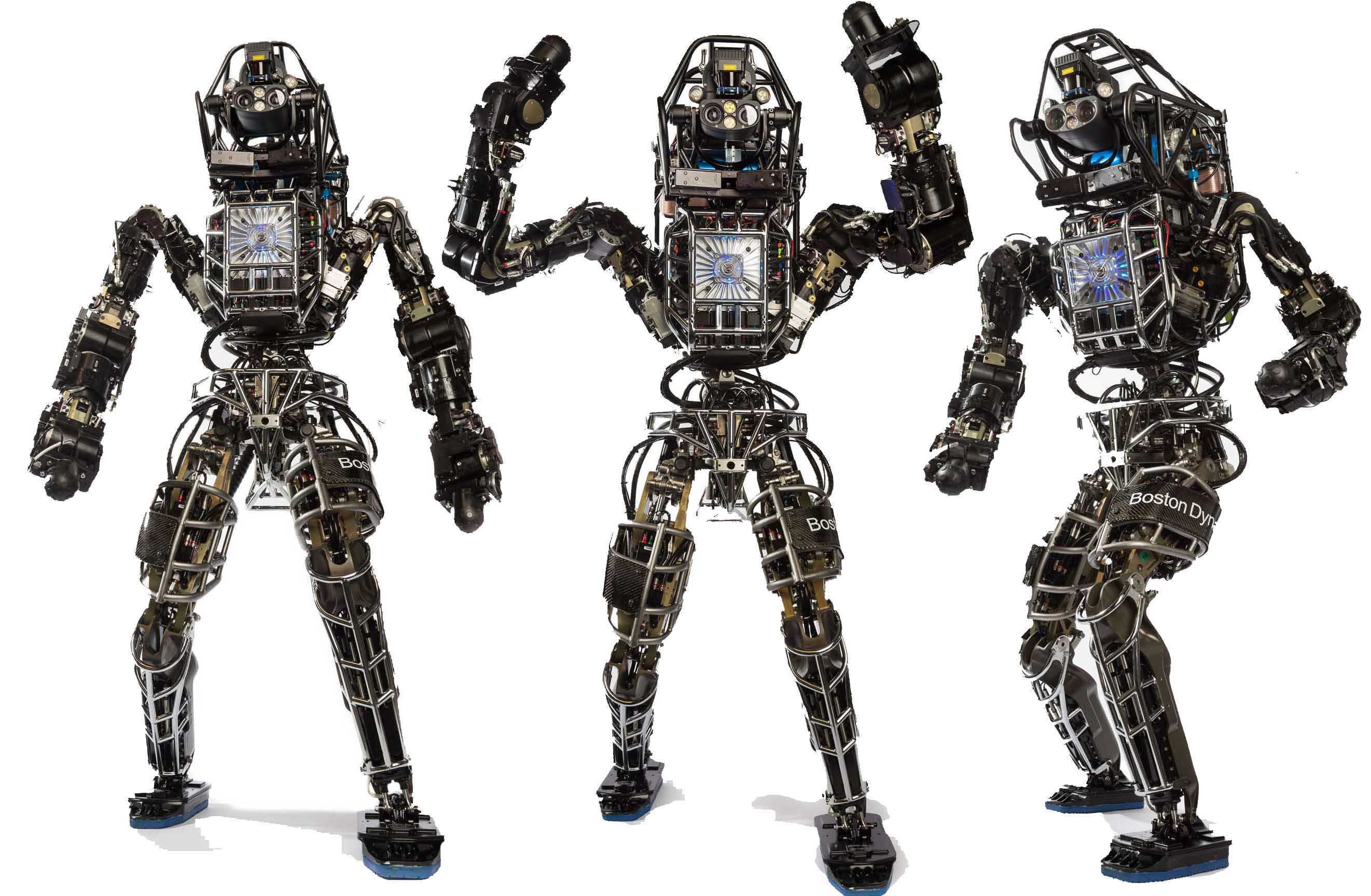
Boston Dynamics’ legged robots are technically challenging and innovative, but the company
was not on track to generate revenue soon enough for Alphabet (Image: Boston Dynamics)
Alphabet Inc., the parent company of Google, is selling off Boston Dynamics just a little more than two years after buying it. The multinational conglomerate is also in the process of dismantling its robotics initiatives, according to the Wall Street Journal. Robots made by Boston Dynamics are of interest to the military, but they do not have any commercial purpose at the moment.
It also turned out that there was a conflict between Boston Dynamics employees and other parts of Alphabet, which wanted to move toward a direction that would sooner generate revenue for the company. Six other robotics companies and Boston Dynamics were combined into a group called Replicant, but that was dissolved recently following the departure of Android co-creator Andy Rubin. While Alphabet will still have its famed self-driving cars, recent moves at the company mean it might have less of a say in creating a future in which we all have robotic helpers following us around.
However, Alphabet's departure from the market does not represent any kind of decline in robotics. Bank of America Merrill Lynch projects the market for robots and AI solutions will reach $153 billion by 2020 and have a "disruptive impact" of $14 trillion to $33 trillion.
The disruption could come in areas such as reduced health care and employment costs. Robotics will upend many markets, but industrial and service robots are perhaps the most relevant to China manufacturing.
The industrial robot market is expected to grow to $24 billion by 2025, up from $10.7 billion in 2014 or a CAGR of 8.5 percent. The personal robot market, on the other hand, might be worth $17.4 billion by 2020. Much of this could come from the health care market, with workers using robots to "enhance performance" and help the elderly and disabled. In household tasks, another big area for service robots, the industry could account for cost savings of $200 billion to $500 billion by 2025.
China is doing well manufacturing robots, but itstill struggles producing the kind of quality found in the hotbeds of AI innovation, namely the US, Japan and Germany, a professor at Shanghai Jiao Tong University told Shanghai Daily. Still, this is an area of focus for China, and similar to the semiconductor market, quality will likely improve with time.
More Sourcing News
Read Also

关注 “环球资源外贸” 官方微信,获取实时外贸资讯
iOS & Android
iOS & Android(Mainland China)
Copyright © 2026 Publishers Representatives Limited. All rights reserved.