




The 2026 luxury living paradigm transcends mere materialism, prioritizing ethical stewardship, health optimization, and cutting-edge innovation. High-net-worth individuals now demand homes that reflect their values: carbon-neutral footprints, AI-enhanced well-being, and spaces that inspire through artistry. This shift is driven by climate urgency, post-pandemic wellness priorities, and advancements in smart materials.
Sustainable Architecture: Eco-Conscious Opulence
Net-Zero Energy Homes
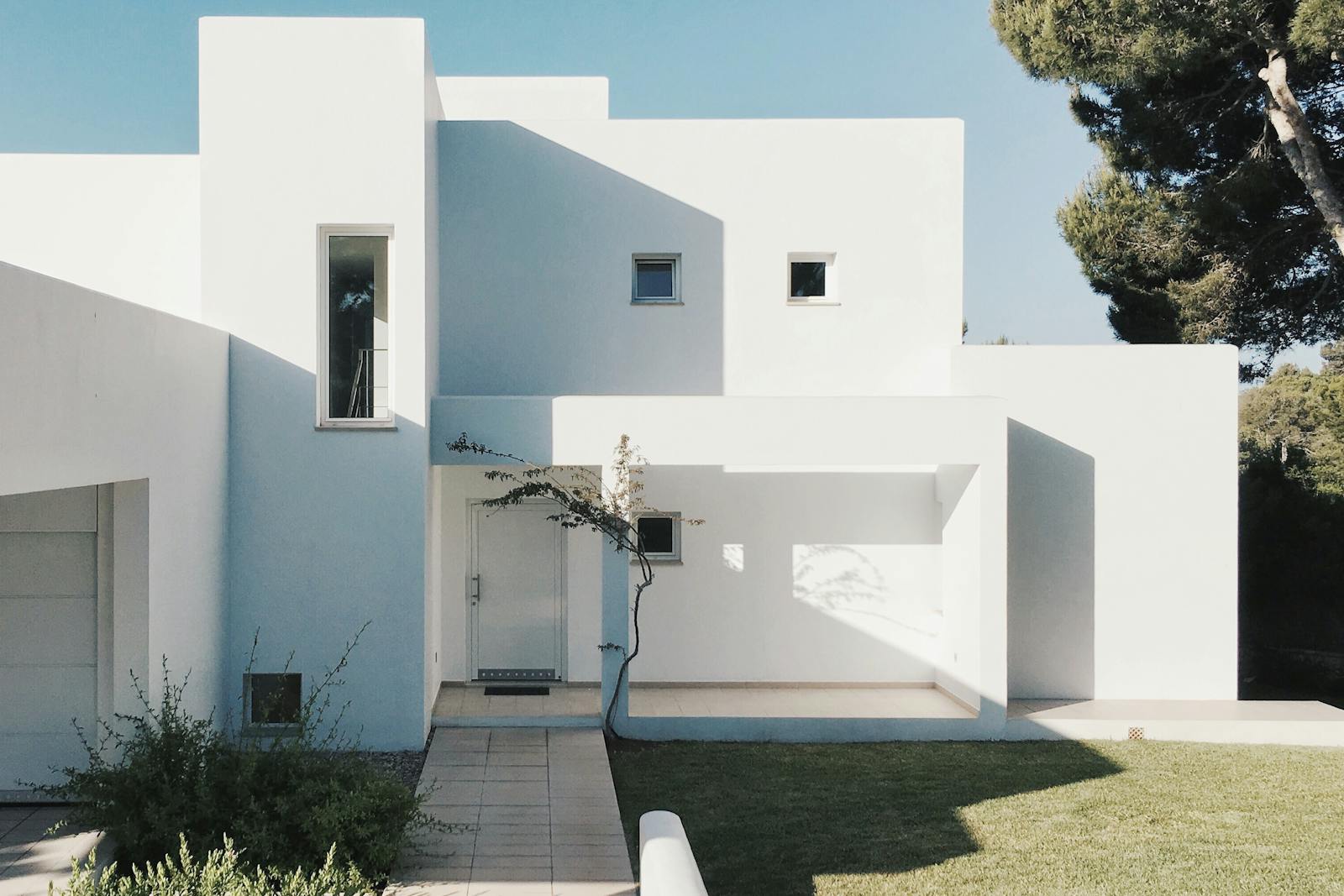
Luxury estates now achieve energy independence via geothermal heating, photovoltaic glass windows, and kinetic floor systems that convert movement into electricity. For example, Tesla’s Solar Roof V3 seamlessly integrates with slate or terracotta tiles, maintaining aesthetic appeal while generating 15kW daily.
Circular Design Principles
Architects like Olson Kundig use reclaimed steel beams from decommissioned factories and mycelium-based insulation. The "Cradle to Cradle" certification ensures every material can be repurposed indefinitely, eliminating landfill waste.
Biophilic Integration
Walls embedded with hydroponic gardens (e.g., Phytowall Urban Jungle) purify air while providing fresh herbs. Natural limes tone pools with regenerative filtration systems mimic mountain springs, reducing chemical use by 90%.

Smart Home Innovations: Intelligence Meets Elegance
AI-Driven Predictive Living
Systems like Josh.ai learn routines: pre-heat bathrooms before morning alarms, adjust lighting based on melatonin cycles, and restock groceries via IoT-enabled pantries. Voice commands fade into the background as AI anticipates needs through behavioral patterns.
Health-Optimized Environments
Dyson’s Pure Hot+Cool Formaldehyde purifiers detect 10+ airborne toxins, while Lutron Ketra lighting adjusts color temperatures to reduce eye strain. Soundscaping tech from Sonos Architectural masks urban noise with forest soundscapes proven to lower cortisol.
Discreet Tech
Motorized cabinetry by Boffi hides TVs and kitchens behind walnut panels. Subfloor wireless charging mats eliminate cluttered cords, and Samsung’s Invisible Speaker system embeds audio into plaster ceilings.
Wellness-Centric Design: Spaces That Heal
Neuroarchitecture
Curved walls and asymmetric layouts (inspired by Zaha Hadid’s fluid designs) reduce stress by avoiding harsh angles. Meditation pods with Sensate vibration therapy devices sync with heart rhythms to induce calm.
Hydrothermal Zones
Cold plunge pools (chilled to 50°F) and infrared saunas are now standard in master suites. Brands like Sauna360 offer modular units with Chromotherapy LED systems to boost immunity and recovery.
Circadian Lighting
Ketra’s Human-Centric Lighting mirrors the sun’s path, emitting 2700K warmth at dawn and 5000K cool white at noon. Studies show this improves sleep quality by 34% in luxury high-rises like Manhattan’s Central Park Tower.
Bold Artistic Statements: Curated Maximalism
Bespoke Sculptural Furniture
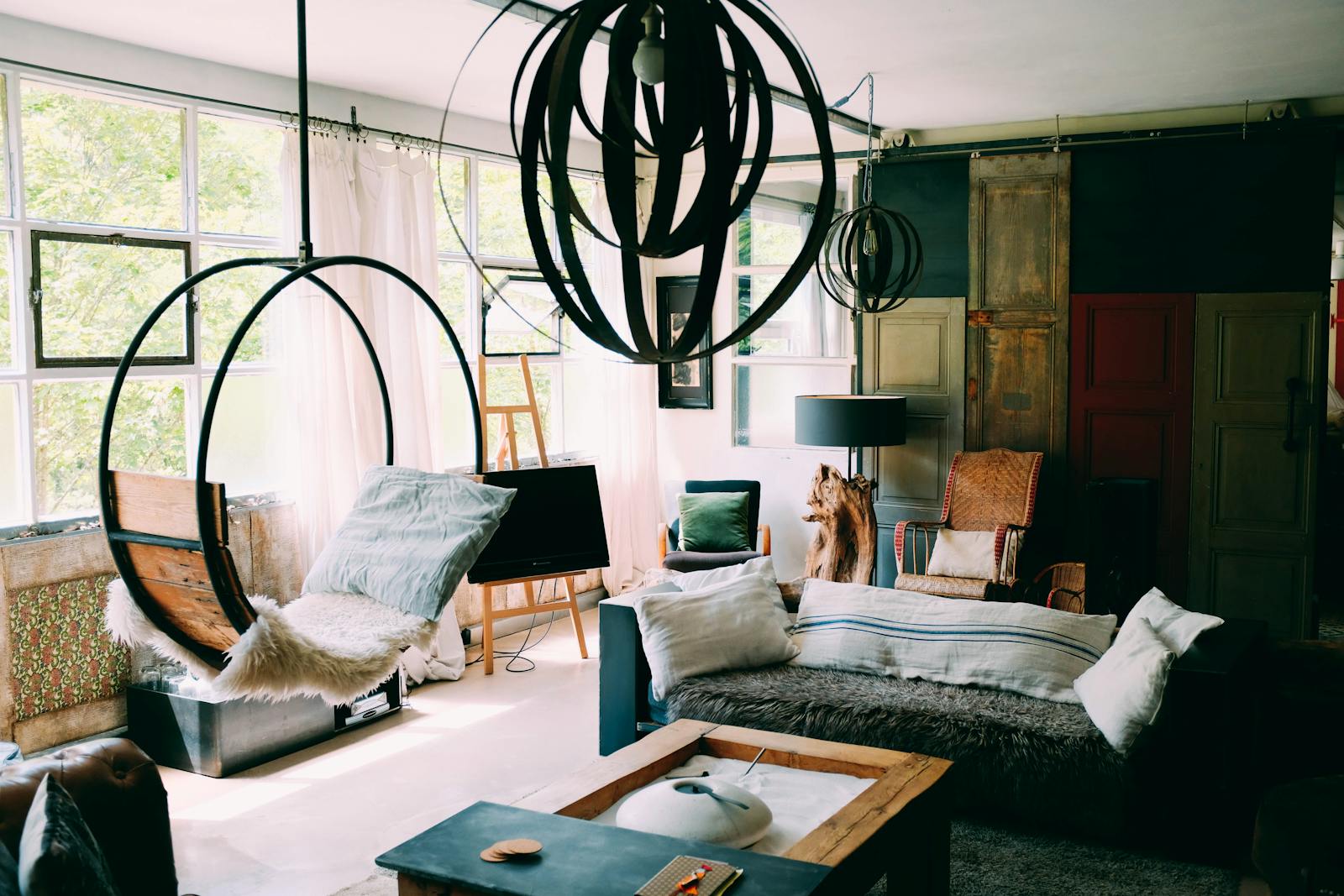
Designers like Rick Owens craft marble tables resembling glacial formations, while Studio Drift’s Shylight chandeliers mimic blooming flowers via aerospace-grade silk.
Digital Art Galleries
Frameless 8K screens from The Canvas display rotating NFT collections, from Beeple’s abstracts to AI-generated landscapes. Motion sensors trigger interactive pieces—wave a hand, and Refik Anadol’s data sculptures morph in response.
Textural Contrasts
Brutalist concrete walls pair with velvet-upholstered B&B Italia sofas. Pierre Augustin Rose combines oxidized brass countertops with smooth Calacatta Viola marble for tactile drama.
Outdoor Integration: Blurring Boundaries
Climate-Controlled Gardens
Retractable glass domes (e.g., NanaWall SkySpace) allow alfresco dining in snowstorms. Automated irrigation and soil sensors maintain rare orchids and Japanese maples year-round.
Outdoor Rooms
Summer kitchens feature Bulthaup grills with teppanyaki stations, while Ligne Roset’s weatherproof sofas include built-in heaters and USB ports. Home theaters project onto poolside mist screens via Sony’s 4K Laser Projectors.
Biodiversity Hotspots
Rooftop beehives and butterfly gardens earn LEED Platinum certifications. In Dubai’s Opus Tower, vertical forests by Stefano Boeri host 1,000+ plant species, offsetting 25 tons of CO2 annually.
Future-Forward Trends: 2026 and Beyond
Self-Healing Materials
MIT-developed concrete repairs cracks using embedded bacteria, while Gucci’s Demetra leather regenerates scratches via enzymatic treatments.
Holographic Interfaces
Microsoft’s Mesh Platform projects 3D chefs into kitchens for cooking tutorials. Architects use hologram blueprints to walk clients through unbuilt homes.
Carbon-Positive Communities
Developments like Billionaire’s Row Forest in NYC plant 10 trees per resident, achieving net-negative emissions. Rooftop solar farms feed excess energy to local grids.
Conclusion: The Evolution of Elite Living
Contemporary luxury is no longer about excess but impact—homes that heal occupants, regenerate ecosystems, and pioneer innovation. As climate tech and AI evolve, 2026 will see even radical shifts: think algae-based bio-facades and AI therapists embedded in mirrors. For the discerning homeowner, luxury now means legacy-building through conscious, cutting-edge design.

