




Solar cell technology has developed at a fast pace in recent years, with many research initiatives pursuing a high conversion ratio while lowering costs.
China, the largest solar power market in terms of manufacturing and installed capacity, has been using passivated emitter and rear contact or PERC technology on a major scale since around 2016. In 2022, such solar cells accounted for more than 80 percent of the country’s output. The last two or three years, however, have seen a shift to the more advanced tunnel oxide passivated contact or TOPCon.
TOPCon was first presented by researchers at the Fraunhofer Institute for Solar Energy Systems in Germany in 2013 and was scaled for mass production by 2019. It offers a theoretical efficiency as high as 28.7 percent and enhanced stability, providing better value over time.
On the manufacturing side, this new technology has the advantage of compatibility with existing PERC infrastructure and requires only two additional key steps for upgrading. While there remain patent lawsuits on certain processes and cell architectures, TOPCon cells continue to be made.
In China, the technology’s impact was felt in 2024, when production capacity for PERC solar cells plummeted to 130GW from 500GW in the previous year, shrinking their market share to 20 percent, according to Sihan Research Institute. In 2025, this is likely to drop further to around 10 percent.
In contrast, TOPCon’s market share surged from 25 percent in 2023 to 70 percent the following year, and will likely exceed 80 percent in 2025, solidifying its acquisition of the mainstream.
TrendForce said that in the first quarter of 2024, TOPCon projects in operation in China reached a total capacity of 603.6GW, with key players collectively responsible for 55 percent.
More research underway
Chinese manufacturers continue R&D exploring technologies to further improve their solar cells.
Shenzhen Skyworth will continue focusing on upgrading its TOPCon solar cells. What it has realized in recent years is a high conversion efficiency of 23.25 percent, low degradation rate of less than 1 percent within the first year, diminished light-induced degradation, and enhanced stability under weak light intensities and high temperatures. The company is planning to expand production as well in the next one or two years. Its current annual capacity is 10GW.
Suppliers are also looking at potentially adopting black contact or BC and heterojunction or HJT technologies.
The Yingfa Group, however, has already ventured into the production of BC solar cells and have started exporting them in the second quarter of 2025. Shanghai Everskill Mechanical & Electric Products Co. Ltd, one of the suppliers interviewed by Global Sources for this article, offers BC monocrystalline silicon solar cells with a conversion efficiency of up to 26 percent and front light reception of 100 percent. These products have a bipolar passivation contact structure and silver-free metallized coating.
Steady demand growth
Globally, 530GW solar power systems were newly installed in 2024, according to the China Photovoltaic Industry Association, setting a record with the accumulated installed volume reaching 2,076GW.
In China, the volume hit 227.57GW in the same year, rising by 28.3 percent year on year. The same high growth is expected to continue over the next several years.
Per the International Energy Association, new installed volume is projected to push past 5,500GW worldwide from 2024 to 2030.
Because of these forecasts, more Chinese manufacturers will fund production expansion, specifically involving TOPCon solar cells.
Based on information gathered by TrendForce, 18 such projects were signed or began construction in China as early as April 2024. These amounted to a total investment of $15.27 billion and an aggregate annual capacity of 100GW.
Bowei Alloy, for instance, announced in early 2024 its two such undertakings in Vietnam and the US, allocating a total of $437.5 million. The target annual turnout is 3GW TOPCon solar cells and 2GW modules for the Vietnam plant and 2GW solar cells for the US site.
Production pool
There are hundreds of solar cell manufacturers in China, most operating on a small or medium scale.
Top Chinese companies, which are also among global industry leaders, include LONGi, Tongwei, Trina Solar, JA Solar, JinkoSolar, Risen Energy, TCL Zhonghuan and GCL.
LONGi is the largest supplier of monocrystalline silicon solar cells and modules in the world. In 2024, the company’s share of the solar cell market was over 30 percent, while its module shipments exceeded 60GW.
Production bases are found mainly in the provinces of Jiangsu, Zhejiang, Shandong, Shaanxi and Yunnan.
Shaanxi has developed a comprehensive supply chain in its cities, including Xi’an, Xianyang, Weinan, Shangluo and Yulin. Its total production value reached $22.22 billion in 2023, 26.5 percent higher than the previous year, according to the Shaanxi Provincial Development and Reform Commission. In terms of silicon solar cell shipments, the province ranked first in the world market for nine consecutive years.
Mainstream selection
Chinese manufacturers of solar cells offer mono- and polycrystalline silicone types, mostly available in sizes of 103x103mm, 125x125mm, 150x150mm and 156x156mm. Amorphous silicon thin-film kinds can also be sourced.
The typical specifications are up to 24 percent efficiency, 4.5W maximum power, about 0.6V open-circuit voltage, -40 to 85 C operating temperature and over 10 years’ operating life span. All product features can be customized according to requirements.
All materials are usually sourced domestically. The cost of silicon materials, which account for more than half of total outlay, is expected to stabilize in the coming months and keep prices of solar cells steady.
Here are ready-to-source solar panels from verified suppliers on GlobalSources.com.
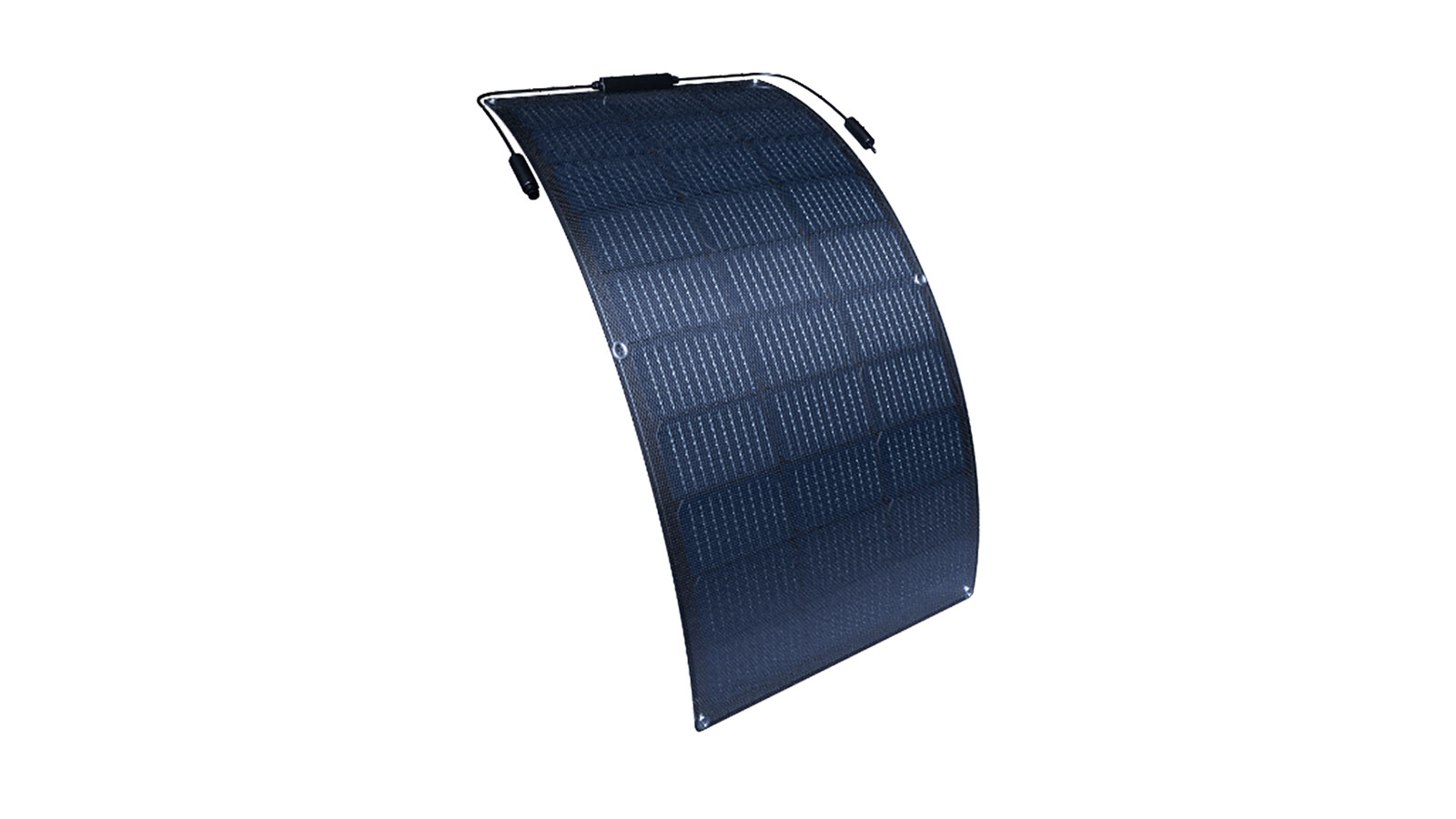
Solar panel with monocrystalline cells
Company: Proton Energy Technology (Dongguan) Co. Ltd
The PTRXB100W009 from Proton is a solar panel made up of monocrystalline cells with a rated voltage of 12V. It meets CE, FCC and RoHS requirements.
MOQ: Negotiable
Lead time: 30 days
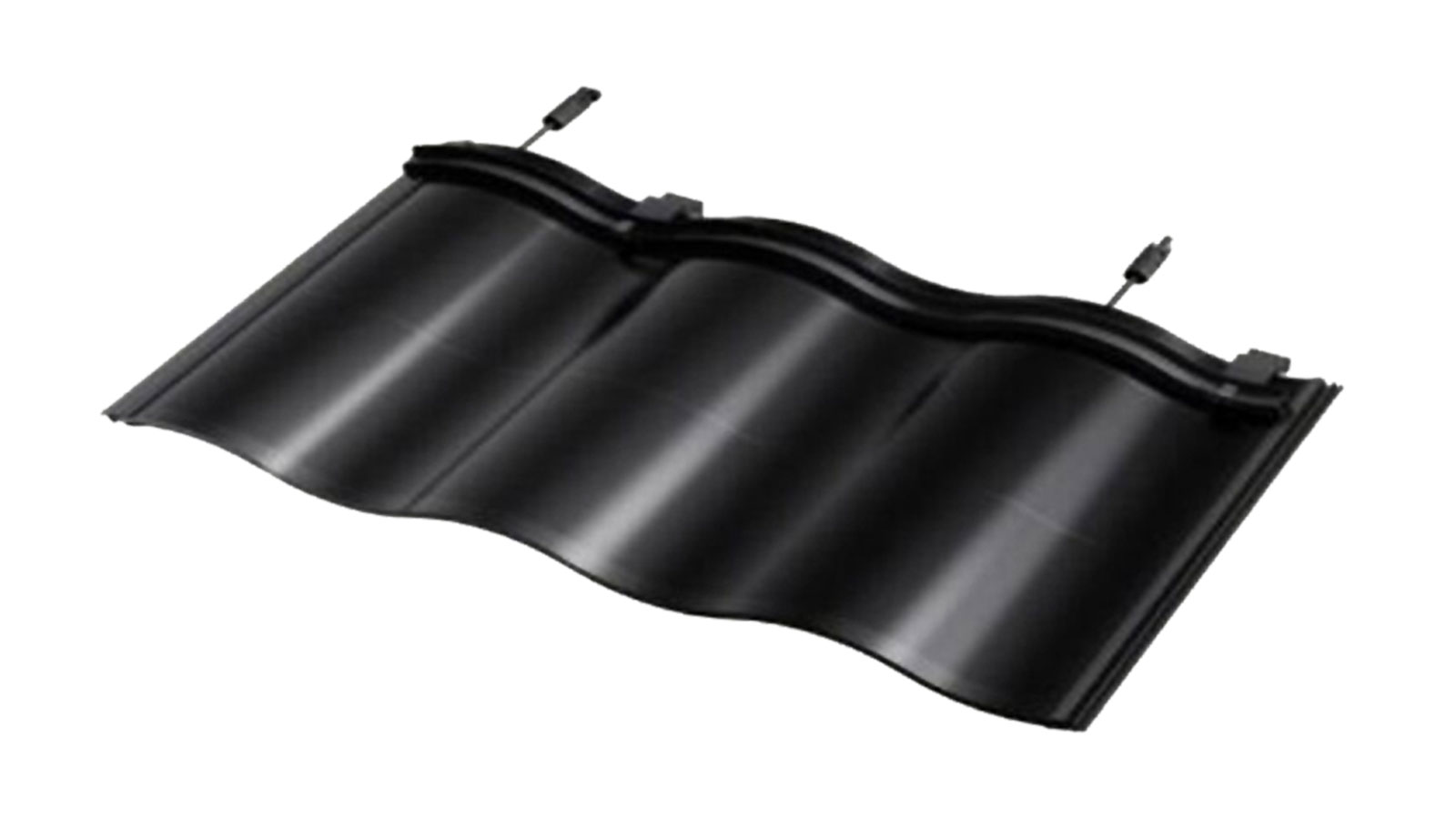
Solar panel with BC cells
Company: Shanghai Everskill Mechanical & Electric Products Co. Ltd
Shanghai Everskill’s ES-BC-20241204-1-9034 solar panel consists of BC cells with 24 percent conversion efficiency, 98 percent front light utilization and silver-free metallized coating.
MOQ: 2,000 units
Lead time: 5 days
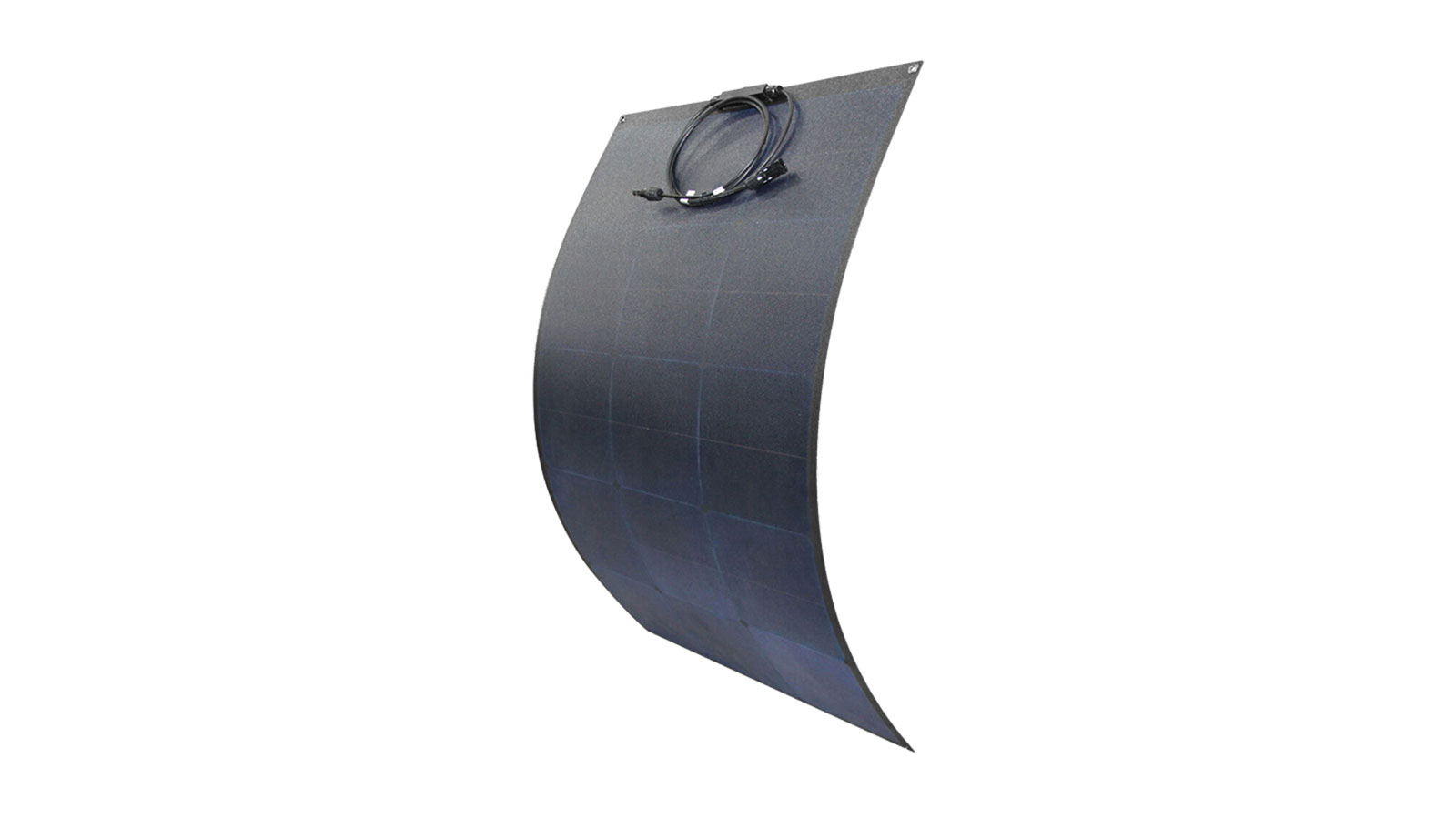
Solar panel using BC cells
Company: Sun's Energy Co. Ltd
This solar panel from Sun’s, the JVBL-100M, has BC cells with 26 percent efficiency and -40 to 85 C operating temperature.
MOQ: Negotiable
Lead time: 10 days
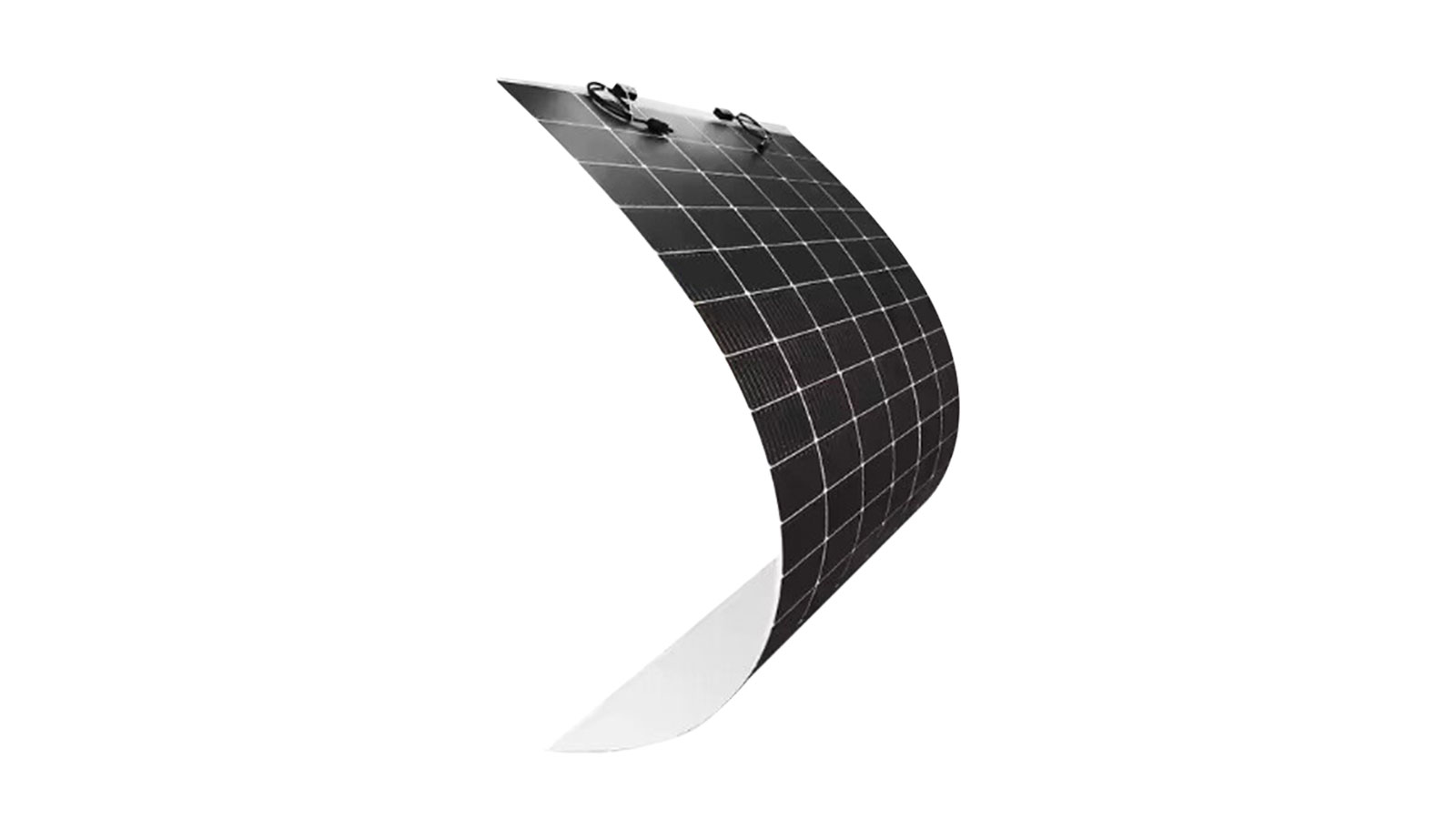
Solar panel with PERC cells
Company: Zhaoxun (Dongguan) Electronic Technology Co. Ltd
Suitable for use in residential and commercial systems, the WH-GP48 AIR-7316 from Zhaoxun is a solar panel consisting of grade A PERC cells with 20.8 percent efficiency. Each cell measures 182x182mm.
MOQ: Negotiable
Lead time: 20 days

