Download App
Better Online and Trade Show Sourcing Experiences.Scan the QR code to download.
Learn More
Hot Topics
The tiny particles are often washed into the world's oceans and being mistaken by fish for food.
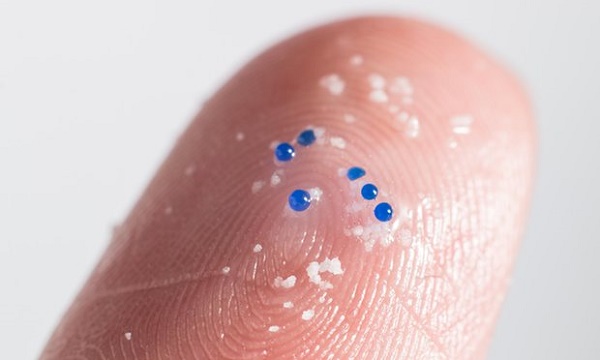
Image source: Hennel/Alamy
The UK government has imposed a ban on the use of microplastics in cosmetic products by the end of 2017. This comes after studies revealed that trillions of tiny plastic pieces from beauty and personal care products accumulate in the world's oceans and are being ingested by marine life.
Conservationists have warned that fish and other marine organisms mistake the particles for food. Once eaten, the small beads persist in the guts of the animals and may affect their growth.
The plastic, also known as microbeads, come in very tiny pieces, and are often used in facial scrubs and makeup. Some can be seen by the naked eyes but others can be as small as 1µ.
The government has already set a consultation to determine the scope of the ban and which products will be included.
The UK is the second nation to prohibit the adoption of the plastic after the US implemented a similar ban starting mid-2017. More than 357,000 people signed a petition calling for a UK ban and environmental groups welcomed the development.
The US ban was approved by President Barack Obama and covers cosmetic products, including body wash, soap and toothpaste.
Industry experts say that natural alternatives that are biodegradable and pose no ecological harm exist. Jojoba beads, apricot kernels, ground nutshells and salt are examples.
Beauty products widely available in supermarkets such as those from Asda, Waitrose and Sainsbury's have already dropped the use of microbeads while Unilever, which owns Dove, has phased them out. Procter & Gamble, which owns Crest toothpaste, Gillette and Olay, will end the adoption by 2017.
Consumers looking to avoid microbeads in the meantime should stay away from products containing polyethylene (PE), polypropylene (PP), polyethylene terephthalate (PET), polymethyl methacrylate (PMMA), polytetrafluoroethylene (PTFE) and nylon, campaigners say.
So far, no conclusive scientific evidence has proved that microplastics pose any threat to human health when passed onto the food chain by fish, according to the European Food and Safety Agency.
More Sourcing News
Read Also

关注 “环球资源外贸” 官方微信,获取实时外贸资讯
iOS & Android
iOS & Android(Mainland China)
Copyright © 2026 Publishers Representatives Limited. All rights reserved.




