


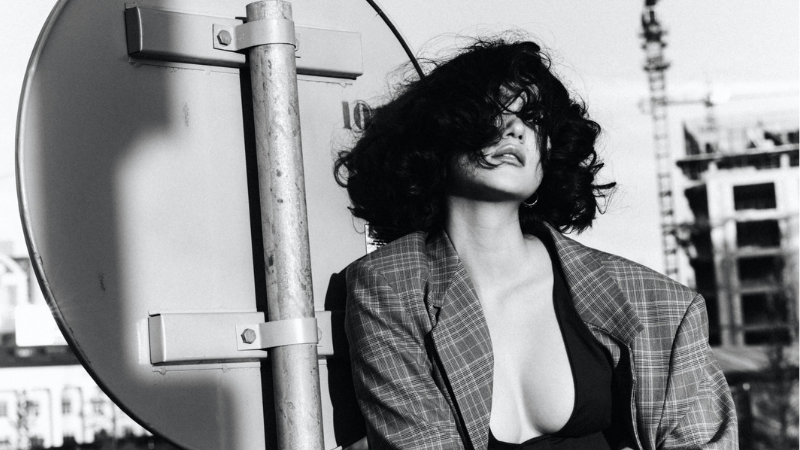
Wholesale fashion trends play a pivotal role in the ever-evolving world of fashion. They shape the products offered by manufacturers and distributors, as well as dictate consumer preferences and purchasing behaviors. This comprehensive overview aims to provide insights into the latest wholesale fashion trends, covering a wide range of categories and styles. Let's delve into the exciting world of wholesale fashion trends:
1. Streetwear and Athleisure
Streetwear and athleisure continue to dominate the wholesale fashion scene. These styles fuse elements of sportswear and casual wear, appealing to the growing demand for comfort and functionality.
Hoodies, joggers, oversized t-shirts, and sporty accessories like sneakers and backpacks remain popular in the streetwear segment.
Athleisure wear, characterized by yoga pants, leggings, sports bras, and stylish activewear, has gained momentum as consumers prioritize fitness and wellness.
2. Sustainable Fashion
With increasing environmental awareness, sustainable fashion has become a significant trend in the wholesale industry.
Brands are prioritizing eco-friendly materials, ethical manufacturing practices, and fair trade initiatives.
Demand for organic cotton, recycled fabrics, cruelty-free products, and biodegradable packaging is on the rise.
Sustainability is extending to upcycled fashion as well. Collaborations between designers and artisans create unique pieces by repurposing materials, contributing to a circular fashion economy.
3. Gender-Neutral Fashion
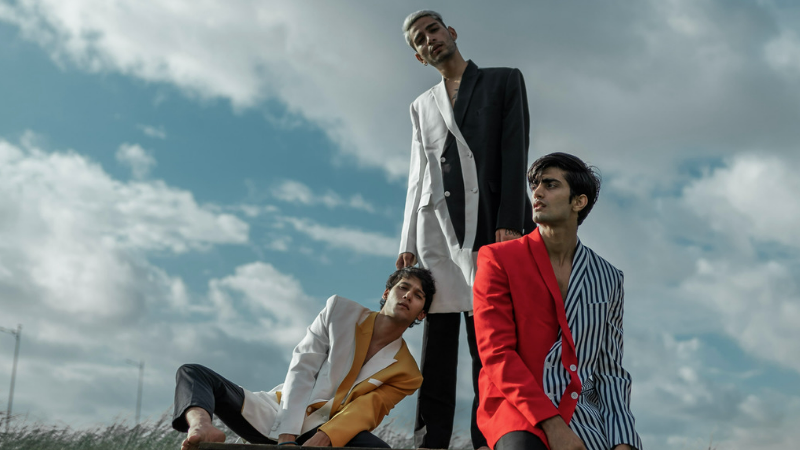
The concept of gender-neutral fashion has gained traction, breaking traditional fashion norms and embracing inclusivity.
Wholesale fashion trends now include unisex styles, genderless silhouettes, and neutral color palettes that cater to a broader range of customers.
Tailoring and fit are evolving to accommodate diverse body types, ensuring that gender-neutral fashion is accessible and flattering for everyone.
4. Bold Colors and Patterns
Vibrant colors and eye-catching patterns are making a statement in the wholesale fashion world.
Bold color choices like neon shades, bright yellows, and vivid pinks are increasingly popular.
Patterns such as animal prints, tie-dye, florals, and psychedelic designs are seen across various fashion categories.
Color blocking, where multiple bold colors are strategically combined in a single outfit, is emerging as a dynamic trend, adding visual interest and vibrancy to wholesale collections.
5. Comfortable Footwear
Comfortable footwear is experiencing a surge in popularity, aligning with consumers' desire for practicality and style.
Sneakers, slides, and sandals with cushioned soles and ergonomic designs are favored among fashion-forward individuals.
Footwear brands are exploring eco-friendly options for materials like plant-based leathers and sustainable cushioning, aligning comfort with environmental consciousness.
6. Retro and Vintage-Inspired Fashion
Nostalgic fashion trends from the past are making a comeback in the wholesale fashion industry.
Retro-inspired clothing, including vintage prints, high-waisted jeans, oversized sunglasses, and statement accessories, add a touch of nostalgia to modern wardrobes.
Footwear brands are exploring eco-friendly options for materials like plant-based leathers and sustainable cushioning, aligning comfort with environmental consciousness.

7. Minimalist and Timeless Pieces
Minimalist fashion continues to thrive, emphasizing clean lines, neutral colors, and timeless silhouettes.
Wholesale fashion trends in this category focus on versatile pieces that can be easily mixed and matched, providing long-lasting value and style.
Footwear brands are exploring eco-friendly options for materials like plant-based leathers and sustainable cushioning, aligning comfort with environmental consciousness.
8. Innovative Textures and Materials
Fashion is embracing innovative textures and materials, giving rise to unique wholesale fashion trends.
Faux leather, mesh fabrics, sequins, metallic finishes, and velvet textures are gaining popularity in clothing, accessories, and footwear.
Textures extend to unexpected places, like footwear with knit uppers or clothing with tactile embellishments, creating a tactile and sensory experience.
9. Statement Accessories
Accessories serve as the finishing touches to complete a fashion ensemble. In the wholesale fashion industry, statement accessories are in high demand.
Oversized earrings, chunky chains, colorful scarves, and embellished headbands are among the popular accessory trends.
Accessories are becoming bolder and more experimental, with mismatched earrings, layered necklaces, and maximalist designs adding drama and personality to outfits.
10. Smart Fashion
With the advent of technology, smart fashion is emerging as a noteworthy trend.
Wholesale fashion now includes garments with features like fitness tracking, temperature control, and interactive fabrics.
Fashion tech is also expanding to accessories, with smart bags and wearables that seamlessly integrate technology into daily style.
In conclusion, wholesale fashion trends encompass an array of styles and themes, catering to diverse consumer preferences. From streetwear and sustainable fashion to gender-neutral styles and bold colors, the wholesale fashion industry continues to evolve and adapt to changing market demands. By staying attuned to these trends, fashion businesses can capitalize on opportunities and offer their customers the latest and most sought-after styles. The upcoming seasons promise a dynamic and inspiring range of fashion choices catering to every individual's unique style.
The History of Wholesale Fashion Trends: A Journey through Time
Step into the captivating narrative that has woven the tapestry of wholesale fashion trends over the ages. This journey through time unveils the origins, milestones, and transformative shifts that have shaped the industry into what it is today. From the echoes of the Industrial Revolution to the dawn of fast fashion and the sustainable future ahead, this exploration offers a glimpse into the evolution of style, commerce, and cultural influence.
The Origins of the Wholesale Fashion Industry
Delve into the origins of an industry that has shaped how we dress and express ourselves. Journey back to the transformative era of the Industrial Revolution, where technological innovations sparked a revolution of their own - giving birth to the wholesale fashion industry. Explore how the advent of mass production, the shift from artisanal to mechanized techniques, and the introduction of the wholesale model laid the foundation for the dynamic fashion landscape we navigate today.
- The Industrial Revolution and the Rise of Mass Production:The wholesale fashion industry can trace its origins back to the Industrial Revolution, a period of rapid technological advancement that transformed manufacturing processes. The invention of the sewing machine and other machinery led to the mass production of garments, making fashion more accessible to a wider audience.
- Shift from Handmade to Factory-Made Garments: As factories began churning garments faster, the fashion landscape changed dramatically. The traditional practice of crafting clothes by hand gave way to mechanized production methods, allowing for increased efficiency and affordability. This shift laid the foundation for the modern fashion industry we know today.
- Introduction of the Wholesale Model: With the rise of mass production, the need for efficient distribution became evident. This led to the introduction of the wholesale model, where manufacturers produced large quantities of clothing and sold them in bulk to retailers. Wholesalers acted as intermediaries, bridging the gap between manufacturers and consumers. This model allowed retailers to offer their customers a diverse range of products while benefiting from economies of scale.
Fashion's Rise to Prominence
Embark on a journey through the annals of fashion history, where visionary designers and iconic creations have shaped the very essence of style. From the transformative innovations of trailblazers like Coco Chanel to the artistic revolution ignited by Paul Poiret, this chapter unveils the emergence of fashion as a potent form of expression and a reflection of cultural shifts. Discover how fashion magazines and runway shows became influential platforms, empowering style to transcend its functional purpose and become a canvas for individuality and creativity.
- Fashion Icons and Design Innovators: The 20th century saw the emergence of iconic fashion designers who left an indelible mark on the industry.
- Coco Chanel and the Little Black Dress: A pioneer of modern fashion, introduced timeless pieces like the little black dress. Her minimalist designs and innovative use of fabrics redefined elegance and femininity.
- Paul Poiret and Revolutionary Draping Techniques: Paul Poiret revolutionized fashion with his draping techniques and artistic approach to design. He introduced vibrant colors, bold patterns, and a departure from the restrictive corsets of the past.
- The Birth of Fashion Magazines and Runway Shows: The 20th century also witnessed the birth of fashion magazines and runway shows. Magazines like Vogue became influential platforms for showcasing new trends, while runway shows allowed designers to present their collections to a global audience.
- Fashion as an Expression of Individuality and Status: Fashion became a means of expressing individuality and social status. People used clothing to communicate their personalities, aspirations, and affiliations, leading to diverse styles and trends.
The Evolution of Wholesale Fashion Trends
As the world of fashion has continually evolved and transformed, so too have the trends that drive its dynamic nature. The evolution of wholesale fashion trends is a captivating narrative that takes us on a journey through time, revealing the intricate interplay of cultural shifts, technological advancements, and individual expressions that have shaped the industry into what it is today. From the echoes of the Industrial Revolution to the dawn of the fast fashion era and the sustainable future ahead, this chapter unveils the fascinating tapestry of change that has defined the evolution of style, commerce, and cultural influence within the wholesale fashion landscape. Join us as we embark on a captivating exploration into the history, milestones, and transformative shifts that have guided the course of wholesale fashion trends over the ages.
- Post-War Boom and the Rise of Ready-to-Wear: The aftermath of World Wars I and II brought significant changes to fashion.
- The Impact of World Wars on Fashion: During wartime, resources were scarce, leading to practical and useful clothing. However, post-war optimism sparked a desire for novelty and extravagance in fashion.
- Emergence of Ready-to-Wear Clothing: The demand for accessible fashion led to the rise of ready-to-wear clothing. This shift democratized fashion, making trendy garments available to a broader demographic.
- The Influence of Street Style and Subcultures: The latter half of the 20th century saw the rise of street style and fashion subcultures.
- Youth Culture and Fashion Rebellion: Youth culture was pivotal in shaping fashion trends. From the rebellious spirit of the 1960s to the grunge movement of the 1990s, young people influenced fashion through their subversive style choices.
- Fashion Subcultures and Street-Style Icons: Like punk, hip-hop, and skateboarding introduced unique aesthetics to the fashion scene. Street-style icons, often influenced by music and urban culture, became trendsetters.
The Fast Fashion Revolution
Step into a realm where fashion transforms at the speed of thought. The advent of the Fast Fashion Revolution marked a seismic shift in the industry's landscape, ushering in an era of rapid production cycles, global connectivity, and ever-evolving trends. This exploration delves into the forces that birthed this revolution, its impact on consumer behaviors, and the intricate interplay between style, accessibility, and sustainability.
- Mass Production and Globalization: The 21st century brought about the fast fashion revolution, characterized by rapid production cycles and global supply chains.
- Introduction of Fast Fashion Business Model: Fast fashion brands introduced a business model focused on quickly producing inexpensive, on-trend garments. This approach allowed consumers to access the latest styles at affordable prices.
- Outsourcing and Global Supply Chains: The fast fashion model relied on outsourcing manufacturing to countries with lower production costs. This led to the globalization of the fashion industry but also raised concerns about labor conditions and environmental impact.
- Impact on Consumer Behavior: Fast fashion influenced consumer behavior, fostering a culture of frequent clothing purchases and disposability.
- Quick Turnaround and Disposable Fashion: The emphasis on speed led to shorter product life cycles, contributing to a throwaway culture where garments are worn a few times and discarded.
- Environmental Concerns and Ethical Challenges: The fast fashion model raised ecological concerns due to overproduction, excessive waste, and exploitative labor practices. Consumers and the industry began advocating for sustainable alternatives.
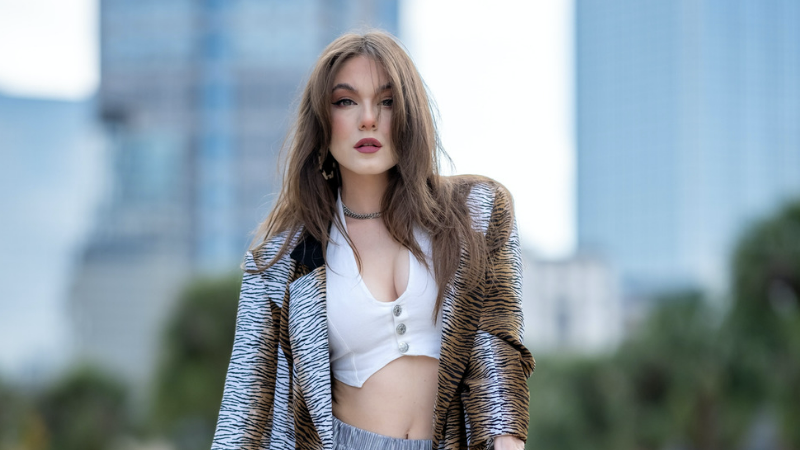
Fashion's Technological Leap:
Embark on a journey into the intersection of fashion and technology, where innovation and progress have ignited transformative changes in the way we perceive, create, and interact with clothing. This chapter delves into the profound impact of the digital age on the fashion landscape, exploring how technological advancements have reshaped everything from the way we shop to the very fabrics that drape our bodies. Join us as we unravel the threads of this exciting evolution at the nexus of fashion and technology.
- The Digital Age and E-Commerce: The digital age has revolutionized how fashion is marketed, sold, and consumed.
- Integration of Online Platforms in Fashion Retail: E-commerce platforms enabled consumers to shop for fashion online, offering convenience and various choices.
- Influencer Marketing and Social Media's Role: Social media platforms like Instagram and TikTok transformed fashion marketing, with influencers shaping trends and promoting brands.
- Sustainable Fashion and Ethical Practices: Growing awareness of environmental and social issues prompted the rise of sustainable fashion.
- Rise of Eco-Friendly and Slow Fashion Movements: Consumers demanded eco-friendly and ethical fashion, leading to the increase in slow fashion-a movement emphasizing quality, longevity, and responsible practices.
- Use of Innovative Materials and Production Methods: Technological advancements facilitated using innovative materials, such as lab-grown textiles and biodegradable fabrics, reducing the industry's environmental impact.
Shifting Trends and Key Influences
Embark on a journey into the intersection of fashion and technology, where innovation and progress have ignited transformative changes in the way we perceive, create, and interact with clothing. This chapter delves into the profound impact of the digital age on the fashion landscape, exploring how technological advancements have reshaped everything from the way we shop to the very fabrics that drape our bodies. Join us as we unravel the threads of this exciting evolution at the nexus of fashion and technology.
- The Digital Age and E-Commerce: The digital age has revolutionized how fashion is marketed, sold, and consumed.
- Integration of Online Platforms in Fashion Retail: E-commerce platforms enabled consumers to shop for fashion online, offering convenience and various choices.
- Influencer Marketing and Social Media's Role: Social media platforms like Instagram and TikTok transformed fashion marketing, with influencers shaping trends and promoting brands.
- Sustainable Fashion and Ethical Practices: Growing awareness of environmental and social issues prompted the rise of sustainable fashion.
- Rise of Eco-Friendly and Slow Fashion Movements: Consumers demanded eco-friendly and ethical fashion, leading to the increase in slow fashion-a movement emphasizing quality, longevity, and responsible practices.
- Use of Innovative Materials and Production Methods: Technological advancements facilitated using innovative materials, such as lab-grown textiles and biodegradable fabrics, reducing the industry's environmental impact.
The Future of Wholesale Fashion Trends
Embark on a journey into the horizon of fashion's evolution - a landscape where innovation, consciousness, and technology converge to shape the contours of style to come. Delve into the realm where sustainability intertwines with creativity, digital advancements redefine the shopping experience, and the tapestry of wholesale fashion trends continues to unfurl. In exploring what lies ahead, discover how the industry's compass points toward a future driven by responsible choices, personalized encounters, and a synergy between tradition and progress.
- Sustainable and Conscious Fashion: The fashion industry's focus on sustainability will continue to grow.
- Focus on Ethical Sourcing and Sustainable Materials: To pave the way for sustainable fashion, brands are urged to adopt ethical sourcing practices and integrate sustainable materials into their creations. Transparent supply chains are key, allowing consumers to trace the journey of their garments from source to store.
- Incorporation of Circular Economy Principles: Adopting circular economy principles will be pivotal in minimizing waste and advancing garment recycling. Designs engineered for longevity and recyclability will extend the life cycle of fashion items, reducing the industry's environmental footprint.
- Innovation and Digital Advancements: Technological innovations will shape the future of fashion.
- Augmented Reality and Virtual Fitting Rooms: Virtual and augmented reality will enhance the online shopping experience, allowing consumers to try on clothes virtually.
- Personalized Fashion Experiences:Fashion technology is on the brink of providing personalized shopping experiences that cater to individual preferences. Through sophisticated algorithms and data analysis, consumers will receive tailored recommendations, transforming each shopping journey into a uniquely curated adventure.
In conclusion, the history of wholesale fashion trends is a testament to the industry's continuous evolution and its ability to respond to societal changes. From the Industrial Revolution's mass production to today's fast fashion revolution and focus on sustainability, fashion has always been influenced by technological advancements, cultural shifts, and individual expression. Understanding the journey of wholesale fashion trends helps us navigate the present and anticipate the future of this dynamic industry.
Buying Wholesale Fashion Items on Globalsources.com
Purchasing wholesale fashion items has evolved significantly with the rise of digital platforms. Globalsources.com, a prominent online marketplace, offers many benefits and features catering to businesses seeking to source fashion products. Here's an in-depth exploration of how companies can leverage the platform for successful sourcing:
1. Wide range of products: Globalsources.com offers a vast selection of fashion items from various manufacturers. You can find clothing, accessories, footwear, and more, catering to different styles, trends, and target markets. This wide range of products allows you to explore and choose items that align with your customers' preferences.
Moreover, the platform continually updates its offerings to reflect the latest trends and fashion movements. This ensures businesses have access to cutting-edge styles that capture the industry's zeitgeist. By providing a comprehensive range of products, Globalsources.com empowers businesses to stand out in a competitive market by offering customers a captivating assortment of fashion items.
2. Direct sourcing from factories: By buying from factories, you eliminate the middlemen and have direct access to the source. This can result in cost savings, as there are no additional markups often associated with wholesalers or distributors. Direct sourcing also allows you to have better control over the quality, customization options, and product specifications.
Furthermore, the direct sourcing model promotes transparency and accountability. Buyers can discuss with manufacturers about production timelines, quality control, and materials. This hands-on approach enhances the sourcing experience and instills confidence in the final product. By fostering direct relationships with manufacturers, businesses can ensure that their specific requirements are met and that the final products meet the highest quality standards.
3. Quality assurance: Globalsources.com emphasizes working with reliable manufacturers and suppliers. Many manufacturers on the platform have established quality control measures and adhere to international standards. This can help ensure that the fashion items you purchase meet your expectations and are of good quality, minimizing the risk of receiving substandard products.
To ensure product quality, the platform also offers tools for buyers to assess and verify manufacturers' certifications, compliance, and production processes. This multifaceted approach to quality assurance provides an added layer of confidence, enabling businesses to make informed decisions while selecting manufacturers. The emphasis on quality reflects the platform's dedication to customer satisfaction and its commitment to maintaining the integrity of the fashion industry.
4. Competitive pricing: With direct access to factories through Globalsources.com, you can negotiate pricing directly with the manufacturers. This can result in more competitive and favorable prices, especially when buying in bulk. By comparing multiple suppliers and their prices, you can make informed decisions that align with your budgetary requirements.
Additionally, the platform's user-friendly interface allows buyers to compare different suppliers' pricing, terms, and product offerings. This transparency enables businesses to evaluate their options and make decisions that align with their financial goals. By taking advantage of the competitive pricing environment, businesses can secure favorable deals without compromising on the quality and integrity of the fashion items they source.
5. Supplier verification: Globalsources.com puts effort into verifying the legitimacy and reliability of the manufacturers and suppliers listed on their platform. They often conduct on-site factory visits and verification processes to ensure that the listed companies are trustworthy. This verification provides an added layer of confidence when selecting suppliers.
The platform's commitment to supplier verification extends to monitoring suppliers' track records, customer reviews, and overall reputation. This multifaceted verification process minimizes the risk of potential fraud and streamlines the process of identifying the right partners. Businesses can mitigate potential risks and ensure a smooth and successful sourcing experience by selecting verified suppliers.
6. Access to information and data: Globalsources.com provides detailed product and company information, including product specifications, certifications, production capabilities, and business profiles. This information allows you to make informed decisions when selecting manufacturers and helps you understand their manufacturing capabilities, track records, and overall reputation.
Beyond providing static information, the platform also offers tools for interactive communication, allowing buyers to pose questions, request additional information, and even negotiate terms directly with manufacturers. This seamless flow of information fosters collaboration, enabling businesses to make well-informed decisions while forging partnerships. By leveraging the platform's data-rich environment, companies can optimize their sourcing strategy and establish enduring relationships with manufacturers.
7. Secure platform: Globalsources.com aims to provide a secure trading environment for buyers and suppliers. They have security measures in place to protect buyers' personal and financial information. Additionally, their messaging system allows for secure communication between buyers and suppliers, streamlining the process and providing a level of transaction security.
The platform's messaging system provides a secure channel for communication between buyers and suppliers. This encrypted communication channel streamlines negotiations, clarifications, and discussions while maintaining the highest privacy and security standards. In an era where cyber threats are prevalent, Globalsources.com's commitment to cybersecurity enhances the overall trustworthiness of the platform and encourages confident engagement among users.
8. Global reach: Globalsources.com connects buyers and manufacturers from around the world. This global reach opens up opportunities to source fashion items from different regions, giving you access to a diverse range of styles, materials, and manufacturing expertise. It also allows for potential collaborations and partnerships with manufacturers in various countries.
The platform's global reach creates opportunities for businesses to tap into emerging trends, styles, and production methods from various regions. It enables companies to explore multiple fashion aesthetics, materials, and techniques that can enrich their product offerings. Moreover, the global connectivity facilitated by the platform sets the stage for potential partnerships and collaborations, enabling businesses to leverage manufacturers' strengths across different countries.
Remember, while Globalsources.com strives to maintain the quality and reliability of its listings, it's still important to conduct your own due diligence and thoroughly research suppliers before making any purchasing decisions.
Final Word
In a world where fashion is constantly evolving, wholesale fashion trends stand as the driving force behind the industry's dynamic transformations. From the resurgence of retro styles to the rise of sustainable and tech-infused fashion, this comprehensive guide has illuminated the ever-shifting landscape of wholesale fashion trends for 2025.
As we navigate through the exciting realms of streetwear and athleisure, sustainable fashion, gender-neutral styles, and bold patterns, it becomes clear that the wholesale fashion industry is a tapestry woven with innovation, diversity, and creativity. Comfort and style converge in the realm of comfortable footwear, while retro and vintage-inspired aesthetics take us on a nostalgic journey through time. Minimalism and timeless elegance coexist with the exploration of innovative textures and materials, giving fashion a tactile and sensory edge. The art of accessorizing is amplified with bold statement pieces that add drama and personality to every outfit. Even technology finds its place in fashion's future, as smart fashion opens doors to a new era of interactivity and functionality.
In a conclusion that mirrors the industry's multifaceted nature, the guide reinforces that wholesale fashion trends are not just about aesthetics-they reflect the ever-changing desires and values of consumers. From sourcing directly from factories to leveraging online platforms like Globalsources.com, businesses can seize the opportunities these trends present, aligning their offerings with the pulse of the market.
As we venture into the upcoming seasons, we're met with a rich tapestry of fashion choices that cater to every individual's unique style. By staying attuned to these trends, fashion businesses can unlock the door to creativity, innovation, and success, ultimately shaping the narrative of fashion in the years to come. So, let's embrace the vibrant journey that wholesale fashion trends offer and step confidently into a world where style knows no bounds.
FAQs
What is wholesale in the fashion industry?
Wholesale in the fashion industry refers to the process of buying clothing, accessories, and other fashion items in bulk from manufacturers or distributors at a discounted price. The products are then sold to retailers or other businesses at a markup, who in turn sell them to consumers.
Wholesale is a crucial part of the fashion industry, as it allows manufacturers and distributors to sell large quantities of products at a lower price per unit, which is beneficial for both parties. Retailers can purchase a range of products at a lower cost, allowing them to offer competitive prices to consumers while still making a profit.
Wholesale also allows manufacturers and distributors to move inventory quickly and efficiently, reducing the risk of overstocking and minimizing waste. It also enables them to reach a wider audience by partnering with retailers who have established customer bases and distribution networks.
Overall, wholesale plays a significant role in the fashion industry by facilitating the movement of products from manufacturers and distributors to retailers and consumers.
What are the advantages of wholesale clothing?
Wholesale clothing offers several advantages for retailers and consumers alike:
1. Cost-effective: Wholesale clothing is typically sold at a lower price per unit than retail prices, allowing retailers to offer competitive prices to consumers while still making a profit.
2. Variety: Wholesale clothing offers a wide range of styles, designs, and sizes, allowing retailers to cater to a diverse customer base and meet different fashion preferences.
3. Quality: Wholesale clothing is often made from high-quality materials and manufactured with attention to detail, ensuring that the products are durable and long-lasting.
4. Convenience: Wholesale clothing can be ordered online or through catalogs, making it easy for retailers to browse and purchase products from the comfort of their own homes or offices.
5. Profitability: Wholesale clothing allows retailers to purchase products in bulk at a discounted price, increasing their profit margins and enabling them to reinvest in their businesses.
6. Sustainability: Wholesale clothing can help reduce waste by allowing manufacturers and retailers to move inventory quickly and efficiently, minimizing overstocking and unsold products.
Overall, wholesale clothing offers several advantages for both retailers and consumers, including cost-effectiveness, variety, quality, convenience, profitability, and sustainability.
What is the current trend in fashion?
The current trend in fashion is a focus on sustainability, inclusivity, and comfort. Consumers are increasingly aware of the environmental impact of fast fashion and are seeking out sustainable and ethical fashion options. This has led to an increase in demand for eco-friendly materials, such as organic cotton, recycled polyester, and Tencel.
Inclusivity has also become an important trend in fashion, with brands expanding their size ranges and offering more diverse models in their marketing campaigns. This has helped to promote body positivity and diversity in the industry.
Comfortable clothing has also become a major trend in fashion, as consumers prioritize comfort over style. This has led to an increase in demand for loungewear, athleisure wear, and other comfortable clothing options that can be worn both indoors and outdoors.
Other notable trends in fashion include oversized silhouettes, bold prints and colors, vintage-inspired designs, and sustainable accessories such as reusable bags and water bottles.
How to choose a clothing wholesaler?
Choosing a clothing wholesaler can be a daunting task, but there are several factors to consider when making your decision:
1. Reputation: Look for wholesalers with a good reputation in the industry. Check online reviews and ratings, ask for referrals from other businesses, and research the company's history and track record.
2. Quality: Ensure that the wholesaler offers high-quality products that meet your standards. Request samples or visit their showroom to inspect the products before making a purchase.
3. Price: Compare prices from different wholesalers to ensure that you are getting a fair price for the products. Consider the cost of shipping and any other fees that may be associated with the purchase.
4. Minimum order quantity: Check the minimum order quantity required by the wholesaler. Ensure that it is feasible for your business and that you can meet the demand for the products.
5. Delivery time: Consider the delivery time offered by the wholesaler. Ensure that it aligns with your business needs and that you can receive the products in a timely manner.
6. Customer service: Look for wholesalers with excellent customer service. Ensure that they are responsive to inquiries and complaints and that they offer support throughout the purchasing process.
7. Payment terms: Check the payment terms offered by the wholesaler. Ensure that they align with your business needs and that you can make payments in a timely manner.
Overall, choosing a clothing wholesaler requires careful consideration of several factors, including reputation, quality, price, minimum order quantity, delivery time, customer service, and payment terms. Taking these factors into account can help you make an informed decision that meets your business needs.