Download App
Better Online and Trade Show Sourcing Experiences.Scan the QR code to download.
Learn More
Hot Topics
The new authentication feature will help fight back against noncompliant cables that can damage devices and spread malware.
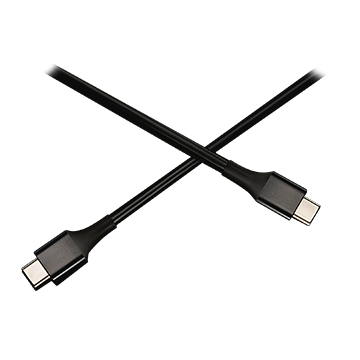
USB type C is quickly becoming the universal charging standard for both laptops and smartphones (Source: Google)
USB type C, commonly referred to as USB-C, has been facing some challenges with quality control over the last several months. Once devices started getting released with USB-C ports last year, accessory makers rushed to fill the void in the market.
Unfortunately, many of those cables—probably most of them—did not comply with the standards established by the USB Implementers Forum, meaning they could cause damage to some devices.
The organization has now come up with a way to police the USB-C market. USB-IF has rolled out its USB Type-C Authentication specification, which will allow the host and device to share certificates with each other. This means devices can be set to only charge or allow data transfer from wires that are compliant. In addition to avoiding potential damage to the device, the authentication should also limit the possibility of spreading embedded malware.
Attention was drawn to the issue of noncompliant cables when Benson Leung, a Google employee, started leaving Amazon reviews for USB-C cables being sold on the site. Leung even called out some big brands, notably OnePlus, for selling noncompliant cables and bundling them with devices. OnePlus later responded that it was working to fix the issue.
In March, Amazon started banning the sale of noncompliant USB-C cables. This move is not unprecedented for the online retail giant, which has previously blocked the sale of hoverboards that were deemed unsafe.
USB-IF has had a certification standard from the beginning, but it was up to manufacturers to send in their cables and connectors to be tested. The new authentication feature should help inspire more confidence in the USB-C standard, which will be good for suppliers and buyers. Costs may initially go up, but buyers should not have to worry that they are getting inexpensive USB-C cables that could damage users' devices.
More Sourcing News
Read Also

关注 “环球资源外贸” 官方微信,获取实时外贸资讯
iOS & Android
iOS & Android(Mainland China)
Copyright © 2026 Publishers Representatives Limited. All rights reserved.