




The resurgence of traditional Chinese fashion has captivated global audiences, with hanfu (汉服) leading this cultural renaissance. Understanding what is hanfu opens doors to appreciating one of the world's most elegant and historically significant clothing traditions. This comprehensive exploration reveals the intricate beauty, rich heritage, and contemporary relevance of hanfu dress styles that continue to inspire fashion enthusiasts worldwide.
Understanding Hanfu: Definition and Cultural Significance

Image by Jingying Cui from Pixabay
What is hanfu extends far beyond simple clothing definitions. The term hanfu (汉服) literally translates to "Han clothing," representing the traditional attire of the Han Chinese people that predates the Qing Dynasty. This ancient garment system embodies thousands of years of Chinese cultural evolution, philosophical principles, and artistic expression.
The etymology reveals profound cultural connections. "Han" (汉) refers to the Han Dynasty and the Han Chinese ethnic group, while "fu" (服) means clothing or garment. Together, hanfu represents not merely fabric and design but the cultural identity and historical continuity of Chinese civilization.
Distinguished from other traditional Asian garments like the Japanese kimono or Korean hanbok, hanfu possesses unique structural characteristics. The signature elements include flowing silhouettes, wide sleeves, crossed collars that wrap right over left, and sashes that create elegant waistlines. These design principles reflect Confucian ideals of modesty, harmony, and natural beauty.
The modern hanfu revival movement represents more than fashion trends. Contemporary enthusiasts embrace these garments as expressions of cultural pride, historical connection, and artistic appreciation. This renaissance transcends gender boundaries, with both men and women participating in preserving and reimagining traditional Chinese aesthetics for contemporary contexts.
Cultural significance extends beyond individual expression. Hanfu serves as a bridge connecting modern Chinese people with their ancestral heritage, fostering cultural continuity in an increasingly globalized world. The garments embody philosophical concepts like balance, respect for nature, and social harmony that remain relevant today.
The Rich History of Hanfu Through Chinese Dynasties

Image by zhi wei yu from Pixabay
Hanfu history spans over three millennia, making it one of the world's oldest continuous clothing traditions. Understanding when was the hanfu worn reveals a fascinating timeline of cultural evolution, political changes, and artistic development that shaped Chinese civilization.
The Han Dynasty (206 BCE - 220 CE) established foundational hanfu principles that influenced subsequent generations. During this period, both men and women wore layered garments with specific protocols governing colors, fabrics, and styles based on social status. The characteristic crossed collar and right-over-left wrapping became standardized, creating the template for future hanfu development.
The Tang Dynasty (618-907 CE) marked the golden age of hanfu innovation and international influence. This cosmopolitan period welcomed foreign cultural exchanges while maintaining distinctly Chinese aesthetic principles. Women's hanfu dress styles became more elaborate, featuring vibrant colors, intricate embroidery, and flowing silhouettes that emphasized grace and elegance. Male hanfu evolved to include both formal court attire and practical daily wear suitable for the dynasty's expanding bureaucratic system.
Song Dynasty (960-1279 CE) refinements reflected the period's scholarly emphasis and philosophical sophistication. Hanfu designs became more restrained and elegant, emphasizing subtle beauty over ostentatious display. The scholarly class influenced hanfu aesthetics, promoting garments that reflected intellectual pursuits and moral cultivation.
The Ming Dynasty (1368-1644 CE) represented the final flowering of traditional hanfu culture before significant historical disruptions. Imperial regulations codified specific hanfu styles for different social classes, creating a comprehensive system that governed everything from fabric choices to accessory selection. This period produced some of the most recognizable hanfu silhouettes that continue inspiring contemporary designers.
The Qing Dynasty's rise (1644-1912 CE) marked a dramatic interruption in hanfu tradition. Manchu rulers imposed their own clothing styles, effectively banning traditional Han Chinese garments for nearly three centuries. This historical trauma explains the contemporary hanfu revival's emotional resonance and cultural significance.
Modern hanfu revival began in the early 21st century, driven by cultural nationalism, historical interest, and aesthetic appreciation. Contemporary enthusiasts research historical patterns, experiment with traditional techniques, and adapt ancient designs for modern lifestyles, ensuring hanfu tradition continues evolving while maintaining authentic connections to its historical roots.
Comprehensive Guide to Types of Hanfu Styles

Image by tank air from Pixabay
The diversity of types of hanfu reflects China's rich dynastic history and regional variations. Understanding these classifications helps appreciate the complexity and sophistication of traditional Chinese clothing systems.
Classical Dynasty Styles for Women
Han Dynasty women's hanfu established fundamental principles still recognized today. The ruqun (襦裙) combination featured a short jacket paired with a long skirt, creating elegant proportions that emphasized feminine grace. The shenyi (深衣) represented a more formal option, consisting of a continuous robe that wrapped around the body in sophisticated layers.
Tang Dynasty innovations produced the iconic qixiong ruqun (齐胸襦裙), characterized by extremely high waistlines that created flowing, ethereal silhouettes. The banbi (半臂) served as a fashionable outer layer, demonstrating the period's cosmopolitan influences and artistic sophistication. These hanfu dress styles remain among the most popular choices for contemporary enthusiasts.
Song Dynasty contributions included the beizi (褙子), an elegant outer robe that exemplified the period's preference for understated refinement. The mamianqun (马面裙), featuring distinctive pleated panels, became a signature element that influenced later hanfu development.
Ming Dynasty women's hanfu reached new heights of complexity and beauty. The changshan (长衫) and aoqun (袄裙) combinations offered versatility for different occasions while maintaining the essential aesthetic principles that defined traditional Chinese feminine elegance.
Traditional Male Hanfu Styles
Male hanfu characteristics differed significantly from women's styles while maintaining core design principles. Traditional masculine hanfu emphasized dignity, authority, and scholarly refinement rather than decorative beauty.
Scholarly robes, known as rushan (儒衫), represented the intellectual class's preferred attire. These garments featured clean lines, minimal ornamentation, and colors that reflected the wearer's educational achievements and social position. Official court dress incorporated elaborate rank indicators, including specific colors, patterns, and accessories that communicated the wearer's governmental role.
Warrior and military-inspired hanfu designs balanced practicality with ceremonial requirements. These garments needed to accommodate physical activity while maintaining the dignity appropriate for military officers and professional soldiers.
Casual daily wear for men across dynasties emphasized comfort and functionality without sacrificing aesthetic appeal. Male hanfu silhouettes typically featured straighter lines and less flowing fabric than women's styles, reflecting traditional gender roles and practical considerations.
Modern adaptations of traditional male hanfu styles have gained significant popularity among contemporary enthusiasts. Contemporary designers experiment with historical patterns while incorporating modern tailoring techniques and lifestyle requirements.
Formal vs. Casual Hanfu Variations
Court dress and ceremonial attire for both genders represented the pinnacle of hanfu artistry and craftsmanship. These elaborate garments incorporated the finest materials, most skilled techniques, and most sophisticated design elements available to their respective periods.
Daily wear and simplified modern adaptations make hanfu accessible to contemporary enthusiasts who appreciate traditional aesthetics but require practical functionality. These variations maintain essential design principles while accommodating modern lifestyles and comfort expectations.
Seasonal considerations and fabric choices reflect traditional Chinese understanding of harmony between human activities and natural cycles. Summer hanfu emphasized lightweight materials and breathable construction, while winter versions incorporated layering systems and warmer fabrics without compromising aesthetic appeal.
Modern Hanfu Fashion: Contemporary Trends and Adaptations
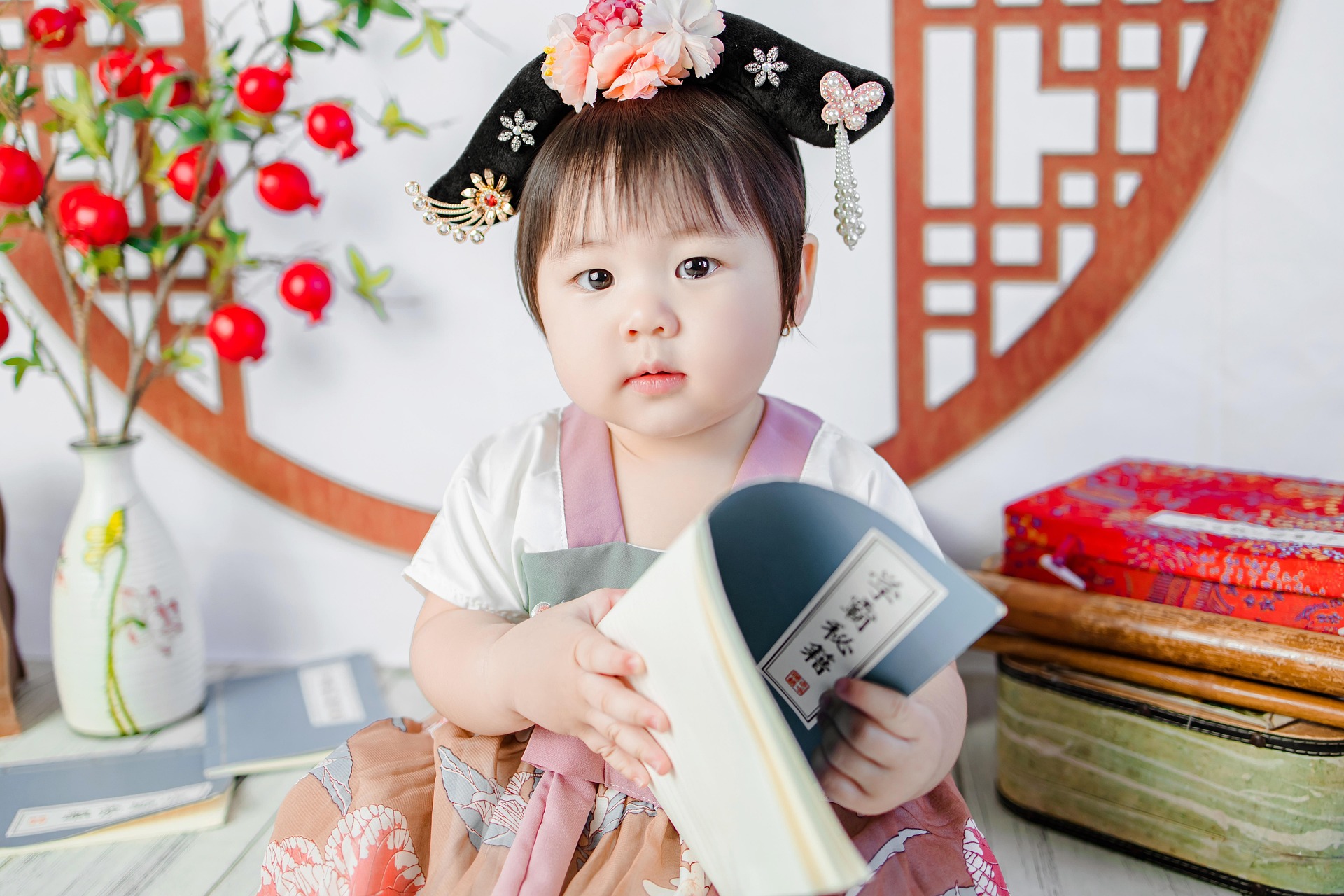
Image by Tú Nguyễn from Pixabay
The evolution of traditional hanfu dress in modern fashion represents a fascinating blend of historical authenticity and contemporary innovation. Today's hanfu enthusiasts navigate between preserving traditional elements and adapting ancient designs for modern lifestyles.
The growing popularity of male hanfu in contemporary culture reflects changing attitudes toward traditional masculinity and cultural expression. Young men increasingly embrace hanfu as a means of connecting with cultural heritage while making personal fashion statements that distinguish them from mainstream trends.
Popular contemporary designers and brands catering to all genders have emerged across China and internationally. These creators study historical patterns, experiment with traditional techniques, and develop new approaches that honor hanfu principles while addressing contemporary needs and preferences.
Social media influence has transformed hanfu communities from small, specialized groups into vibrant, international networks. Platforms like Instagram, TikTok, and specialized Chinese social media sites showcase hanfu styling, historical education, and community events that inspire new enthusiasts and preserve traditional knowledge.
Integration with modern lifestyle and occasions requires creative adaptation. Contemporary hanfu wearers attend university classes, business meetings, and social events while maintaining traditional aesthetic principles. This practical application demonstrates hanfu's versatility and enduring appeal.
Plus size hanfu availability and inclusive sizing trends for men and women reflect the community's commitment to accessibility and body positivity. Modern manufacturers recognize that traditional Chinese clothing should accommodate diverse body types, leading to expanded size ranges and adaptive design approaches that maintain authentic proportions while ensuring comfortable fit.
The commercial success of hanfu brands indicates genuine market demand rather than temporary trends. Established companies report consistent growth in both domestic and international markets, suggesting that hanfu appreciation extends far beyond cultural enthusiasts to include mainstream fashion consumers.
Hanfu Etiquette and Cultural Considerations

Image by Jingying Cui from Pixabay
Understanding proper hanfu etiquette requires addressing fundamental questions about cultural origins and appropriate usage. Where is hanfu from traces back to ancient China, specifically the Han Dynasty and earlier periods that established foundational design principles and cultural significance.
Is hanfu Chinese represents more than a simple geographical question. Hanfu embodies distinctly Chinese philosophical principles, aesthetic values, and cultural traditions that developed over millennia within Chinese civilization. While influenced by various historical interactions, hanfu remains fundamentally and authentically Chinese in origin, development, and cultural meaning.
Cultural appropriation versus appreciation guidelines help navigate respectful engagement with hanfu tradition. Can anyone wear hanfu depends largely on approach, intention, and cultural sensitivity. Respectful wearing practices regardless of gender or ethnicity emphasize learning about historical context, understanding cultural significance, and avoiding stereotypical or superficial representations.
Can foreigners wear hanfu and can white people wear hanfu address contemporary concerns about cultural boundaries and respectful appreciation. International appreciation guidelines suggest that sincere interest, cultural education, and respectful presentation make hanfu accessible to people from diverse backgrounds who approach the tradition with genuine appreciation rather than casual costume-wearing.
Proper occasions and styling considerations for both traditional women's and male hanfu require understanding historical context and contemporary appropriateness. Formal events, cultural celebrations, and educational contexts provide ideal opportunities for hanfu wearing, while casual daily wear requires more careful consideration of cultural sensitivity and practical appropriateness.
Gender-specific etiquette and historical context inform proper hanfu selection and styling. Traditional protocols governing colors, patterns, and accessories help contemporary wearers make appropriate choices that honor historical precedents while accommodating modern circumstances.
Celebrating with Hanfu: Special Occasions and Festivals
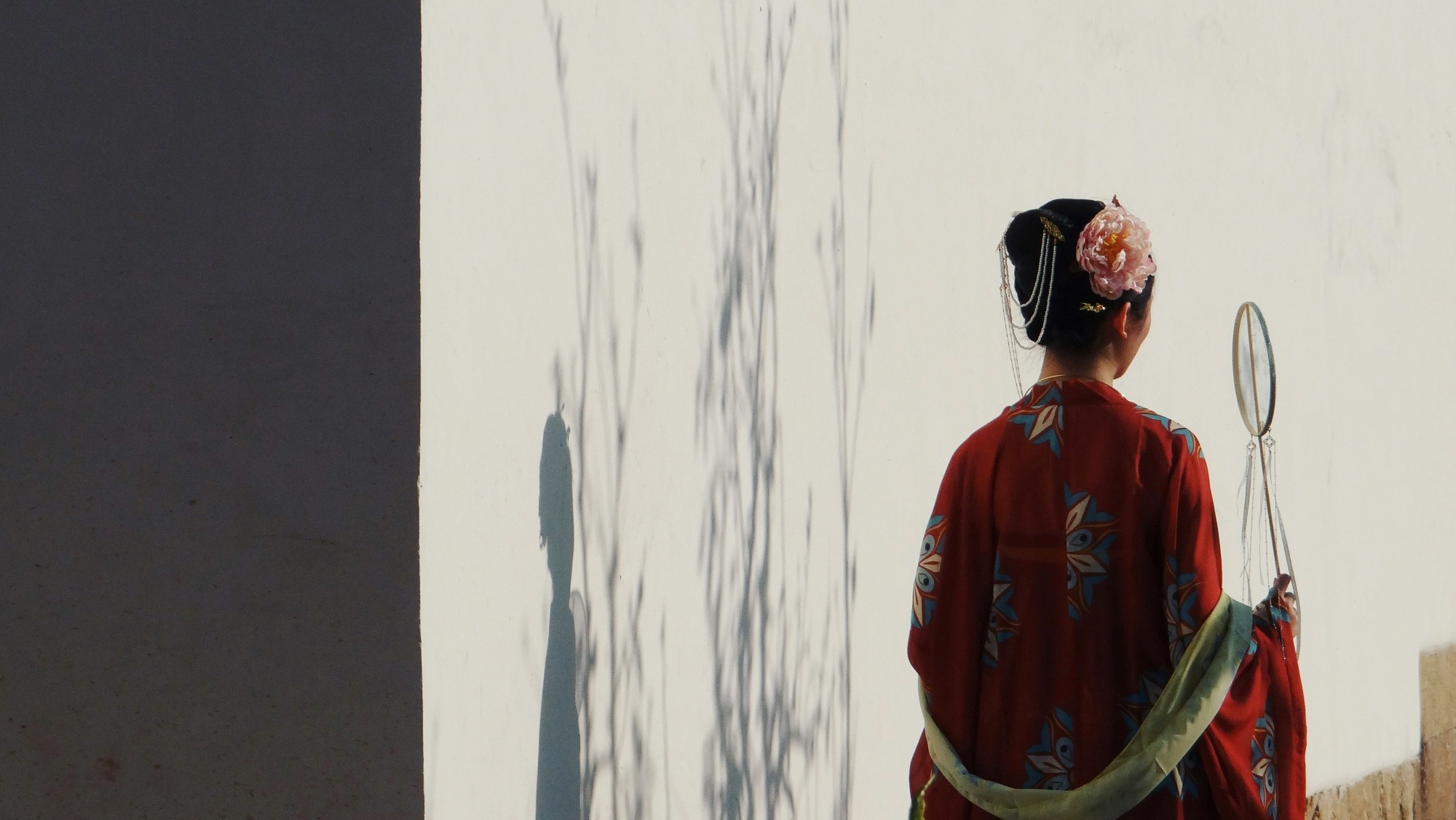
Image by Zichao zhang from Unsplash
Can you wear a hanfu for Chinese New Year represents one of the most common questions about festival appropriateness. Traditional Chinese celebrations provide ideal contexts for hanfu wearing, as these garments originally served ceremonial and festive purposes throughout Chinese history.
Traditional holidays and cultural celebrations offer natural opportunities for hanfu appreciation. Spring Festival, Mid-Autumn Festival, and other significant dates in the Chinese calendar traditionally involved special clothing that honored the occasion's cultural importance. Contemporary hanfu enthusiasts continue this tradition by selecting appropriate styles for specific celebrations.
Male hanfu in ceremonial contexts and cultural events requires understanding traditional masculine roles in Chinese festivals and celebrations. Historical precedents guide contemporary choices, ensuring that male hanfu selection honors both personal expression and cultural appropriateness.
Modern events and hanfu gatherings have created new contexts for traditional clothing appreciation. Hanfu communities organize meetups, cultural education events, and social gatherings that provide supportive environments for exploring traditional Chinese aesthetics and building cultural connections.
Photography and social sharing etiquette within hanfu communities emphasizes respectful representation and educational content. Enthusiasts share styling tips, historical information, and cultural context that promotes understanding rather than superficial appreciation of traditional Chinese clothing.
How to Choose and Style Your First Hanfu

Image by Leo Yao from Unsplash
Selecting your first hanfu requires understanding personal preferences, body type considerations, and intended usage contexts. Beginner's guides help newcomers navigate the complexity of traditional Chinese clothing systems while making choices that ensure positive initial experiences.
Male hanfu selection guide and styling tips address the specific considerations men face when exploring traditional Chinese clothing. Historical masculine aesthetics, contemporary adaptation strategies, and practical styling approaches help men confidently embrace hanfu tradition.
Quality considerations distinguish authentic hanfu from costume-quality reproductions. Authentic designs research historical patterns, use appropriate construction techniques, and select materials that honor traditional standards while meeting contemporary durability expectations.
Sizing guides including plus size hanfu options for all genders ensure that traditional Chinese clothing remains accessible to diverse body types. Modern manufacturers develop sizing systems that accommodate contemporary body proportions while maintaining authentic hanfu silhouettes and proportional relationships.
Accessories and complementary elements for both traditional and modern styles complete authentic presentations. Traditional Chinese accessories, hairstyling approaches, and complementary elements enhance hanfu wearing while maintaining cultural appropriateness and historical accuracy.
Care and maintenance tips preserve hanfu investment and ensure longevity. Traditional fabrics and construction techniques require specific care approaches that maintain garment integrity while accommodating modern cleaning and storage limitations.
Conclusion
The enduring appeal of hanfu demonstrates the power of traditional culture to inspire and connect people across time and geography. Understanding what is hanfu reveals not just clothing history but the continuing relevance of Chinese aesthetic principles and cultural values in contemporary contexts.
Whether exploring hanfu dress styles or traditions, enthusiasts discover rich cultural heritage that rewards careful study and respectful appreciation. The diversity of types of hanfu ensures that everyone can find styles that resonate with personal preferences while honoring traditional principles.

