




What is Industry 4.0?
Industry 4.0, also known as the Fourth Industrial Revolution, refers to the current trend of automation and data exchange in manufacturing technologies. It encompasses cyber-physical systems, the Internet of Things (IoT), cloud computing, and cognitive computing. Industry 4.0 is marked by a shift from traditional manufacturing to smart factories that are more efficient, flexible, and autonomous.
The concept originated in Germany as "Industrie 4.0" and has since become a global initiative that aims to transform industrial production. The key components of Industry 4.0 include:
- Interconnectivity: The ability of machines, devices, sensors, and people to connect and communicate with each other via the Internet of Things (IoT) or the Internet of People (IoP).
- Information Transparency: The transparency afforded by Industry 4.0 technology gives operators comprehensive information to make decisions. Cyber-physical systems help contextualize information.
- Technical Assistance: The capability of systems to support humans in decision-making and problem-solving, and the ability to help humans with tasks that are too difficult or unsafe for humans.
- Decentralized Decisions: The ability of cyber-physical systems to make decisions on their own and to perform their tasks as autonomously as possible. Only in the case of exceptions, interferences, or conflicting goals, tasks are delegated to a higher level.
- Autonomous Robots: Robots that can operate autonomously to a large extent, interact with one another, and work safely side by side with humans.
- Simulation: Systems that can create a virtual copy of the physical world and enable operators to test and optimize machine settings for the next product in line in the virtual space.
- Horizontal and Vertical System Integration: Companies, departments, functions, and capabilities becoming much more cohesive, as cross-company, universal data-integration networks evolve and enable truly automated value chains.
- The Industrial Internet of Things (IIoT): Devices, sensors, and machines interconnected and communicating with one another.
- Cybersecurity: As more devices are connected, security becomes increasingly important. Secure communications as well as sophisticated identity and access management of machines and users are necessary.
- Cloud Computing: More data is being moved to cloud-based services, allowing more data-driven services for production systems.
- Additive Manufacturing: Companies are beginning to use additive manufacturing techniques such as 3D printing to produce individual components or small batches of products that offer construction advantages (such as complex lightweight structures).
- Augmented Reality: AR services are being increasingly used for service operations where they can help service personnel to visualize problems and solutions.
The goal of Industry 4.0 is not just optimization but revolutionizing how industries operate—making manufacturing faster, more efficient, safer, and more environmentally friendly. It represents a profound shift in industrial production: from centralized to decentralized production, from a one-size-fits-all manufacturing process to a flexible, user-centric approach.
How Industry 4.0 Technologies Are Changing Manufacturing
The manufacturing landscape is undergoing a seismic shift with the advent of Industry 4.0 technologies. This new industrial revolution is characterized by a smart, interconnected environment that combines physical production and operations with smart digital technology, machine learning, and big data to create a more holistic and better-connected ecosystem for manufacturing companies. Below is an exploration of the various facets of Industry 4.0 and how they are reshaping the manufacturing sector.
The Internet of Things (IoT)
At the heart of Industry 4.0 lies the Internet of Things (IoT), which allows for a network of physical devices to communicate and share data. In manufacturing, IoT devices can monitor and maintain production equipment, ensuring that machinery is operating at peak efficiency and predicting failures before they happen. This proactive maintenance can save manufacturers significant resources, reducing downtime and extending the lifespan of their equipment.
Big Data and Analytics
The ability to collect, analyze, and utilize vast amounts of data is a cornerstone of Industry 4.0. With advanced analytics, manufacturers can gain insights into production trends, identify inefficiencies, and make informed decisions to optimize operations. Big data enables predictive analytics, which can forecast production issues and market demands, allowing for more agile and responsive manufacturing processes.
Cloud Computing
Cloud computing provides manufacturers with the ability to access and store large amounts of data remotely, enabling real-time data analysis and collaboration across different parts of the company, as well as with suppliers and customers. This flexibility allows for more scalable and flexible production processes that can adapt to changing market conditions or customer demands.
Cybersecurity
As manufacturing systems become more interconnected, the risk of cyber threats increases. Industry 4.0 addresses this through advanced cybersecurity measures designed to protect sensitive data and ensure the integrity of automated systems. Robust cybersecurity protocols are essential to safeguard against disruptions that could impact production, steal intellectual property, or compromise customer information.
Autonomous Robots and Cobots
Robots have been part of manufacturing for decades, but Industry 4.0 has seen a rise in autonomous robots capable of performing complex tasks without human intervention. Collaborative robots, or cobots, are designed to work alongside human workers, augmenting their capabilities and allowing for more efficient production lines.
Additive Manufacturing (3D Printing)
Additive manufacturing, or 3D printing, is revolutionizing the way products are designed and produced. It allows for rapid prototyping, custom manufacturing, and production of complex designs that would be impossible with traditional methods. This technology reduces waste and enables on-demand production, which is more sustainable and cost-effective.
Augmented Reality (AR) and Virtual Reality (VR)
AR and VR technologies are transforming the manufacturing industry by providing immersive experiences that can aid in design, training, and maintenance. For instance, AR can overlay digital information onto the physical world, helping workers perform tasks more efficiently or troubleshoot issues without consulting manuals or experts.
Digital Twins
A digital twin is a virtual model of a process, product, or service that allows for simulation, analysis, and control. In manufacturing, digital twins are used to mirror physical assets, processes, or systems to improve operations. They enable companies to simulate production processes and product performance in a virtual environment before implementing them in the real world.
Horizontal and Vertical System Integration
Industry 4.0 promotes both horizontal and vertical integration among different systems and entities within the manufacturing process. Horizontal integration refers to the alignment across various value chain activities, while vertical integration involves connecting manufacturing systems at different levels, such as field devices, control systems, and enterprise management solutions.
Customization and Personalization
The advanced technologies of Industry 4.0 enable manufacturers to offer higher degrees of customization and personalization in their products without sacrificing efficiency or increasing costs significantly. This shift toward mass customization meets the growing consumer demand for personalized products.
Sustainable Manufacturing
Sustainability is becoming increasingly important in manufacturing. Industry 4.0 technologies help optimize resource use and manage energy consumption effectively. Smart sensors can monitor environmental conditions in real-time, leading to more accountable and sustainable practices.
Workforce Transformation
The rise of smart factories requires a workforce with new skills. Workers need to be trained in digital literacy, complex problem-solving, and adaptability. The transformation also opens up opportunities for higher-level jobs focused on managing these new technologies.
Enhanced Supply Chain Management
Industry 4.0 enables more transparent and efficient supply chain management through technologies such as blockchain and IoT. These technologies provide real-time tracking of materials and products throughout the supply chain, ensuring greater accuracy and reliability in delivery times.
The Future Outlook
As we continue to advance in Industry 4.0 technologies, we are likely to see even more innovative applications that will further transform manufacturing. The integration of artificial intelligence (AI) with these technologies will lead to even smarter automation and data analysis capabilities.
In conclusion, Industry 4.0 is not just about adopting new technologies; it represents a fundamental rethinking of how manufacturing operates. It's about creating smarter, more efficient systems that can anticipate changes, adapt to new conditions, and drive innovation. As manufacturers embrace these technologies, they will be able to create value in new ways, leading to increased productivity, improved product quality, and the ability to meet the ever-changing demands of the market.
Evolution of Industry: From 1.0 to 4.0 - Revolutionizing Manufacturing
The evolution of the industrial sector has been a cornerstone of economic and social transformation globally. From the late 18th century to the present day, each industrial phase, from 1.0 to 4.0, has revolutionized manufacturing in profound ways.
Industry 1.0: The Advent of Mechanization
The first industrial revolution, or Industry 1.0, began in Great Britain around the 1760s and spread across the world over the next century. It marked the transition from hand production methods to machines through the use of steam power and water power, alongside the rise of mechanized factories. The steam engine, invented by James Watt, became a symbol of this era, powering locomotives, ships, and factories, thus fueling transportation and industrialization. The textile industry was the forefront of this era, showcasing significant leaps in productivity and establishing the factory as a central system of mass production.
Industry 2.0: The Age of Mass Production
The second industrial revolution, or Industry 2.0, took place between the late 19th century and early 20th century. It was characterized by the growth of new methods of manufacturing, including the introduction of electricity, gas, and oil, which led to the development of the internal combustion engine. This period saw the expansion of industries such as steel and oil, and the birth of the chemical synthesis industry. The most notable innovation of this era was the assembly line, perfected by Henry Ford in car manufacturing, which made mass production possible. Products could now be produced at an unprecedented scale, which not only made them cheaper but also more standardized.
Industry 3.0: The Digital Revolution
Emerging in the late 20th century, Industry 3.0 was marked by the advent of computers and automation in manufacturing. Electronics and information technology were used to further automate production and increase efficiency. Programmable logic controllers (PLCs) and robots began to enter factories, reducing the need for human intervention in many processes. This era also saw the beginning of space exploration and advancements in telecommunications, including the Internet, which would later become pivotal in Industry 4.0.
Industry 4.0: The Smart Technology Era
Industry 4.0 is the ongoing transformation in manufacturing that began in the early 21st century, driven by four key technological advancements: high-speed Internet, cloud computing, big data analytics, and cyber-physical systems. It represents a fundamental change in the way products are manufactured and delivered, moving towards smart factories that are more efficient, productive, and flexible.
In smart factories, machines are interconnected and communicate with one another (IoT), often with little to no human involvement. Advanced sensors collect data that can be used to monitor, analyze, and optimize production processes. Artificial intelligence (AI) and machine learning algorithms can predict maintenance needs or adapt production schedules in real time to meet changes in demand or supply chain disruptions.
Another hallmark of Industry 4.0 is additive manufacturing or 3D printing, which allows for more customization of products at lower volumes. This technology is transforming supply chains by enabling on-demand production closer to end users.
Cybersecurity has become an integral aspect of Industry 4.0 due to increased connectivity. Protecting sensitive data and ensuring uninterrupted production are critical as cyber threats become more sophisticated.
The implications of Industry 4.0 extend beyond manufacturing; it influences every part of the supply chain and customer interaction. It enables new business models such as product-as-a-service, where customers pay for outcomes rather than products themselves.
Conclusion
The journey from Industry 1.0 to Industry 4.0 is a narrative of continuous improvement and innovation that has dramatically reshaped human productivity and economic structures. Each phase has built upon the previous one, leveraging new technologies to create more efficient ways to produce goods and services.
Industry 1.0 saw the rise of mechanical production powered by steam; Industry 2.0 introduced mass production with electricity; Industry 3.0 brought automation with computers; and now, Industry 4.0 is ushering in an era of intelligent manufacturing with smart technology.
This evolution is not just about technological advancement; it's about the adaptation of society to these changes. The workforce has had to upskill with each industrial leap, and businesses have had to adapt to remain competitive.
As we look towards the future, Industry 4.0 is set to evolve into Industry 5.0, which will focus on the collaboration between humans and machines, further personalization of products, and incorporating sustainability at its core. The emphasis will shift towards enhancing the role of humans in the industrial process, leveraging their creativity and problem-solving skills alongside advanced technologies.
Benefits of Industry 4.0
Here’s an exploration of these benefits:
Enhanced Productivity: The integration of smart machines and systems on the factory floor increases operational efficiency. Automated processes and robots can work 24/7, reducing downtime and significantly increasing output. Real-time data collection and analysis allow for the optimization of production processes, leading to faster, leaner, and more flexible manufacturing capabilities.
Improved Quality Control: With sensors monitoring every part of the manufacturing process, companies can detect and correct issues in real-time, significantly improving the quality of the end product. Predictive analytics can anticipate defects before they occur, reducing waste and ensuring a consistent level of quality.
Cost Savings: Industry 4.0 technologies can lead to significant cost reductions through improved resource management, energy efficiency, and waste minimization. Predictive maintenance can foresee equipment failures before they happen, preventing costly downtime and extending the lifespan of machinery.
Customization: One of the standout features of Industry 4.0 is the ability to produce customized and personalized products as efficiently as mass-produced items. This is made possible by flexible production techniques and digital manufacturing technologies such as 3D printing.
Supply Chain Optimization: IoT devices provide transparency across the supply chain, enabling better tracking of materials and products. This visibility helps in optimizing inventory levels, reducing holding costs, and improving delivery times.
Sustainability: Smart factories are better equipped to manage their use of resources, thus minimizing their environmental footprint. This includes more efficient use of raw materials, energy, and water, as well as reducing emissions and waste.
Workforce Transformation: While automation may displace certain manual jobs, Industry 4.0 creates opportunities for more skilled positions focused on managing and analyzing data, developing and maintaining smart systems, and programming robots. This shift can lead to a more rewarding work environment and the development of high-tech skillsets.
Competitive Advantage: Early adopters of Industry 4.0 technologies can gain a significant competitive edge by offering better quality products at lower costs and with faster delivery times. Moreover, they can respond more quickly to market changes and customer needs.
Data-Driven Insights: The vast amounts of data generated can be used to gain insights into every aspect of the manufacturing process, customer preferences, and market trends. This information can drive innovation, strategic planning, and decision-making.
In summary, Industry 4.0 is a game-changer for manufacturing and many other industries. It offers a plethora of benefits that not only enhance efficiency and reduce costs but also create new opportunities for growth and innovation. As this revolution progresses, it will continue to unlock potential across various sectors of the economy.
3 Real-World Examples of Industry 4.0
1. Amazon's Use of Robotics and Automation
Amazon, the e-commerce giant, has been at the forefront of adopting Industry 4.0 technologies. The company has heavily invested in robotics and automation to streamline its warehouse and fulfillment operations. Amazon's warehouses are equipped with thousands of robots that work alongside human employees to pick, pack, and ship orders. These robots are guided by sophisticated software that optimizes the movement of goods and minimizes errors.
The use of robotics and automation has significantly increased Amazon's efficiency and productivity. The company can now process and ship orders faster than ever before, meeting the demands of its rapidly growing customer base. Additionally, automation has helped Amazon reduce its labor costs and improve overall operational efficiency.
2. Tesla's Smart Factory
Tesla, the electric car manufacturer, has embraced Industry 4.0 principles to create a highly automated and efficient production facility. Tesla's Fremont, California factory is a model of Industry 4.0, showcasing the integration of advanced technologies such as robotics, artificial intelligence, and data analytics.
The factory floor is dominated by an array of robots that perform various tasks, from welding car bodies to installing components. These robots are programmed with precision and can operate 24/7, significantly reducing production time. Additionally, Tesla's factory utilizes sensors and IoT devices to collect real-time data on production processes. This data is analyzed using advanced algorithms to identify inefficiencies and optimize operations.
Tesla's smart factory has enabled the company to achieve remarkable production efficiency and quality control. The factory can produce vehicles at a rapid pace, meeting the high demand for its electric cars. Moreover, the use of advanced technologies has helped Tesla reduce production costs and improve overall profitability.
3. Siemens' Digital Twin
Siemens, the German multinational conglomerate, has developed a groundbreaking concept called the "digital twin." A digital twin is a virtual representation of a physical asset, such as a factory or a product, that is created using data from sensors and other sources. The digital twin can be used to simulate and optimize the performance of the physical asset, enabling companies to make informed decisions and improve operational efficiency.
Siemens has successfully implemented the digital twin concept in its Berlin factory. The digital twin of the factory is used to simulate production processes, identify bottlenecks, and optimize resource allocation. This has resulted in significant improvements in productivity and reduced downtime. Additionally, the digital twin allows Siemens to test new production strategies and technologies in a virtual environment before implementing them in the real world, minimizing risks and costs.
Conclusion
The three real-world examples discussed in this article demonstrate the transformative power of Industry 4.0 technologies. By embracing automation, robotics, artificial intelligence, and data analytics, companies can unlock new levels of efficiency, productivity, and profitability. Industry 4.0 has the potential to revolutionize industries across the board, driving economic growth and innovation in the years to come.
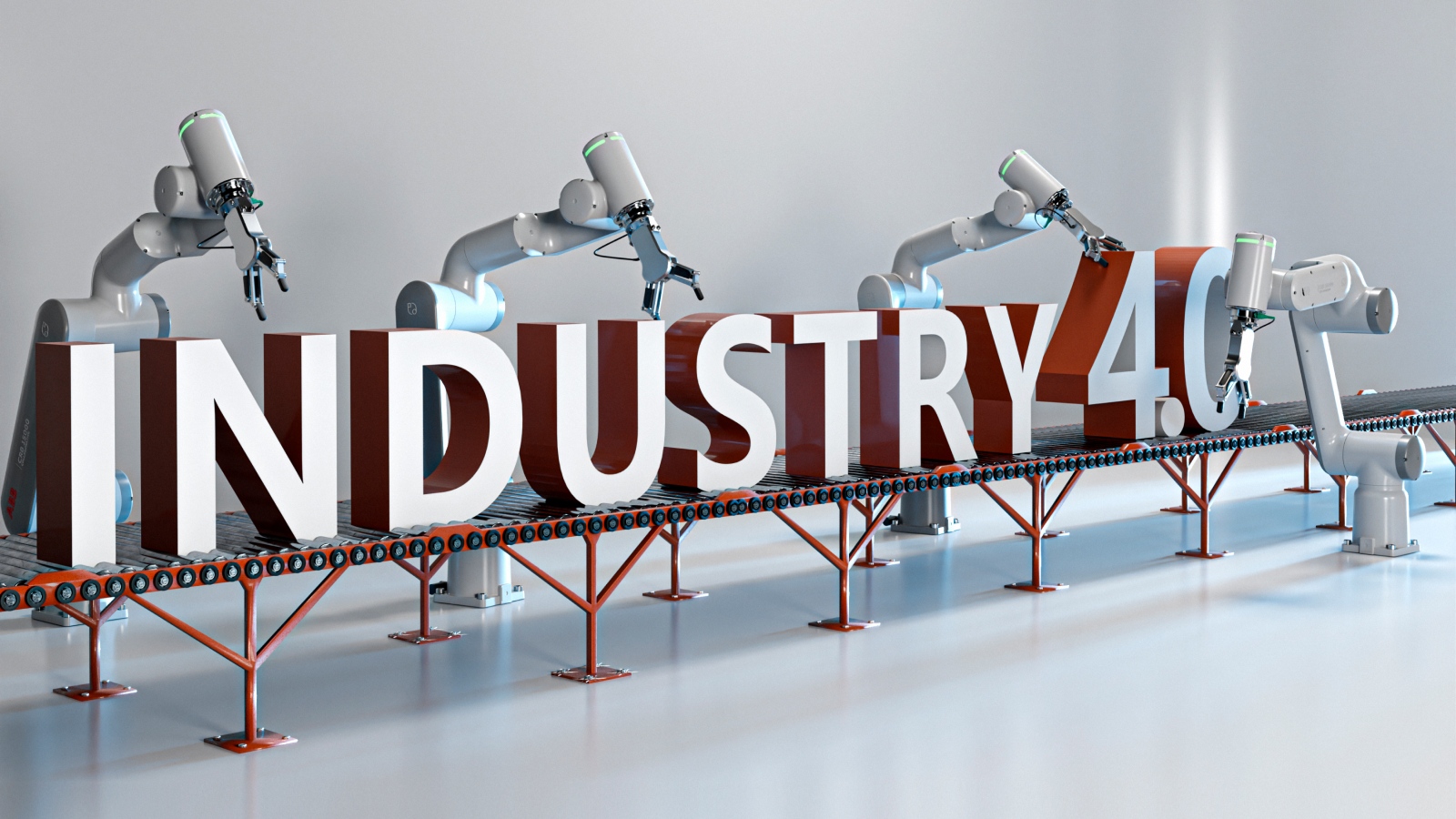
Industry 4.0 and Global Sources
Global Sources is a leading business-to-business media company and a primary facilitator for international trade. Its core capability is connecting buyers worldwide with suppliers and manufacturers in Asia. Services span trade shows, magazines, online marketplaces, sourcing reports and factory audits across various industries from electronics, fashion to machinery.
The emergence of Industry 4.0 is transforming manufacturing globally while also shifting trade dynamics in major sourcing regions. Intelligent manufacturing unlocks new capabilities but also necessitates digitalization of operations. This is driving both disruption and opportunities, which Global Sources is catering to through its digital trade platform and industry expertise.
For suppliers, Global Sources assists with market analysis, positioning, demand forecasting, lead generation and online distribution. It also produces sourcing intelligence reports covering smart factory solutions and equipment - from robotics, sensors and industrial networks to analytics software and services. These insights help buyers with technology evaluation and supplier selection for digital transformation initiatives.
Additionally, Global Sources hosts major hybrid trade shows like the Global Sources Exhibitions for Electronics and Mobile Electronics, which demonstrate a range of Industry 4.0 innovations from automation to IoT devices. The shows combined with online platforms like GlobalSources.com generate significant buyer inquiries and order volumes for exhibitors.
For buyers, Global Sources has launched dedicated Industry 4.0 Tech Sourcing services. It provides technology scouting, supplier identification, and onsite audits assessing capabilities like automated production, IoT integration and data-driven operations. Structured intelligence reports detail supplier digitalization levels across various product categories.
Global Sources also produces Insights and Tech Reports covering the latest Industry 4.0 adoption trends across manufacturing industries. It tracks the smart factory solutions suppliers are offering for international buyers. The research provides market analysis and supplier guides across technologies from collaborative robots to AI-powered monitoring and industrial wearables.
As factories continue progressing towards data-driven intelligent operations, Global Sources serves as an indispensable channel connecting these capabilities with global buyer needs. Its digital platforms and domain expertise help overcome information barriers and trust gaps to realize Industry 4.0's potential for smarter, more responsive manufacturing and trade.
Strategies for Enterprises in the Industry 4.0 Era
To thrive in the Industry 4.0 era, enterprises need to adopt a strategic approach that leverages advanced technologies and reimagines their operations. Here are key strategies enterprises can implement:
1. Embrace Digital Transformation
- Digitize Processes: Convert manual processes into digital workflows using technologies like Enterprise Resource Planning (ERP) systems and cloud computing.
- Data Collection and Analytics: Implement sensors and IoT devices to collect real-time data from operations. Analyze this data to gain insights and make informed decisions.
2. Invest in Automation and Robotics
- Robotic Process Automation (RPA): Use software robots to automate repetitive tasks, freeing up human workers for more strategic roles.
- Industrial Robotics: Deploy robots in manufacturing and logistics operations to enhance efficiency and productivity.
3. Foster a Culture of Innovation
- Encourage Collaboration: Create an environment that encourages cross-functional collaboration and idea sharing among employees.
- R&D Investment: Allocate resources for research and development to explore new technologies and solutions.
4. Upskill the Workforce
- Training Programs: Provide training opportunities for employees to develop skills in data analytics, automation, and other Industry 4.0 technologies.
- Continuous Learning: Encourage a culture of continuous learning to keep up with technological advancements.
5. Adopt Advanced Manufacturing Techniques
- Additive Manufacturing (3D Printing): Utilize 3D printing for rapid prototyping and small-scale production.
- Predictive Maintenance: Implement sensors and IoT devices to monitor equipment health and predict maintenance needs.
6. Enhance Supply Chain Management
- Supplier Collaboration: Collaborate with suppliers to optimize supply chain visibility and efficiency.
- Blockchain for Traceability: Use blockchain technology to track the movement of goods and ensure transparency.
7. Implement Cybersecurity Measures
- Data Security: Protect sensitive data from cyber threats through encryption and access controls.
- Vendor Risk Assessment: Evaluate the security practices of third-party suppliers and partners.
8. Sustainability and Environmental Responsibility
- Energy Efficiency: Implement energy-efficient practices and technologies to reduce carbon footprint.
- Circular Economy: Adopt sustainable practices, such as recycling and reusing materials, to minimize waste.
9. Personalization and Customer Engagement
- Customer Data Analytics: Analyze customer data to deliver personalized experiences and tailored products.
- Interactive Technologies: Use augmented reality (AR) and virtual reality (VR) to enhance customer engagement.
10. Embrace Industry Standards and Interoperability
- Open Standards: Adopt industry-wide standards to ensure compatibility and seamless integration of technologies.
- Interoperability: Ensure that systems and devices can communicate and exchange data effectively.
By implementing these strategies, enterprises can harness the power of Industry 4.0 to drive growth, efficiency, sustainability, and customer satisfaction in the digital age.

