




GlobalSources.com is as one of the premier B2B platforms globally, connecting buyers with verified suppliers primarily from Asia. However, like all major ecommerce platforms, it faces challenges related to fraudulent activities, scams and counterfeit products.
While GlobalSources.com maintains strict verification processes and security measures, buyers must exercise due diligence and be vigilant when engaging with suppliers on the platform. They can avoid common pitfalls such as receiving substandard merchandise, falling victim to payment fraud or inadvertently purchasing counterfeit goods. This comprehensive guide aims to help businesses identify potential scams and implement effective strategies to ensure secure and successful sourcing experiences.
Scope of the scam problem in the B2B marketplace
Counterfeiting and fraud represent significant challenges in the global B2B marketplace. According to recent data from the International Chamber of Commerce, counterfeiting and related fraudulent activities cost the global economy over $4.5 trillion annually and threaten millions of legitimate jobs worldwide. These issues affect all major sourcing platforms.
To combat fraudulent activities, GlobalSources.com employs a multi-tiered supplier verification system that includes business license verification, on-site factory audits and third-party certifications. In 2024, it reported that over 95 percent of intellectual property infringement cases were addressed within 48 hours of being reported, demonstrating its commitment to maintaining platform integrity.
Despite these efforts, scams haven't been eliminated entirely. The platform's size and global reach make it an attractive target for sophisticated fraudsters. However, understanding the common scam patterns and knowing how to verify suppliers properly significantly reduces risks.
Common scams businesses can encounter while sourcing products
1. Misrepresented branded products
Some suppliers on GlobalSources.com may claim to offer authentic branded products at significantly reduced prices, often suggesting they are the original equipment manufacturers (OEM) or have special access to factory overruns. They might use convincing language about "direct factory prices" or "eliminating middlemen" to justify the unusually low prices.
Procurement experts consistently warn against purchasing well-known branded items through B2B platforms unless the supplier can provide verifiable authorization from the brand owner. Legitimate manufacturers of branded goods typically have established distribution channels and rarely sell directly through B2B marketplaces to unknown buyers.
This warning extends to products with licensed intellectual property, such as apparel featuring sports team logos, entertainment characters or designer patterns. These items require specific licensing agreements, and unauthorized production constitutes intellectual property theft.
2. Bait-and-switch quality tactics
This scam begins with a supplier sending an impressive high-quality sample that meets or exceeds all specifications. Based on this sample, buyers confidently place larger orders, often investing significant capital. However, when the bulk shipment arrives, the products exhibit markedly lower quality than the sample provided.
The discrepancy might involve inferior materials, substandard manufacturing processes or missing features. By the time buyers discover the issue, they've already paid a substantial portion of the order value, and resolving such disputes internationally can be challenging and costly.
3. Nondelivery and disappearing suppliers
One of the most straightforward yet devastating scams involves suppliers who simply collect payment and never deliver the ordered products. This type of fraud often targets buyers who are new to international sourcing and may not be familiar with standard protection mechanisms.
A significant red flag is suppliers with limited operating history on GlobalSources.com. While new suppliers aren't inherently fraudulent, those with less than a year of verified business history warrant additional scrutiny. Some may have initially operated legitimately but turned to fraudulent practices when facing financial difficulties.
More sophisticated versions of this scam involve creating elaborate facades, including professional websites that mimic legitimate manufacturers. When payment time arrives, these fraudsters may direct buyers to make transfers to "alternative accounts" with various excuses about their regular payment channels being temporarily unavailable.
4. Post-order price increases
This deceptive practice begins with suppliers advertising exceptionally competitive prices to attract potential buyers. After initial discussions and once a deposit has been paid, the supplier suddenly claims that costs have increased due to factors such as rising raw material prices, labor costs or shipping expenses.
At this point, buyers often feel trapped – they've already invested time in negotiations and potentially paid nonrefundable deposits. Many reluctantly agree to the higher prices rather than starting the sourcing process over, especially if they're working against tight deadlines.
5. Identity theft and false representation
Some sophisticated scammers create online profiles that appropriate the identities of legitimate companies, often based in developed markets like the US, EU or UK. These fraudsters may duplicate company information, logos and product images from the genuine company's website.
To enhance credibility, they might create convincing but fake websites that closely resemble the legitimate business they're impersonating. Unsuspecting buyers who fail to conduct thorough verification may transfer payments to these imposters, resulting in complete loss of funds and nondelivery of goods.
6. Quality inspection evasion
In this scheme, suppliers initially appear cooperative but become evasive when buyers request quality inspections before final payment or shipping. They might offer various excuses to prevent third-party inspectors from accessing their facilities, such as "temporary renovations," "confidential production processes" or "scheduling conflicts."
Some may even provide falsified inspection reports or manipulate the inspection process by presenting only pre-selected items that meet quality standards while hiding defective products. This tactic aims to secure final payment before quality issues are discovered.
How to avoid scams while searching for reliable suppliers
1. Prioritize verified suppliers with strong track records
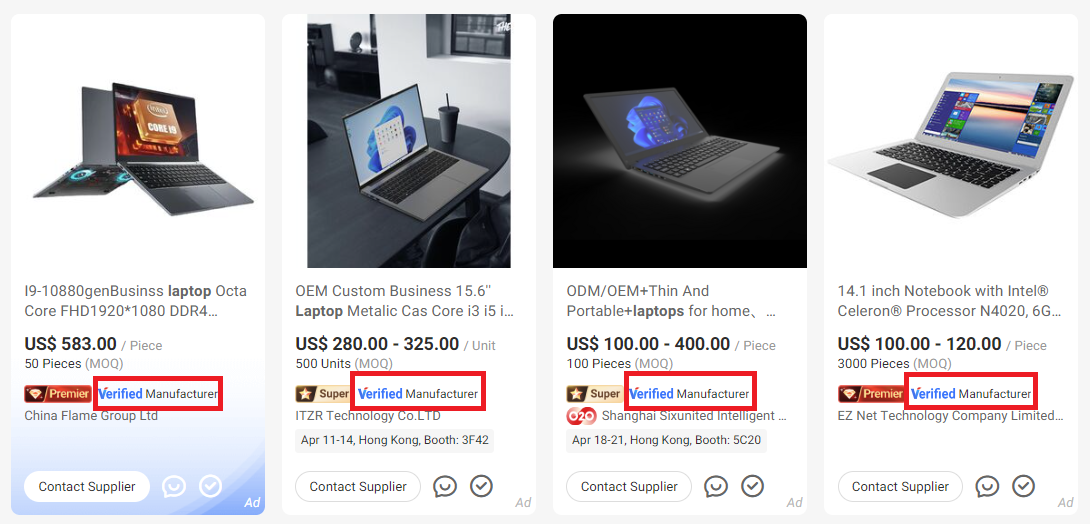
GlobalSources.com offers a tiered supplier verification system, with Verified Suppliers representing businesses that have undergone more rigorous checks. The platform's most trusted suppliers often carry designations such as Star Supplier or have participated in the platform for many years with positive feedback.
A supplier's membership level on GlobalSources.com often correlates with their legitimacy and reliability. Premium suppliers pay substantial annual fees for enhanced visibility and services, making it less likely (though not impossible) that they would risk their investment and reputation through fraudulent activities.
When evaluating potential partners, prioritize suppliers with:
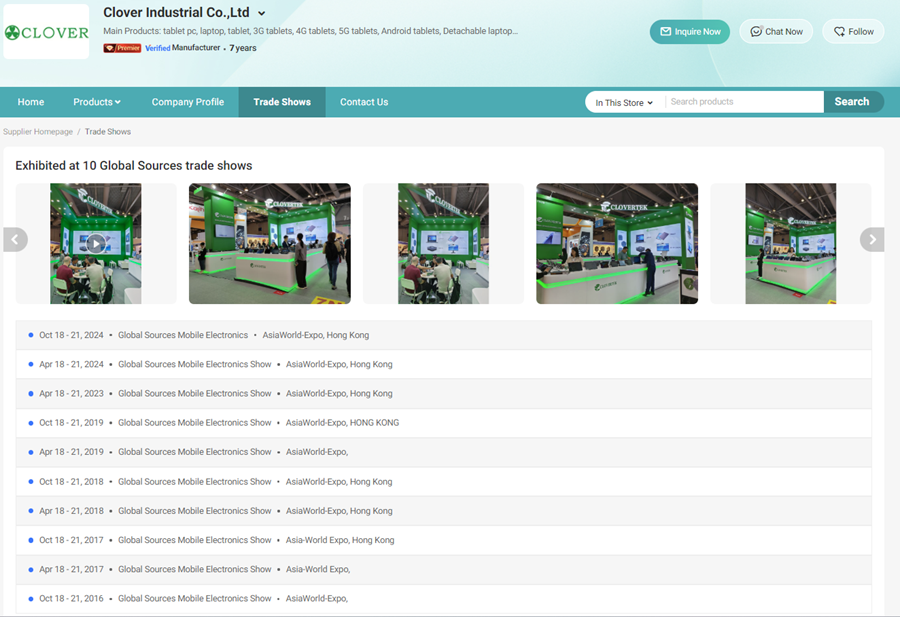
- At least 2-3 years of active presence on GlobalSources.com
- Verified supplier status
- Consistent participation in trade shows organized by Global Sources
- Multiple positive reviews from international buyers
- Clear company history and transparent business information
2. Verify business licenses and certifications thoroughly
Legitimate suppliers should readily provide business documentation including:
- Business registration certificates
- Export licenses
- Tax registration documents
- Industry-specific certifications
- Quality management system certifications (ISO 9001, etc.)
- Product testing reports from recognized laboratories
Don't simply accept images of these documents at face value. Take time to verify their authenticity through official channels when possible. For Chinese suppliers, the National Enterprise Credit Information Publicity System provides a way to verify business registrations. Similar resources exist for other major manufacturing countries.
A reputable supplier should have comprehensive company information available, including physical address, production capabilities, main product categories and types of business relationships they typically engage in. This transparency helps buyers conduct proper due diligence before committing to purchases.
3. Establish clear contractual terms
Before finalizing any transaction, ensure all critical details are explicitly documented and agreed upon by both parties. This documentation should include:
- Detailed product specifications with tolerances
- Pricing structure with all fees clearly outlined
- Payment terms and schedule
- Quality standards and acceptance criteria
- Shipping and delivery timelines
- Warranty and aftersales service provisions
- Intellectual property protection clauses
- Dispute resolution mechanisms
If a supplier attempts to change any terms after agreements have been made – particularly price increases or quality standard modifications – this should be treated as a serious warning sign. Legitimate business reasons for changes can exist, but they should be transparent, reasonable and open to negotiation.
4. Utilize GlobalSources.com's buyer protection services
GlobalSources.com offers several mechanisms to protect buyers, including:
Buyer Protection Services: Similar to escrow arrangements, these services hold payment until predetermined conditions are met, such as successful quality inspection or delivery confirmation.
Verified Supplier Program: This provides additional assurance that suppliers have undergone background checks and verification processes.
Dispute Resolution Assistance: The platform offers mediation services when disagreements arise between buyers and suppliers.
Whenever possible, conduct transactions through the platform's official channels rather than moving communications and payments off-platform, where protections may be limited or nonexistent.
5. Conduct thorough supplier assessment
Before committing to large orders, implement a comprehensive supplier evaluation process:
- Request and evaluate multiple product samples
- Conduct video calls to tour facilities virtually
- Perform background checks through business information services
- Check references from other international buyers
- Review the supplier's presence at industry trade shows
- Assess their communication responsiveness and professionalism
- Evaluate their technical knowledge about their products
Pay particular attention to how suppliers respond to detailed technical questions about their manufacturing processes. Genuine manufacturers possess in-depth knowledge about their production capabilities, materials and quality control procedures.
6. Implement staged payment structures
Rather than paying large amounts upfront, structure payments to minimize risk:
- Small initial deposit (typically 30 percent or less)
- Payment tied to production milestones with verification
- Larger payment upon successful pre-shipment inspection
- Final payment after goods are received and inspected
This approach limits financial exposure while maintaining leverage throughout the production process. Be wary of suppliers demanding unusually high deposits or full payment in advance, especially for first-time orders.
7. Employ third-party inspection services
Independent quality inspection services provide crucial verification before shipment. These professional services typically cost between $300 and $500 per inspection day – a modest investment compared to the potential losses from receiving substandard or noncompliant products.
Reputable inspection companies maintain staff in major manufacturing regions and can perform various types of checks:
- Pre-production inspections to verify materials and components
- During-production inspections to assess manufacturing processes
- Pre-shipment inspections to evaluate finished goods
- Loading supervision to ensure correct products are shipped
Legitimate suppliers generally welcome these inspections as they demonstrate commitment to quality and transparency. Resistance to third-party inspections should be considered a significant warning sign.
How GlobalSources.com protects users
GlobalSources.com has implemented several security features to protect platform users:
Supplier verification systems
The platform employs a multi-level verification process for suppliers that includes:
- Business license verification
- Physical location confirmation
- Production capability assessment
- On-site audits for higher-tier suppliers
- Third-party certification verification
These measures help ensure that suppliers listed are legitimate businesses with actual manufacturing or trading capabilities.
Secure communication channels
GlobalSources.com provides secure messaging systems within the platform that maintain records of all communications between buyers and suppliers. These records can prove invaluable if disputes arise later.
Reporting mechanisms
The platform maintains dedicated channels for reporting suspicious activities or potential fraud. Its trust and safety team investigates reports promptly, often taking action within 24 to 48 hours to address confirmed violations.
Educational resources
GlobalSources.com offers extensive educational materials to help buyers understand best practices for safe sourcing, including webinars, guides, and case studies highlighting both successful transactions and lessons learned from problematic ones.
What to do if you've been scammed
If you suspect you've fallen victim to a scam on GlobalSources.com, take these immediate steps:
1. Document everything
Gather all communications, contracts, payment records, and other relevant documentation. This evidence will be crucial for any dispute resolution process or legal action.
2. Report to GlobalSources.com
File a formal complaint through the platform's official channels. Provide comprehensive details and all supporting documentation. The platform's trust and safety team will investigate and may take actions including supplier suspension or account termination.
3. Contact financial institutions
If you've made payments, contact your bank or payment provider immediately to report the fraud and explore options for payment reversal or chargeback. The success of these efforts often depends on how quickly you act and the payment method used.
4. Report to authorities
File reports with:
- Local law enforcement in your jurisdiction
- Internet crime complaint centers (such as IC3 in the US)
- Trade authorities in the supplier's country
- International fraud reporting networks
While recovery of funds can be challenging in international fraud cases, these reports help authorities identify patterns and may contribute to broader enforcement actions.
5. Seek legal counsel
For substantial losses, consult with an attorney experienced in international trade disputes. They can advise on potential recovery options and help navigate the complex legal landscape of cross-border commercial conflicts.
Expert tips from procurement professionals
Industry veterans with extensive international sourcing experience offer these additional insights:
Relationship building matters
"Successful sourcing isn't just about finding the lowest price – it's about building relationships with reliable partners," explains Maria Chen, a procurement director with 15 years of experience sourcing from Asia. "I always start with smaller orders to test reliability and quality consistency before committing to larger volumes."
Industry-specific considerations
Different product categories present unique challenges:
- Electronics: Require thorough testing for safety compliance and performance
- Textiles: Often face color matching and fabric quality consistency issues
- Food products: Need strict quality control and compliance with import regulations
- Mechanical components: Demand precise specification adherence and material verification
Risk management strategies
"Diversification is key to risk management in global sourcing," advises Jonathan Miller, a supply chain consultant. "Relying on a single supplier, even a seemingly reliable one, creates vulnerability. I recommend developing relationships with at least two suppliers for critical components or products."
Conclusion
Any marketplace requires users to exercise due diligence and implement proper safeguards. By understanding common scam patterns, thoroughly vetting potential suppliers, utilizing platform protections, and implementing verification processes, businesses can significantly reduce their risk exposure.
Remember that legitimate suppliers welcome transparency and verification as opportunities to demonstrate their reliability and build long-term business relationships. Those who resist reasonable due diligence measures or pressure buyers to circumvent standard protections often have something to hide.
With proper precautions, GlobalSources.com can be a valuable resource for businesses seeking to diversify their supply chains and access competitive manufacturing capabilities. The key lies in balancing opportunity with prudent risk management.

